
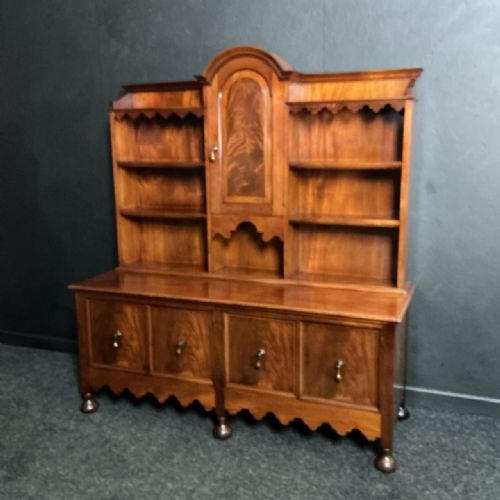
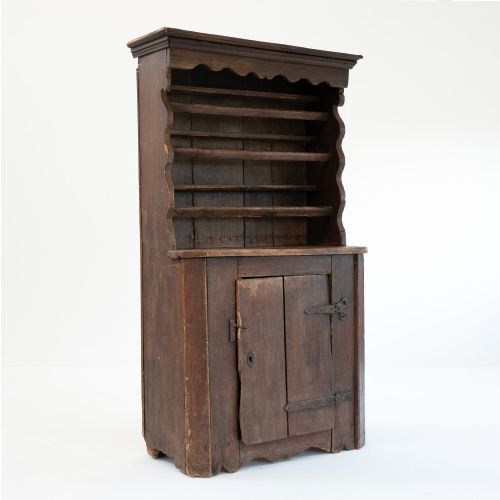
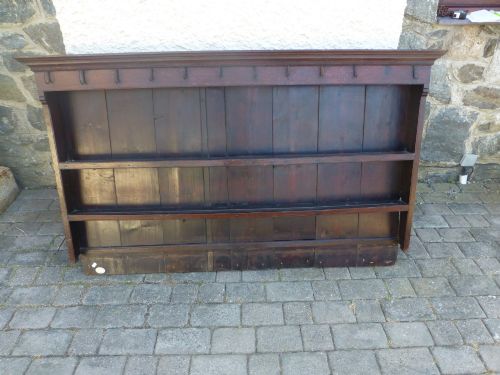
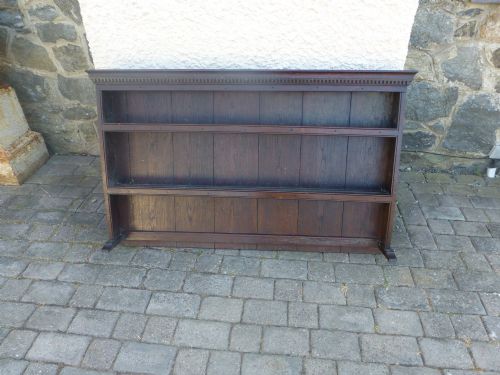
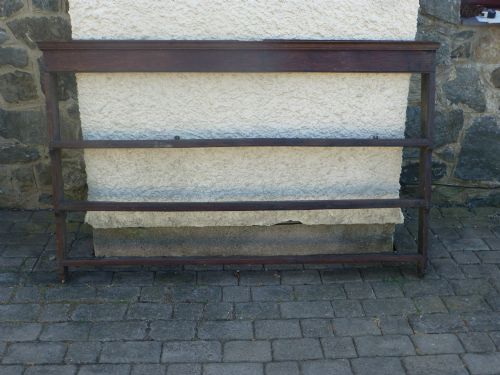
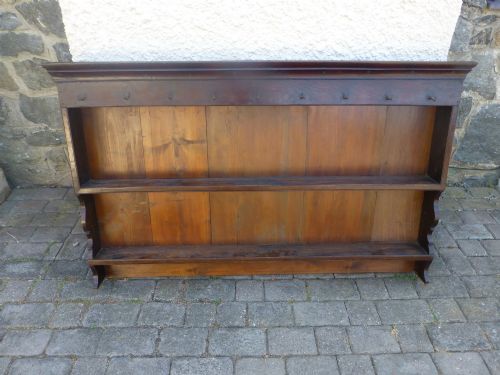
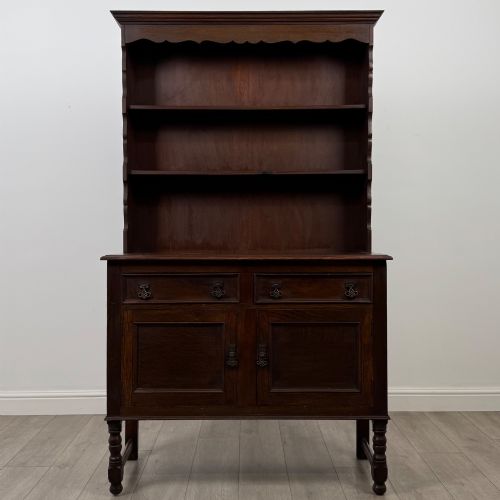
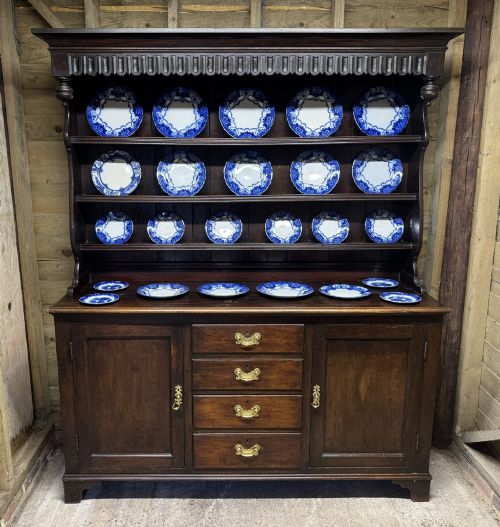
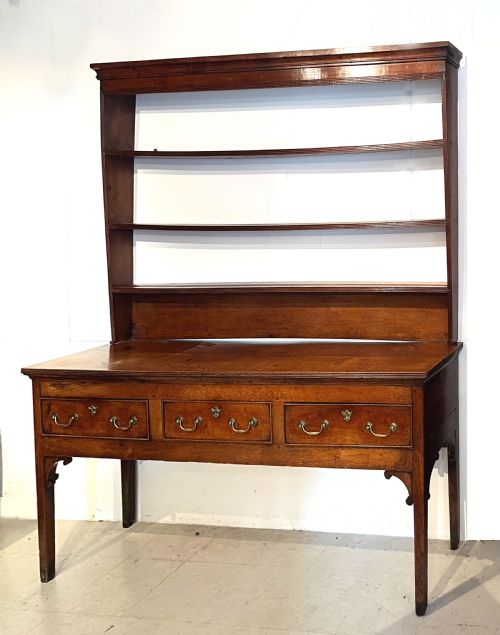
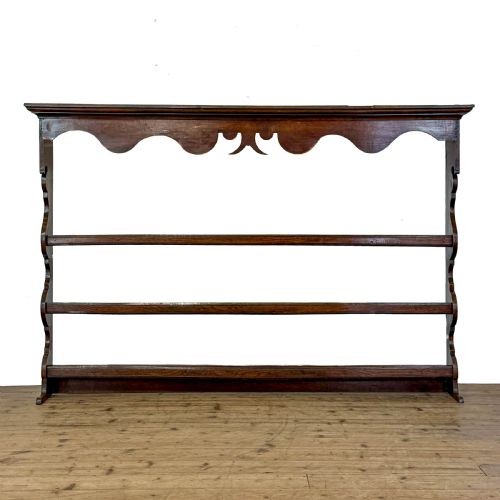
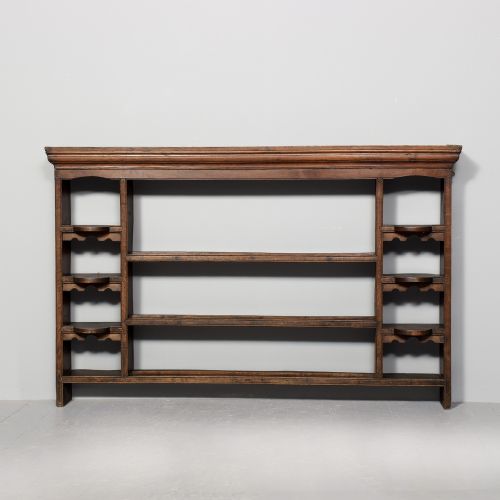


Brown Wooden Dresser Rack
A brown wooden dresser rack organises your plates and platters while bringing centuries of practical kitchen tradition straight onto your wall.
Brown Wooden Dresser Rack
A brown wooden dresser rack is a wall-mounted or top-tier shelving unit designed to display ceramics, platters, and plates safely within a domestic kitchen or dining space. When searching this phrase, you encounter pieces that range from standalone hanging plate racks to the upper portions detached from full two-part Welsh or pot board dressers.
The pieces appearing on this page span several centuries and styles, drawing heavily from Georgian, Victorian, and Edwardian periods. You will frequently find country furniture forms originating from English, Welsh, Irish, and French provincial workshops.
Materials dictate much of the character in these brown wooden dresser racks, with oak, walnut, pine, and elm dominating the selection. They serve as both functional storage and historic wall furniture that showcases everyday domestic life from the eighteenth and nineteenth centuries.
How they were made
Cabinet makers built these racks using solid native timbers like oak, elm, and pine, often employing pegged mortise and tenon joints to secure the heavy plate rails and uprights. Backboards typically consist of robust vertical planks fixed with hand-cut nails or early screws.
Surface finishing relied on natural wax, oil, or traditional paint rather than modern synthetic sealers, allowing the timber to develop a deep patina over generations of use. Details such as shaped friezes, plate grooves, and occasional architectural elements like Corinthian columns reflect the regional vernacular of the maker.
What varies in quality
The distinction between ordinary utility items and superior brown wooden dresser racks lies in the choice of timber and the proportion of the mouldings. Dense, figured oak or richly patinated walnut combined with balanced shelf spacing and crisp architectural details denote a higher grade of craftsmanship.
Structural integrity and originality dictate the standing of a piece, particularly whether the hanging bars, plate retainers, and sideboards remain intact without excessive timber replacement. The depth of the colour and the untouched nature of the surface finish further separate standard domestic kitchen furniture from exceptional country examples.
The Brown Wooden Dresser Rack Glossary
- Delft rack
- A wall-mounted wooden shelving unit specifically designed with narrow timber ledges to hold ceramic plates upright for display. These racks became essential kitchen furnishings during the height of delftware popularity.
- Pot board
- A low horizontal shelf built into the base of a dresser, historically used for storing heavy pots and pans off the damp flagstone floor. This feature appears frequently on heavier country furniture.
- Welsh dresser
- A large kitchen sideboard paired with an integrated plate rack above, offering both closed storage and open display. They originate predominantly from rural Welsh and English workshops.
- Patina
- The deep, lustrous surface sheen developed on old wood through decades of handling, polishing, and exposure to light. It serves as a primary indicator of genuine age and continuous use.
Brown Wooden Dresser Rack: Frequently Asked Questions
How do I hang a heavy wooden plate rack?
These racks require secure fixing directly into masonry or substantial wall studs due to the considerable weight of solid oak or walnut timber combined with heavy ceramic plates. Use heavy-duty brackets or screw through the internal upright framing into appropriate wall anchors.
Ensuring the rack is anchored correctly prevents the unit from pulling away under the load of everyday kitchen crockery.
What is the difference between a dresser and a rack?
A complete dresser consists of a lower base unit with cupboards or drawers, often paired with an upper plate rack that can be detachable or built as a single two-part piece. A rack on its own functions purely as wall-hanging shelving for plates.
Many historic examples found today were originally the upper section of a larger dresser separated over time.
How should I clean antique oak furniture?
Maintain the surface by dusting with a dry, soft cloth and occasionally feeding the timber with a traditional beeswax polish to nourish the dry wood. Avoid using modern silicone sprays or water, which can damage the historic patina and grain.
Gentle care preserves the original colour and prevents the protective wax finish from breaking down.
Are these racks suitable for modern kitchens?
These wooden racks integrate well into contemporary spaces, offering practical vertical storage for everyday dinnerware while adding rustic warmth to plain walls. Their shallow depth makes them ideal for installation above countertops or dining tables without taking up floor space.
They bring historical character and functional utility to modern domestic environments.