

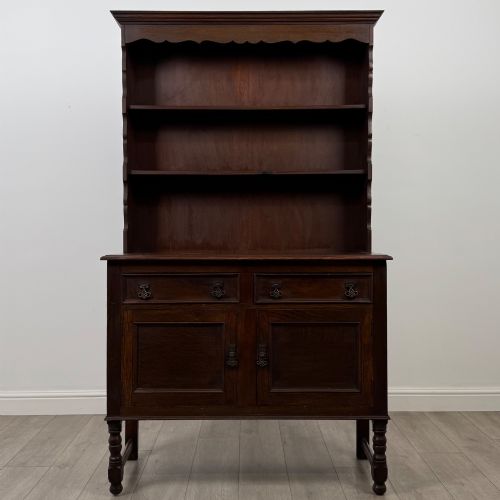
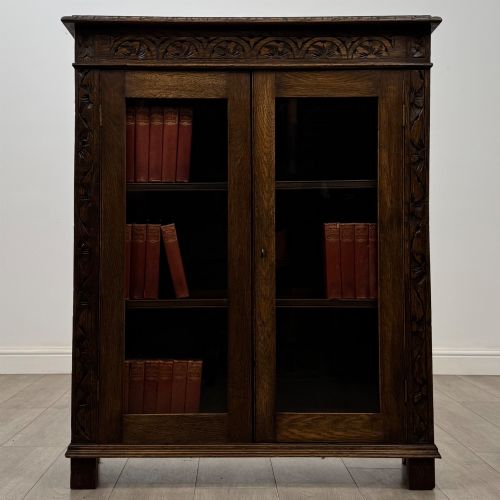
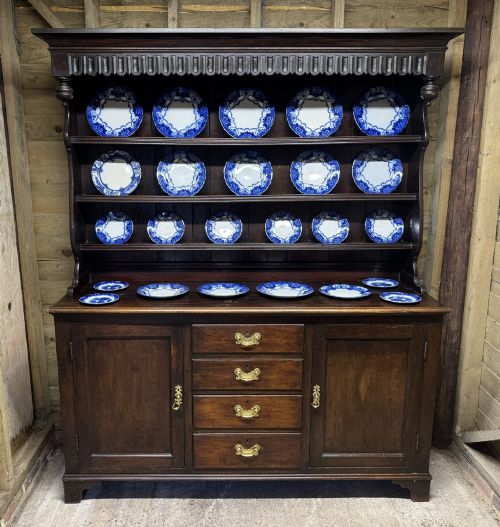
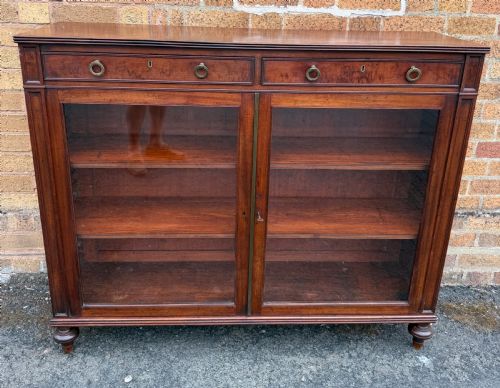
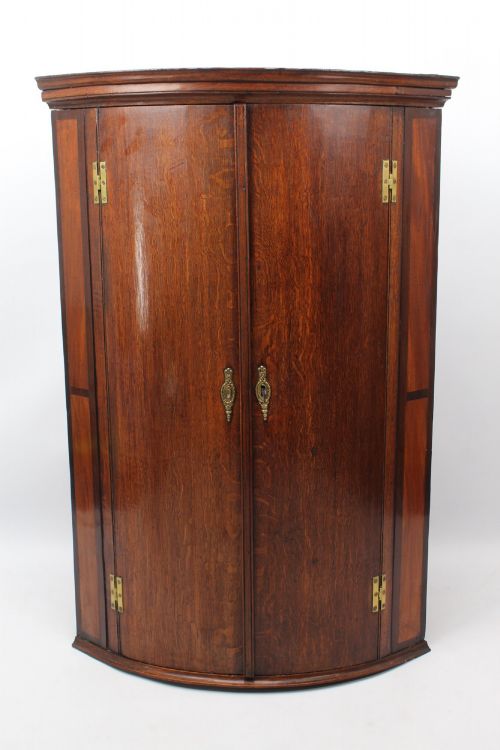
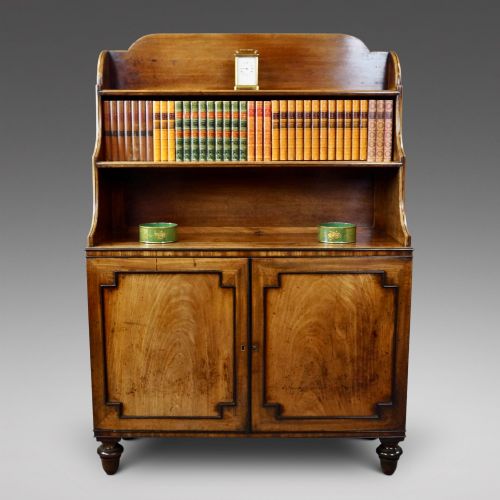
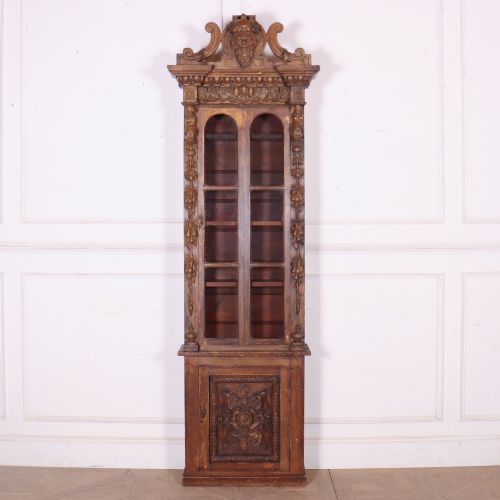
Brown Wooden Display Cupboard
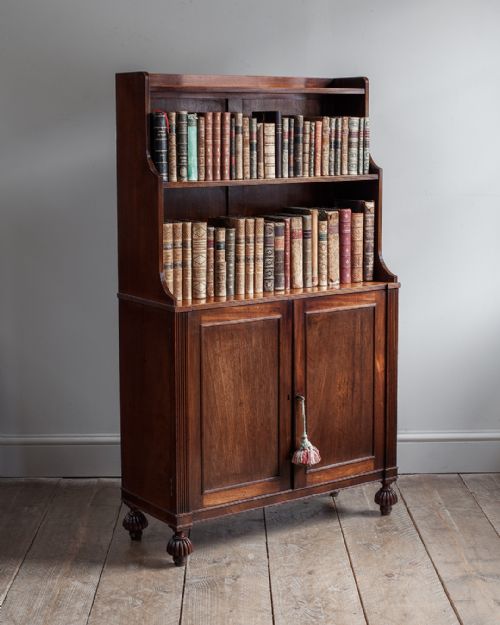
A brown wooden display cupboard brings warmth and visible order to a room, holding books, ceramics or collections behind glass or open shelves.
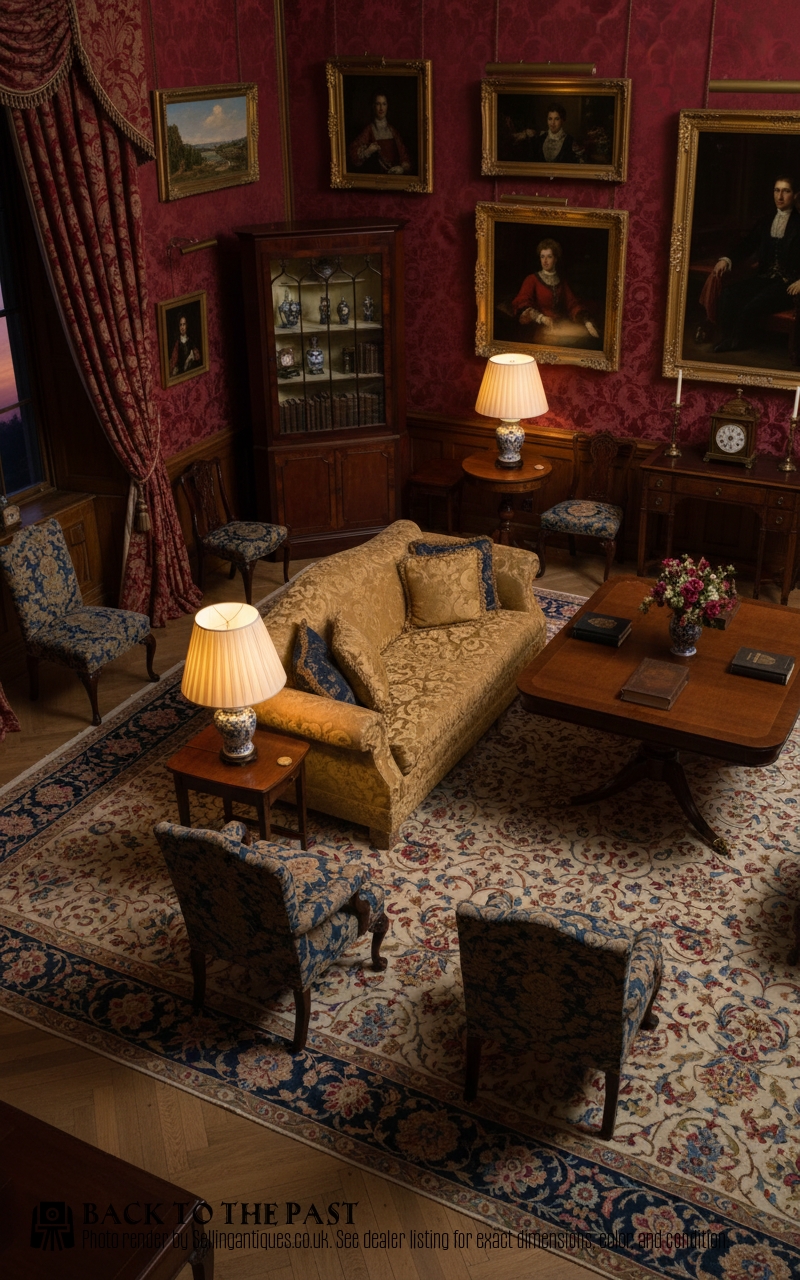
Brown Wooden Display Cupboard
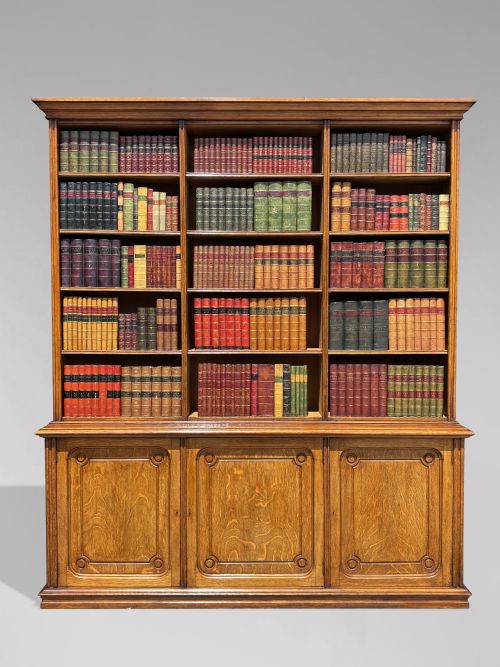
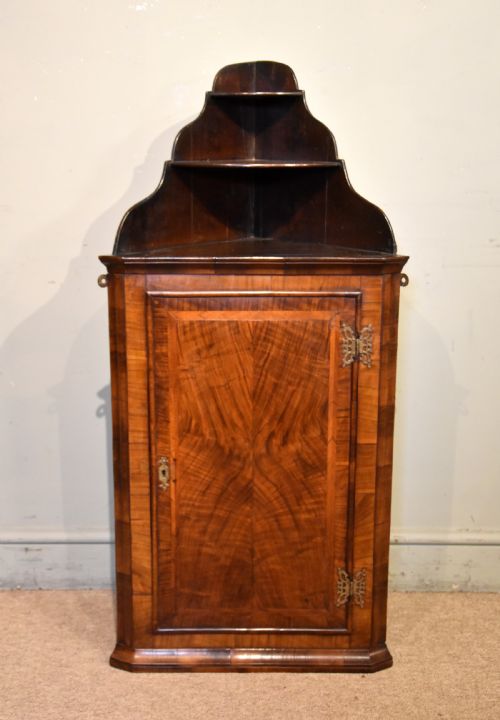
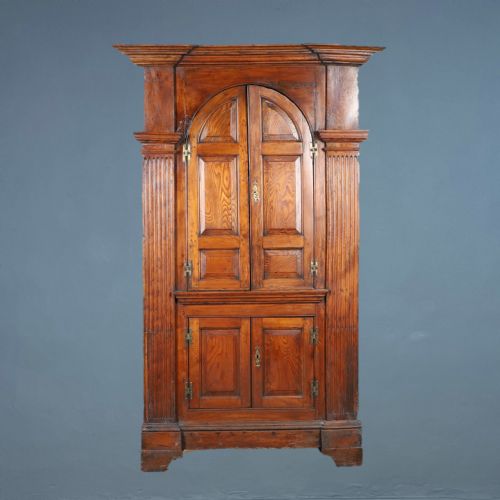
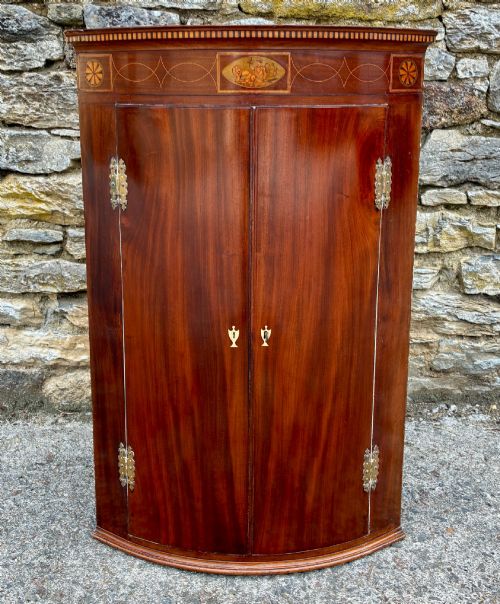
A brown wooden display cupboard groups several forms together, from tall bookcases and breakfront cabinets to corner cupboards, dressers and wall-mounted shelves. When you search for a brown wooden display cupboard, you encounter pieces designed to store and exhibit prized possessions while adding architectural presence to a room.
The selections span the eighteenth, nineteenth and early twentieth centuries, reflecting changing domestic habits across the Georgian, Regency, Victorian and Edwardian eras. Pieces originate from diverse regional traditions, including English country workshops, Welsh kitchens, French provincial studios and Italian rooms.
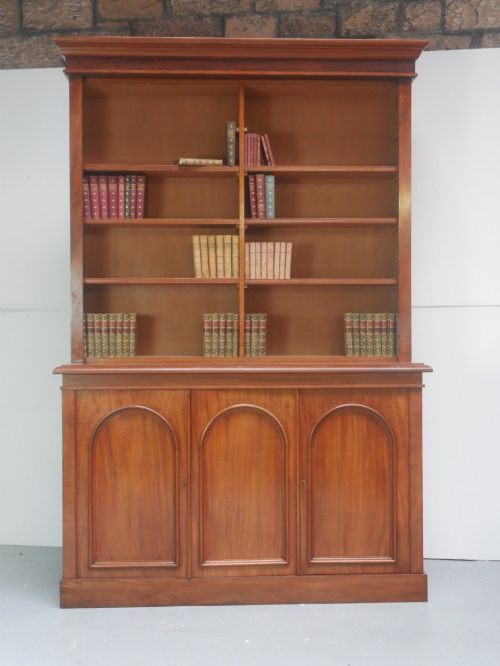
Tall freestanding bookcases, floor-standing corner cabinets and compact wall cupboards dominate the available forms. Many incorporate glazed doors to protect contents from dust while maintaining visibility, whilst others present open shelves or enclosed lower cupboards for heavier storage.
Materials and construction methods
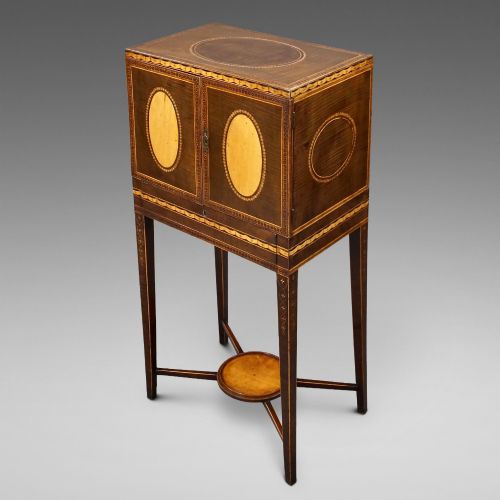
Cabinet makers built these pieces using durable timbers such as mahogany, oak, walnut and pine, often selecting figured grains for prominent surfaces. Inlaid details in satinwood, boxwood and harewood added linear contrast, while brass hardware secured doors and drawers.
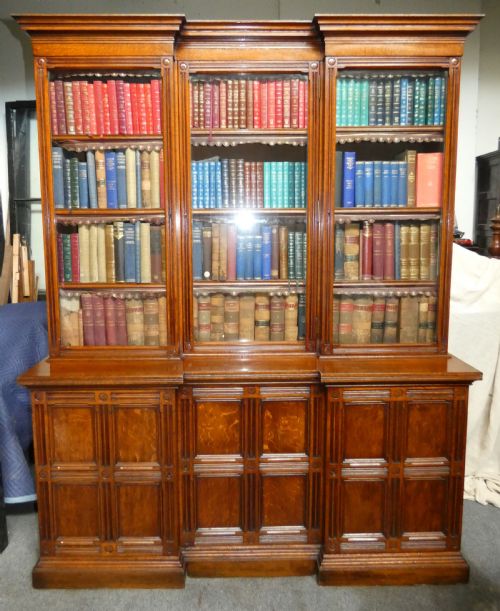
Glass panels were fitted into glazed doors to allow light inside, supported by timber framing. Structural integrity relied on traditional joinery, sturdy shelving and fitted cornices, with carcase construction varying from single-section floor units to two-part cabinets.
Assessing quality and craftsmanship
Quality shows in the selection of timber veneers and solid boards, where rich grain patterns and careful matching elevate a simple cabinet into a sophisticated focal point. Finer examples display meticulous inlay work, crisply carved mouldings and well-balanced proportions that suit the architectural scale of a period interior.
The Brown Wooden Display Cupboard Glossary
- Bow front
- A convex curved cabinet front that projects outward in a smooth arc. This shape softens the corners of a room and adds visual movement.
- Breakfront
- A large cabinet design where the central section extends forward from the flanking wings. It creates a bold architectural rhythm across the façade.
- Cornice
- The decorative moulded projection running along the top of a cabinet. It finishes the upper edge and caps the vertical proportions.
- Glazed door
- A timber-framed door fitted with glass panels to display contents safely. These doors keep dust away while allowing books or porcelain to remain visible.
- Stands
- Separate supporting bases or legs that elevate a cabinet or chest above the floor. They lighten the overall mass of the furniture piece.
Brown Wooden Display Cupboard: Frequently Asked Questions
How do I clean wooden display cupboards?
Dust timber surfaces regularly with a soft, dry cloth to prevent dirt accumulation. Avoid harsh chemical sprays that can strip historic polishes.
Condition the wood periodically using traditional beeswax to nourish the grain and maintain a natural sheen. Clean glass panels gently with a mild glass cleaner applied to a cloth rather than directly onto the surface.
Where should I place a corner cupboard?
Corner cupboards are designed to fit neatly into ninety-degree room junctions, making efficient use of awkward spaces. They work well in dining rooms, living spaces or hallways without obstructing walkways.
Ensure the surrounding floor space allows the door to swing open fully. Placing them away from direct heat sources protects the timber from drying out.
What is the difference between a bookcase and a display cabinet?
Bookcases typically feature open shelves designed primarily for holding collections of books. They focus on accessibility and linear organisation.
Display cabinets generally incorporate glazed doors or dedicated exhibition space intended for fragile ceramics and decorative objects. Both forms share similar cabinet-making techniques across different historical periods.