

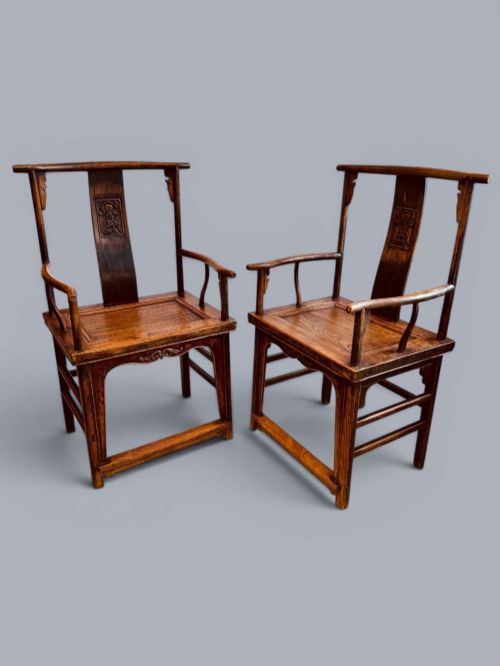
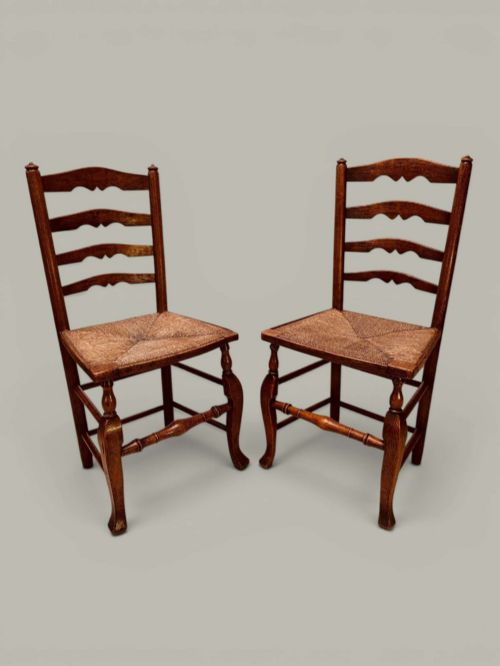
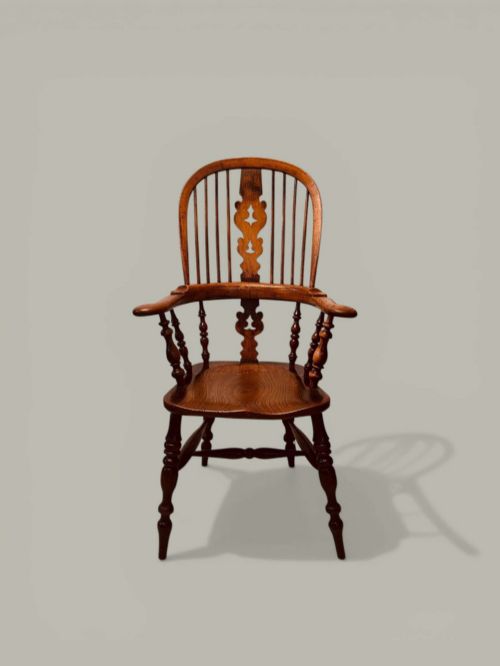
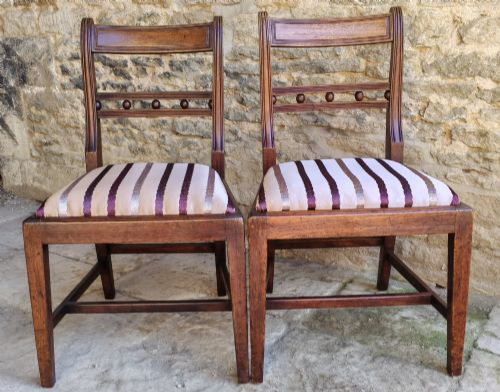
Brown Wooden Dining Chair
These brown wooden dining chair pieces are solid timber seats from the Georgian and nineteenth-century periods, prized for their traditional craftsmanship and durable domestic utility.
Brown Wooden Dining Chair
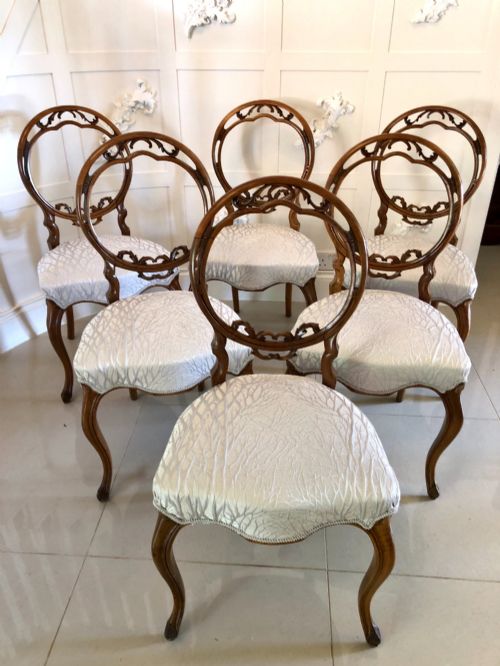
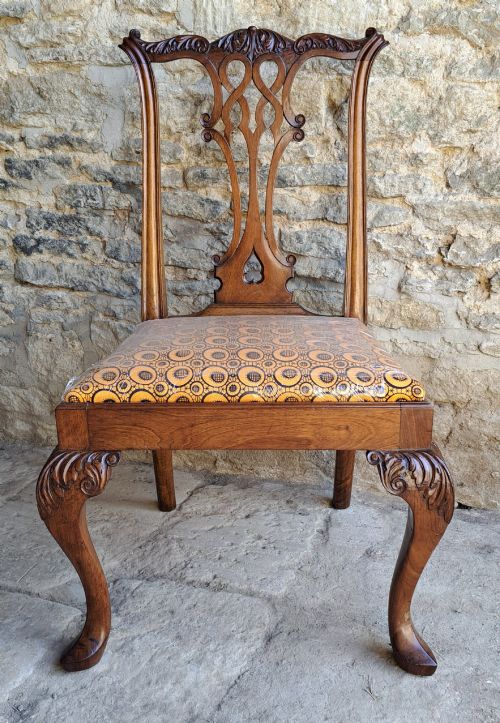
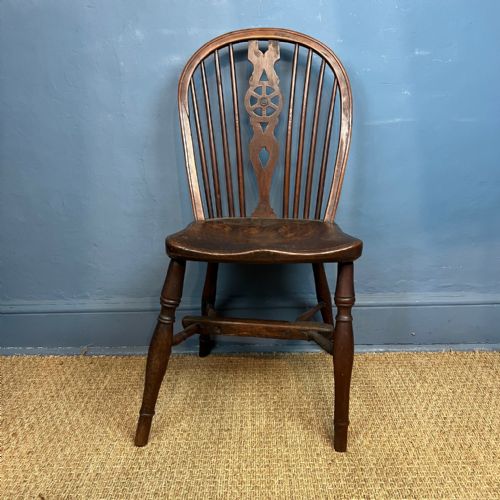
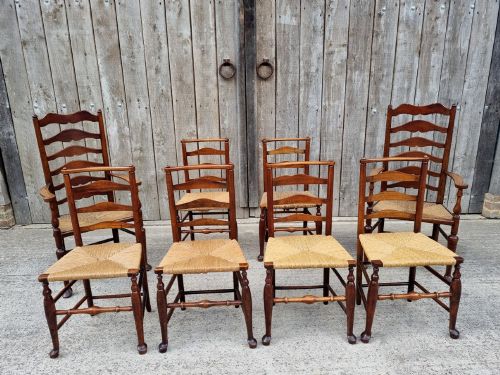
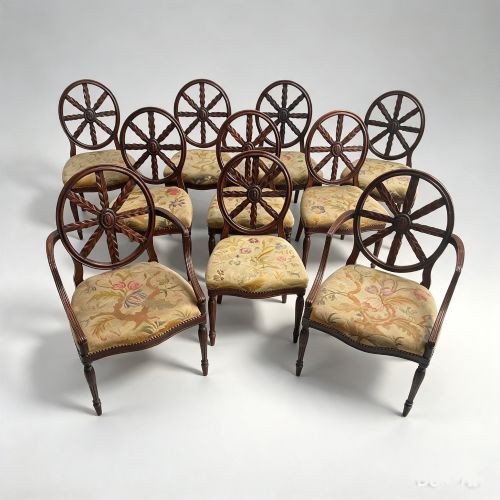
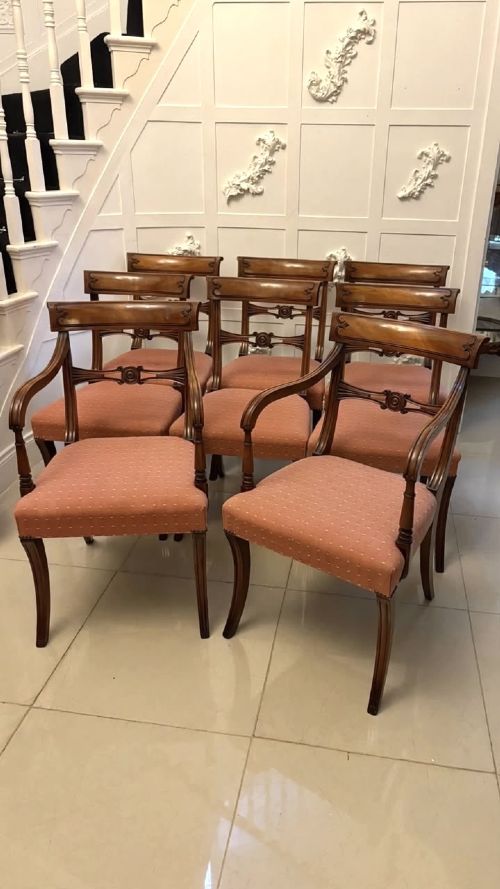
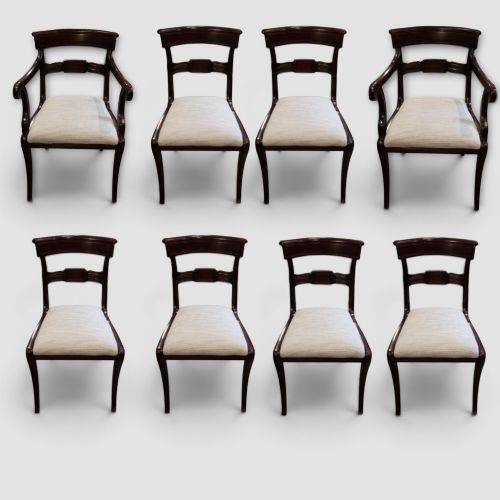
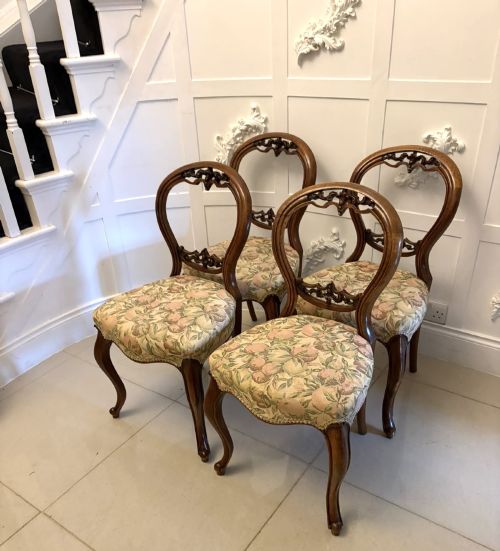
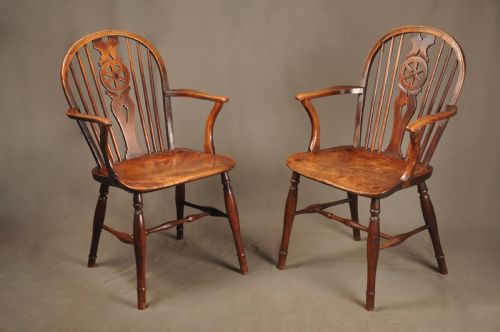
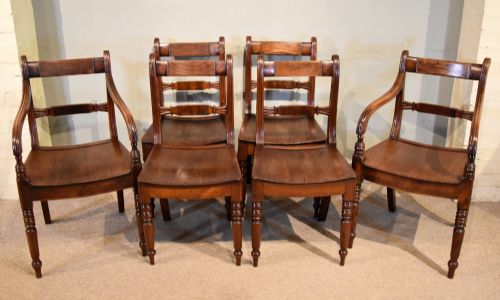
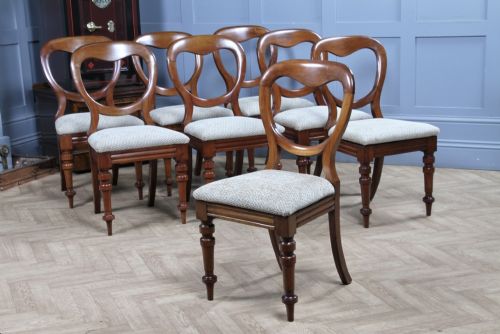
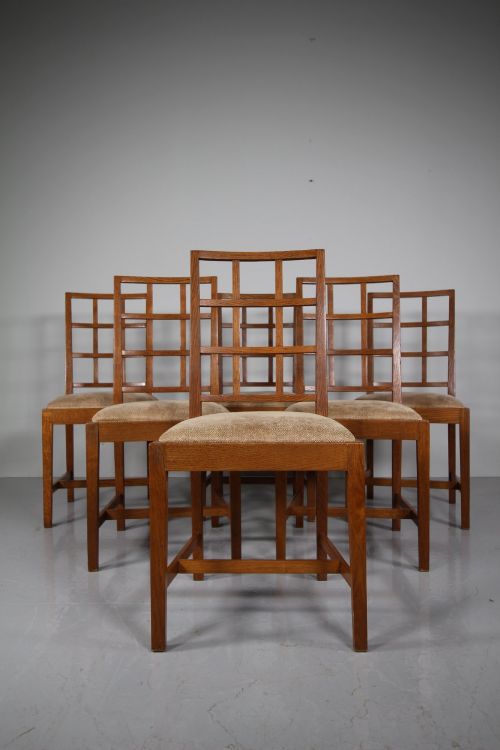
When you search for a brown wooden dining chair, you encounter a selection of nineteenth-century and Georgian dining chairs and side chairs. The inventory includes country kitchen Windsor chairs, wheelback chairs, and formal side chairs intended for period interiors.
The most common forms you meet are country-style seating alongside refined mahogany frames. Materials recorded across these listings encompass mahogany, elm, beech, oak, ash, fabric, and rush, representing both formal urban workshops and rural English country traditions.
Stylistic variations range from classic Georgian design and English Country vernacular to Gothic Revival interpretations. These pieces function reliably around a dining table while offering historical character derived from their nineteenth-century origins.
How they were made
The construction of a brown wooden dining chair relies on traditional joinery utilising timbers such as mahogany, elm, beech, oak, and ash. Cabinetmakers and rural joiners selected these woods for their structural integrity and grain patterns.
Seating surfaces incorporate woven rush or upholstered fabric inserts fixed to timber frames. Turned spindles, steam-bent components, and carved details such as Gothic Revival motifs define the structural execution recorded in the evidence.
Brown Wooden Dining Chair Retail Price Guide 2026
Typical asking prices for brown wooden dining chair among the pieces listed under this phrase on Sellingantiques today, from the lower quarter to the upper quarter. They describe what is for sale here now, not the wider market.
Early nineteenth-century country makers turned humble elm and ash into enduring seating without ever needing a single electrical tool.
What varies in quality
Quality across a brown wooden dining chair depends on the refinement of the timber selection and the complexity of the joinery. Finely figured mahogany with precise carving represents the upper end of the range, contrasting with simpler utilitarian country timbers.
The integrity of the structural frame, whether a turned Windsor construction or a formal side chair, dictates the long-term durability. Original surface patination and the retention of early rush or fabric elements further distinguish superior examples.
The Brown Wooden Dining Chair Glossary
- Georgian
- A design period spanning the eighteenth and early nineteenth centuries, characterised by classical proportions and fine cabinetmaking. Pieces from this era often utilise mahogany.
- Windsor
- A traditional chair construction featuring a solid wooden seat into which the legs and back spindles are wedged directly. Country versions frequently employ elm, ash, and beech.
- Wheelback
- A nineteenth-century vernacular chair design incorporating a pierced splat shaped like the wheel of a cart. This style is typical of English country seating.
- Gothick
- An eighteenth and nineteenth-century revival style employing pointed arch motifs and tracery within furniture design. It appears on formal mahogany seating.
- Rush
- A marsh plant twisted into cords and used for bottoming traditional seating. It provides a durable, textured surface for country chairs.
Brown Wooden Dining Chair: Frequently Asked Questions
What woods are used?
The listings show pieces constructed from mahogany, elm, beech, oak, and ash. Different timbers reflect whether a piece originated in a formal urban workshop or a rural vernacular setting.
Cabinetmakers matched the wood choice to the furniture style, using dense hardwoods for formal Georgian seating and resilient timbers for country kitchen chairs.
Are these chairs comfortable?
Dining chairs from the Georgian and nineteenth-century periods were designed for upright posture during formal meals. Many incorporate contoured wooden seats, woven rush, or padded fabric.
Country Windsor and wheelback variants offer ergonomic shaped seats that provide support during extended periods of sitting.
How do I identify periods?
Dating relies on stylistic markers such as classical Georgian proportions, Gothic Revival tracery, or nineteenth-century wheelback splats. Timber choice also offers clues to the era of manufacture.
Examining the construction methods and joinery helps distinguish eighteenth-century pieces from later nineteenth-century country equivalents.
How should I clean them?
Maintenance involves dusting timber surfaces with a dry cloth and avoiding harsh modern chemical polishes. Preserving the historic finish protects the wood grain.
Chairs with rush or fabric elements require gentle care appropriate for natural textiles and woven organic materials.