



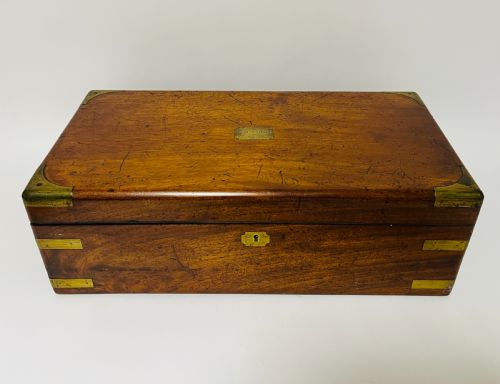
Brown Wooden Desk Slope
A brown wooden desk slope brings portable craftsmanship and practical writing surfaces into any modern study.
Brown Wooden Desk Slope
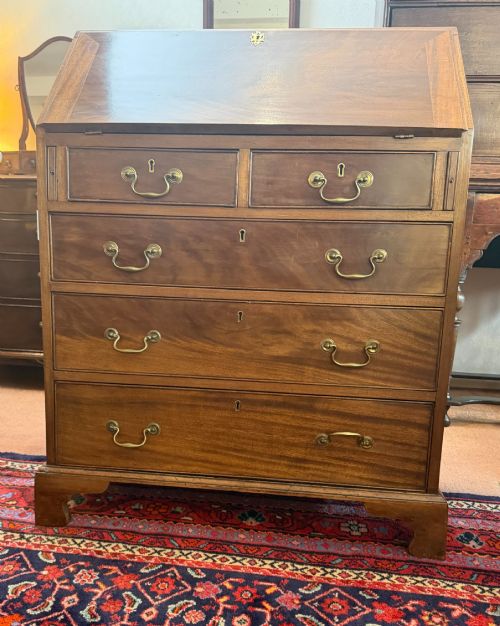
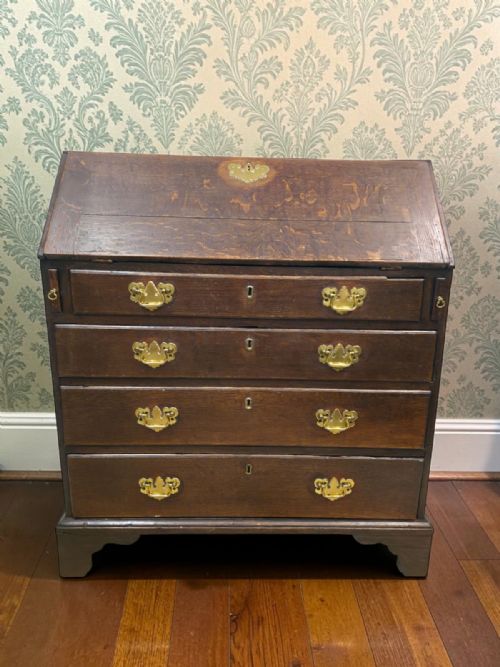
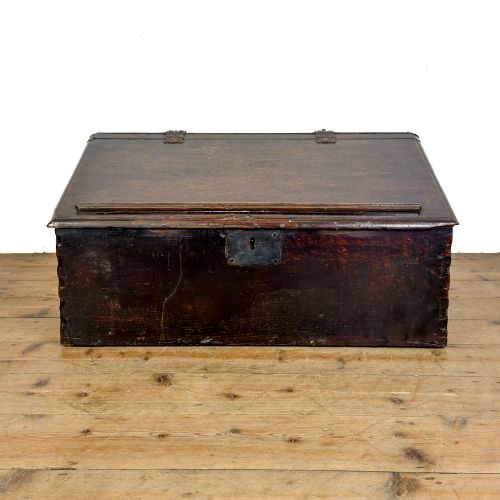
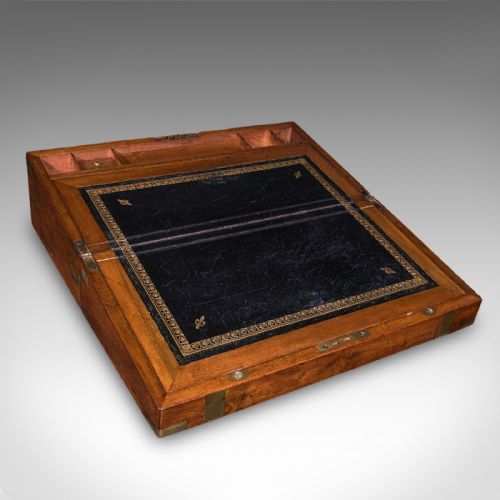
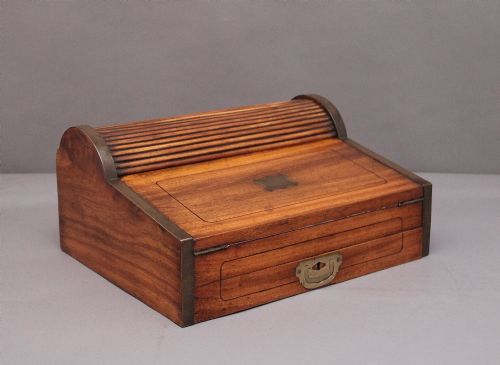
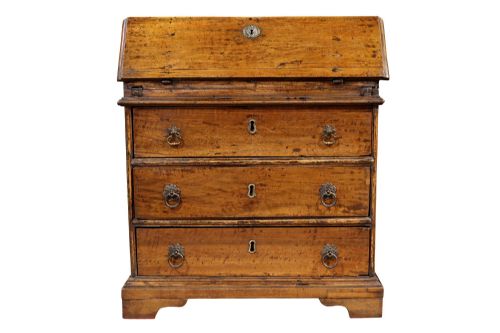
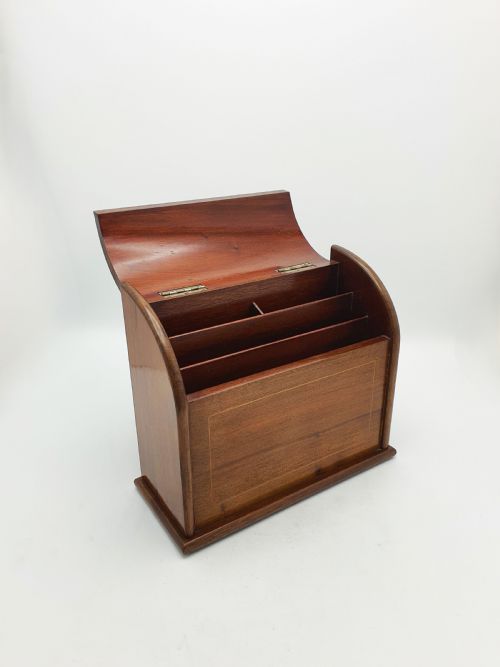
A brown wooden desk slope encompasses portable writing boxes, fall-front bureaux, and stationary boxes designed for correspondence and document storage. These pieces span the 17th century through the Edwardian era, incorporating Georgian and Victorian forms made for daily utility.
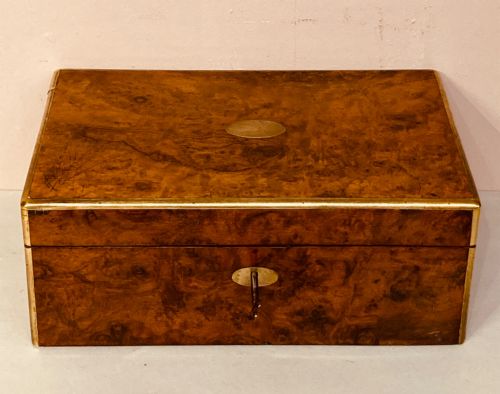
Mahogany, oak, and walnut dominate the selection, appearing alongside camphor wood, elm, and burr walnut veneers. Buyers will frequently encounter Victorian and Georgian examples ranging from simple oak desk boxes to elaborate fitted writing slopes with leather interiors.
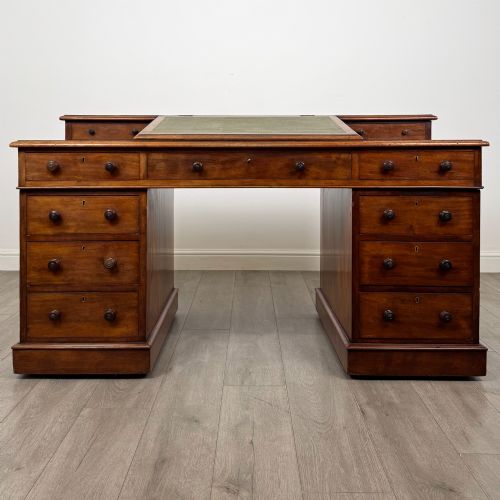
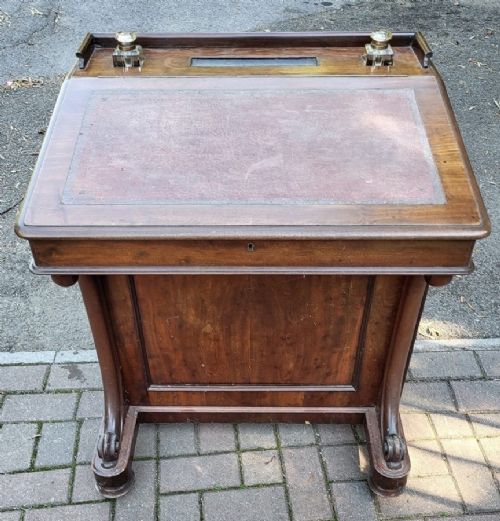
The inventory includes specialised variations such as Davenport desks, campaign slopes, and clerks desks. These objects reflect centuries of woodworking traditions rooted in practical domestic and travel requirements.
How they were made
Cabinetmakers constructed these pieces using solid timbers and decorative veneers such as mahogany, walnut, and satinwood, often accentuating the grain with polished finishes. Brass hinges, handles, and escutcheons reinforced corners and provided secure closures for travel and daily use.
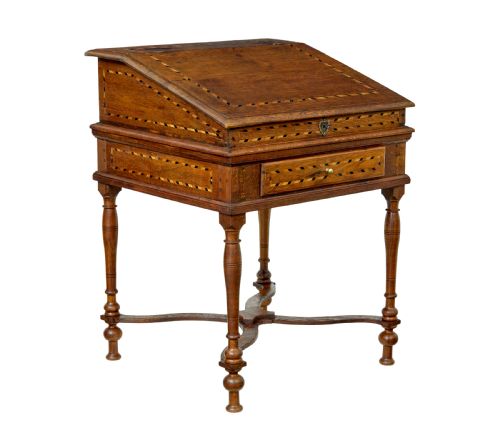
Interiors incorporated fitted compartments, secret drawers, and leather writing surfaces glued to timber panels. Specialised techniques like Tunbridge ware ornamentation, inlay, and carved detailing appeared on refined stationary boxes and desks from the Victorian and Edwardian periods.
Secret compartments hidden behind false drawer partitions guarded private correspondence and valuables in Regency writing slopes.
What varies in quality
The standard of timber selection and veneer matching defines the visual merit of each piece, distinguishing utilitarian boxes from high-status cabinet work. Finely figured burr walnut, satinwood interiors, and well-executed brass hardware indicate superior workshop production.
Complexity of internal fittings, including functioning secret compartments and intact leather surfaces, separates standard examples from exceptional ones. The integrity of the original construction and surviving keys further distinguish better pieces.
Maple And Co·Pairs MFG Co·Austin
The Brown Wooden Desk Slope Glossary
- Writing slope
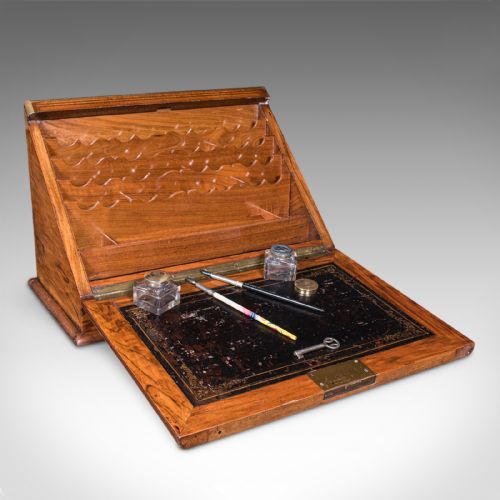
- A portable box with a hinged sloping lid designed to hold writing materials and provide an angled surface for correspondence. These pieces often feature fitted interior compartments and lockable lids.
- Bureau
- A writing cabinet featuring a fall-front flap that opens to reveal a desk surface and small drawers. Georgian and Victorian examples frequently incorporate internal pigeon holes.
- Davenport
- A compact pedestal desk with a sloped writing top, usually featuring drawers accessed from the side. This form gained popularity during the 19th century.
- Tunbridge ware
- Small wooden decorative objects adorned with intricate mosaic patterns made from tiny pieces of naturally coloured wood. This technique flourished in Kent during the Victorian era.
- Campaign slope
- A portable writing box reinforced with brass corners and straps for military travel. These items were built to withstand arduous journeys.
Brown Wooden Desk Slope: Frequently Asked Questions
What is a brown wooden desk slope?
A brown wooden desk slope is a portable or stationary writing box featuring an inclined lid designed for correspondence. These pieces evolved from simple 17th-century bible boxes into sophisticated Victorian and Georgian writing desks.
They contain internal compartments for inkwells, pens, and paper, providing a self-contained workstation for historical correspondence.
How do I date a wooden desk slope?
Dating relies on timber choices, construction methods, and hardware styles. Early pieces utilise solid oak with ironwork, while 19th-century versions frequently employ mahogany or walnut with brass inlays.
Secondary woods, dovetail construction joints, and lock types also provide clues to the manufacturing period, ranging from the Georgian era to the early 20th century.
How were writing slopes used originally?
Writing slopes provided a stable, angled surface for writing letters before the widespread adoption of fitted household desks. Portable versions allowed travellers and military officers to maintain correspondence while away from home.
Stationary boxes and bureau variants remained in fixed locations within libraries and studies to store writing implements and important documents.
How do I care for antique wood?
Antique wooden surfaces require stable humidity levels and protection from direct sunlight to prevent timber splitting and veneer lifting. Regular dusting with a dry cloth maintains the polished finish without damaging the antique patina.
Applying appropriate wax sparingly helps nourish woods like mahogany, oak, and walnut over time.