


Brown Wooden Coat Tree
A brown wooden coat tree organises your hallway with the practical charm of past centuries.
Brown Wooden Coat Tree
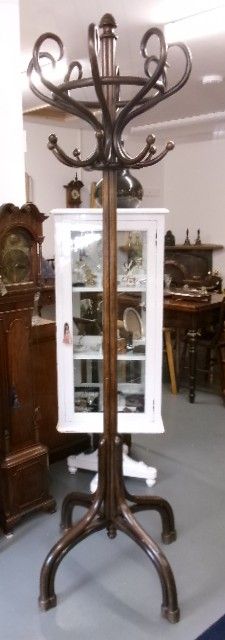
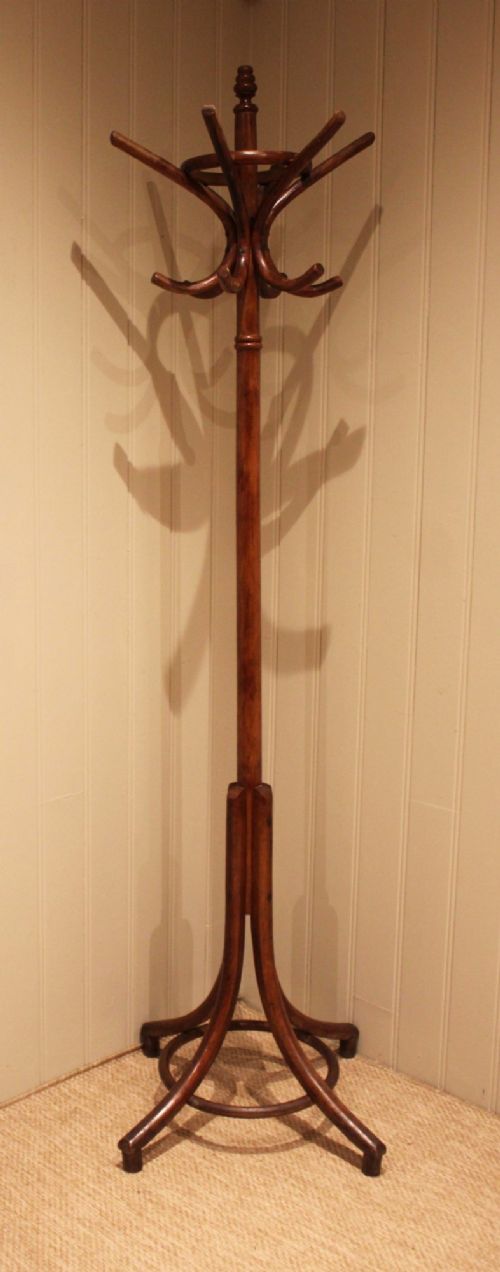
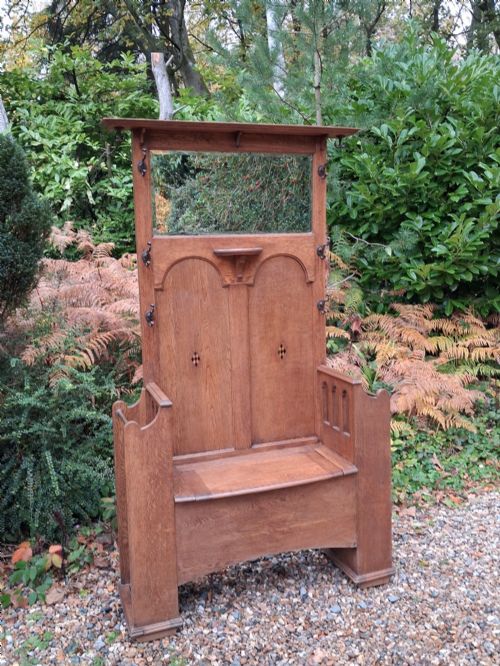
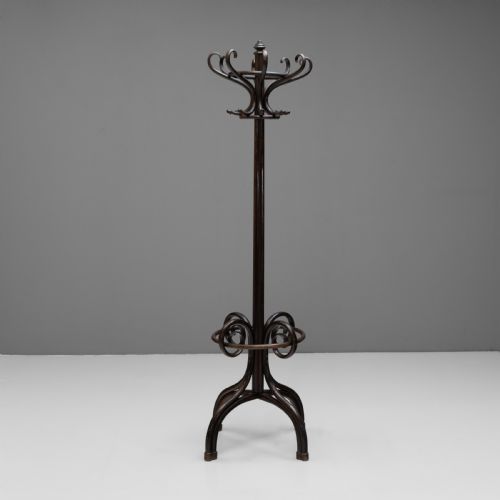
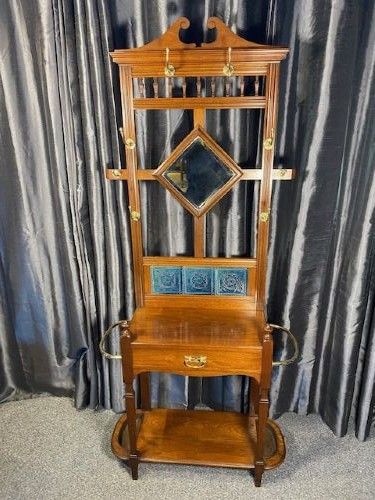
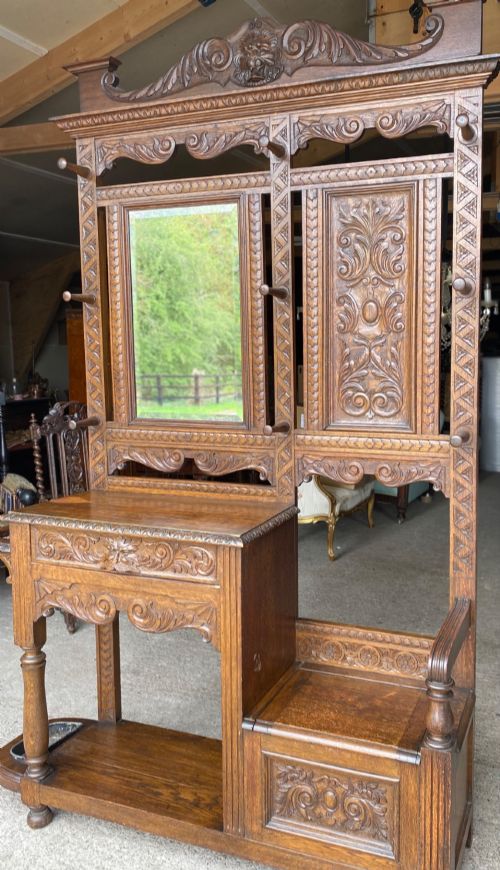
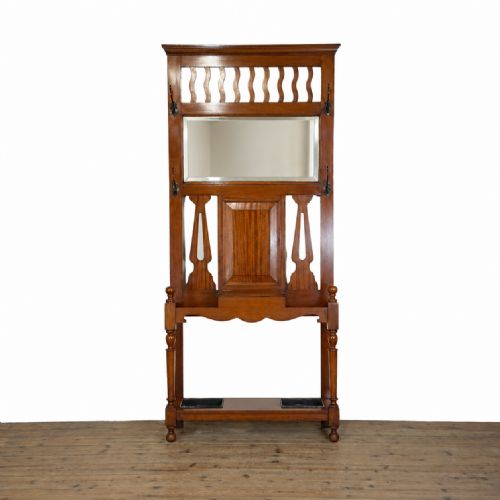
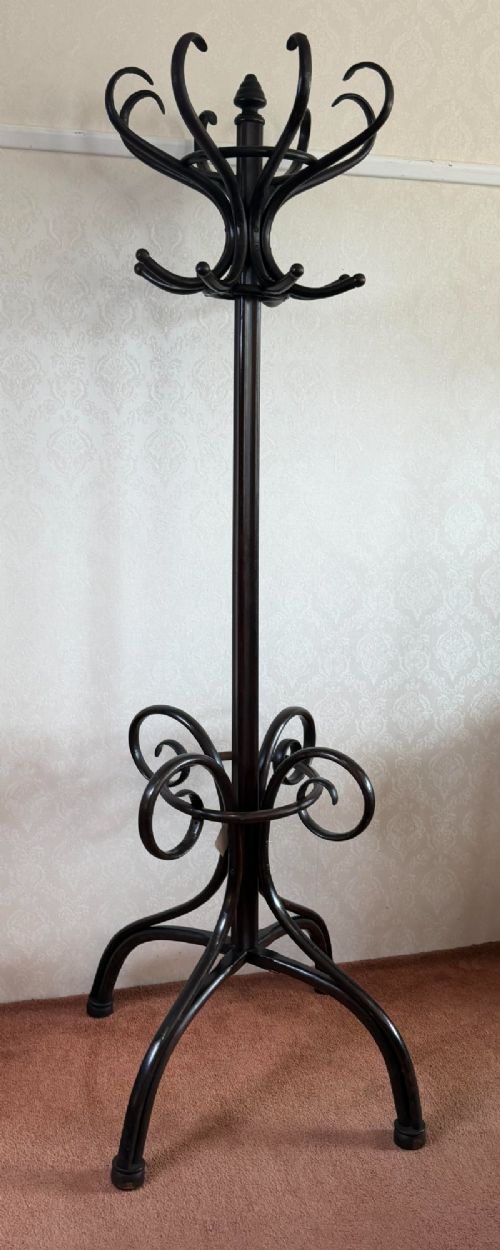
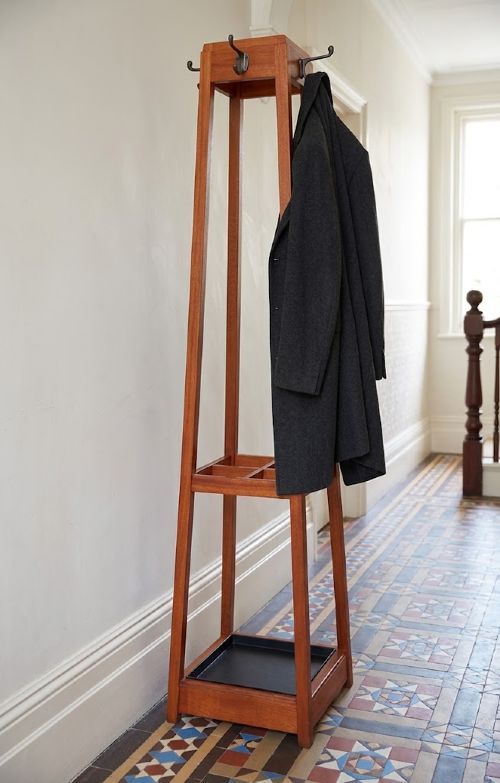
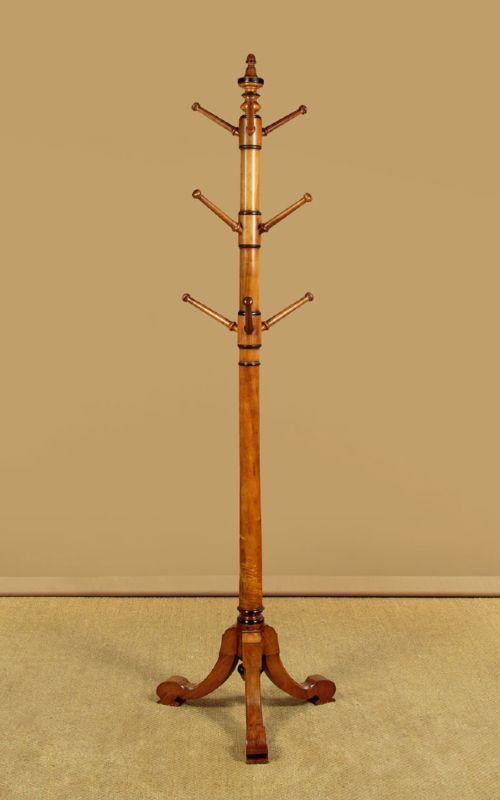
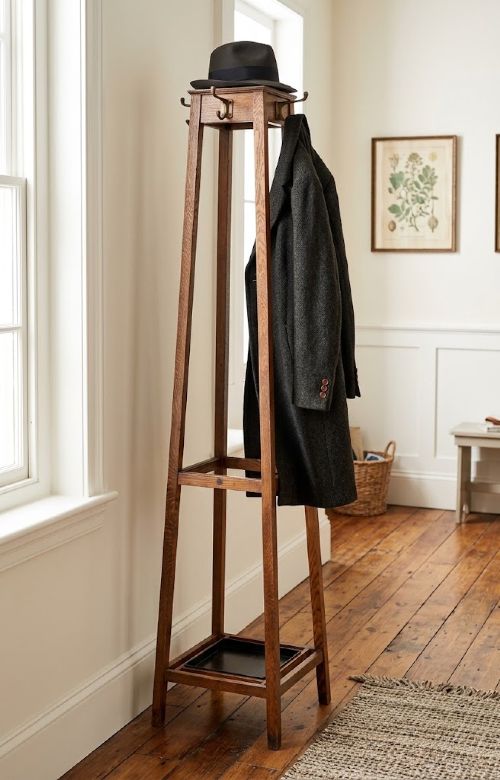
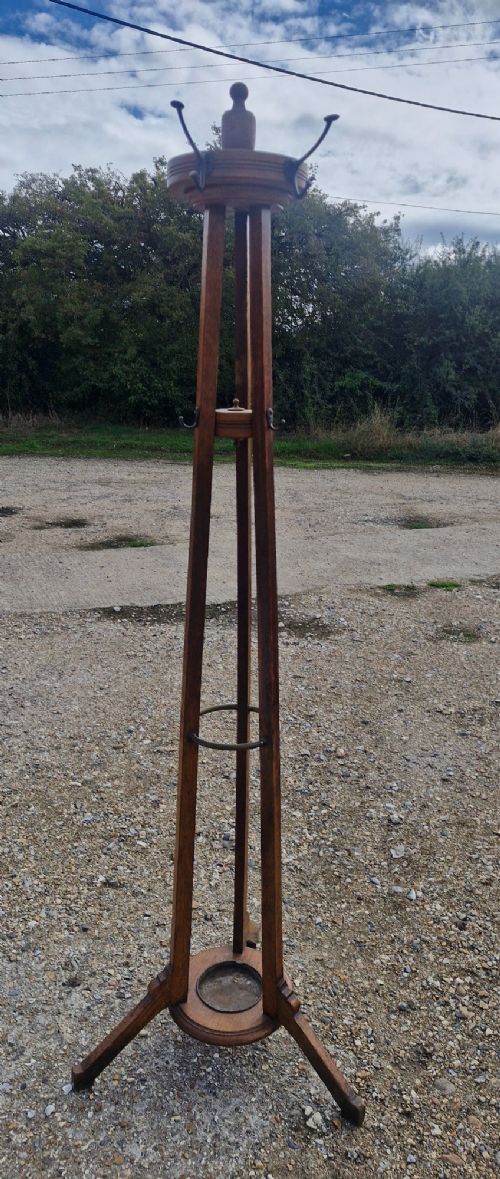
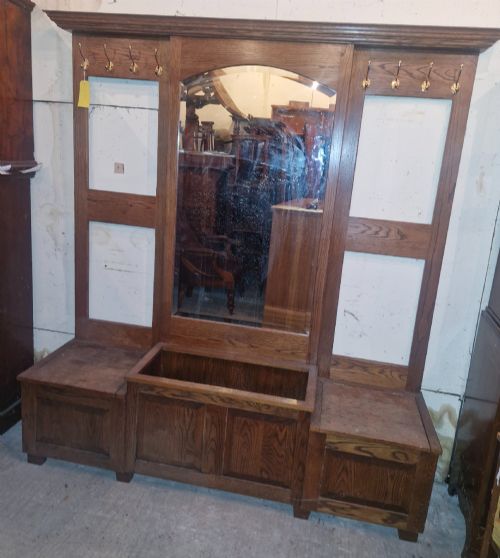
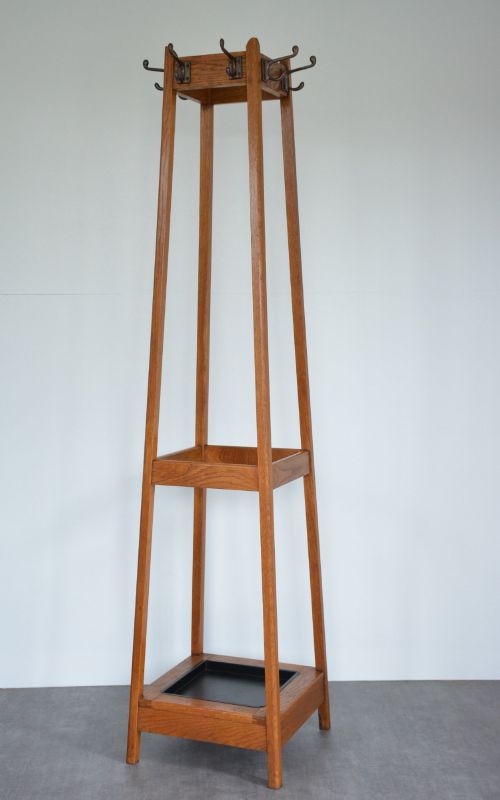
A brown wooden coat tree functions as a sturdy piece of entrance hall furniture designed to hold garments, hats and walking items. These items appear in various forms on this page, ranging from vertical bentwood poles to substantial cabinet-like hall stands.
The materials reflect the domestic preferences of the nineteenth and early twentieth centuries, with oak, walnut and beech dominating the selection. Pieces span periods from the Victorian and Edwardian eras through to the nineteen thirties.
Buyers will encounter many variations of the standard coat stand, including revolving designs and models fitted with umbrella holders and drip trays. Regional styles such as French and Austrian bentwood frequently appear alongside British oak examples.
How they were made
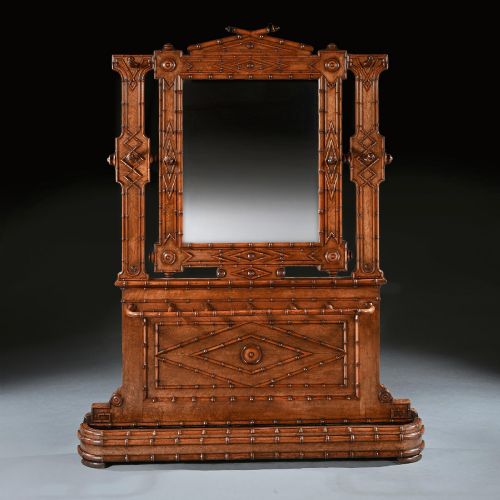
Cabinetmakers utilised solid timbers such as oak, walnut and mahogany for the heavier hall stands, often incorporating carved details and panelled backs. Turning and carving formed the structural columns and decorative finials.
Steam-bent beech became the primary method for constructing lightweight bentwood coat trees, allowing timber to curve into graceful loops for hat and coat hooks. Brass and metal hardware provided functional hooks, mirror frames and umbrella drip trays.
Brown Wooden Coat Tree Retail Price Guide 2026
Typical asking prices for brown wooden coat tree among the pieces listed under this phrase on Sellingantiques today, from the lower quarter to the upper quarter. They describe what is for sale here now, not the wider market.
Carved bears occasionally watch over your hats from the top of Black Forest hall stands.
What varies in quality
The distinction between standard utility items and finer examples rests upon the selection of timber and the ambition of the carving. Superior walnut and oak models display deeper relief carving and more complex joinery.
Bentwood quality relies on the smoothness of the steamed curves and the stability of the central shaft under weight. Heavier gauges of bentwood and integrated metal components elevate a piece above simpler production runs.
Thonet
The Brown Wooden Coat Tree Glossary
- Bentwood
- Timber shaped by exposure to steam and bent into curved structural forms. This technique produced light yet strong coat stands.
- Hall stand
- A piece of entrance furniture combining coat hooks, a mirror, and frequently a glove box or umbrella stand. Many include a bench seat.
- Hall tree
- An alternative term for a freestanding coat stand or hall stand. These items occupy minimal floor space while offering multiple hanging tiers.
- Drip tray
- A metal base insert designed to catch water from wet umbrellas. These trays protect wooden floors and the lower frame from moisture damage.
- Demi lune
- A half-moon shape used for the footprint or table surface of space-saving hall stands. This design sits flush against hallway walls.
Brown Wooden Coat Tree: Frequently Asked Questions
What is a brown wooden coat tree?
A brown wooden coat tree is a vertical piece of hallway furniture designed to hold hats, coats and umbrellas in domestic entryways.
They appear in various styles from the Victorian and Edwardian periods, utilising materials like bentwood, oak and walnut.
How do I use a hall stand?
Hall stands belong in entrance halls and boot rooms to manage daily outdoor wear such as hats, coats and walking sticks.
Models featuring integrated drip trays and umbrella holders help keep wet weather gear contained near the front door.
How do I distinguish bentwood from carved oak?
Bentwood pieces rely on steam-bent beech members to create light, curving frames with loops for hanging garments.
Carved oak or walnut hall stands utilise heavier timber construction, often incorporating panels, mirrors and storage boxes.
What periods do these coat stands come from?
The pieces listed originate primarily from the late nineteenth century through to the nineteen thirties, spanning Victorian and Edwardian eras.
Earlier examples often feature rich walnut timber, while later items include Arts and Crafts oak and various continental bentwood designs.