



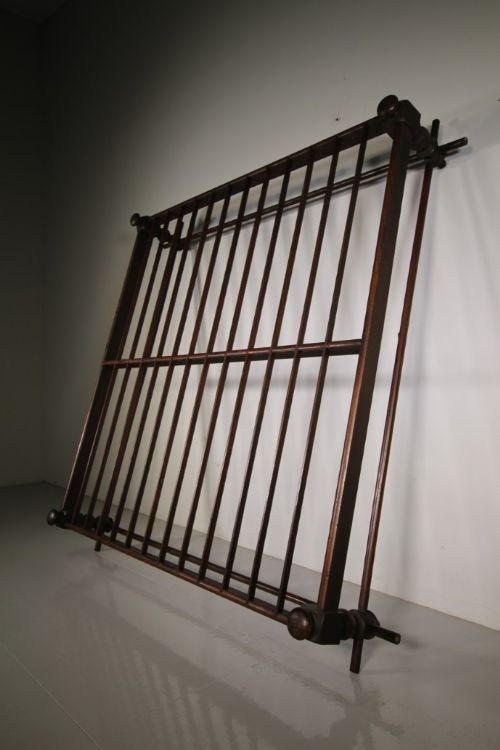


Brown Wooden Clothes Rack
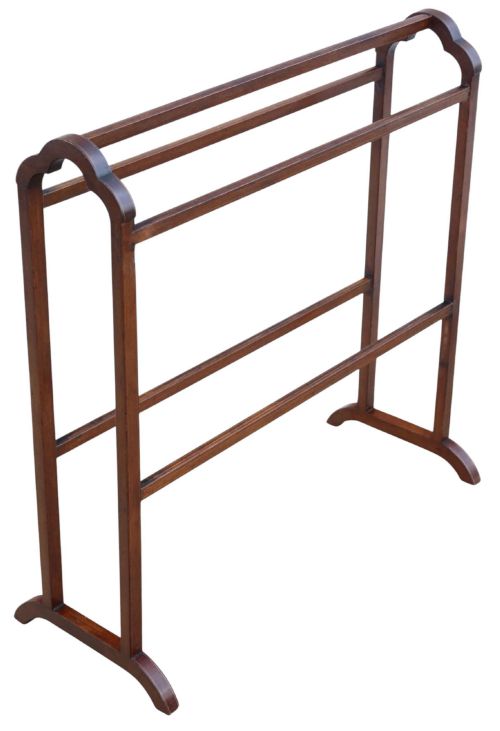
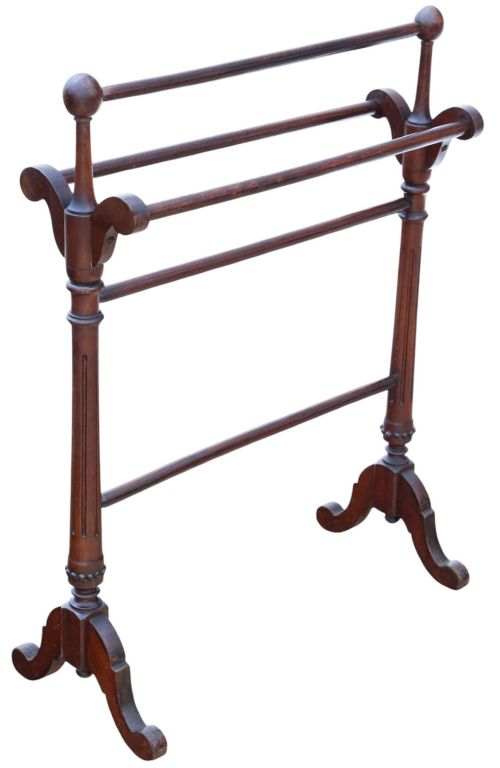
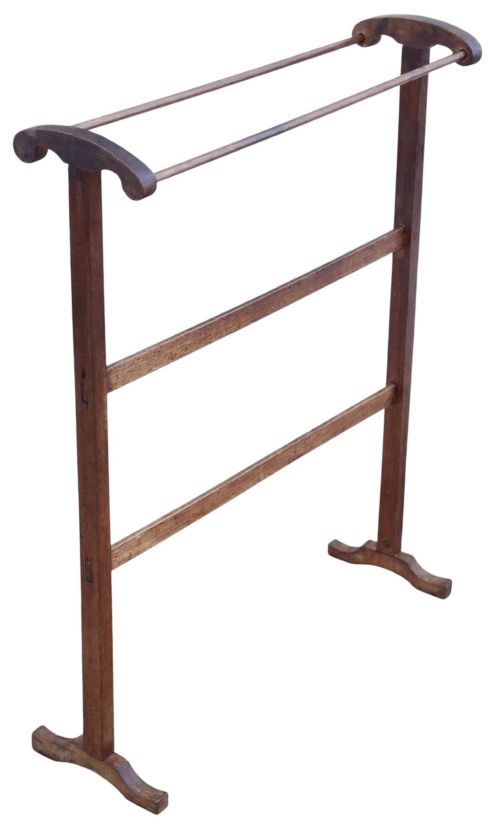
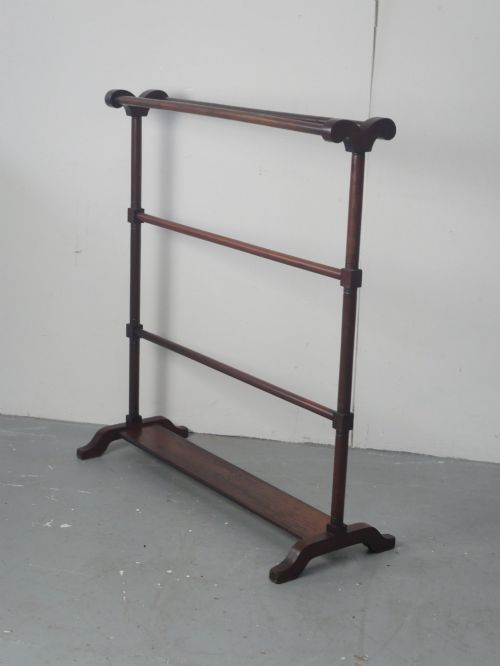
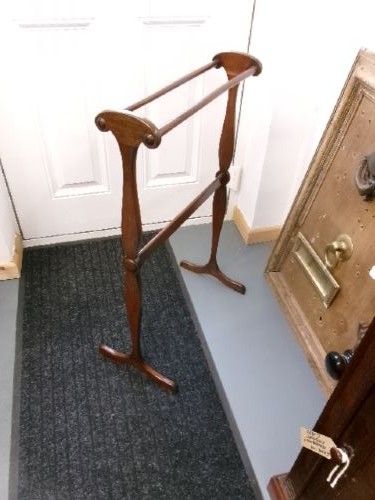
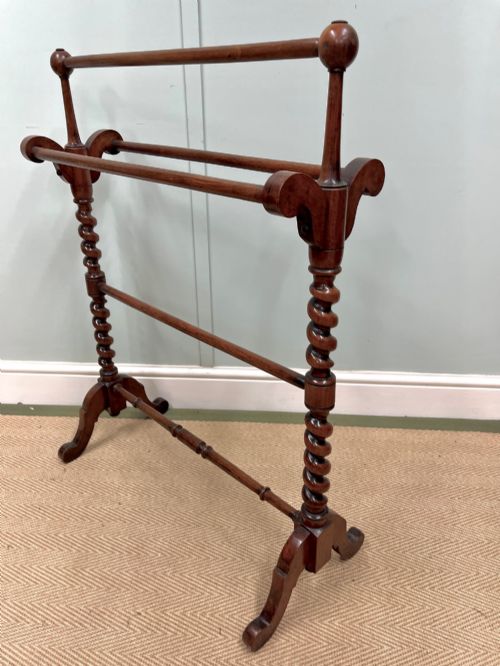
A brown wooden clothes rack offers practical utility with period charm, most often taking the form of a freestanding mahogany or oak towel rail.
Brown Wooden Clothes Rack
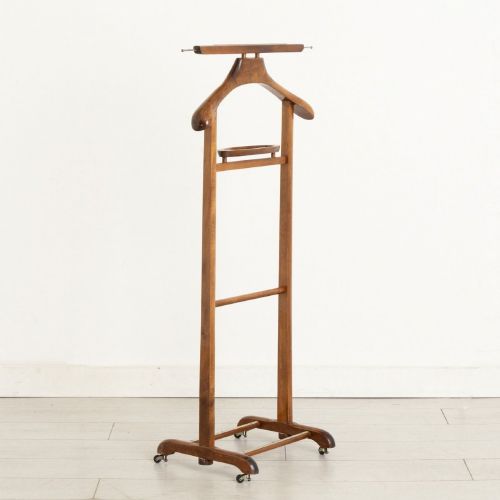
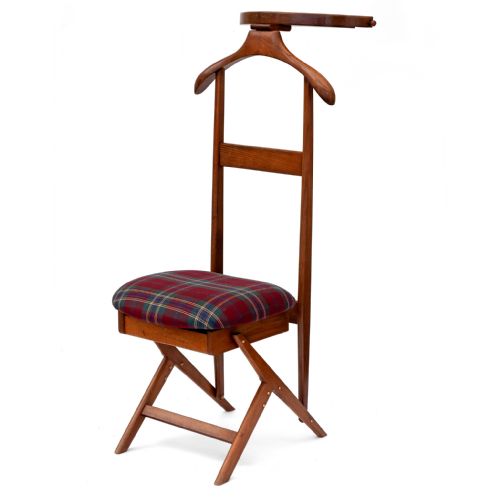
When you search for a brown wooden clothes rack, you are looking at functional Victorian and Edwardian household pieces that served bedrooms, bathrooms and kitchens. These items encompass freestanding towel rails, gentleman's valet stands and hanging kitchen racks designed for everyday domestic organisation.
The version you are most likely to meet on this page is the freestanding wooden towel rail, dating from the nineteenth century up to the early twentieth century. These rails appear in various timber configurations, including single or multi-bar designs and folding cheval formats.
Originating from periods spanning the Regency era to the Arts and Crafts movement, these pieces reflect the practical needs of past interiors. Makers utilised sturdy timbers such as mahogany, oak and beech to build items that remain robust and useful in modern homes today.
How They Were Made
Cabinetmakers constructed these pieces primarily from solid hardwoods like mahogany, oak and beech, selecting each timber for its structural strength and grain. Carpenters utilised traditional joinery techniques to ensure the frames could support damp textiles and heavy garments without warping.
Finishing touches often included contrasting satinwood inlay for decorative detail on Edwardian examples, alongside functional brass fittings and hinges. These materials were polished or waxed by hand to protect the timber and highlight the natural colour of the wood.
The listings show pieces constructed from mahogany, oak, beech, walnut and satinwood inlay, spanning the Victorian, Edwardian and Arts and Crafts periods.
What Varies in Quality
The distinction between standard utility items and finer examples rests upon the selection of timber and the complexity of construction. Superior pieces employ dense, well-figured mahogany or quarter-sawn oak with robust joints that endure decades of handling.
Decorative detailing further separates the grades, with better pieces featuring subtle satinwood inlay, turned uprights or substantial brass hardware. Simpler country house versions rely on unadorned utility and honest proportions rather than ornamental flourish.
Fratelli Rugitti
The Brown Wooden Clothes Rack Glossary
- Towel Rail
- A freestanding wooden frame with horizontal bars used for holding and drying laundry or garments. These pieces range from simple single bars to expansive multi-fold designs.
- Valet Stand
- A specialist piece of furniture designed to hold a suit, shirt and accessories overnight. They often include shaped hangers and small trays for personal items.
- Cheval
- A style of mirror or rack mounted on a freestanding frame with pivots that allow the central section to swing. This term denotes a pivoting mechanism on folding items.
- Satinwood Inlay
- Decorative woodwork where contrasting light-coloured timber is inserted into recesses in a darker surface. This technique adds linear pattern to Edwardian furniture.
- Arts and Crafts
- A design movement prioritising traditional craftsmanship and simple forms over mass-produced ornamentation. Pieces from this aesthetic emphasise honest construction and exposed materials.
Brown Wooden Clothes Rack: Frequently Asked Questions
What is a brown wooden clothes rack?
A brown wooden clothes rack typically refers to antique towel rails, valet stands and kitchen hanging racks made from timbers like mahogany and oak.
These pieces were originally built for domestic chores in Victorian and Edwardian households, serving bedrooms, dressing rooms and kitchens.
How were these racks used originally?
Households used these items to dry textiles in bedrooms, air freshly laundered clothing, or hang garments overnight on valet stands.
Kitchen hanging racks provided overhead storage for utensils and dried goods, keeping spaces organised before modern utility rooms existed.
How do I date a wooden towel rail?
Dating relies on observing timber choices, construction methods and decorative styles across different historical periods. Victorian examples often feature solid mahogany, while Edwardian versions frequently incorporate satinwood inlay.
Simpler country pieces display rustic characteristics associated with Arts and Crafts or farmhouse traditions from around nineteen hundred.
Are these racks sturdy enough for daily use?
Most antique wooden racks were built with traditional joinery from durable hardwoods like oak, beech and mahogany, making them robust for modern domestic life.
Freestanding designs can easily support contemporary clothing or towels without modification, provided the joints remain tight and stable.