

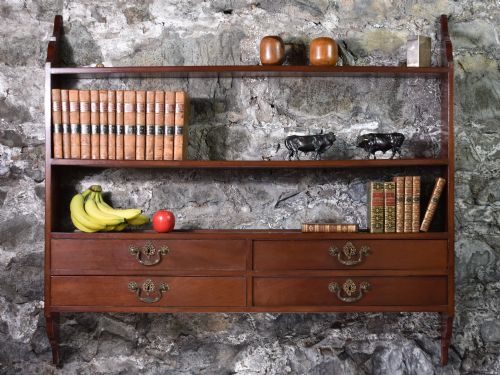
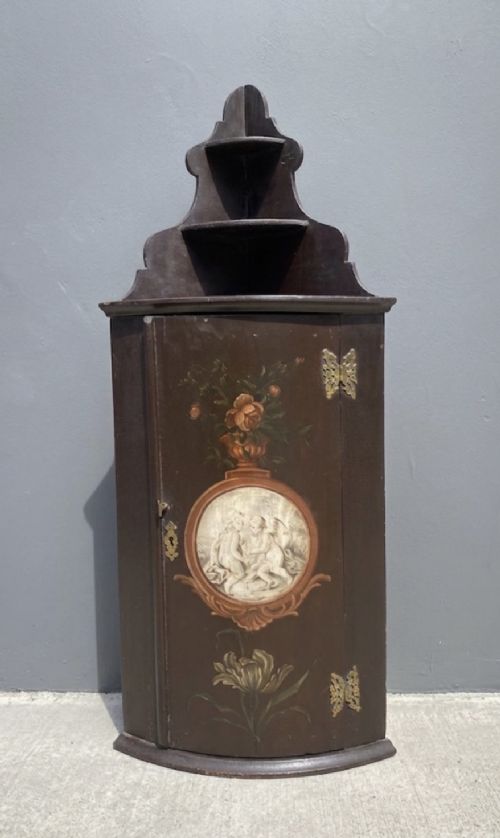


Brown Wood Wall Shelf
A brown wood wall shelf is a practical display piece that brings rich timber tones and period character directly to interior walls.
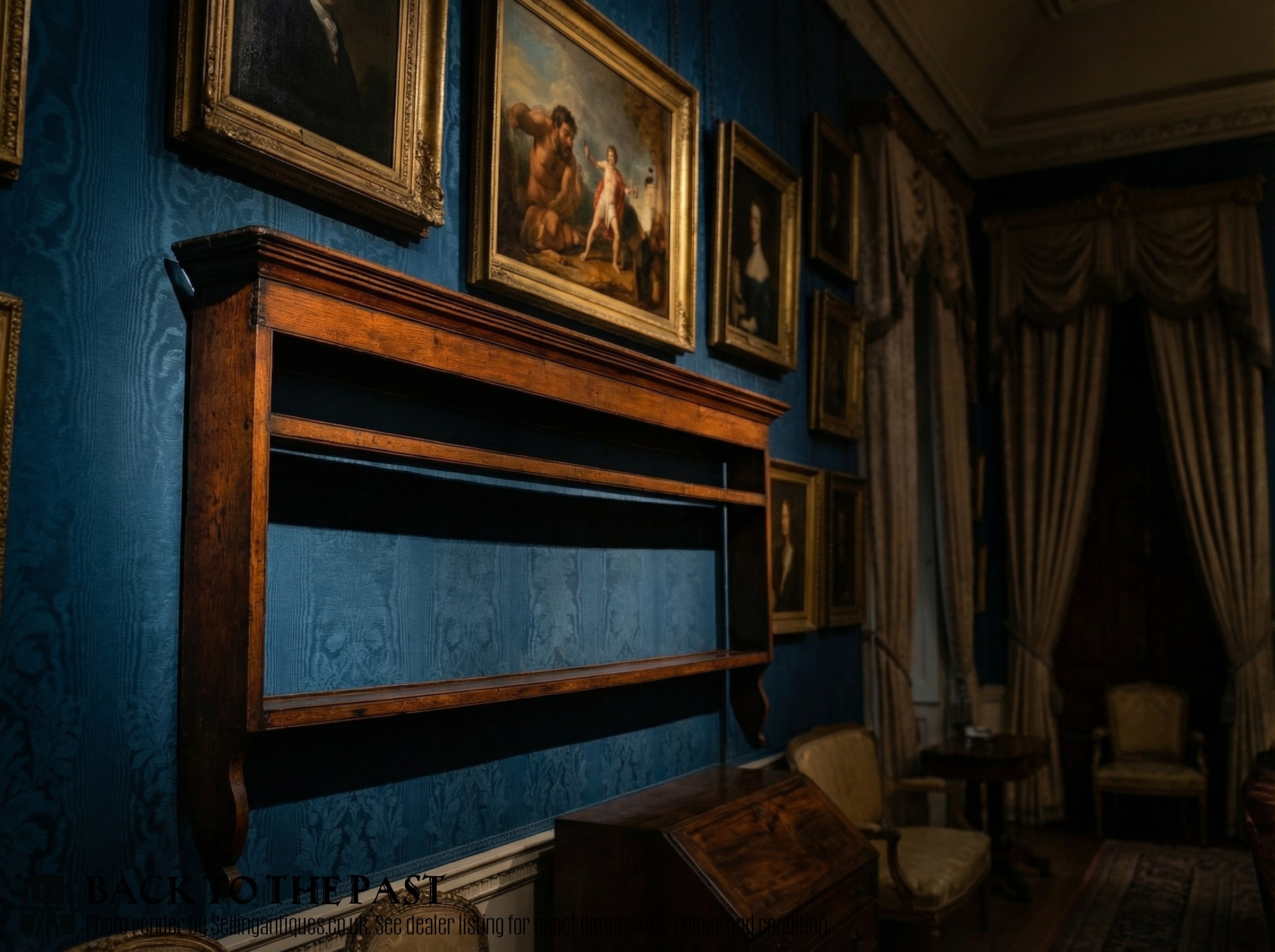
Brown Wood Wall Shelf
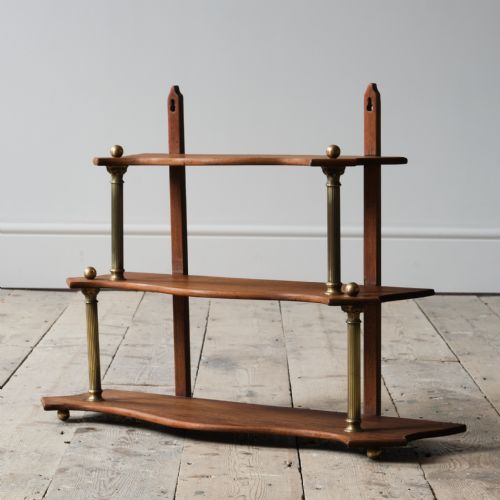
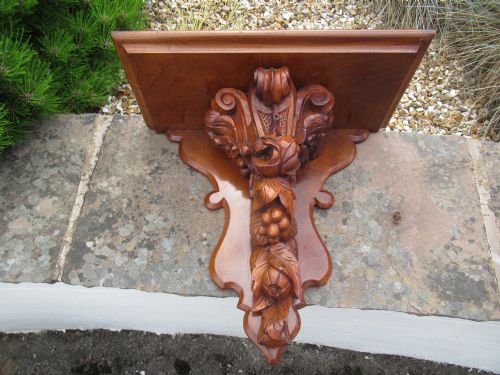
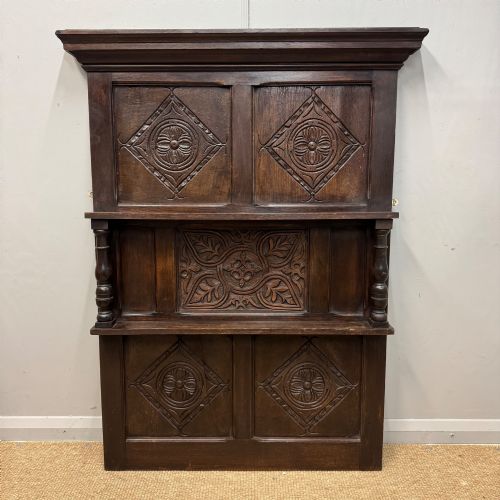
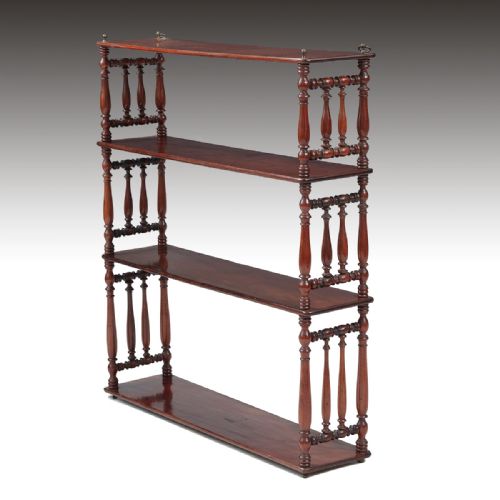
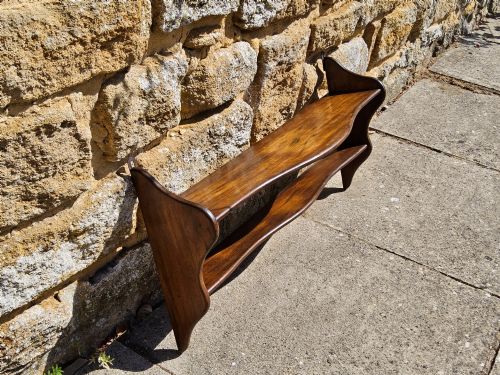
A brown wood wall shelf comprises hanging ledges, display brackets and small cabinets designed to utilise vertical space in rooms. When searching for a brown wood wall shelf, buyers encounter pieces spanning the eighteenth, nineteenth and early twentieth centuries. These range from simple oak display ledges to elaborate walnut and mahogany hanging cabinets.
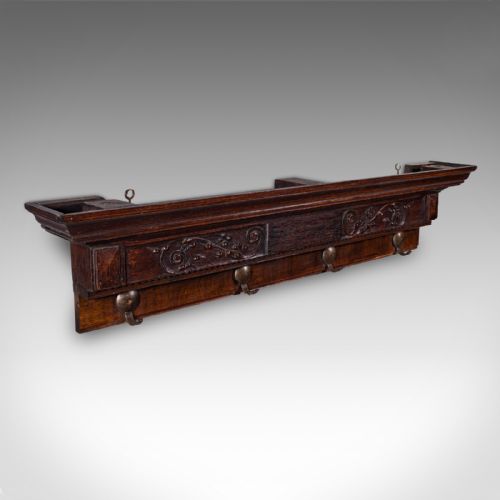
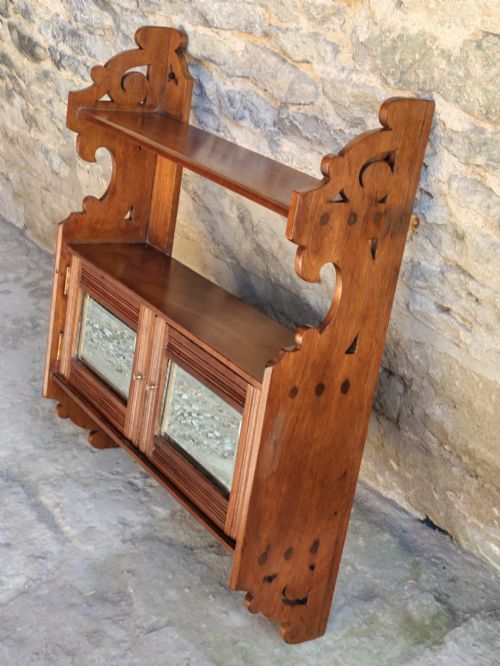
The selection includes Georgian plate racks, Victorian decorative display brackets and Edwardian combination units fitted with mirrors or coat hooks. Most examples rely on domestic timbers like oak and walnut, alongside imported hardwoods such as mahogany. Their forms vary from single flat boards to multi-tiered shelving units with carved supports.
Materials and construction methods
Carpenters constructed these wall fixtures using solid hardwoods including oak, walnut and mahogany, occasionally accented with olive wood, cherry or carved limewood. Timbers were selected for grain pattern and stability before being shaped by hand or turned on lathes. Joinery typically involved dovetail corners, mortise and tenon joints, or sturdy wooden dowels to bear the weight of displayed items.
Surface finishes applied by makers included traditional wax, shellac polishes and oil, which protected the wood while enhancing its natural colour. Metal components such as brass hanging brackets, hinges and hooks were frequently integrated to secure the shelves to walls and provide additional hanging utility.
One extraordinary late nineteenth-century piece combines deer antlers, horn and linden wood into a rugged German coat stand.
Assessing quality in period wall shelving
Quality rests upon the selection of timber and the precision of the underlying joinery rather than ornamental excess. Superior pieces demonstrate thoughtful grain matching across panels and robust structural joints that withstand wall mounting without sagging.
Detailing distinguishes finer workshop output, evident in crisp hand-carving on brackets, well-fitted cabinet doors and original brass hardware. The integrity of the timber's aged surface and the retention of original mounting points further separate standard utility items from exceptional decorative examples.
Liberty & Co·Luigi Frullini
The Brown Wood Wall Shelf Glossary
- Hanging shelves
- Open wooden ledges suspended from walls via brackets or cord, utilised for displaying books, ceramics or small ornaments.
- Bracket
- A projecting architectural support fixed to a wall, often carved with scrolls or foliage to hold a small shelf or bust.
- Overmantel
- A decorative structure positioned above a fireplace opening, frequently incorporating mirrors, small shelves or wood paneling.
- Delft rack
- A traditional wall-mounted plate rack featuring narrow shelving and plate grooves designed to display ceramic collections.
- Aesthetic Movement
- A late nineteenth-century design style focusing on visual beauty and artistic craftsmanship rather than narrative or moral function.
Brown Wood Wall Shelf: Frequently Asked Questions
What rooms suit a wooden wall shelf?
These compact fixtures suit hallways for keys and mirrors, kitchens for plates, or reception rooms for books and decorative objects.
Consider the depth of the shelf and the surrounding clearance to ensure the timber projection does not impede movement through narrow spaces.
How do I distinguish Victorian from Georgian shelves?
Georgian hanging shelves and plate racks typically exhibit restrained classical proportions, straight lines, and dense mahogany or oak construction.
Victorian examples frequently introduce heavier ornamentation, darker walnut veneers, elaborate carved brackets, and combination units that incorporate mirrors or cabinets.
Should I wax or polish antique wood?
Period wood surfaces benefit from occasional applications of natural beeswax to nourish the timber and maintain a soft, protective sheen.
Avoid modern silicone sprays or heavy liquid polishes, as these products can penetrate old finishes and attract dust to the carved details.