




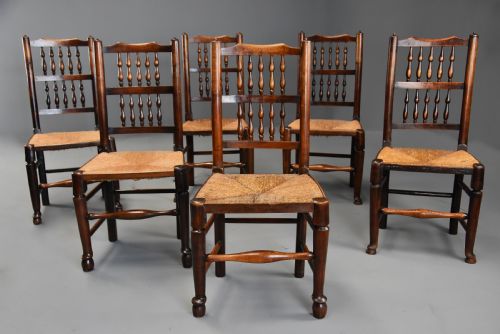
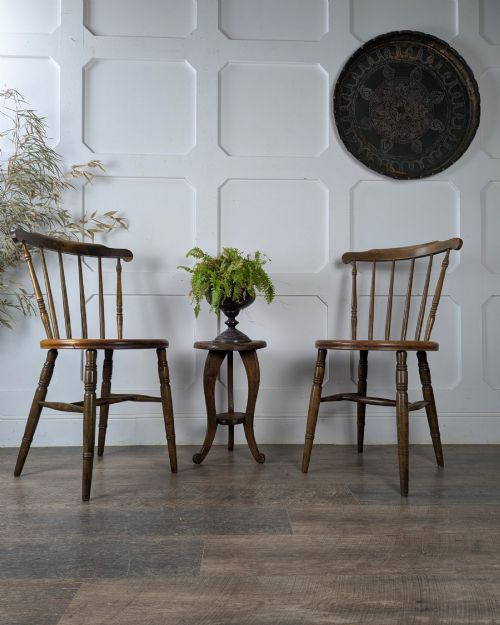
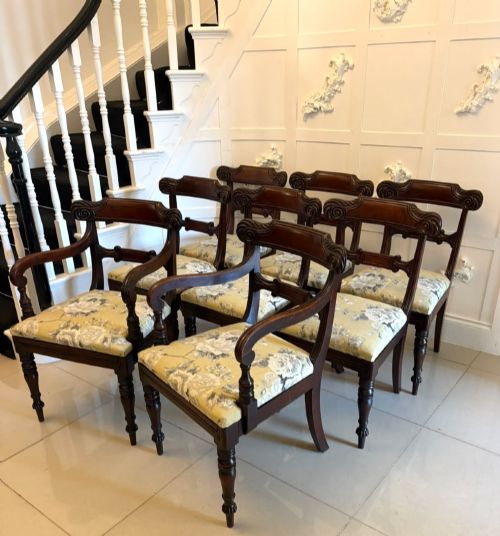
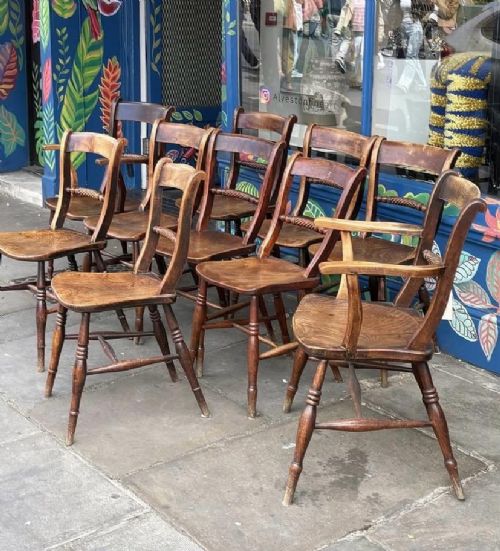
Brown Wood Turned Chair
A brown wood turned chair brings tactile warmth and rhythmic spindles to any room through centuries of traditional carpentry.
Brown Wood Turned Chair
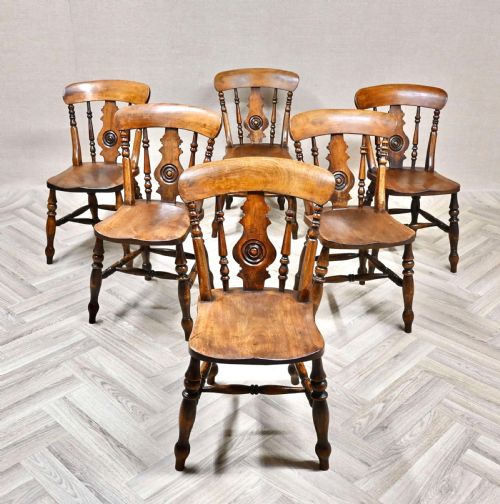
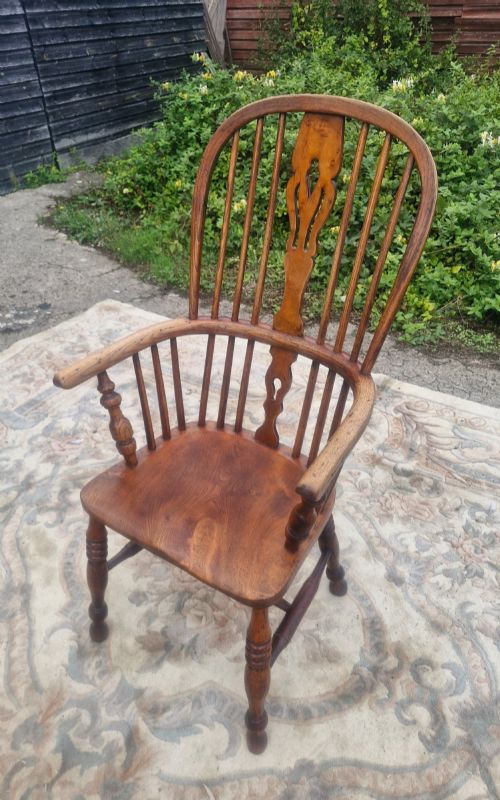
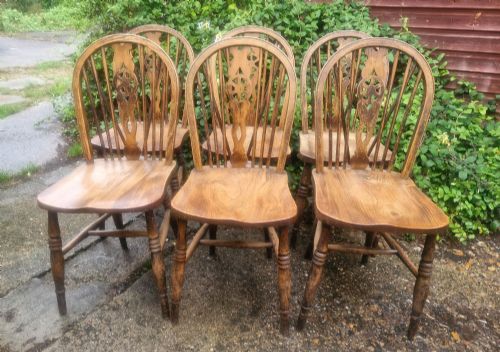
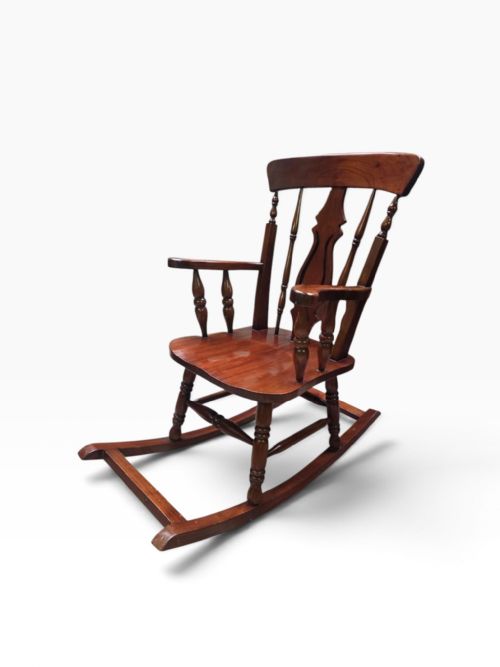
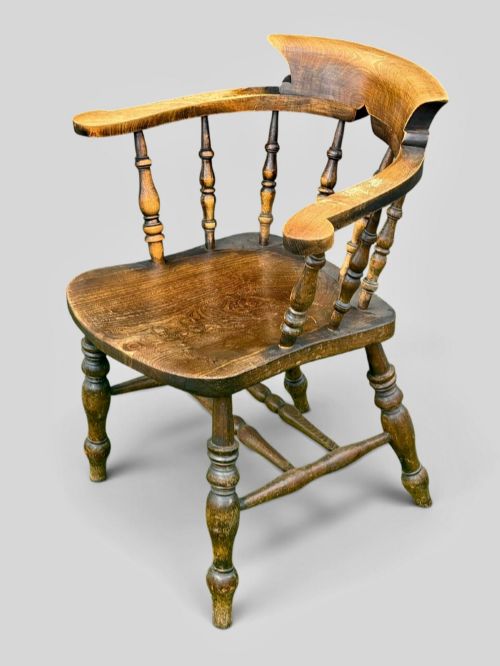
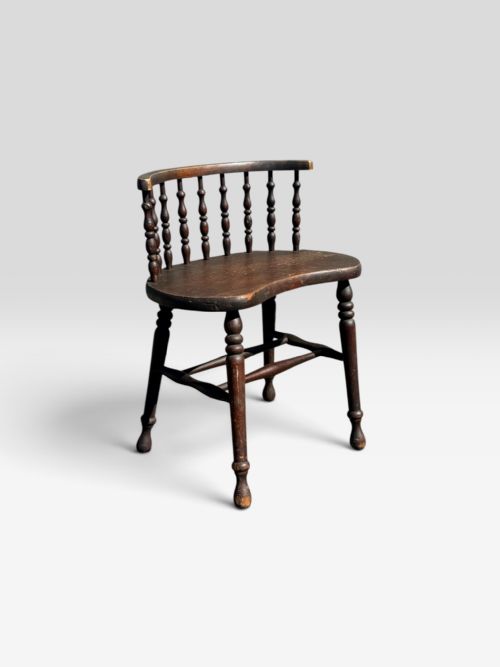
A brown wood turned chair encompasses seating from the Georgian, Victorian, and Edwardian periods, including Windsor armchairs, kitchen dining chairs, and rocking chairs. These pieces originate largely from English country workshops and domestic environments, combining functional seating with traditional joinery.
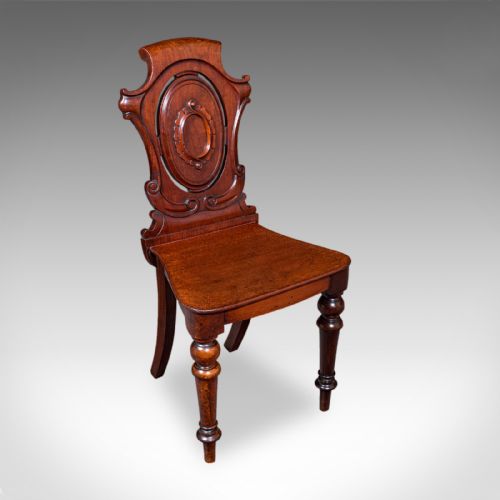
The most common examples encountered on this page are nineteenth century farmhouse chairs and spindle-backed designs utilising elm, beech, and ash. Buyers also find occasional hall chairs, captains chairs, and corner seating reflecting vernacular styles.
The category serves those seeking practical antique seating built from robust native timbers with visible grain and natural patina. Each piece demonstrates the enduring utility of domestic wooden furniture.
Materials and construction
Craftsmen built these chairs using native hardwoods like elm for seats, ash or beech for spindles and legs, and occasional yew or oak for framework. Turning lathes shaped spindles and legs from green or seasoned timber, ensuring tight joints as the wood dried.
Constructors utilised traditional mortise and tenon joinery alongside steam bending for components such as Windsor hoops and curved backs. Rush seating also appeared on specific vernacular models, woven tightly onto wooden frames.
Some nineteenth-century models feature simulated rosewood, proving that Victorian makers loved a clever timber disguise just as much as we do.
Assessing quality and craftsmanship
Quality rests in the selection of timber combinations, such as a richly grained elm seat paired with well-matched ash or beech turnings. Superior examples maintain structural integrity without excessive replacement parts or compromised joinery.
Refined proportions and crisp turning detail distinguish finer specimens from utilitarian workshop output. The depth of the natural surface patina and the preservation of original components dictate the standing of an individual piece.
Codina·J Spencer
The Brown Wood Turned Chair Glossary
- Bobbin turning
- A type of lathe work producing a series of rounded spheres resembling bobbins along a wooden shaft. This decorative turning style frequently defines nineteenth-century frames and rocking chairs.
- Windsor chair
- A wooden chair constructed with a solid elm seat into which the legs and back spindles are separately bored. Hoop backs and high backs are common variations within this tradition.
- Rush seat
- A seating surface woven from dried marsh rushes around a wooden frame. This technique provides a resilient and pliable base for vernacular chairs.
- Smokers bow
- A low-backed Windsor armchair with a continuous curved armrail popular in nineteenth-century domestic settings. It offers robust support for daily sitting.
- Vernacular furniture
- Domestic items built by local craftsmen to practical designs rather than high-style metropolitan fashions. These pieces rely on regional materials and traditional methods.
Brown Wood Turned Chair: Frequently Asked Questions
How do I identify a Windsor chair?
A Windsor chair is identified by its solid wooden seat, typically elm, into which the legs and back spindles are fitted directly rather than resting on a separate frame. Hoop backs and stick backs are standard forms within this tradition.
Many examples date from the nineteenth century and reflect regional English country craftsmanship. They were built for everyday utility in kitchens and parlours.
What woods were commonly used?
Carpenters utilised native hardwoods suited to different parts of the chair, such as sturdy elm for scooped seats and flexible ash or beech for turned spindles and legs. Yew and oak also appear on specific country house pieces.
These timbers age to rich brown tones, acquiring a natural patina through decades of handling and use.
Are these chairs suitable for daily dining?
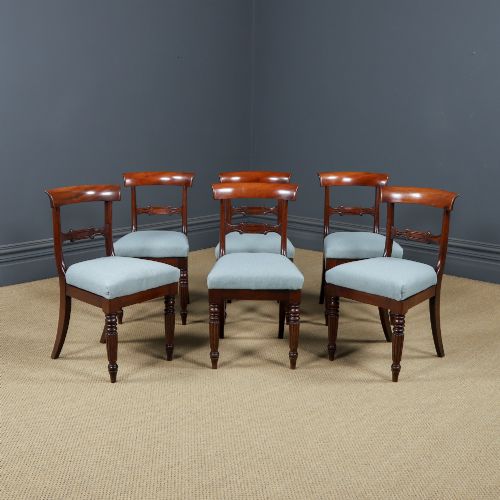
Many nineteenth-century kitchen and dining chairs were designed specifically for regular domestic use and remain structurally robust today. Sets of matching or complementary chairs provide practical seating around a table.
Checking the joints and the stability of the turned legs ensures safe everyday enjoyment in a modern home.
How do I care for antique wooden chairs?
Maintenance involves dusting with a dry cloth and applying occasional beeswax to nourish the timber without building up heavy residue. Keeping chairs away from direct heat sources prevents the wood from drying and splitting.
Preserving the original surface finish protects the character accumulated over generations of use.