

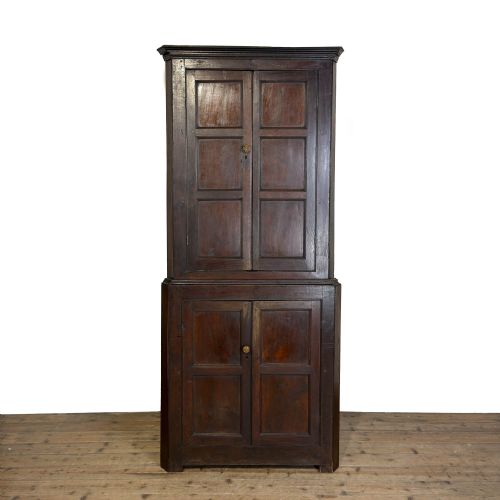
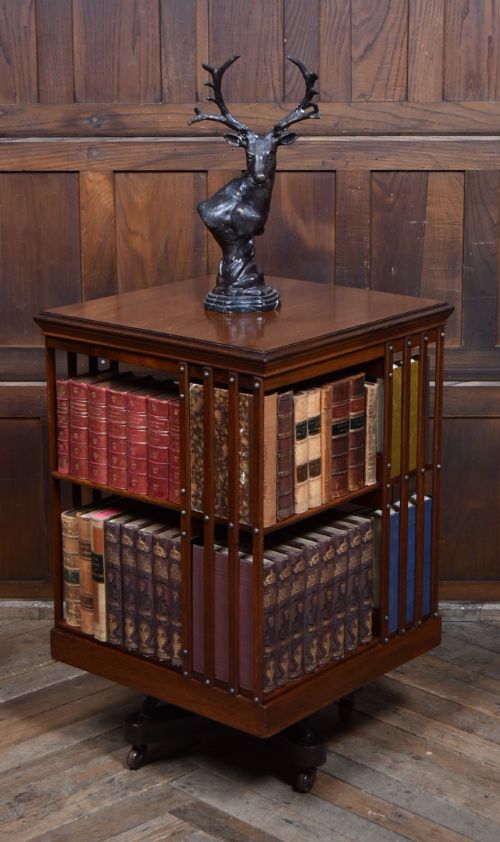
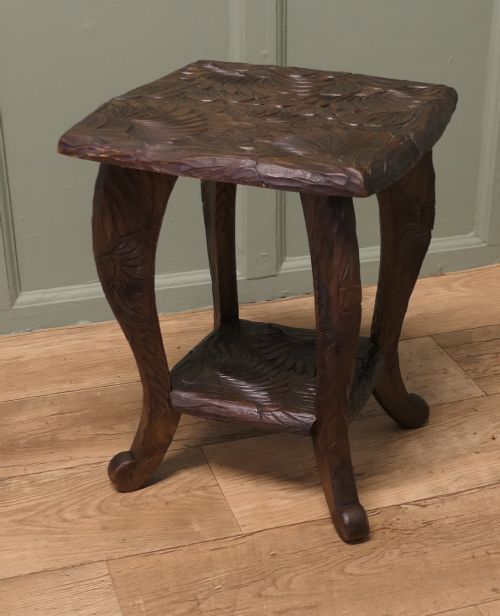

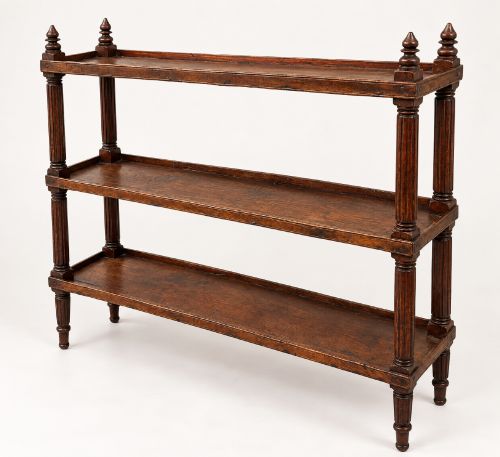
Brown Wood Tier Stand
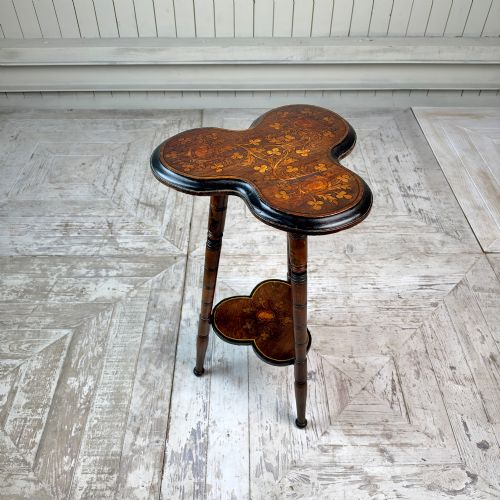
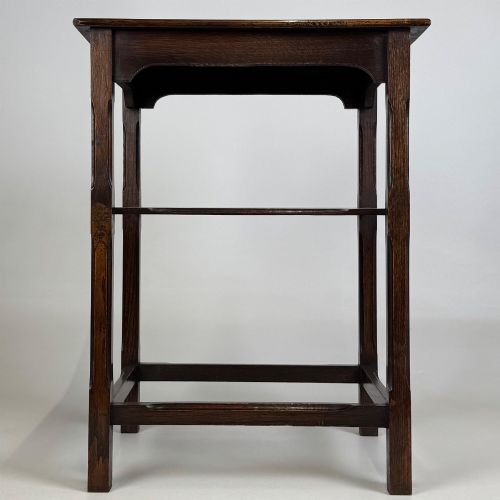
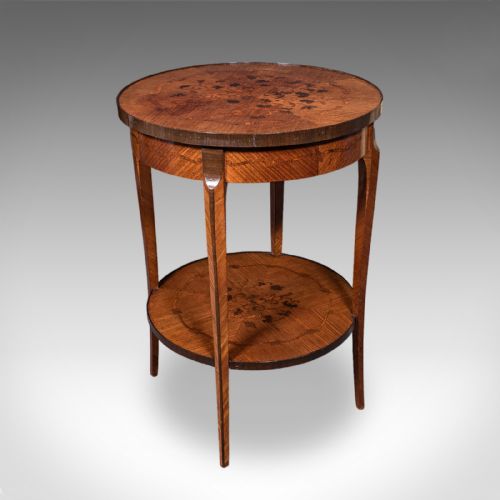
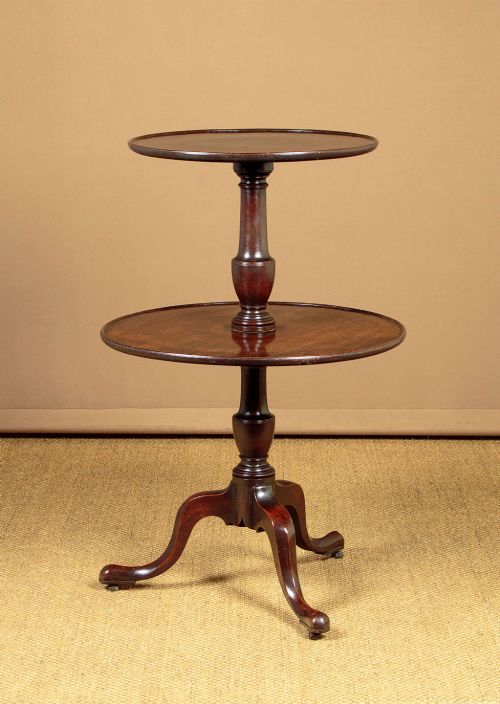
When you search for a brown wood tier stand, you find multi-level tables and display pieces designed to hold books, plants, and lamps.
Brown Wood Tier Stand
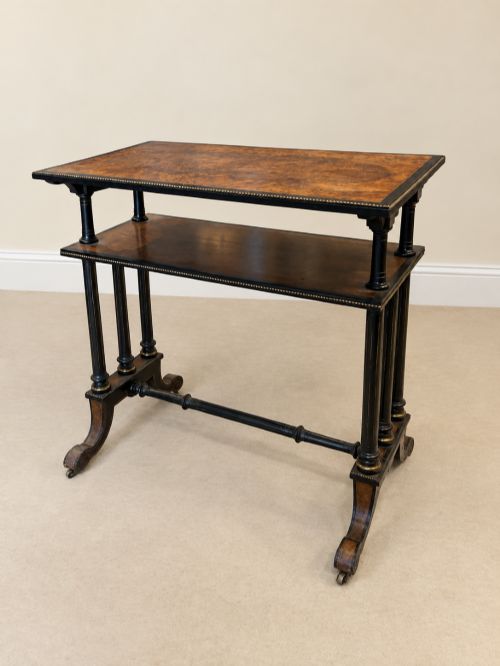
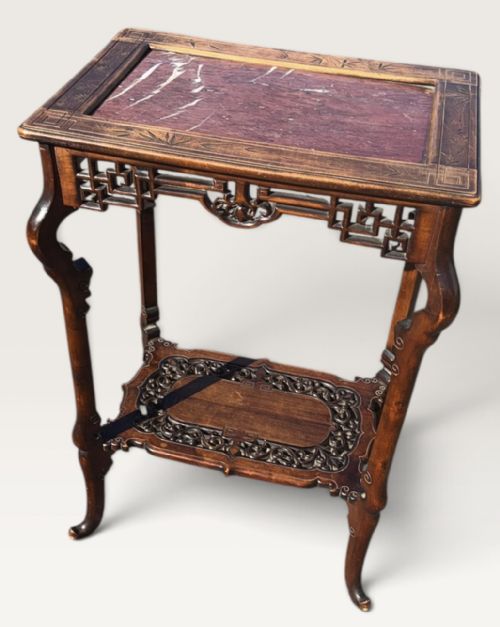
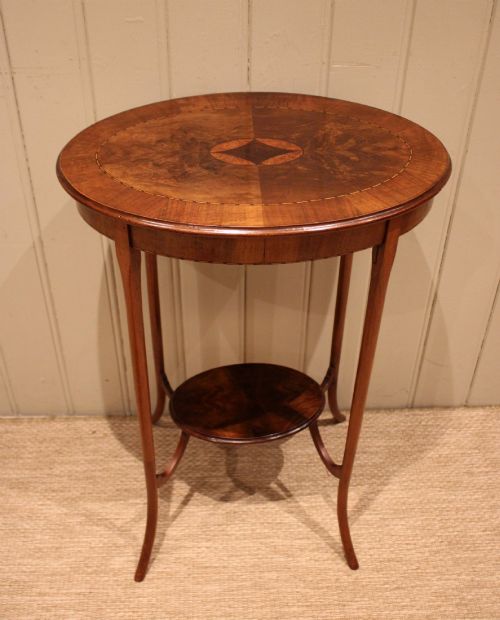
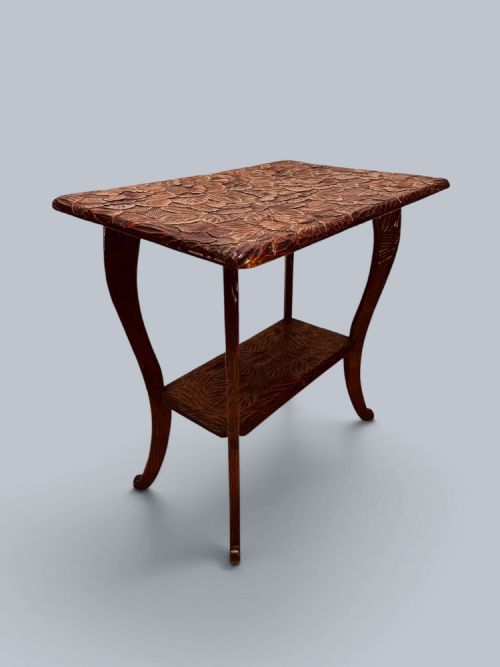
A brown wood tier stand comprises multi-level furniture designed for display and utility, frequently taking the form of whatnots, dumb waiters, etageres, and occasional tables. These pieces organise domestic spaces by providing stacked surfaces for lamps, books, and decorative objects.
The selections span Georgian, Victorian, and Edwardian periods, alongside early twentieth-century examples. You will frequently encounter Victorian burr walnut whatnots and Edwardian mahogany lamp tables on this page.
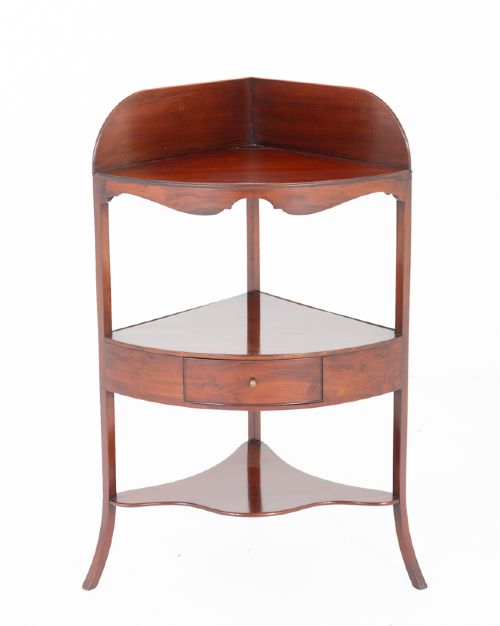
Forms vary from corner stands and bedside tables to tall plant stands and magazine racks. These items reflect the domestic needs of past centuries, offering compact vertical storage across multiple levels.
How they were made
Cabinet makers utilised dense hardwoods such as mahogany, walnut, and oak to construct the frames and shelves of these tiered items. Burr walnut veneers and boxwood inlay frequently decorate the surfaces, adding visual depth to the grain.
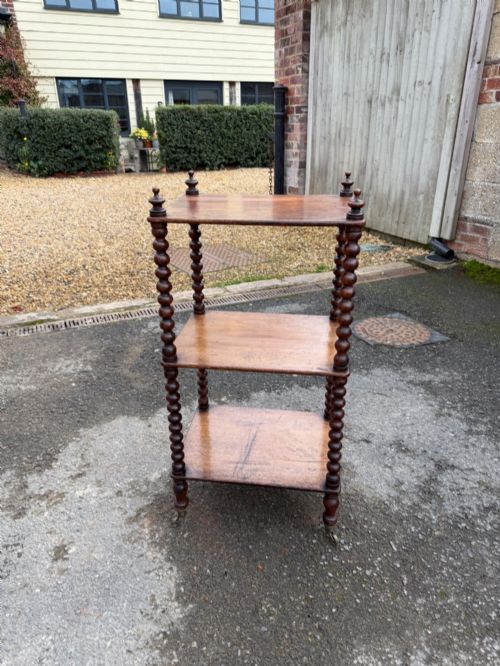
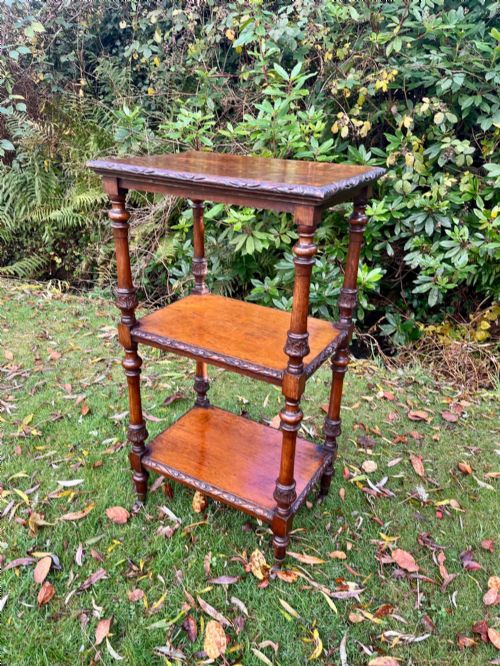
Joinery techniques included turned barley twist supports, carved legs, and structural brass castors for mobility. Makers shaped the wood into rectangular, octagonal, and serpentine tiers, secured with central columns or corner uprights.
Brown Wood Tier Stand Retail Price Guide 2026
Typical asking prices for brown wood tier stand among the pieces listed under this phrase on Sellingantiques today, from the lower quarter to the upper quarter. They describe what is for sale here now, not the wider market.
Object types range from dumb waiters and etageres to occasional tables, plant stands, and corner whatnots.
What varies in quality
The choice of timber and veneer defines the visual standard, with burr walnut and figured mahogany representing finer selections compared to plain oak or standard hardwoods. The crispness of carved details and inlaid boxwood lines distinguishes superior examples.
Structural integrity depends on the stability of the tiered shelves and the precision of the turning on the upright supports. Refined proportion and balanced weight distribution across multiple levels elevate a piece.
Liberty's·E.W Godwin
The Brown Wood Tier Stand Glossary
- Whatnot
- An open piece of furniture with shelves placed one above another, used for displaying ornaments or books. These date predominantly from the Victorian and Georgian eras.
- Dumb waiter
- A tiered stand traditionally used in dining rooms for serving food and holding tableware without domestic staff present. They feature circular or graduated wooden tiers.
- Etagere
- A piece of furniture consisting of a set of open shelves for displaying small objects. This French form often incorporates delicate inlaid wood.
- Barley twist
- A type of turned wooden furniture leg or support resembling a twisted rope. This detail appears frequently on Victorian stands.
- Boxwood inlay
- Contrasting light-coloured wood inserted into recesses of a darker timber base to create geometric or floral patterns. It demonstrates skilled cabinet work.
Brown Wood Tier Stand: Frequently Asked Questions
What is a brown wood tier stand used for?
These tiered pieces served varied domestic functions, from holding afternoon tea and lamps to displaying porcelain and books. Their multiple levels maximised surface area in compact nineteenth and early twentieth-century rooms.
Today, they function well beside seating as lamp tables or in hallways for holding small decorative items.
How do I date a Victorian tier stand?
Victorian examples often feature dark mahogany or burr walnut, with turned barley twist supports or carved details characteristic of the nineteenth century. Look at the construction of the joints and the finish of the timber to gauge the era.
Matching the style to documented Victorian forms helps narrow down the decade of production.
What is the difference between a whatnot and an etagere?
A whatnot is typically a British term for multi-shelved display furniture found in Victorian and Georgian homes. An etagere originates from French design and often incorporates lighter decorative framing.
Both serve the same primary function of tiered display but stem from different stylistic traditions.
Are these stands sturdy enough for daily use?
Period tiers were built from solid hardwoods like oak, walnut, and mahogany, designed to bear the weight of books, ceramic vases, and lamps. Their structural stability relies on solid upright supports and sound joints.
Placing them on level flooring ensures the multiple shelves remain balanced during everyday use.