


Brown Wood Shelves
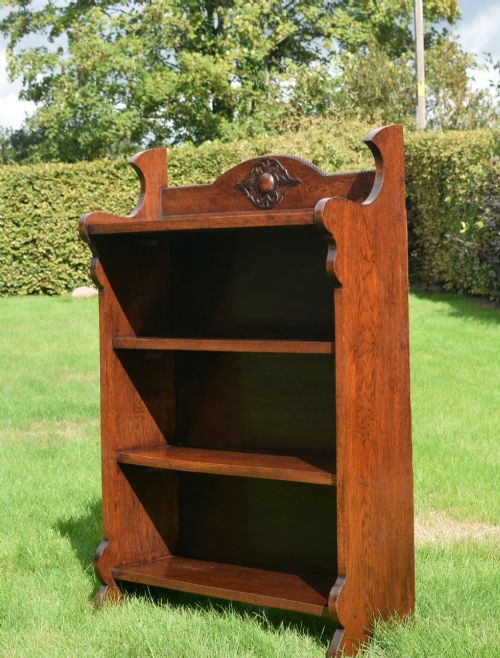
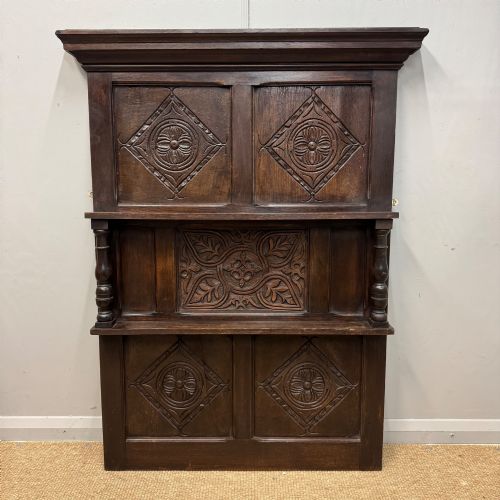
Brown wood shelves bring warmth and practical organisation to a room, appearing in forms from hanging brackets to large library bookcases.
Brown Wood Shelves
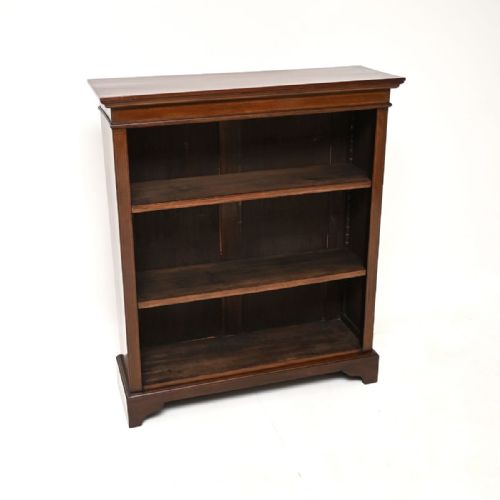
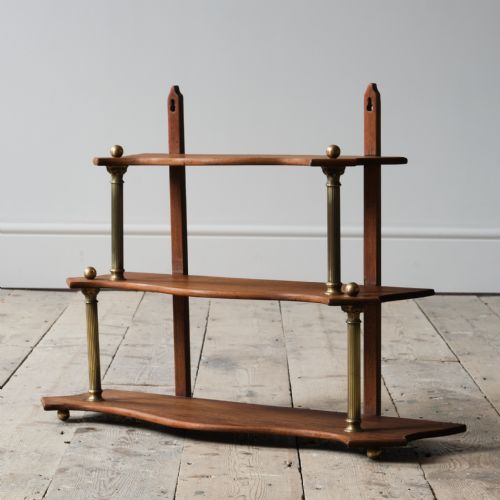
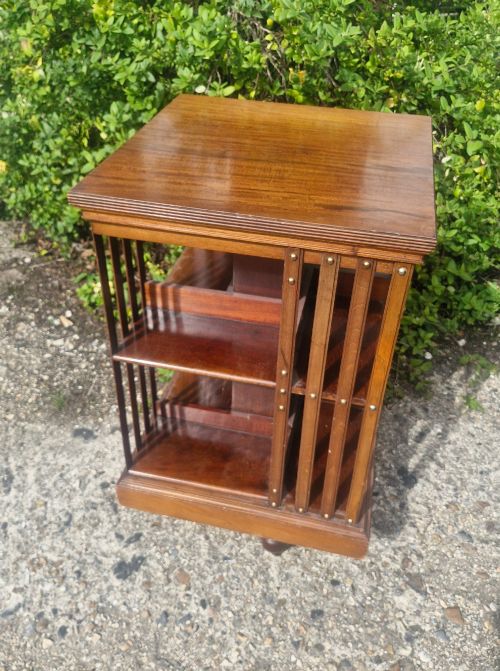
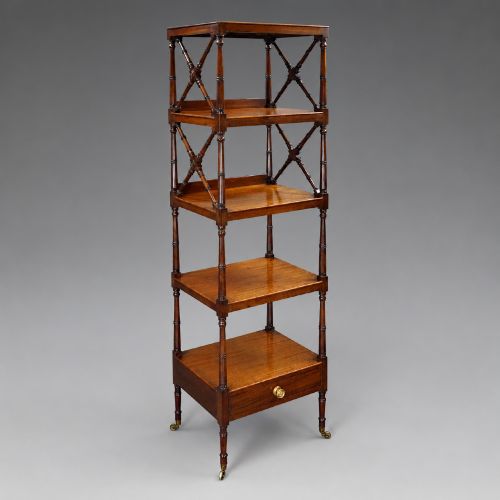
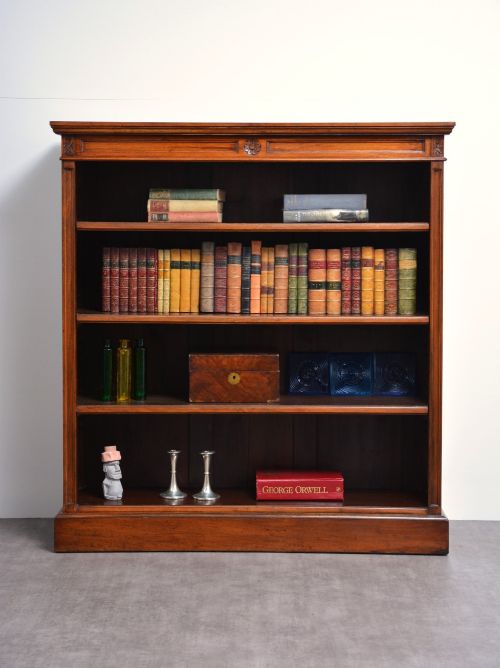
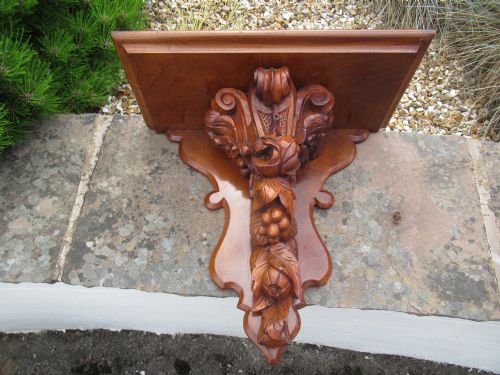
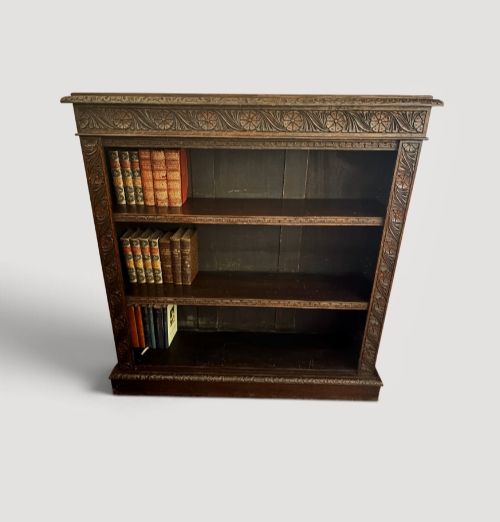
Victorian and Edwardian examples dominate the available pieces, often constructed in rich mahogany or walnut. These utilitarian yet decorative furnishings range from compact wall-mounted brackets to freestanding library bookcases.
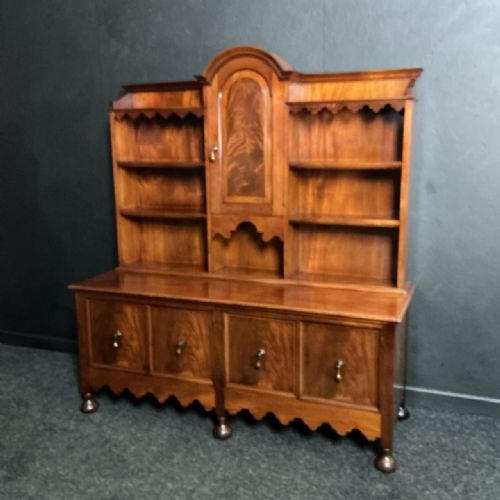
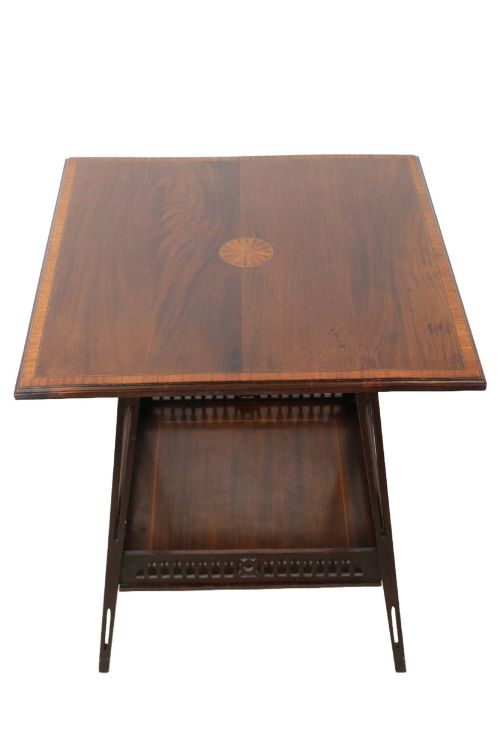
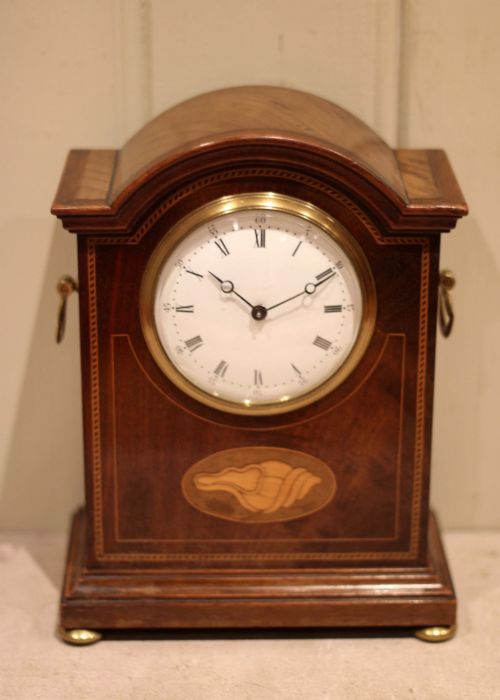
Makers utilised timber grains to decorative effect, employing burr walnut, satinwood inlay, and carved oak. Pieces frequently incorporate adjustable shelving or companion cupboards to suit domestic needs.
Assessing quality in brown wood shelves
Quality reveals itself in the selection of figured timber veneers and the crispness of carved mouldings rather than mere age. Superior examples display thoughtful grain matching across visible surfaces and robust joinery that supports heavy volumes.
Functional hardware, such as smooth-running adjustable shelf brackets and solid brass fixings, separates utilitarian workshop pieces from finer cabinetmaking. The integration of decorative elements like turned barley twist columns or delicate string inlay indicates higher craftsmanship.
Trevor Page & Co
The Brown Wood Shelves Glossary
- Waterfall bookcase
- A standing set of open shelves where each tier steps back progressively from the one below it. This creates a cascading silhouette popular during the nineteenth century.
- Chiffonier
- A low sideboard cabinet, frequently fitted with shelves or a mirror superstructure on top. It evolved during the Regency and Victorian periods for dining room storage.
- Inlay
- A decorative technique where contrasting woods or materials are inserted into recessed portions of a timber base. Satinwood was commonly used to create pale geometric patterns on darker mahogany.
Brown Wood Shelves: Frequently Asked Questions
How do I hang wall shelves safely?
Wall-hanging shelves require secure fixing into solid masonry or direct wall studs to support the weight of timber and books. Brass brackets and hanging loops provided by makers must be checked for stability before loading.
Distributing weight evenly across the tiers prevents undue strain on historical joints. Consulting a professional installer ensures the chosen fixings match the wall type.
Are adjustable shelves a later addition?
Many Victorian and Edwardian bookcases feature original adjustable shelving systems using wooden ratchets, metal pins, or sliding tracks. These mechanisms allowed owners to alter shelf heights for varying book sizes.
Examining the interior uprights reveals matching timber tone and wear patterns consistent with the rest of the cabinet interior.
How do I care for walnut and mahogany?
Brown wood furniture benefits from regular dusting with a soft, dry cloth to prevent abrasive particle buildup. Avoiding direct sunlight and sudden temperature shifts protects polished finishes from fading and cracking.
Occasional application of appropriate wax feeds the timber and preserves the natural lustre of the grain. Water should be kept away from untreated interior surfaces.
What is the difference between a whatnot and a bookcase?
Whatnots are typically open on all sides and designed primarily for decorative display pieces rather than heavy reading libraries. Bookcases feature enclosed sides and backs intended for structural book storage.
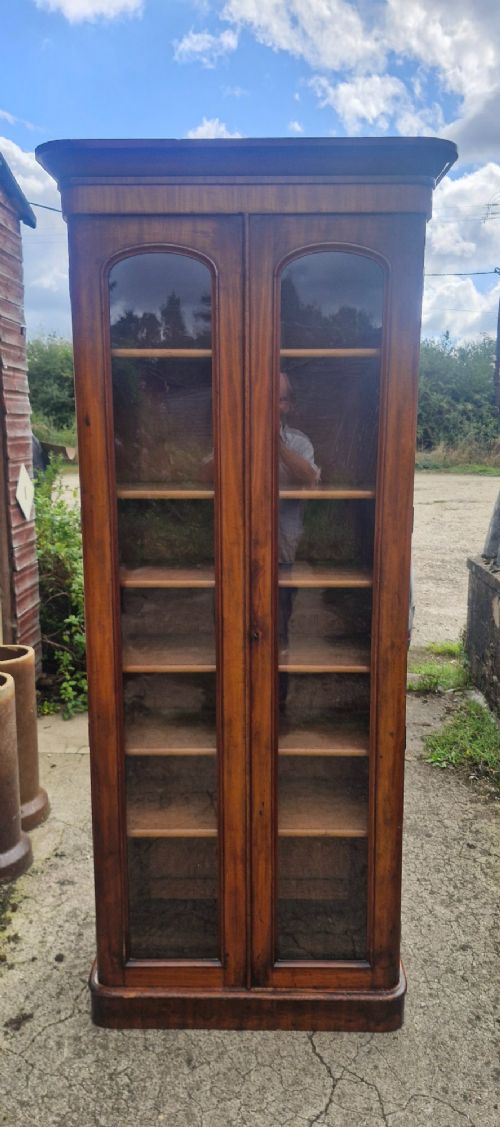
While both utilise brown wood construction, bookcases often include doors or adjustable timber shelving tailored for literary collections.