
Brown Wood Shelf Stand
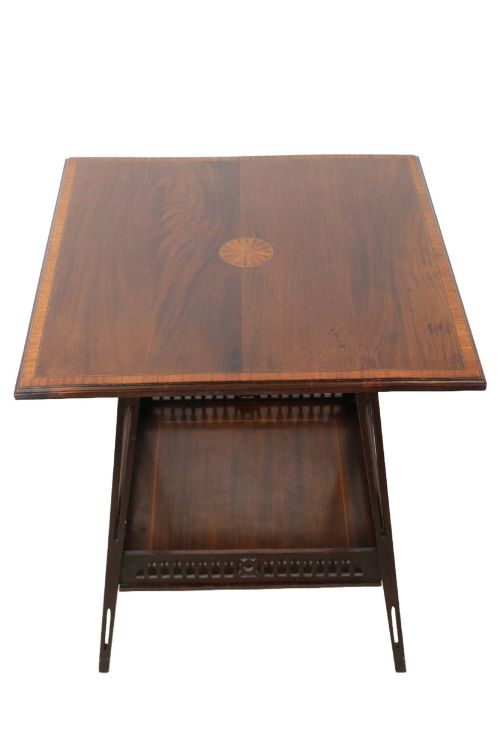
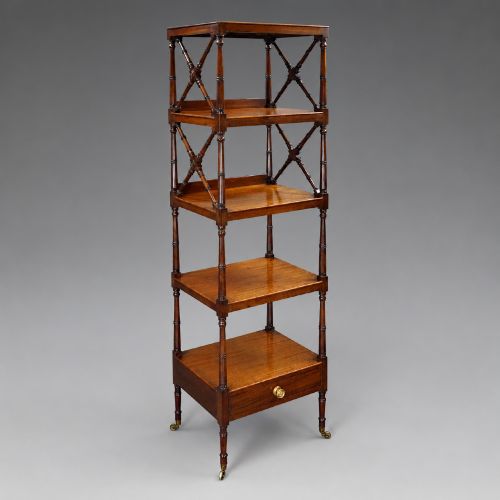
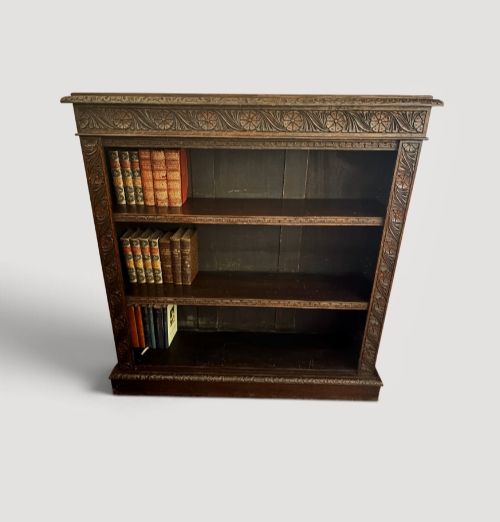
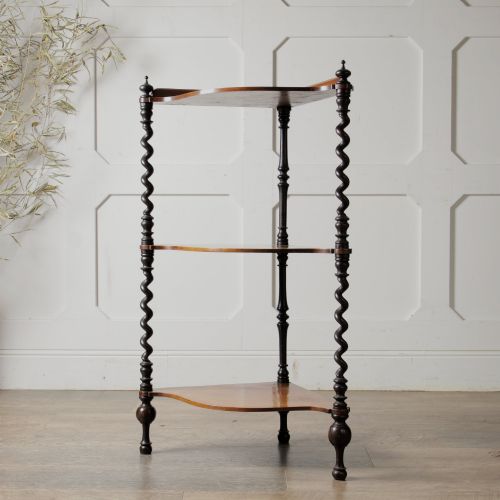
These brown wood shelf stand pieces deliver tiered display space for books and decorative objects, anchored in the classic forms of the nineteenth and early twentieth centuries.
Brown Wood Shelf Stand
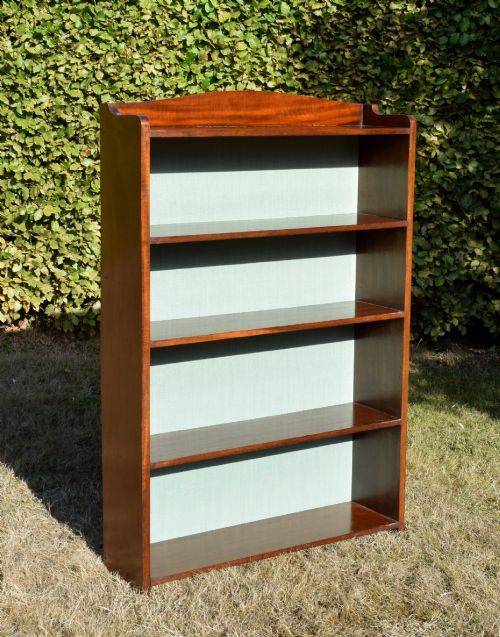
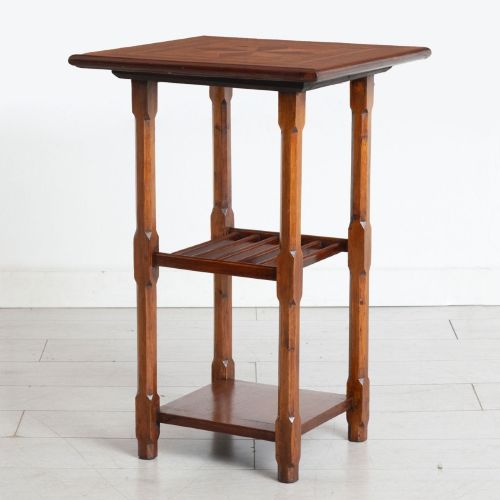
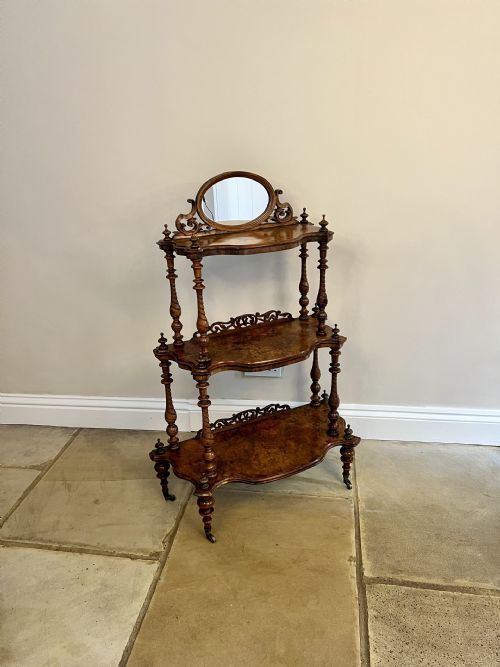
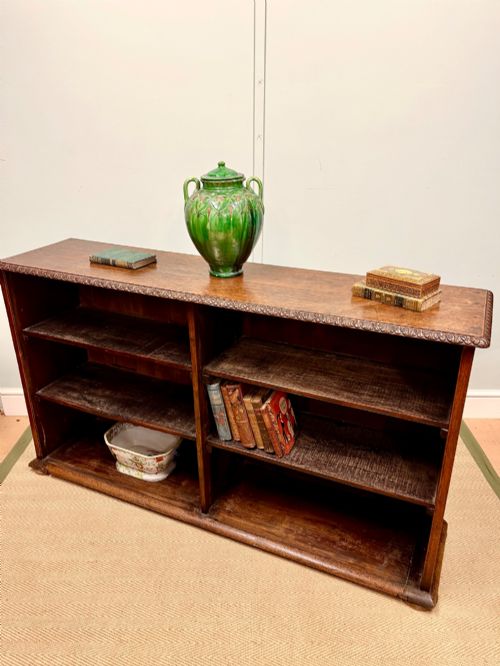
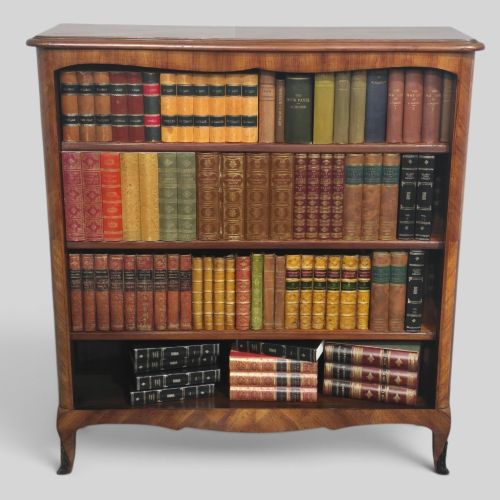
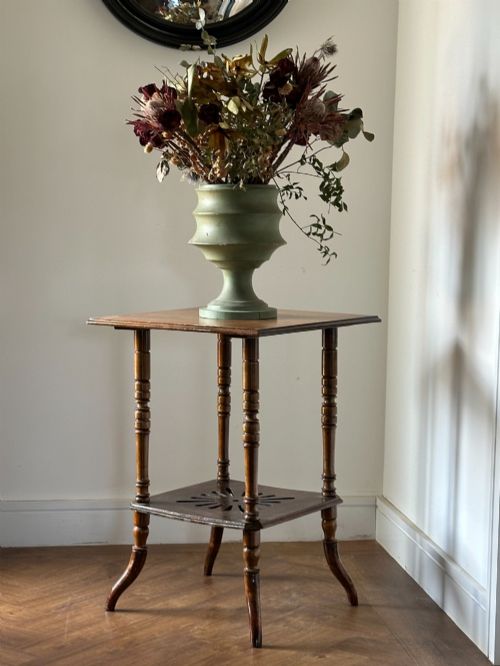
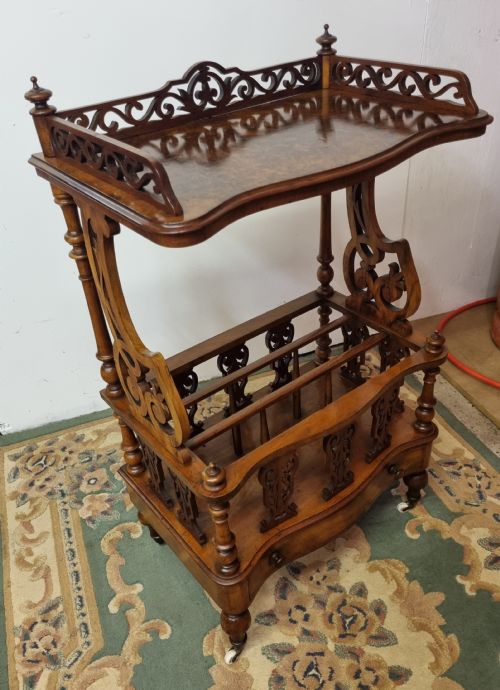
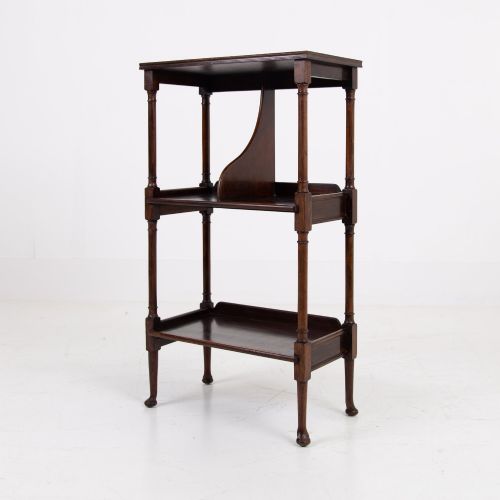
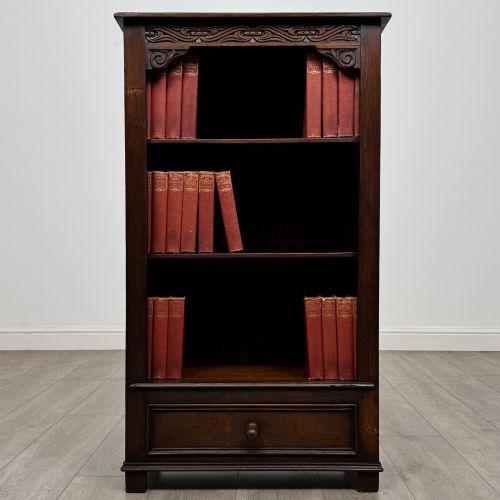
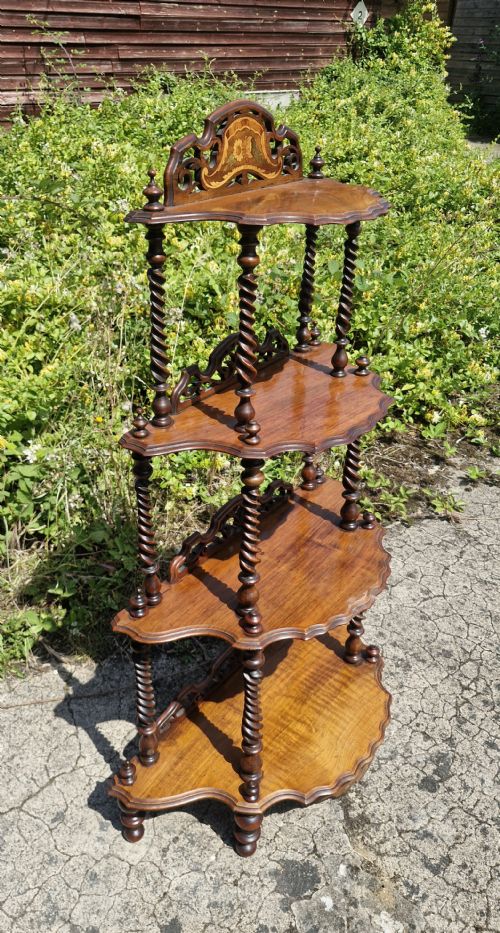
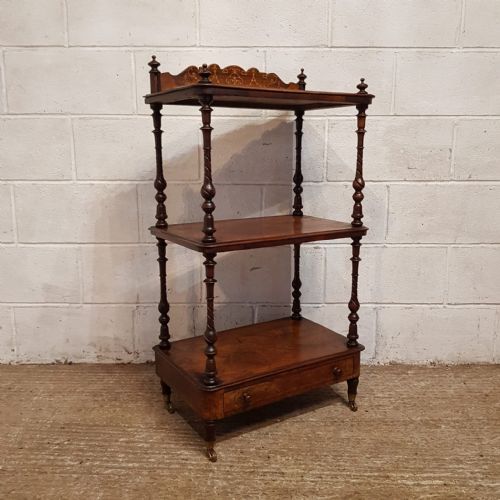
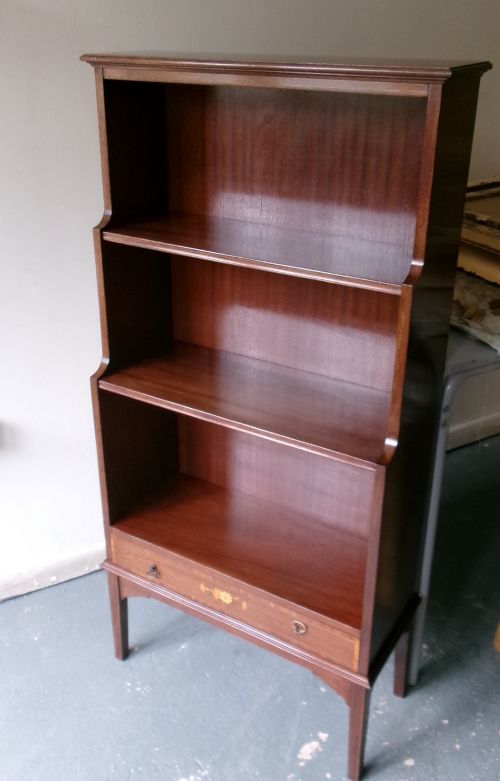
A brown wood shelf stand encompasses open bookcases, multi-tiered whatnots, etageres, and occasional display tables designed for domestic utility. You will most frequently encounter Victorian and Edwardian examples built to hold books, ceramics, or ornaments in a compact footprint.
The architectural layout ranges from corner stands and serpentine shelf units to revolving bookcases and tall open library shelving. Each variation serves the primary purpose of vertical storage whilst displaying the grain and tone of the timber.
What varies in quality
Quality rests in the selection of timber veneers and the crispness of applied carving or inlay. Superior pieces exhibit carefully matched wood grains across multiple tiers and tightly fitted joints that maintain rigidity without supplementary bracing.
Design ambition separates standard utility items from exceptional examples. Pieces featuring serpentine fronts, fine brass gallery rails, or documented cabinet maker attribution command greater consideration for their refined proportions and material depth.
Revolving bookcase designs let readers reach every volume from a seated position with one effortless spin.
Trevor Page & Co·Shapland & Petter
The Brown Wood Shelf Stand Glossary
- Whatnot
- A multi-tiered piece of furniture with open shelves designed for displaying ornaments or books. It typically stands on slender uprights and dates primarily from the nineteenth century.
- Etagere
- A set of open shelves for displaying small objects, sharing a similar tiered construction to the whatnot. French influences often bring lighter proportions and decorative mounts.
- Burr walnut
- A figured wood grain taken from the growth excrescence of a walnut tree. Cabinet makers prize it for swirling patterns that provide decorative surface movement.
- Serpentine
- A curved line of furniture shaping that bends outward in the centre and inward at the sides. This contour demands precise carpentry to follow the undulating front edge.
Brown Wood Shelf Stand: Frequently Asked Questions
What is a brown wood shelf stand used for?
These tiered units function primarily as open bookcases, whatnots, and display tables for books, ceramics, and ornaments. They maximise vertical space in living areas while keeping collections visible and accessible.
Their open construction allows them to fit easily into corners or against walls without dominating a room. Different tiers permit the segregation of books from decorative objects.
How do I date a Victorian shelf stand?
Dating relies on timber selection, structural hardware, and stylistic indicators present in the piece. Victorian examples frequently employ solid mahogany or burr walnut with hand-cut joinery.
Later Edwardian iterations often introduce lighter mahogany framing with inlaid satinwood stringing. Examining the construction of the shelves and the style of the turning provides further chronological context.
Where should I place an etagere?
An etagere suits corners, alcoves, or flat wall spaces where vertical display is required without heavy cabinetry. Their open shelves distribute visual weight lightly across the room.
Avoid placing them in areas subject to direct sunlight or dampness to protect the polished wood finishes and delicate wood veneers.
How do whatsnot shelves differ from bookcases?
Whatnots generally feature multiple open tiers supported by slender columns or uprights designed specifically for display. Bookcases prioritize fixed or adjustable horizontal shelves enclosed by side panels.
Many pieces bridge these categories, offering multi-level shelving suitable for both bound volumes and decorative items.