

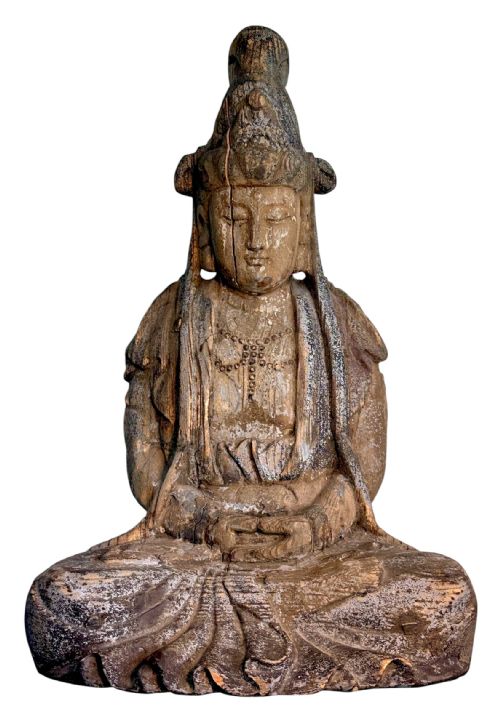


Brown Wood Oriental Sculpture
These brown wood oriental sculpture pieces bring centuries of intricate carving from Asian and Indian traditions into domestic spaces.
Brown Wood Oriental Sculpture
A brown wood oriental sculpture encompasses carved figures, animals, and mythological subjects originating from Chinese, Japanese, Indian, and Southeast Asian traditions. The selection spans the nineteenth and early twentieth centuries, including periods such as the Qing Dynasty, the Meiji Period, and the Raj era.
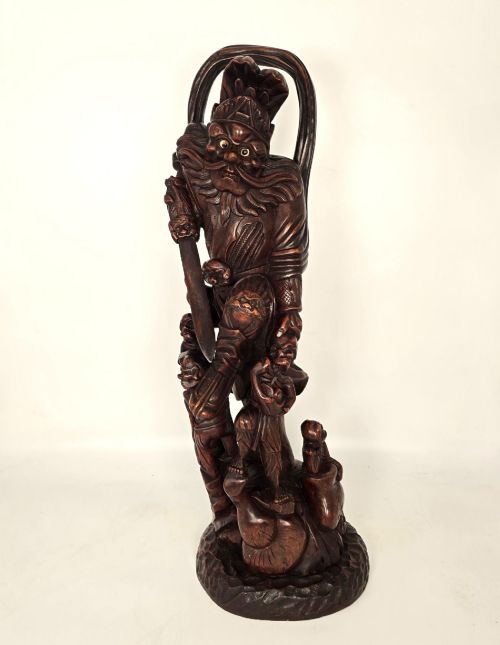
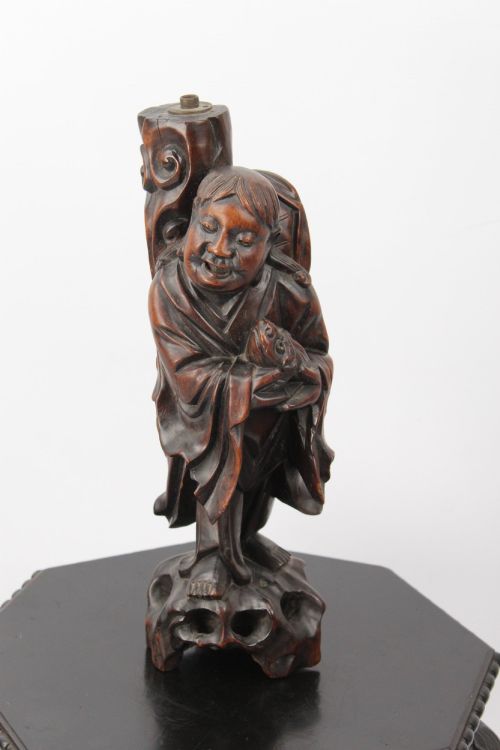
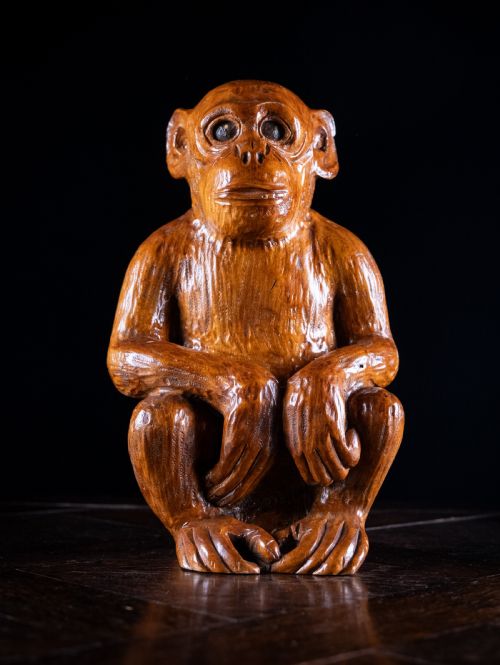
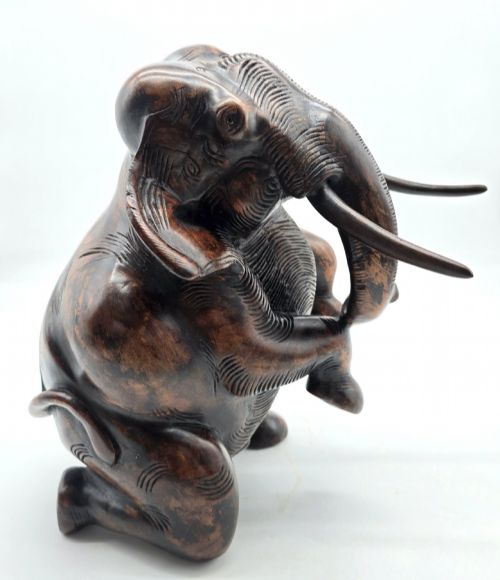
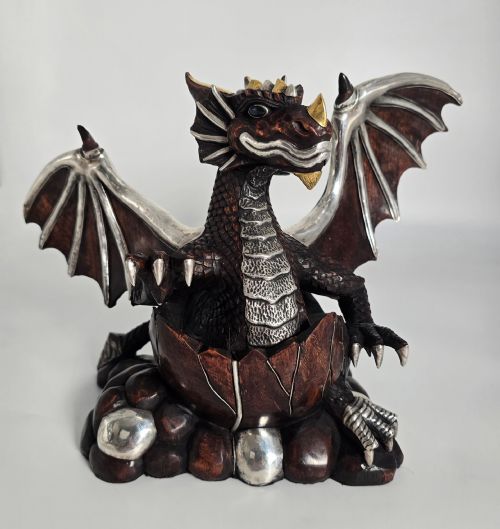
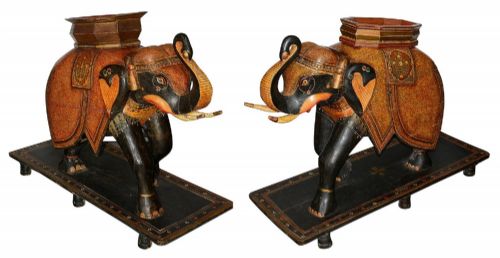
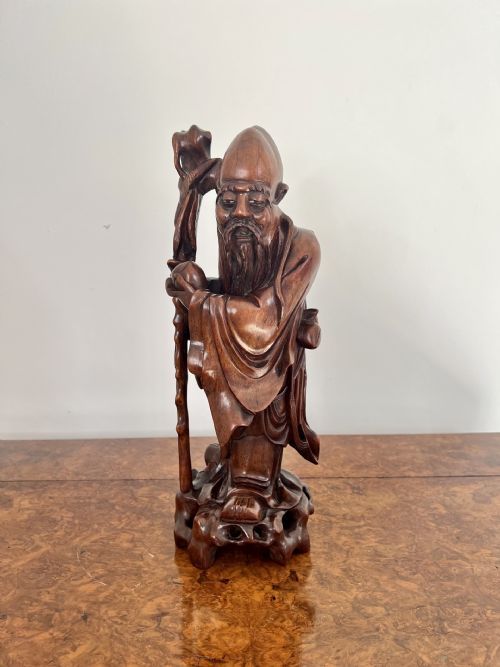
Most items encountered on this page take the form of hardwood figures, deities, and animals, alongside functional items like netsuke and small table stands. Subjects range from Guardian Kings and Daoist immortals to elephants, monkeys, and Buddha figures.
Origins stretch across workshops in China, Japan, Kashmir, and Indonesia, utilising regional timber varieties shaped by traditional carvers. These objects served both decorative and religious functions in their original settings.
How They Were Made
Makers utilised dense materials such as boxwood, teak, bamboo, and various heavy hardwoods alongside natural root wood. These timbers allowed artisans to execute deep undercutting and minute facial expressions without splintering.
Carvers employed hand chisels and knives to shape the organic grain of the wood, often following the natural contours of root wood or branches. Surface finishes included polished wax, lacquer, and subtle paint applications that highlighted the natural tone of the grain.
Materials recorded on this page include boxwood, root wood, lacquer, and brass.
What Varies in Quality
The choice of medium dictates durability and visual depth, with dense boxwood and figured hardwoods retaining crisp details better than softer timber. The integration of natural root wood forms with deliberate human intervention also marks the distinction between standard and exceptional pieces.
Masayuki
The Brown Wood Oriental Sculpture Glossary
- Netsuke
- A small carved toggle traditionally used in Japan to secure small containers to a kimono sash. These miniature sculptures often depict animals, folklore figures, or daily objects.
- Okimono
- A Japanese decorative figurine intended for display on a shelf or in a tokonoma alcove. They emerged primarily during the Meiji period and showcase detailed carving.
- Root Wood
- Timber sourced from the root system of a tree, prized for its gnarled, twisting grain. Carvers often incorporated these natural irregularities into the subject of the sculpture.
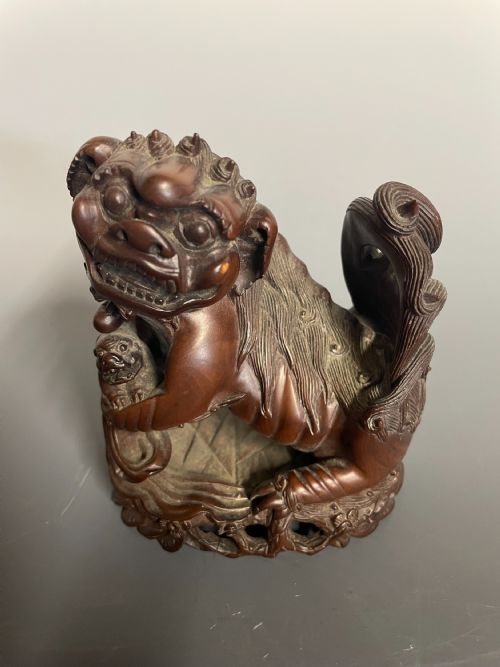
- Foo Dog
- A traditional guardian lion figure placed outside palaces, temples, and homes. They appear frequently in Chinese wood and stone carving.
- Meiji Period
- The era of Japanese history lasting from 1868 to 1912. Art from this time is noted for high technical proficiency in wood and ivory carving.
Brown Wood Oriental Sculpture: Frequently Asked Questions
What is a brown wood oriental sculpture?
These items are hand-carved wooden figures, animals, and religious icons originating from Asian and Indian traditions, produced mainly during the nineteenth and early twentieth centuries.
They reflect regional woodworking techniques and cultural motifs, utilising dense timbers like boxwood, teak, and root wood.
How were these wooden sculptures used?
Many served as decorative objects, altar figures, or scholarly desk items in traditional households and temples.
Smaller items like netsuke fulfilled practical functions as clothing toggles, while others acted as tabletop lamp bases or stands.
How do I care for antique wood carvings?
Keep the pieces away from direct sunlight and sudden temperature shifts to prevent the timber from drying out and splitting.
Dust gently with a soft brush and avoid applying modern chemical polishes to the historic wood surfaces.
How can I tell the period of a sculpture?
Dating relies on stylistic markers associated with specific eras like the Qing Dynasty or the Meiji Period, alongside the tool marks left on the timber.
Examining the natural ageing, wear patterns, and characteristics of the specific wood helps narrow down the decade of production.