
Brown Wood Occasional Desk
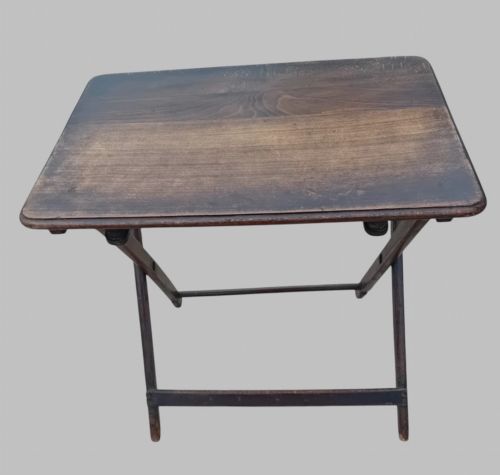
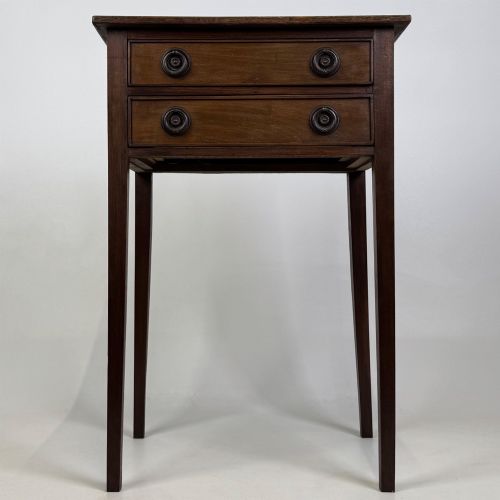
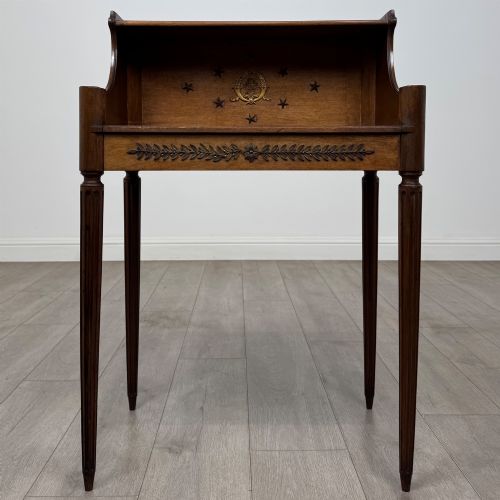
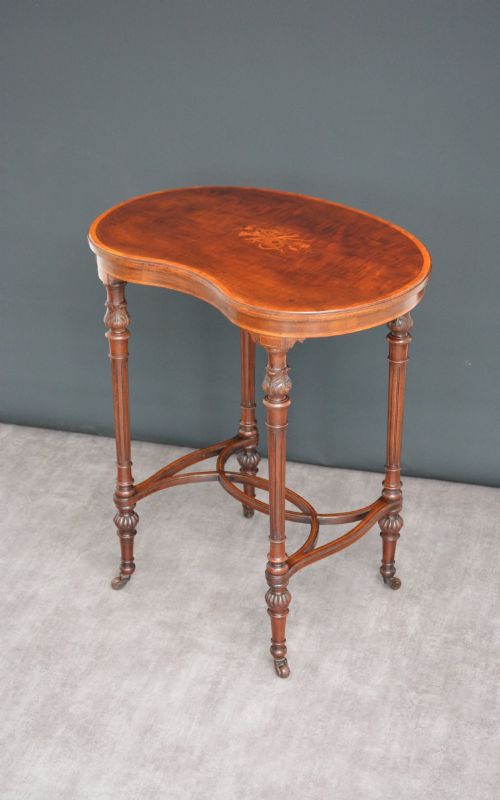
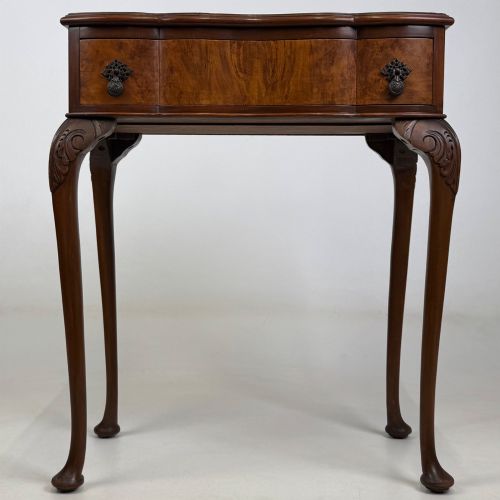
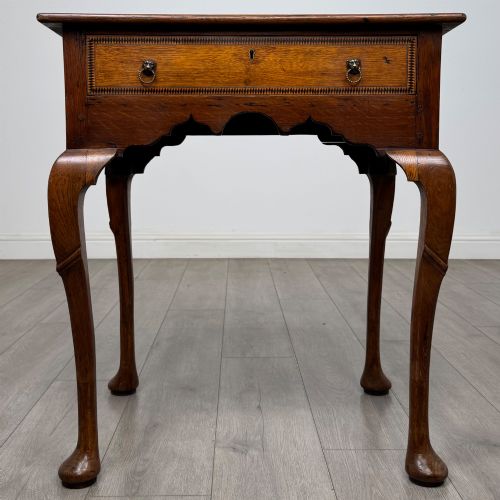
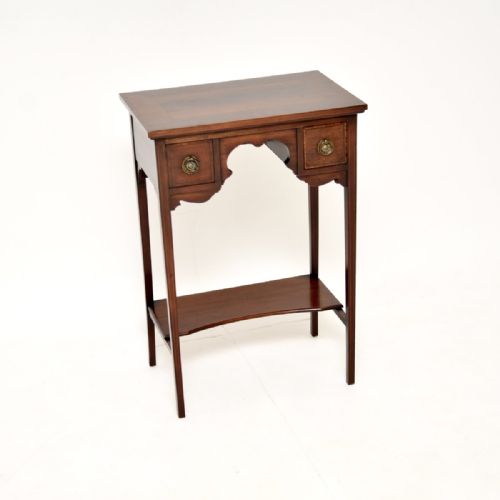
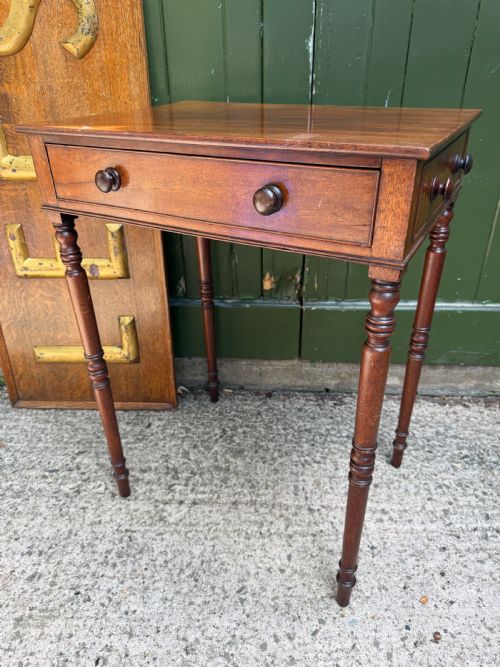
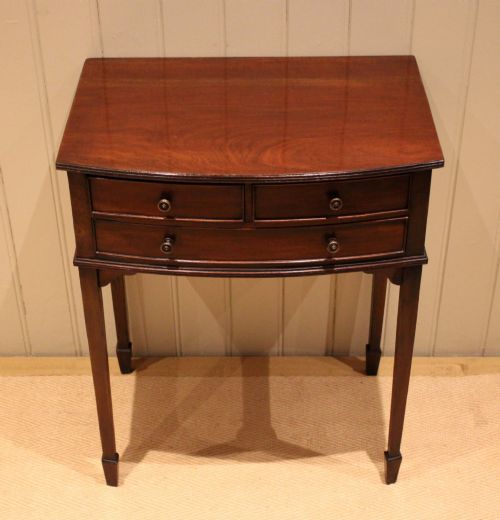
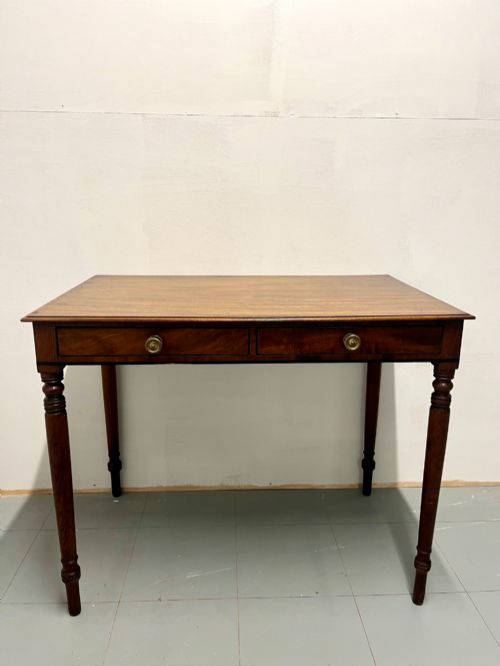
These brown wood occasional desks and multi-purpose tables offer compact working surfaces, appearing most frequently in Edwardian mahogany and Georgian walnut iterations across this selection.
Brown Wood Occasional Desk
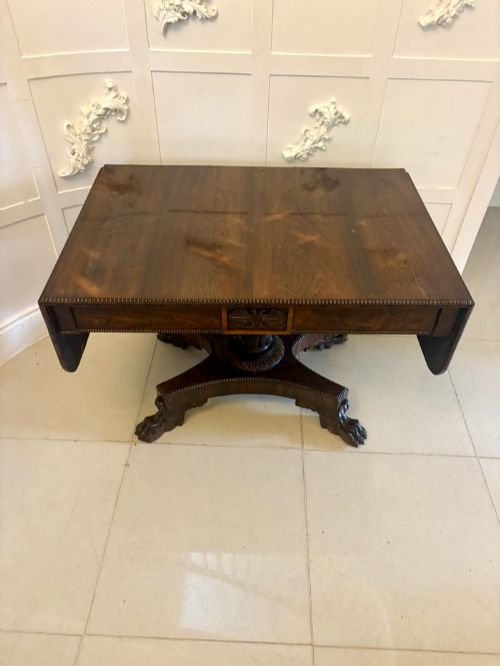
A brown wood occasional desk search draws together a diverse group of compact writing surfaces, side tables, and pembroke tables spanning the seventeenth to the twentieth centuries. The pieces on this page lean heavily towards Edwardian mahogany side tables, alongside earlier Georgian and Regency iterations configured for writing or occasional placement.
Makers utilised various secondary forms for these pieces, including sofa tables, lamp tables, and freestanding centre tables constructed from timbers such as oak, rosewood, walnut, and fruitwood. Buyers frequently encounter Edwardian inlaid variations and nineteenth-century campaign or aesthetic movement designs among the available stock.
Materials and construction
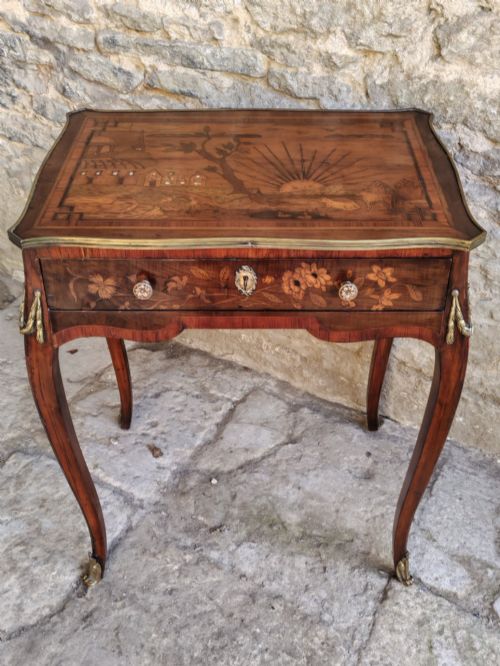
Craftsmen built these items using dense hardwoods like mahogany, oak, walnut, and rosewood, often pairing primary cabinet woods with secondary timbers such as elm, beech, and fruitwood. Surface enrichment involved satinwood inlay, marquetry, parquetry, and moorish inlay work.
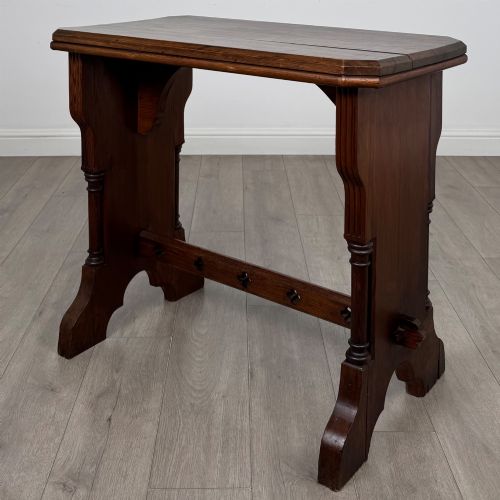
Structural joints relied on traditional cabinetmaking methods appropriate to the period, from seventeenth-century parquetry assembly to Edwardian edge-inlaying and nineteenth-century freestanding pillar or stretcher frames.
Materials range from traditional mahogany and oak to exotic rosewood, satinwood, fruitwood, pitch pine, and burr elm.
Markers of distinction
Quality reveals itself through the selection of figured timbers, such as burr walnut, burr oak, and figured elm, matched with precision in the grain. The crispness of inlaid satinwood stringing and marquetry panels also separates standard workshop output from exhibition grade execution.
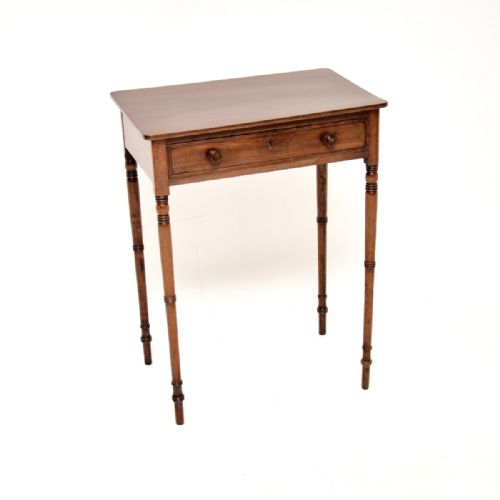
Constructional integrity defines the upper tier, visible in freestanding forms finished on all sides, finely turned supports like barley twists, and well-integrated folding or drop-leaf mechanisms on pembroke and sofa tables.
The Brown Wood Occasional Desk Glossary
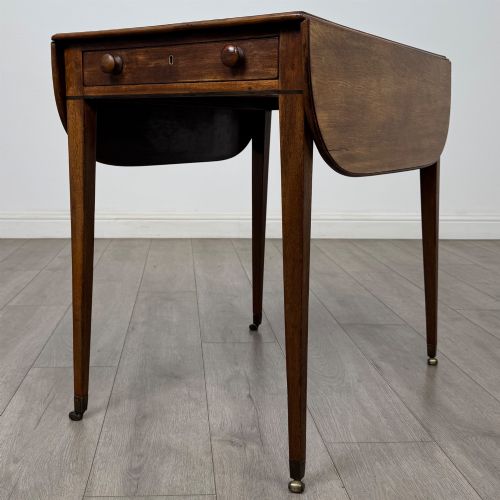
- Pembroke table
- A small occasional table featuring two hinged drop leaves on opposing sides, frequently fitted with a single drawer.
- Sofa table
- A rectangular freestanding table traditionally designed to stand in front of a sofa, equipped with drop leaves and often twin pedestal supports.
- Marquetry
- Decorative veneer work formed by fitting pieces of various coloured woods and other materials into a pre-cut ground to create pictorial or geometric designs.
- Parquetry
- Geometric mosaic woodwork used for floors or furniture surfaces, constructed by fitting small blocks or veneers together.
- Campaign style
- Portable furniture designed for military officers, characterised by folding frames, recessed handles, and robust construction.
Brown Wood Occasional Desk: Frequently Asked Questions
What is an occasional desk?
An occasional desk is a small, versatile table or writing surface designed for light tasks rather than heavy administrative work.
These pieces fit easily into sitting rooms, bedrooms, or hallways, serving dual functions as side tables and writing spaces.
How do I identify a Georgian table?
Georgian tables typically display solid construction in timbers like mahogany or oak, with restrained proportions and classical decorative motifs.
They date from the eighteenth or early nineteenth centuries and prioritise functional elegance over excessive ornamentation.
Where were sofa tables used?
Sofa tables were originally placed directly in front of settees or freestanding in the centre of principal rooms.
Their finished backs and drop leaves allowed them to expand when needed and sit unobtrusively against walls or behind seating.
What distinguishes Edwardian tables?
Edwardian tables date from the early twentieth century and frequently showcase light mahogany construction with delicate satinwood inlay.
They reflect a revival of earlier eighteenth-century aesthetics, adapted for smaller domestic interiors of the period.