




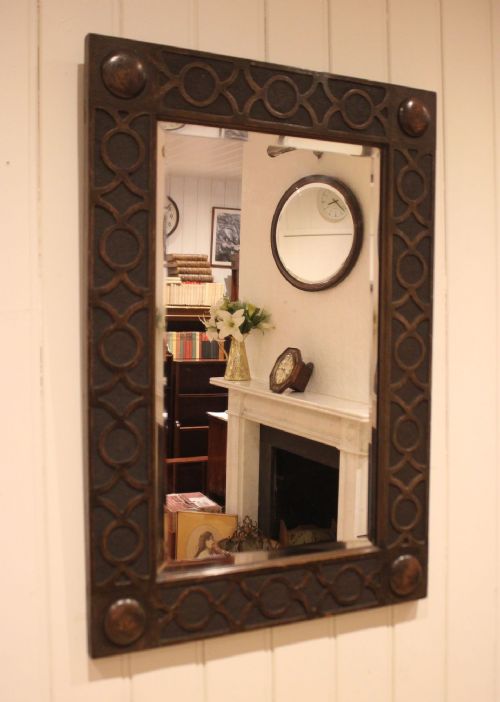
Brown Wood Hanging Mirror
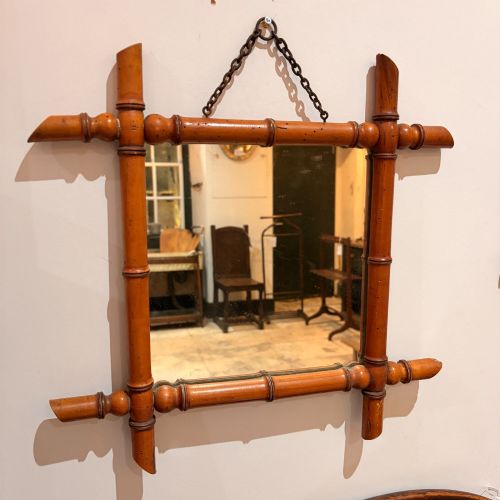
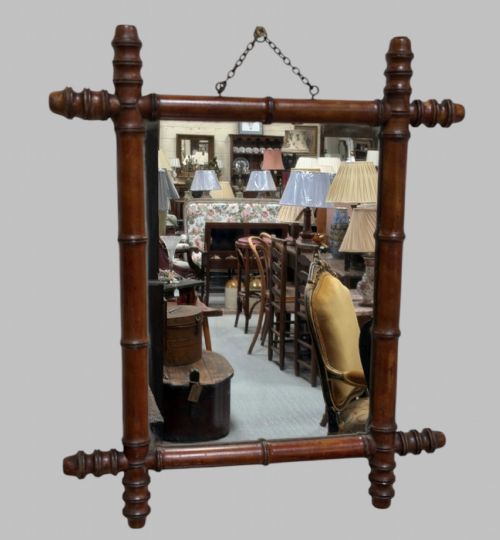
A brown wood hanging mirror brings warmth and functional depth to an interior, channelling centuries of cabinet-making skill into a single wall piece.
Brown Wood Hanging Mirror
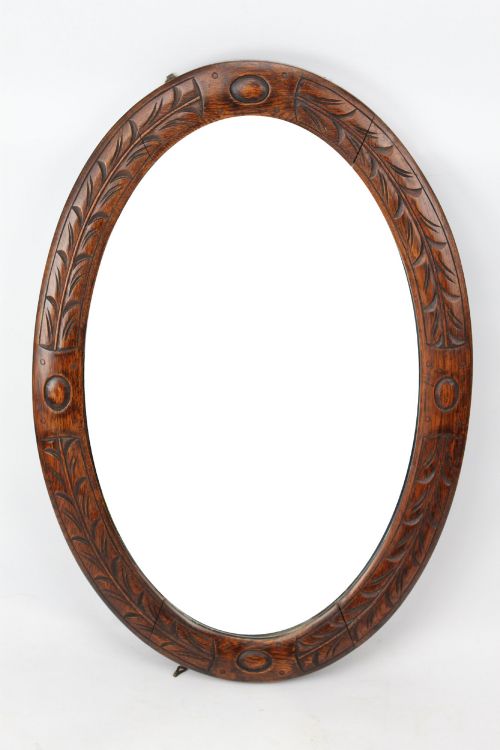
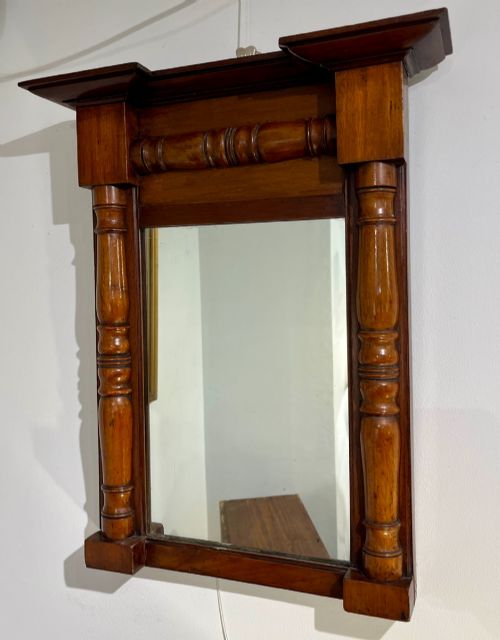
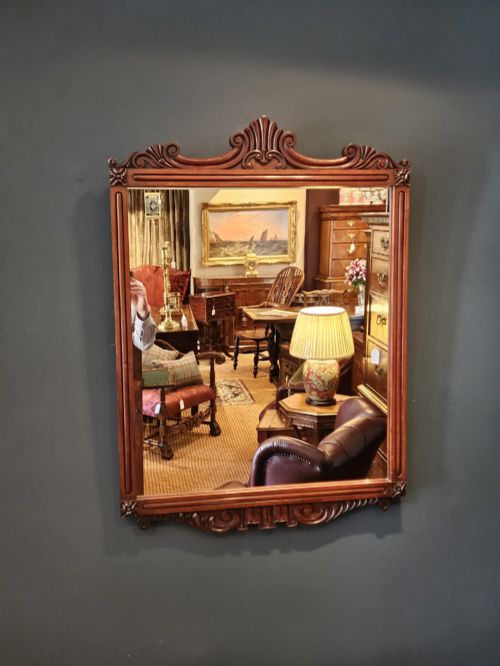
When you search for a brown wood hanging mirror, you encounter wall-mounted looking glasses framed in timbers such as mahogany, oak, and walnut. These pieces originate from periods spanning the eighteenth, nineteenth, and early twentieth centuries, reflecting changing domestic interior tastes over generations.
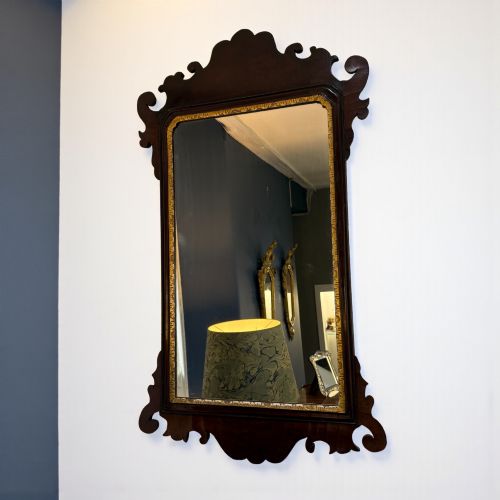
The selection on this page relies heavily on Victorian and Georgian designs, alongside Edwardian and later twentieth-century iterations. You find rectangular, oval, and fretwork forms intended for hanging in hallways, living rooms, and bedrooms.
Makers utilised native and imported hardwoods to construct both simple functional frames and elaborately carved decorative centerpieces. Many retain original glass and backboards, showing the marks of historical hand-tool work.
How they were made
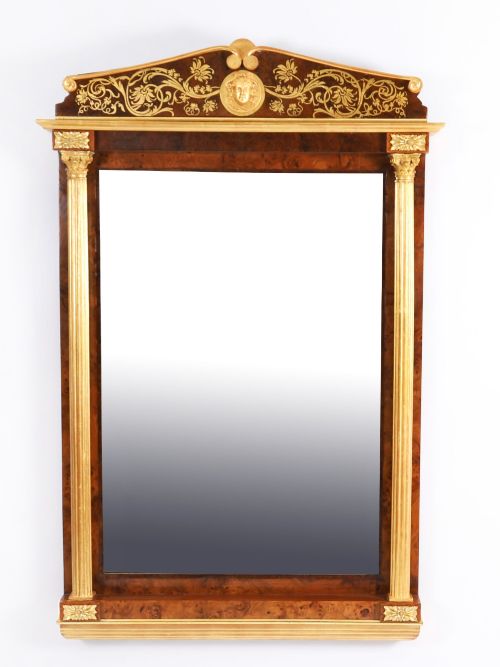
Cabinet-makers constructed these frames using solid hardwoods like mahogany, oak, and walnut, frequently selecting burl or figured veneers to create striking surface patterns. Joinery often involved tenons and mitred corners, secured with wooden dowels or hand-cut nails in earlier examples.
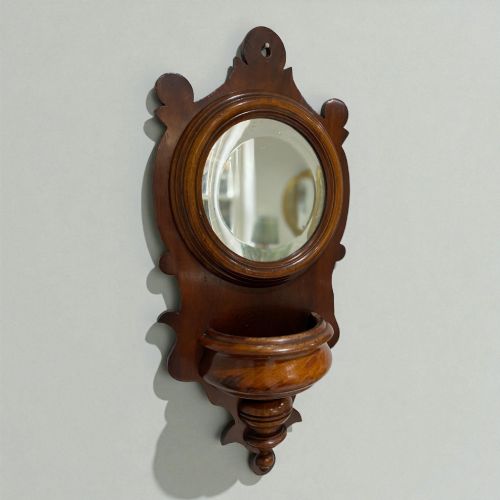
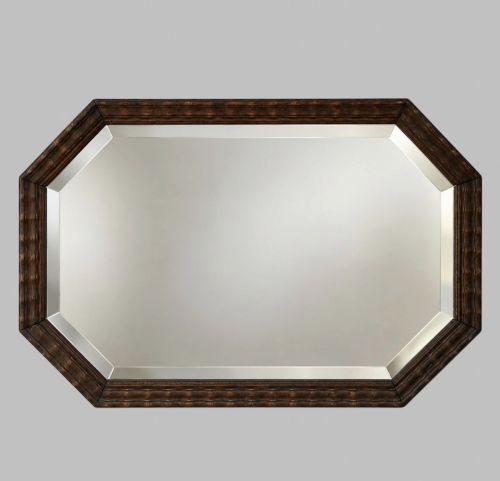
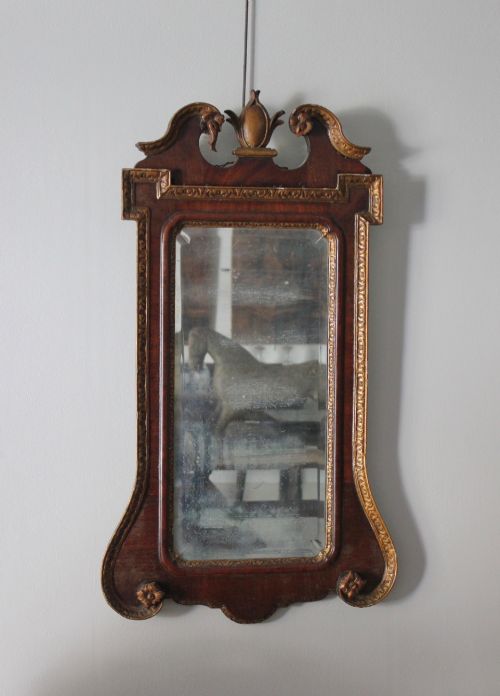
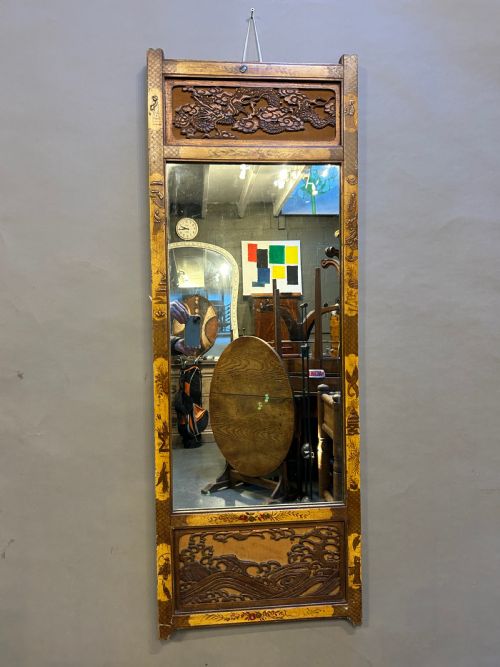
Carved details, parcel-gilt accents, and fretwork panels required specialist bench tools and precise hand-chiselling. Glass plates were traditionally hand-silvered and held within the rebate by wooden slips, sometimes featuring bevelled edges produced by skilled hand-grinding.
Brown Wood Hanging Mirror Retail Price Guide 2026
Typical asking prices for brown wood hanging mirror among the pieces listed under this phrase on Sellingantiques today, from the lower quarter to the upper quarter. They describe what is for sale here now, not the wider market.
What varies in quality
The standard of a frame rests on the choice of timber figure and the crispness of any hand-carved or fret-sawn ornament. Superior pieces display tight joinery and well-balanced proportions that respect period conventions without feeling stiff.
The condition and authenticity of the mirror plate itself influence the character of the object, with older glass often showing subtle oxidation and distortion that distinguishes it from modern replacements.
Waring and Gillow
The Brown Wood Hanging Mirror Glossary
- Fretwork
- Openwork patterns carved or pierced through thin wood using a fretsaw. This technique defined many eighteenth-century and revival wall mirror frames.
- Parcel-gilt
- Partially gilded woodwork where gold leaf highlights specific carved motifs against the dark wood ground. It adds contrast and catches candlelight or natural light.
- Pier mirror
- A tall looking glass designed to hang on the wall pier between two windows. These often incorporated lower console brackets or shelves.
- Bevel
- An angled edge ground around the perimeter of a glass mirror plate. This technique adds depth and refracts light neatly along the borders.
Brown Wood Hanging Mirror: Frequently Asked Questions
How do I hang a heavy wooden mirror safely?
Heavy frames require sturdy wall fixings screwed directly into masonry or timber studs rather than plasterboard alone. Utilising two hanging points distributes the weight evenly and keeps the piece stable.
Ensure the brass rings or wire attached to the reverse are robust enough to support the total mass of the wood and glass. Checking the integrity of the original cord or chain is essential before mounting.
Can I place these mirrors in a bathroom?
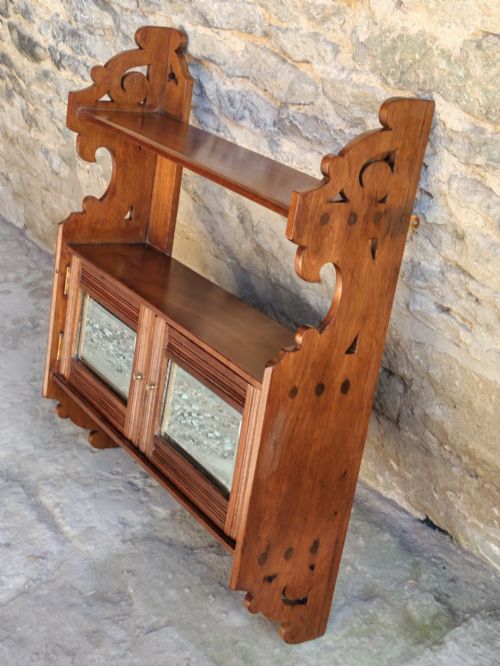
Certain oak and mahogany pieces equipped with shelves were originally made for cloakrooms or wash spaces, handling humidity reasonably well. Modern bathroom moisture, however, can damage antique wood finishes and cause silvering to lift from the glass.
If you hang one in a damp environment, ensure adequate ventilation to protect the antique timber and backboards from warping or mould growth.
How do I distinguish Georgian from Victorian frames?
Georgian mirrors often favour mahogany or walnut with restrained fretwork, swan-neck pediments, and gilded accents inspired by Palladian architecture. They prioritise symmetrical elegance and precise architectural proportions.
Victorian pieces tend to be heavier, sometimes utilising oak or darker mahogany with robust mouldings, machine-cut details, or Gothic revival motifs that reflect industrial manufacturing advances.
How should I clean antique wood and glass?
Dust the wooden frame gently with a dry, soft cloth and apply a microcrystalline wax sparingly if the surface appears dry. Avoid modern silicone polishes that can build up and soften historical finishes.
Clean the glass plate using a mild glass cleaner applied to a cloth rather than sprayed directly, preventing liquid from seeping behind the frame and staining the backing.