



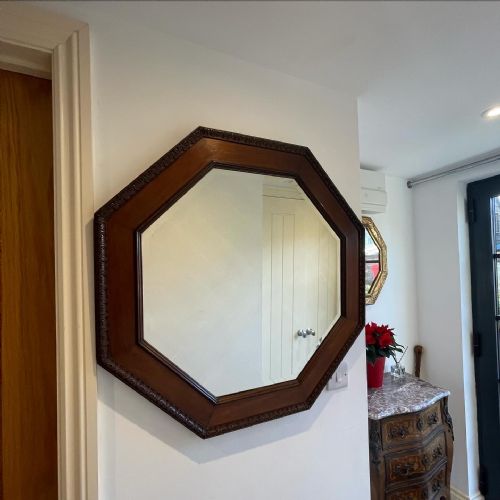


Antique Timber Vanity Mirror
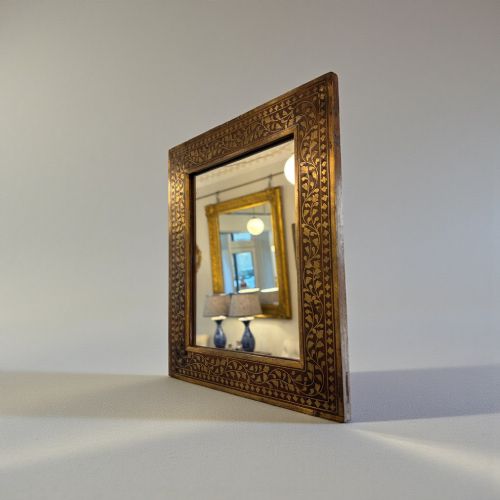
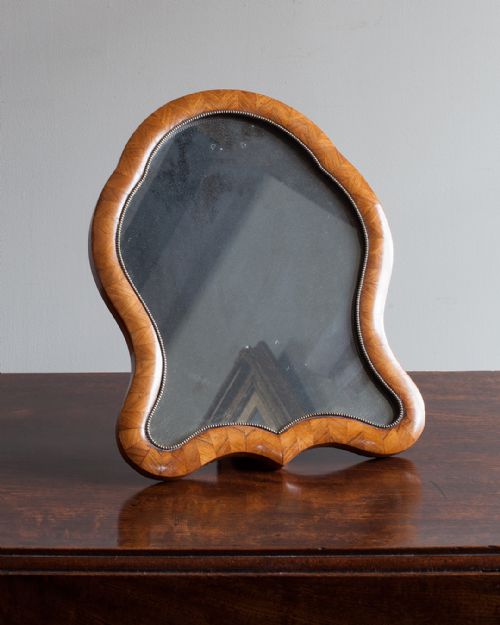
An antique timber vanity mirror brings warmth and functional elegance to a room, offering a tactile connection to historical craftsmanship.
Antique Timber Vanity Mirror
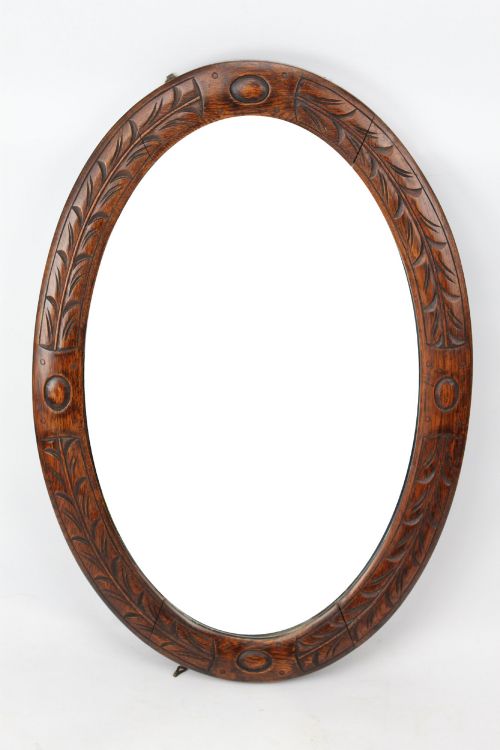
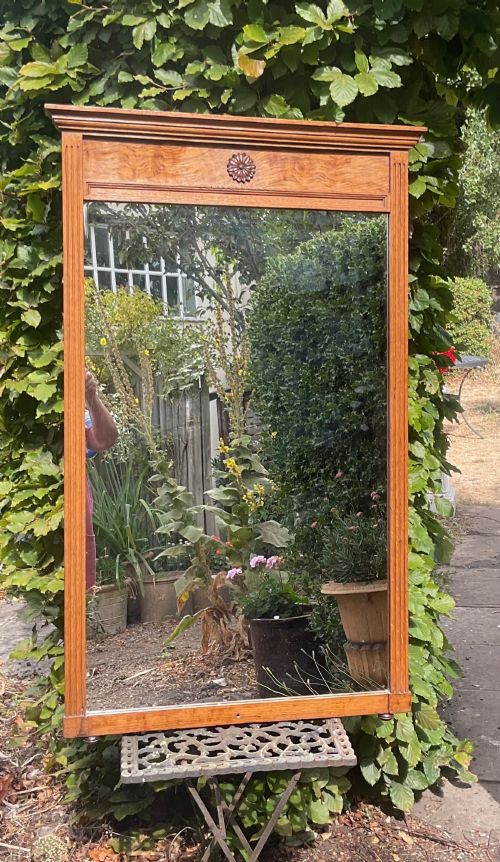
An antique timber vanity mirror is a dressing or table mirror framed in woods such as mahogany, oak, walnut, or kingwood, designed to sit upon a chest or dressing table. These pieces serve both a practical grooming purpose and a decorative role in a room, combining glass with traditional cabinetry.
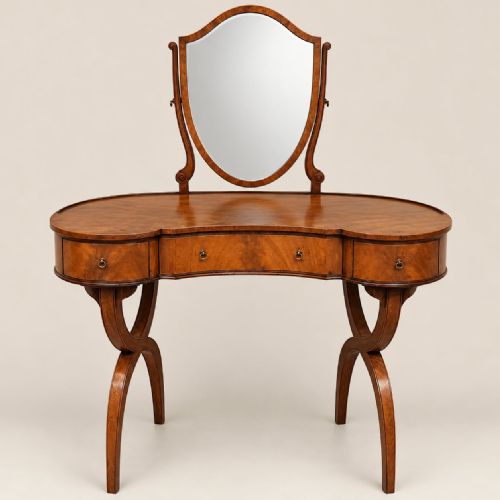
The versions most commonly met on this page span the nineteenth century and the early twentieth century, taking forms from simple rectangular table mirrors to more elaborate swivelling dressing mirrors. They appear in styles ranging from Georgian and Regency to Edwardian and Art Deco, reflecting the prevailing taste of their period.
How they were made
Cabinetmakers constructed these frames using solid timbers and veneers, frequently employing woods like mahogany, oak, and walnut. Joinery techniques such as mortise and tenon or dovetailing secured the uprights and bases, ensuring stability for the pivoting glass frame.
Carving, inlay, and marquetry added surface ornamentation to the timber frames, as seen in pieces incorporating satin walnut or Dutch marquetry. Brass fittings, including adjusting screws and hinges, allowed the mirror plate to tilt to the desired angle.
Antique Timber Vanity Mirror Retail Price Guide 2026
Typical asking prices for timber vanity mirror among the pieces listed under this phrase on Sellingantiques today, from the lower quarter to the upper quarter. They describe what is for sale here now, not the wider market.
Even the smallest table mirrors sometimes conceal surprisingly intricate brass adjustment screws designed to keep stubborn glass upright.
What varies in quality
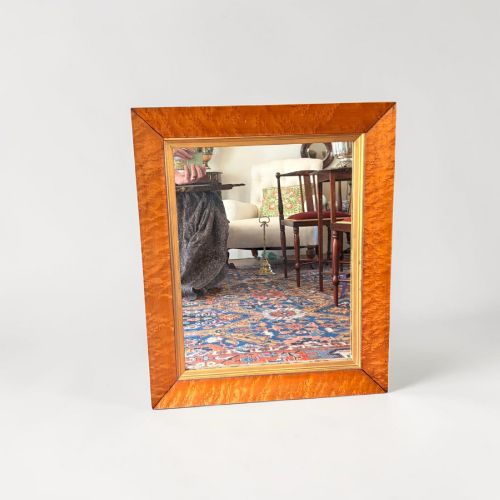
The standard of timber selection and cabinetwork largely dictates the distinction between ordinary and superior examples. Finer pieces display carefully figured wood grains, precise joinery, and well-proportioned architectural framing that harmonises with the period of its origin.
The quality of the mercury or silvered glass plate and the sophistication of secondary decorative elements, such as hand-carved details or brass hardware, further separate standard utilitarian mirrors from exceptionally finished ones.
The Antique Timber Vanity Mirror Glossary
- Kingwood
- A dense, heavily figured exotic timber often used for veneering fine furniture and small decorative objects during the nineteenth century.
- Marquetry
- The art and craft of applying pieces of veneer to a structure to form decorative designs, commonly found on Dutch pieces.
- Padouk
- A durable tropical hardwood with a rich reddish-brown colour utilised in Regency cabinetmaking.
- Satin walnut
- A lustrous timber with a fine texture frequently employed for Edwardian bedroom furniture and dressing pieces.
Antique Timber Vanity Mirror: Frequently Asked Questions
How do I date an antique timber vanity mirror?
Dating relies upon examining the timber species, construction methods, and stylistic cues present in the frame. Secondary woods at the back and the type of mirror plate offer additional clues to the era of manufacture.
Changes in hardware, such as brass screw nuts or hinge types, also help narrow down the decade in which the piece was constructed.
Where should I place a dressing mirror?
These mirrors typically sit atop a dressing chest, console table, or sideboard where they can reflect light and anchor a room's decorative arrangement. Their compact scale allows them to function effectively on top of existing wooden furniture.
Placement near a natural light source enhances their utility for grooming while brightening darker corners of a bedroom or hallway.
Are all these mirrors adjustable?
Many freestanding and table mirrors feature pivoting side pins or brass arms that allow the glass plate to tilt back and forth. This mechanical adjustability was standard for dressing mirrors to suit users of varying heights.
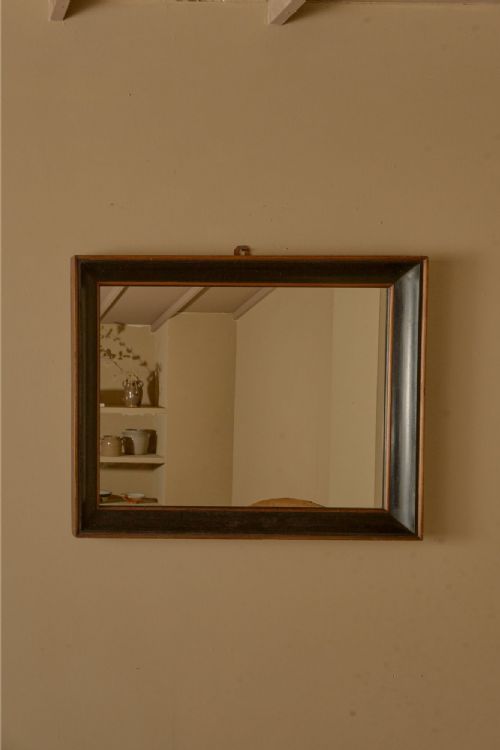
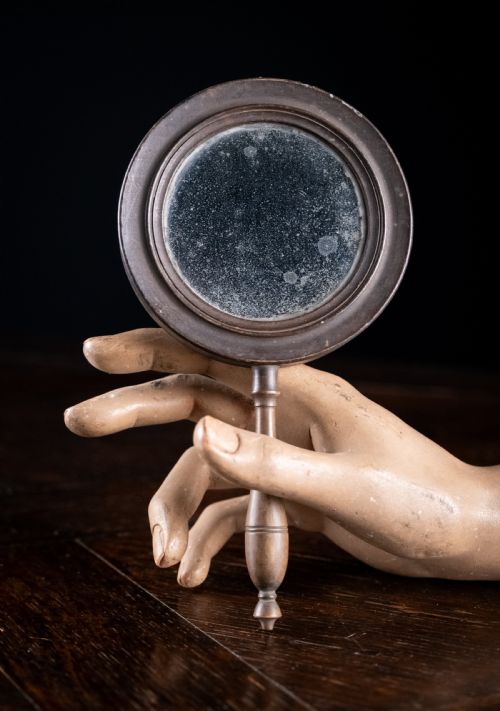
Fixed wall mirrors and certain hand mirrors do not possess this tilting mechanism, remaining static in their mounting or frame.
What woods were commonly used?
Mahogany and oak appear frequently across multiple periods, valued for their durability and attractive grain patterns. Walnut and kingwood also feature prominently in more decorative or high-status pieces.
Regional preferences and availability influenced whether a maker selected a native timber like oak or an imported hardwood.