
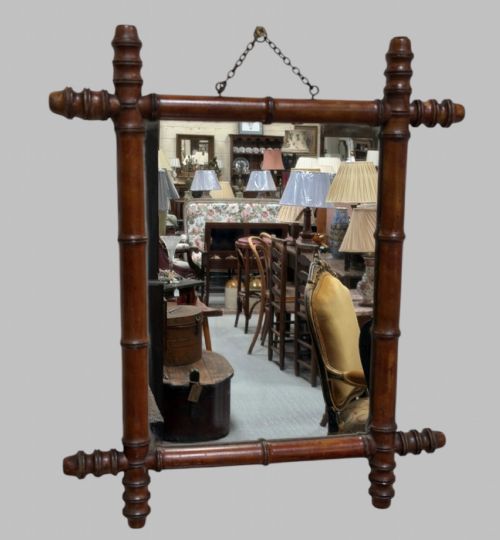
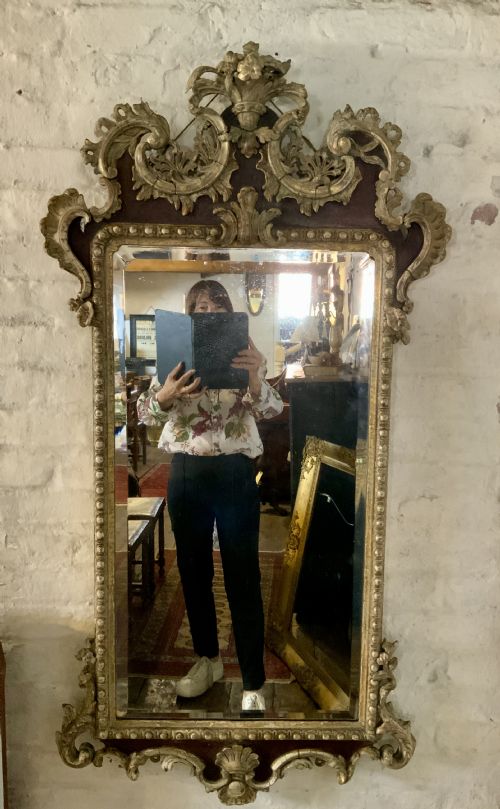
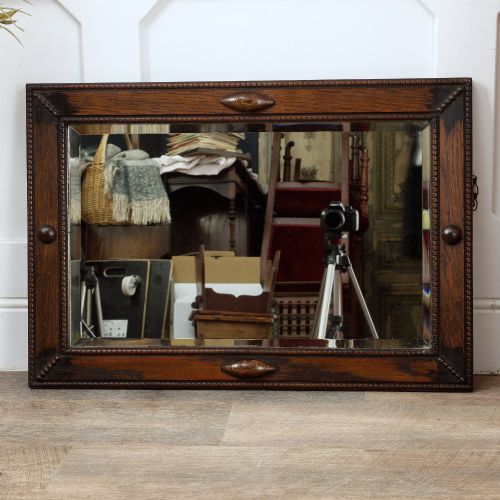
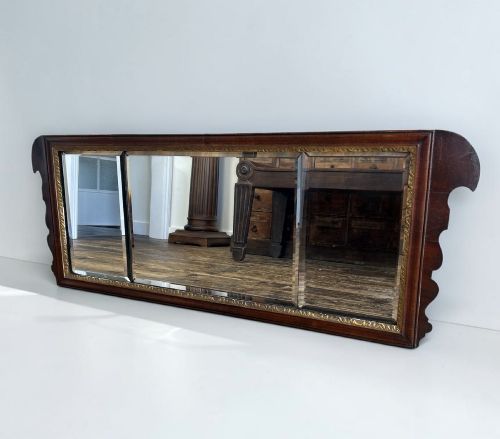
Brown Wood Frame Mirror
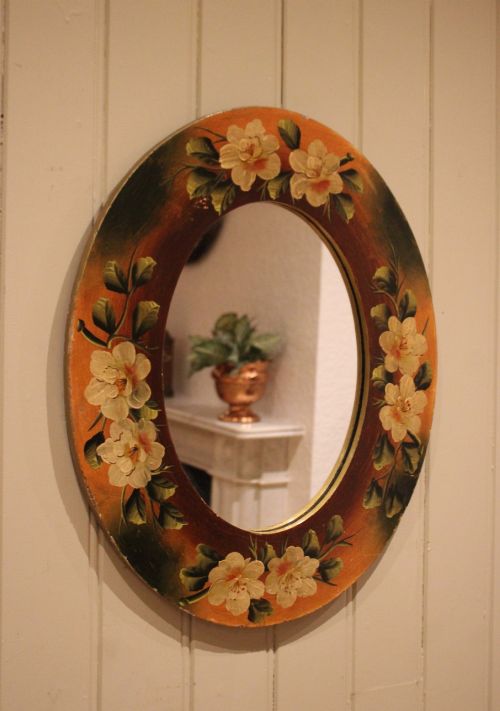
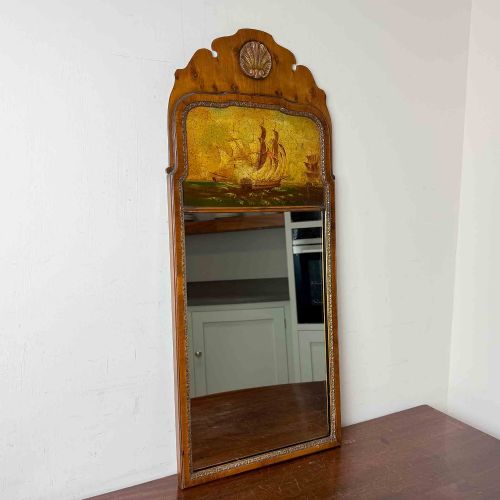
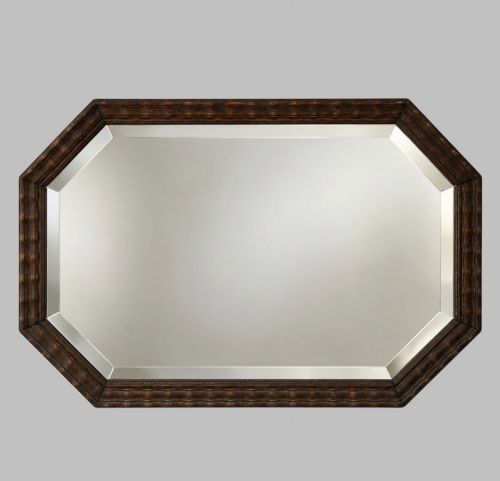
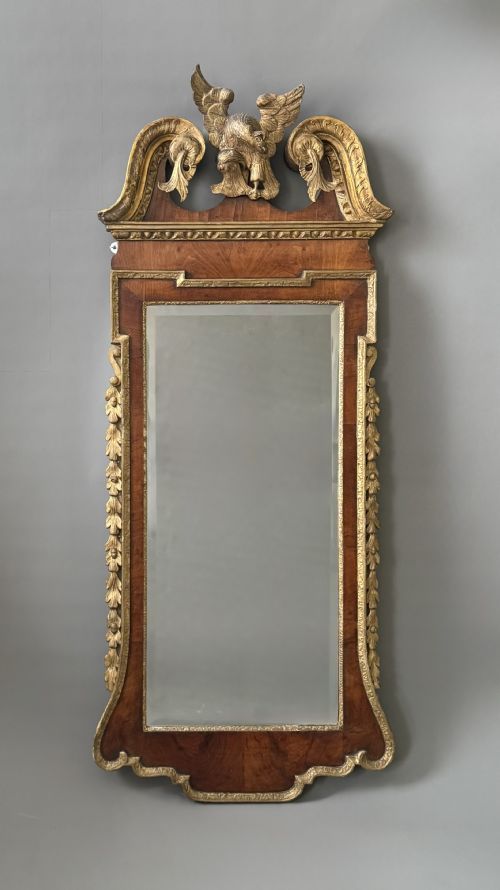
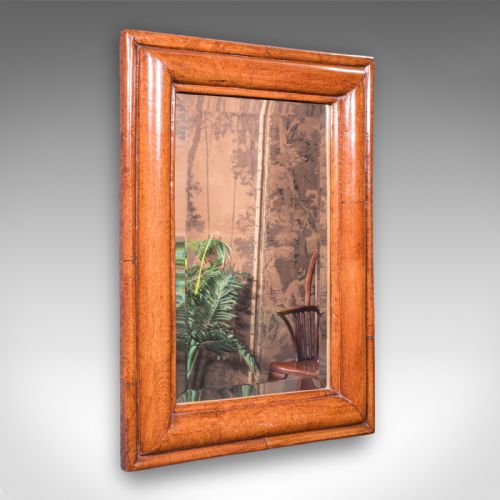
A brown wood frame mirror brings warmth and depth to a room through the natural grain of mahogany, oak, or walnut.
Brown Wood Frame Mirror
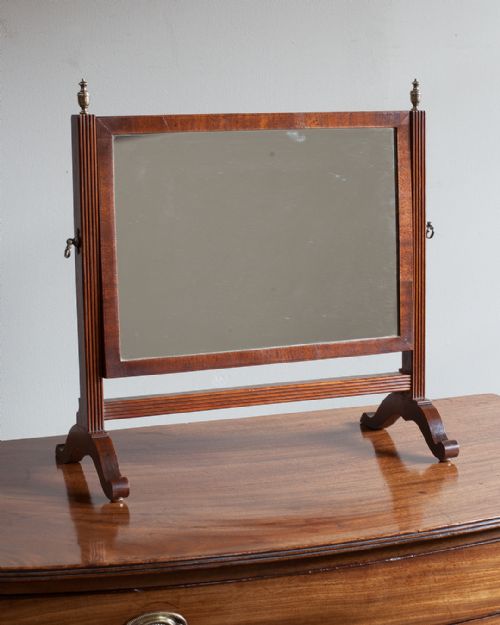
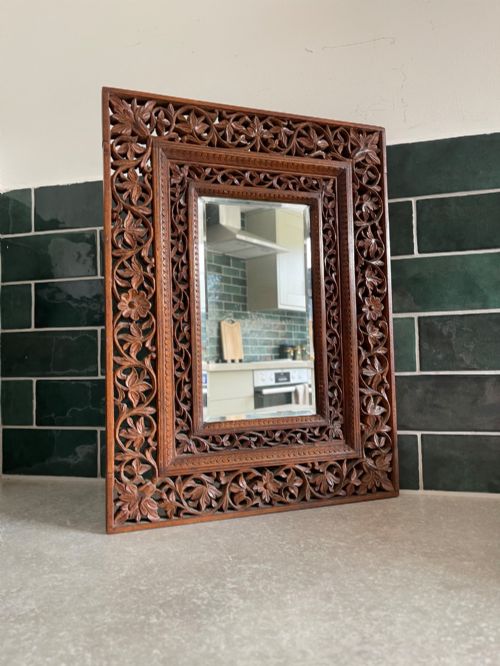
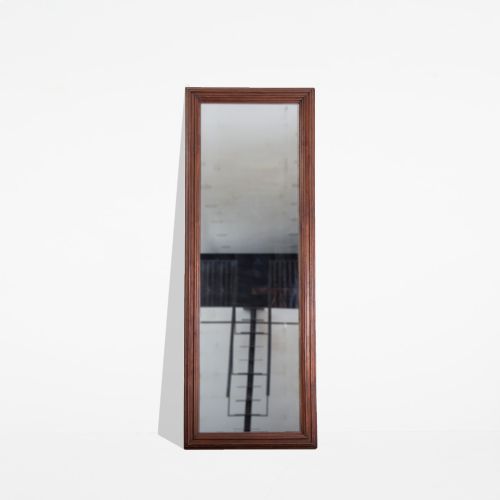
A brown wood frame mirror covers a broad spectrum of domestic looking glasses, from small swing dressing table pieces to grand overmantle mirrors designed for the hearth. When searching for a brown wood frame mirror, buyers encounter various historical forms originating across the eighteenth, nineteenth, and early twentieth centuries.
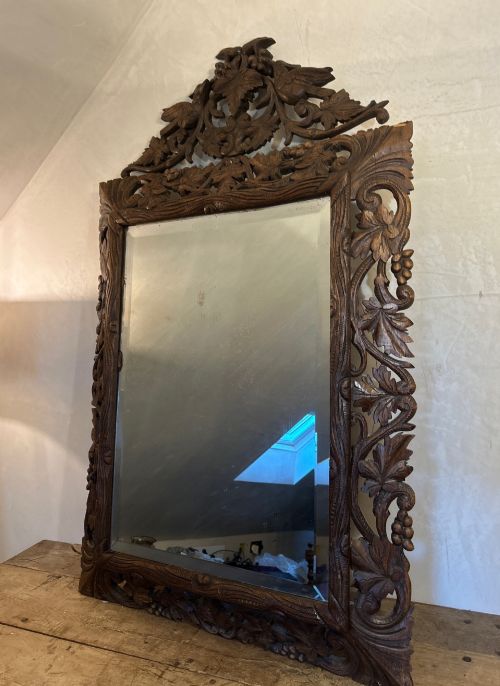
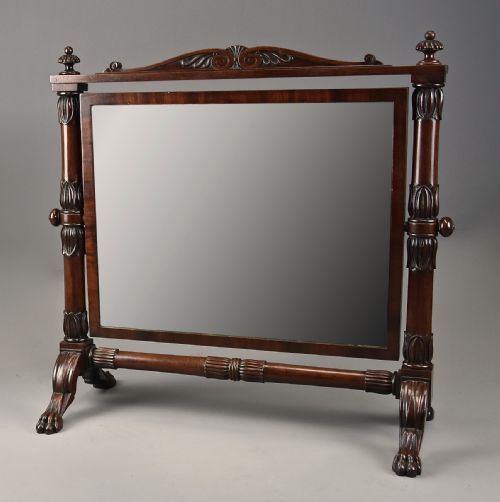
The selection ranges from Georgian fret cut walnut designs and Regency mahogany cheval mirrors to heavy Victorian oak overmantles and Edwardian wall hangings. These pieces served practical grooming and decorative light reflection in period homes, utilised across hallways, reception rooms, and bedrooms.
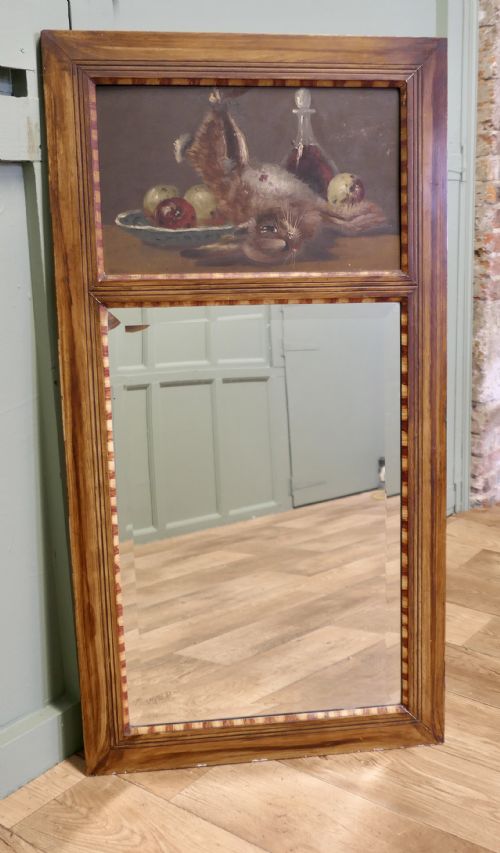
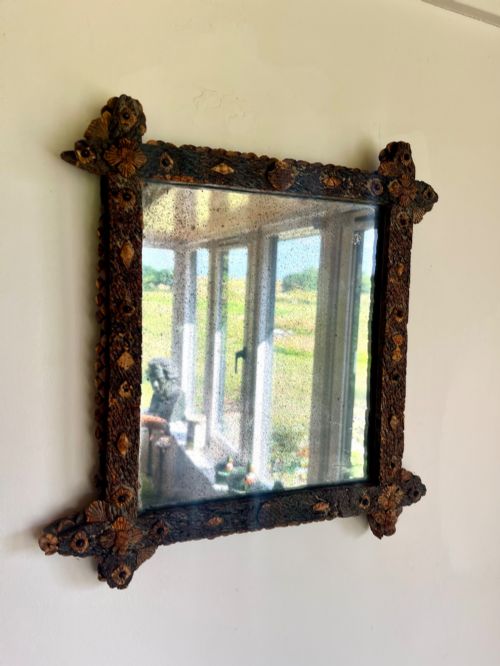
Most examples rely on timbers such as mahogany, oak, and walnut, often shaped into rectangular, oval, or arched formats. Regional variations appear too, including French country trumeau pieces, Anglo-Indian items, and cork tramp art constructions.
What varies in quality
Quality rests in the selection of the timber grain, the crispness of the hand carving, and the integrity of the original construction. Superior pieces display carefully matched veneers, such as burr walnut, and retain their original gilding or polish rather than suffering from unsympathetic modern over-finishing.
The mirror glass itself contributes significantly to the standard of the piece, with heavier, bevelled plates showing age through subtle foxing rather than modern replacement. Finer examples also maintain their original wooden backboards, hanging fixings, and structural stability within the frame joints.
Waring and Gillow·P and MA Nicholson
The Brown Wood Frame Mirror Glossary
- Cheval mirror
- A freestanding full-length mirror suspended on a vertical frame with pivoting side pivots. This form allows the glass to tilt for dressing and full-length viewing.
- Overmantle mirror
- A large horizontal mirror specifically designed to hang on the wall directly above a fireplace mantelpiece. These often feature architectural mouldings or elaborate carved crests.
- Trumeau mirror
- A tall wall mirror incorporating a painted panel or an oil painting above the glass plate. Originating in France, these pieces frequently integrated into wall panelling.
- Fret mirror
- A wall mirror featuring a flat wooden frame cut with decorative scrollwork and pierced fret patterns. These are typical of the Georgian period and require careful timber selection to prevent splitting.
- Parcel gilt
- A decorative technique where specific raised carved details of a wooden frame are selectively covered in gold leaf. This contrasts sharply with the dark brown wood grain underneath.
Brown Wood Frame Mirror: Frequently Asked Questions
How do I date a wooden mirror?
Dating relies on examining the timber species, the construction of the backboards, and the method used to cut the frame. Earlier pieces often show hand-sawn marks and pegged joinery, while later Victorian and Edwardian examples utilise machine-sawn components and different finishing materials.
The mirror plate itself offers clues through its thickness and bevelling style. Older plates may exhibit slight distortions or foxing spots within the silvering, though plates are frequently replaced over centuries of use.
What is a cheval mirror used for?
A cheval mirror functions as a freestanding dressing glass that tilts within a supportive floor frame. Originating to assist with full-length attire checks, these pieces traditionally stood in bedrooms and dressing rooms.
Their mobility allows them to be repositioned easily to catch natural daylight without requiring wall installation. They remain practical bedroom furnishings today.
Why do some antique mirrors have wavy glass?
Older glass manufacturing methods involved blowing or cylinder-drawing molten glass, which naturally produced slight thickness variations and surface ripples. These historical manufacturing quirks create the characteristic distortion seen in antique mirror plates.
Rather than a defect, this wavy appearance confirms the age and authenticity of the glass plate. Modern replacement glass typically lacks this optical characteristic.