

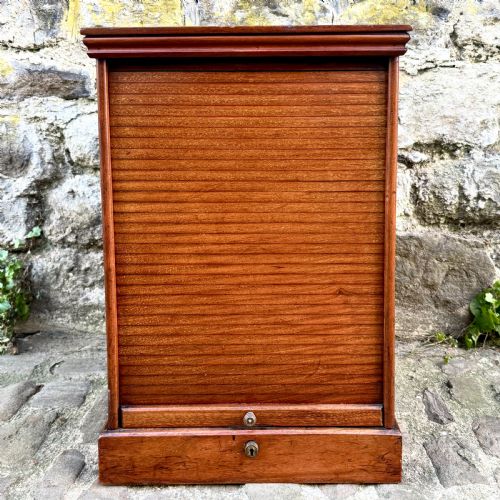
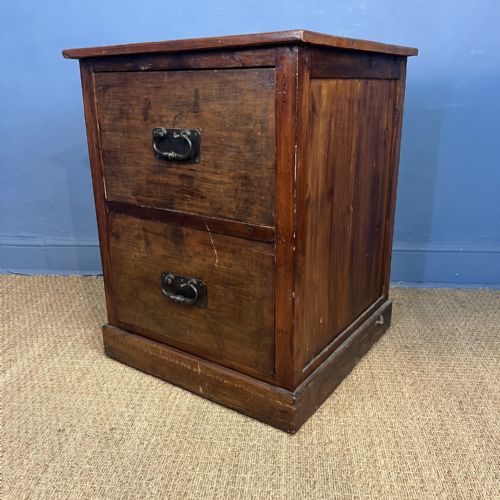
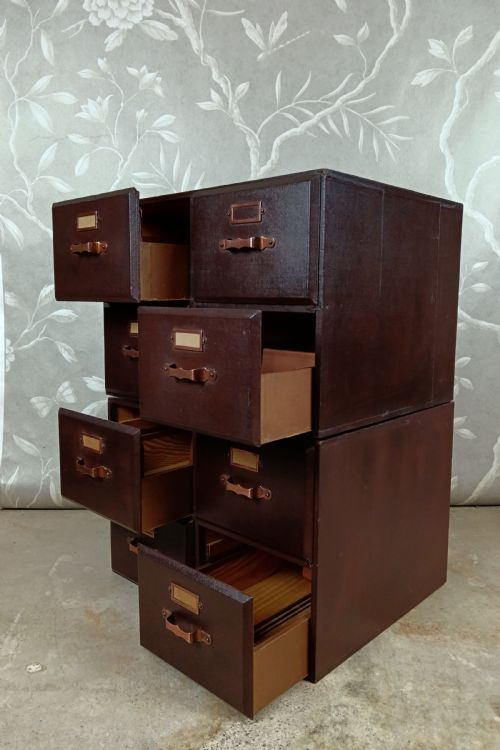


Brown Wood Filing Cabinet
A brown wood filing cabinet brings genuine period character and disciplined storage to a room, offering warm timber tones alongside functional drawers.
Brown Wood Filing Cabinet
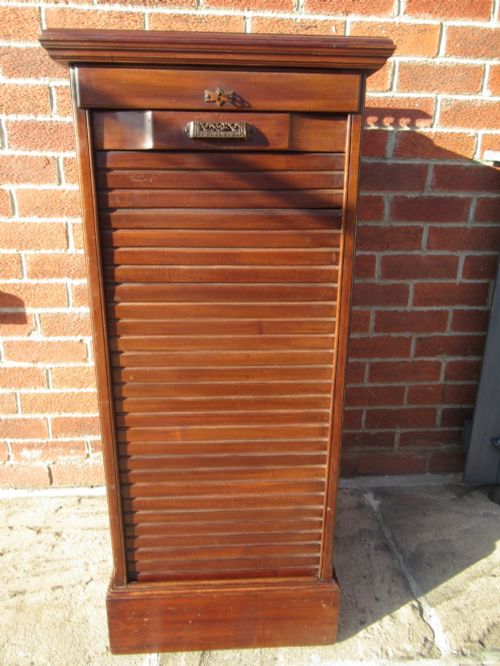
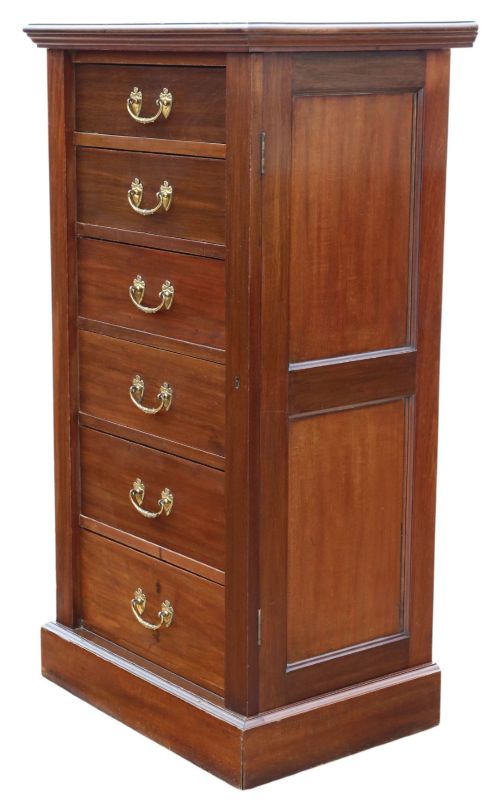
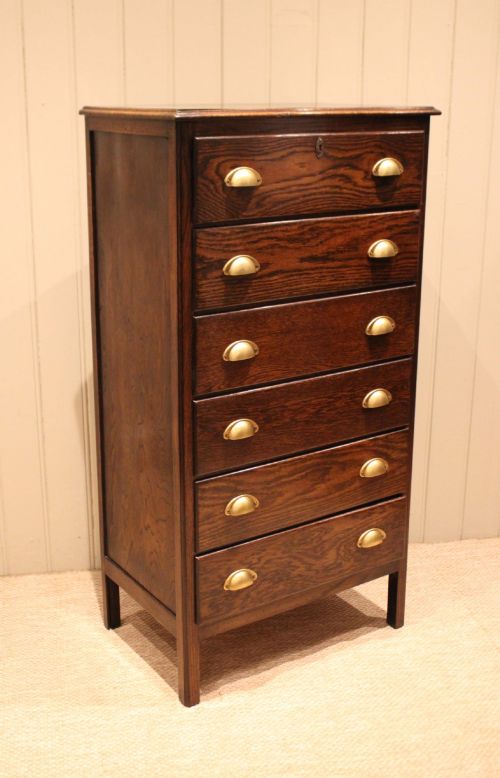
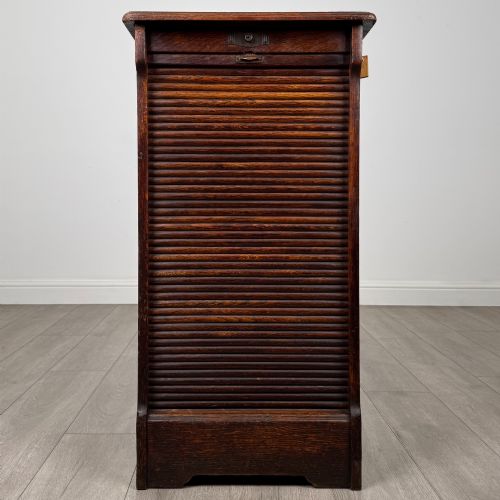
A brown wood filing cabinet provides practical storage through timber construction, appearing in forms such as Wellington chests, tambour cabinets, bank chests, and library card units. These pieces serve domestic studies, libraries, and offices where utility meets traditional craftsmanship.
Origin and stylistic influences vary widely, ranging from Anglo-Indian designs and French Rococo Revival to Arts and Crafts simplicity and Edwardian Chippendale revivals. Most examples rely on banks of graduated drawers, tambour shutters, or specialised card filing layouts.
Materials and construction
Cabinet makers utilised dense hardwoods such as mahogany, walnut, oak, rosewood, and teak to build durable carcasses capable of housing heavy paper collections. These timbers were selected for grain pattern as well as structural strength, often polished to a high sheen.
Metal fittings including brass handles, card holders, and patent locking mechanisms were integrated into the wooden structures to secure documents and drawers. Specialised variations incorporated canvas elements or iron supports alongside traditional joinery techniques.
Brown Wood Filing Cabinet Retail Price Guide 2026
Typical asking prices for brown wood filing cabinet among the pieces listed under this phrase on Sellingantiques today, from the lower quarter to the upper quarter. They describe what is for sale here now, not the wider market.
Listings feature oak, walnut, and mahogany alongside less common timbers such as teak, rosewood, and canvas.
Judging quality and finish
Superior examples demonstrate refined timber selection with matched veneers or solid hardwood construction, complemented by crisp carving and smooth drawer operation. The integration of patent mechanisms, such as Amberg systems or tambour slats, indicates higher grade workshop production.
Lesser specimens display simpler secondary timbers, coarser joinery, or replacement hardware that disrupts the period integrity. The depth of the polished finish and the preservation of original stamped makers or patent details also separate standard commercial storage from finer decorative pieces.
Amberg·Victor Raulin
The Brown Wood Filing Cabinet Glossary
- Wellington chest
- A tall, narrow chest of drawers traditionally secured by a hinged locking side pilaster bar. This design keeps documents private.
- Tambour cabinet
- A storage unit featuring a flexible shutter door made of narrow wood strips glued to canvas. The door slides smoothly around a track to conceal the interior.
- Cartonnier
- A piece of furniture fitted with multiple tiers of boxes or drawers designed to hold papers and documents. Originating in France, these units often sit atop desks or serve as independent cabinets.
- Bank chest
- A multi-drawer storage unit built to hold large quantities of small items or documents. These pieces were common in commercial offices and libraries.
- Graduated drawers
- A series of drawers arranged vertically from smallest at the top to largest at the bottom. This layout balances visual weight and optimizes storage capacity.
Brown Wood Filing Cabinet: Frequently Asked Questions
What is a tambour cabinet?
A tambour cabinet uses a flexible slatted wooden door that slides along a track to open and close. This mechanism allows access to the interior without requiring clearance space for hinged doors.
Such designs were popular for office and library furniture where space efficiency mattered. The wooden slats are typically mounted on fabric to ensure smooth movement.
How do I date a wooden filing cabinet?
Dating relies on examining the timber species, construction methods, hardware, and stylistic details. Edwardian and Victorian pieces often show machine-cut dovetails and specific brass pulls.
Earlier examples from the eighteenth century or early nineteenth century feature hand-cut joinery and different patination. Patent marks or stamps on the hardware also help establish a precise timeframe.
Where should I place a vintage filing cabinet?
These cabinets suit studies, home offices, and living rooms where they provide functional document storage while adding warmth. Their timber construction coordinates well with traditional desks and bookshelves.
Positioning them away from direct sunlight and heat sources protects the polished wood and prevents veneer cracking. Proper placement ensures the drawers open freely without obstruction.
Are these cabinets suitable for modern paper sizes?
Many antique filing cabinets and card indexes were built for specific historical document formats, stationery, or library cards rather than standard modern folders. Buyers should check internal drawer dimensions to ensure their specific files fit.
Smaller bank chests and music cabinets work well for letters, notebooks, and craft supplies. Larger folio and Wellington chests offer deeper storage for varied paperwork.