



Antique Paper Filing Cabinet
These antique paper filing cabinets bring genuine period organisation to a room, offering clever storage for correspondence and documents.
Antique Paper Filing Cabinet
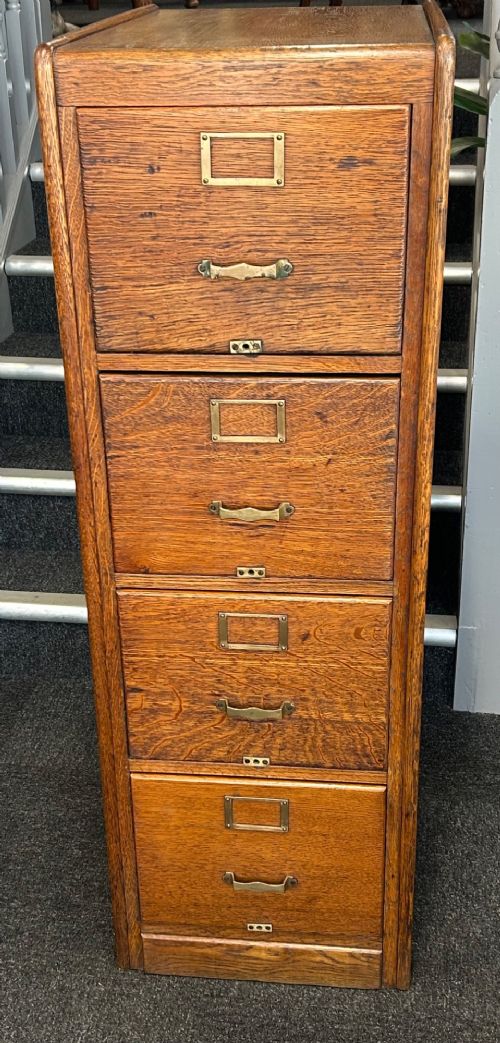
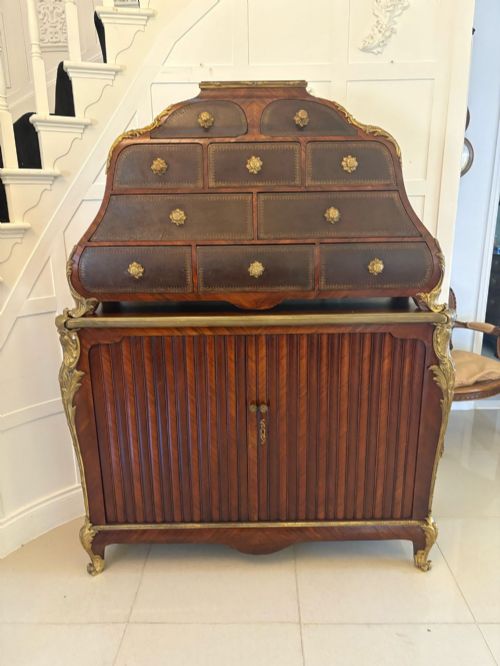
When you search for an antique paper filing cabinet, you encounter several distinct forms spanning multiple centuries. The selection ranges from British office pieces to continental library pieces, encompassing filing cabinets, music cabinets, cartonnier cabinets, and banks of drawers.
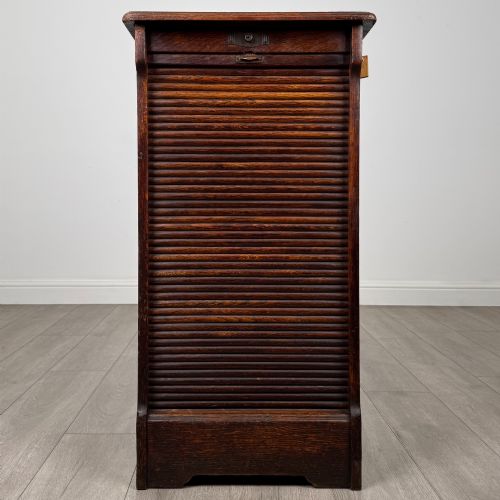
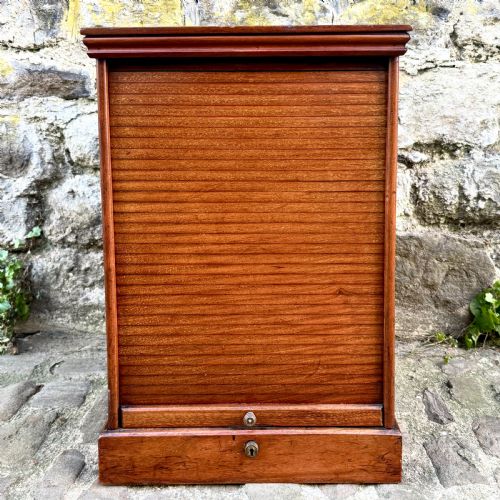
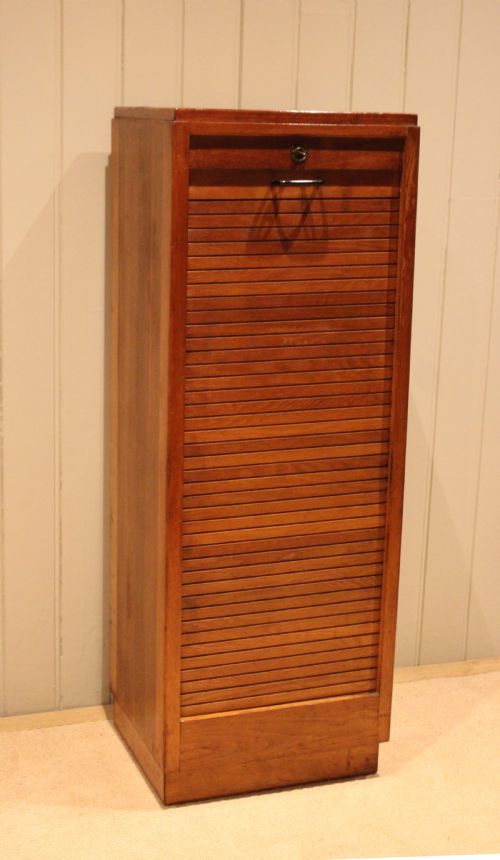
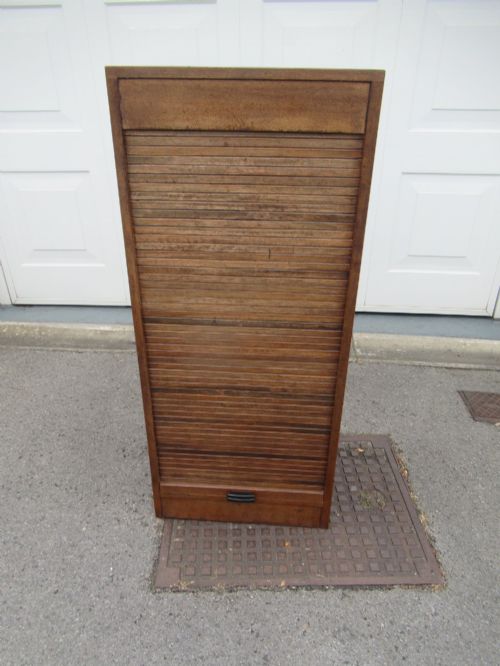
The most common version met on this page is the oak tambour front filing cabinet from the Edwardian era and the early twentieth century. These domestic and office pieces feature slatted wooden shutters that slide smoothly around a track to conceal internal document trays.
Materials and construction
Timbers dictate the character of these pieces, with solid oak and mahogany providing the primary structure for British office furniture. Finer decorative examples utilise rosewood, walnut, kingwood, and beech veneers.
Brass hardware appears consistently across the selection, providing functional pulls, handles, and escutcheons. Ormolu mounts enhance several of the French cartonnier pieces, adding gilt bronze detail to the hardwood bodies.
Tambour construction requires considerable joinery skill to create flexible shutters from small wooden strips fixed to canvas or leather backing. This allows the mechanism to curve around the sides of the cabinet housing.
Antique Paper Filing Cabinet Retail Price Guide 2026
Typical asking prices for paper filing cabinet among the pieces listed under this phrase on Sellingantiques today, from the lower quarter to the upper quarter. They describe what is for sale here now, not the wider market.
Tambour front filing cabinets appear alongside music cabinets, cartonnier cabinets, and multi-drawer banks.
Distinctions in craftsmanship
Quality reveals itself in the execution of the mechanism and the selection of timber. Superior tambour doors glide effortlessly within their grooves without binding, constructed from cleanly cut wooden slats that show consistent grain.
Cabinetmaking standards appear in the drawer construction and internal fittings. Dovetailed joints, secondary hardwoods for drawer linings, and original brass hardware distinguish finer workshops from utility office furniture.
Victor Raulin
The Antique Paper Filing Cabinet Glossary
- Tambour
- A flexible shutter door formed of narrow wooden slats glued to canvas or leather backing. This mechanism slides along tracks to close the front of a cabinet without requiring clearance for swinging doors.
- Cartonnier
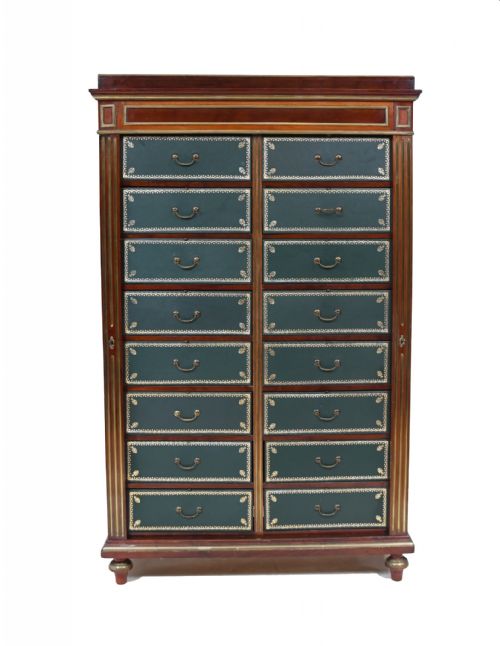
- A decorative cabinet designed to hold upright cardboard or leather document boxes called cartons. Originating in France, these pieces often feature tiered compartments for official papers and correspondence.
- Escutcheon
- A protective plate surrounding a keyhole. On these cabinets, brass escutcheons frequently complement matching drawer pulls and handles.
- Ormolu
- Gilt bronze ornamentation applied to furniture. This decorative technique appears on French nineteenth-century pieces to highlight architectural corners and mounts.
Antique Paper Filing Cabinet: Frequently Asked Questions
What is a cartonnier used for?
A cartonnier served as a specialised piece of furniture for sorting and storing important letters, documents, and state papers. The interior typically holds a series of stacked, leather-labelled boxes rather than standard drawers.
These refined cabinets originated in formal French libraries and studies where paperwork needed orderly concealment. Today, they function well as decorative desktop organisers or focal points in a study.
How do I care for antique wood?
Protect the timber surfaces by keeping these cabinets away from direct sunlight and strong heat sources. Excessive dryness causes old wood and veneers to shrink and crack over time.
Apply a traditional beeswax polish occasionally and buff with a soft cloth to maintain the lustre. Avoid silicone-based sprays, which build up residue and harm antique finishes.
Are these cabinets suitable for modern paper?
Many Edwardian and twentieth-century filing cabinets accommodate standard modern paper sizes within their internal wooden trays. Music cabinets and older cartonnier sections were built for older manuscript and folio dimensions.
Check the internal drawer dimensions before purchasing if you intend to store contemporary folders. The shallow drawers suit documents, stationery, and collections rather than modern suspended files.