
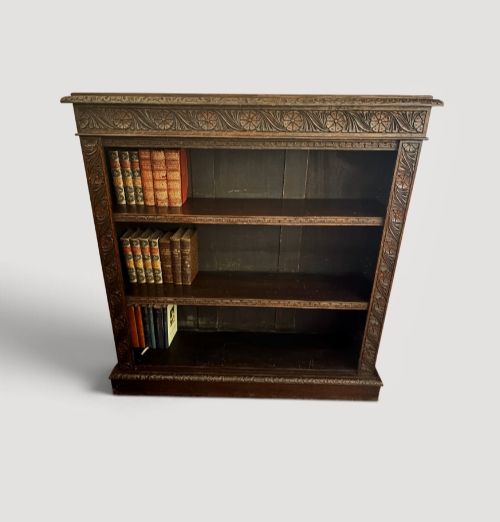
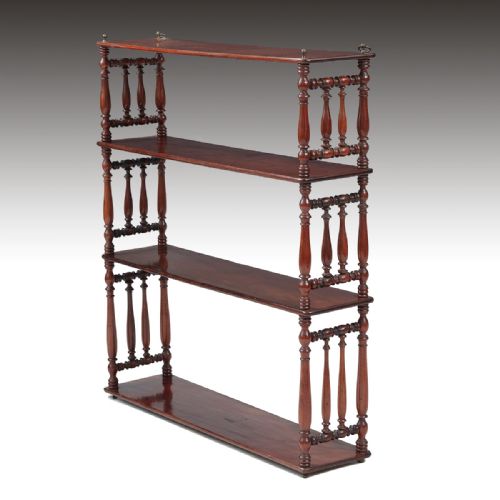
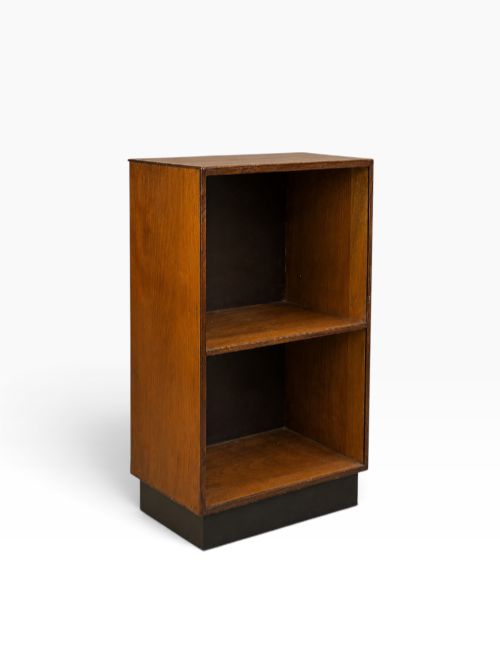
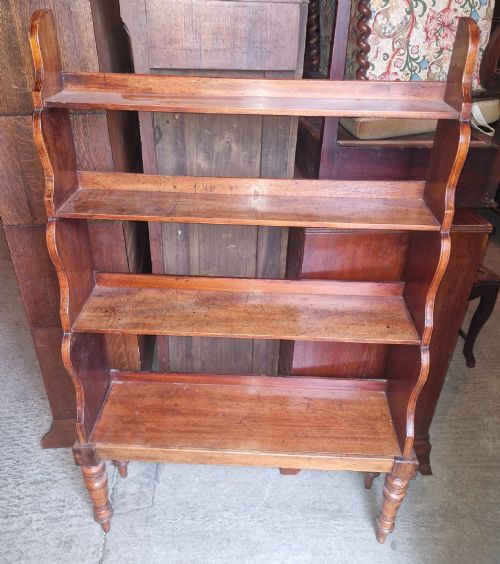
Brown Wood Bookshelves
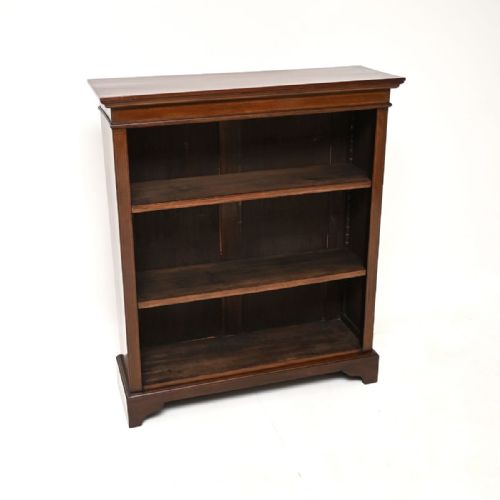
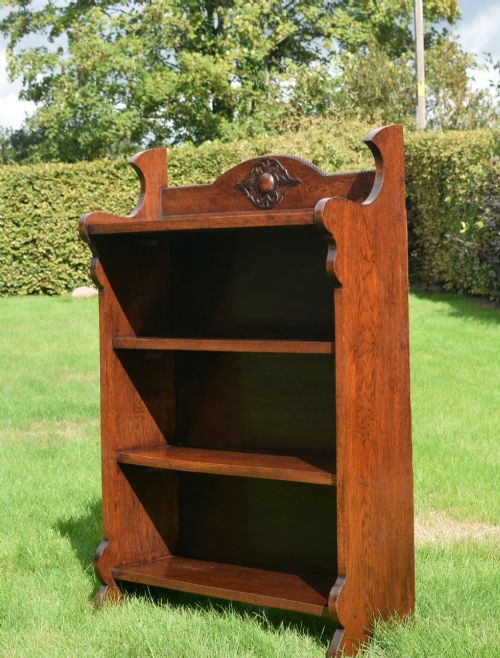
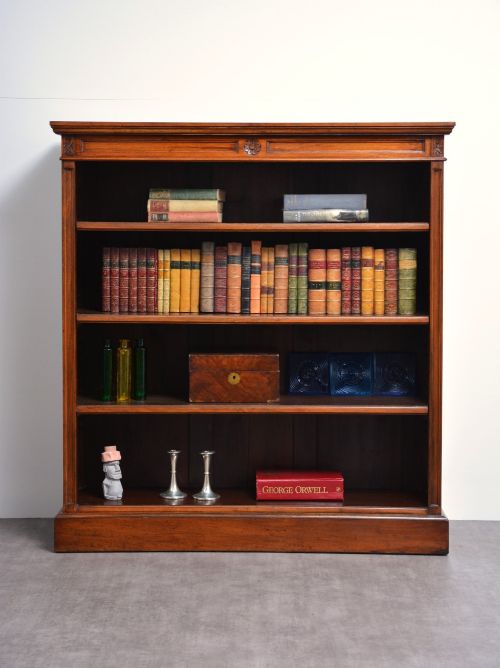
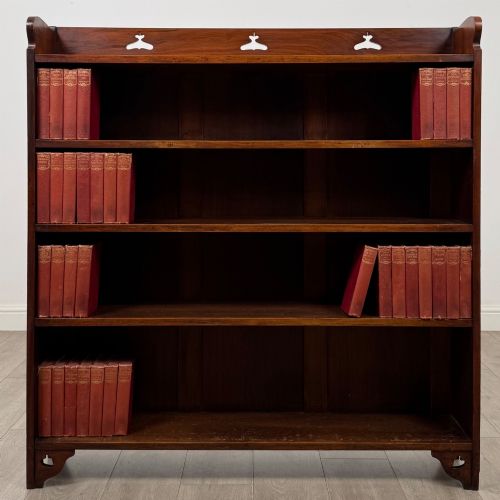
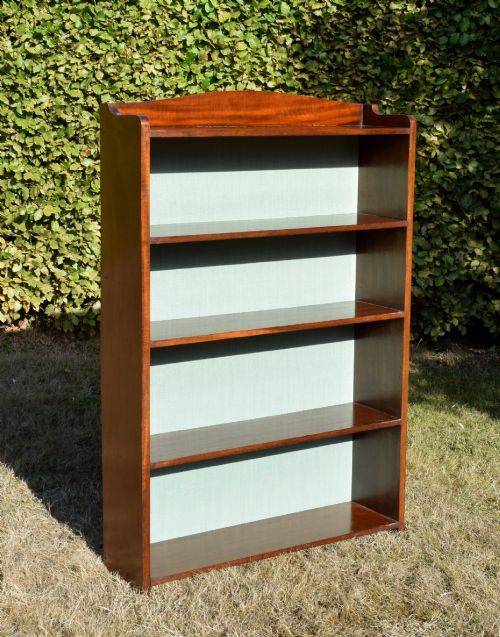
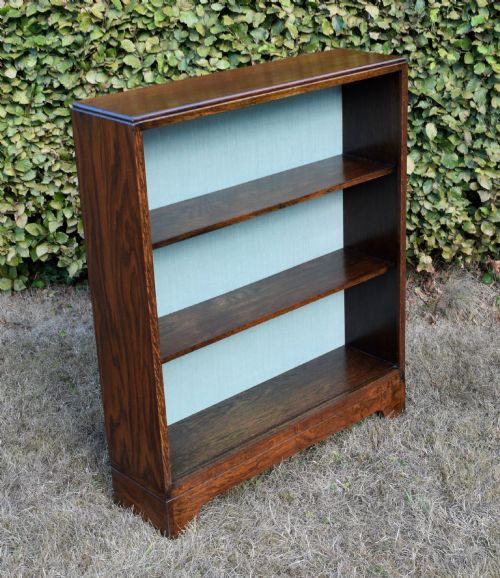
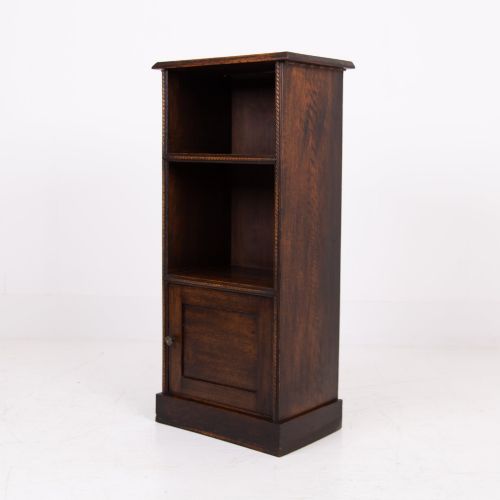
Brown wood bookshelves bring warmth and utility to a room, offering sturdy housing for volumes in mahogany, oak, and walnut.
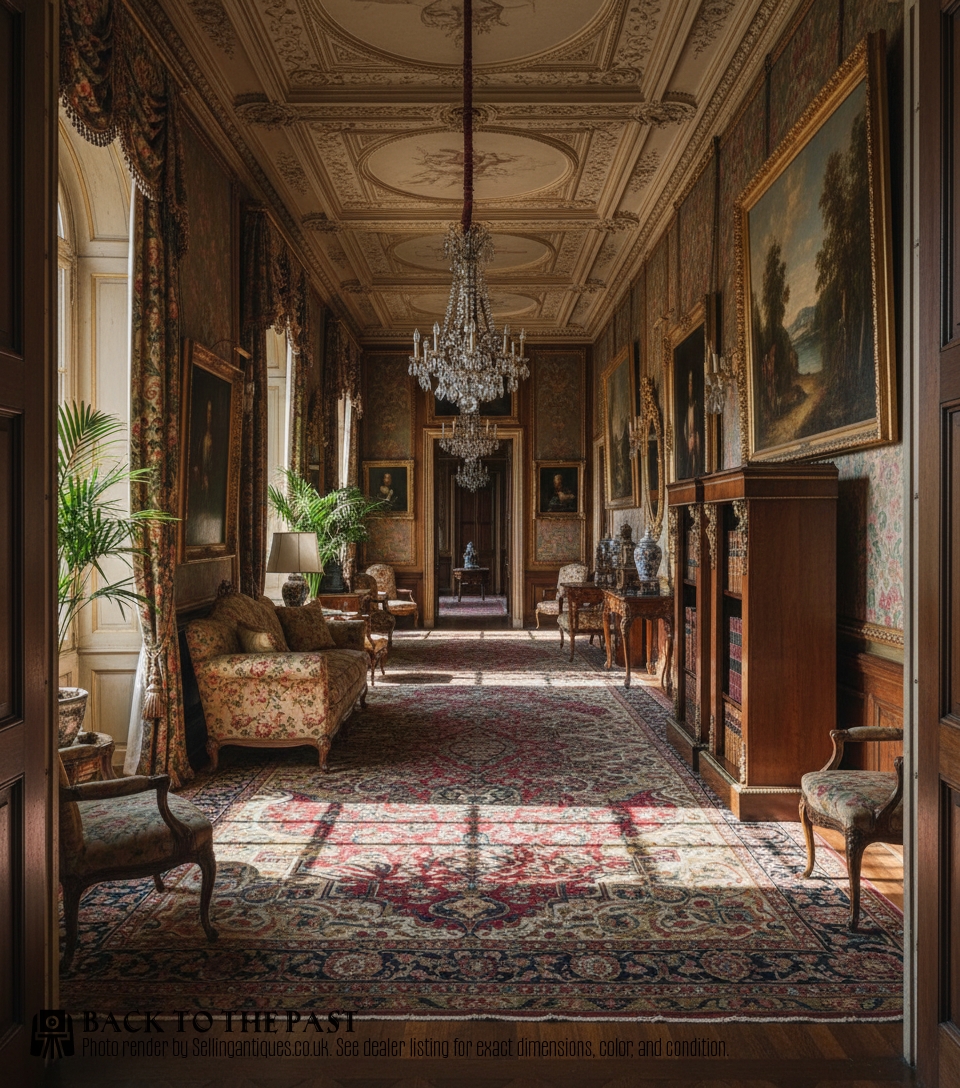
Brown Wood Bookshelves
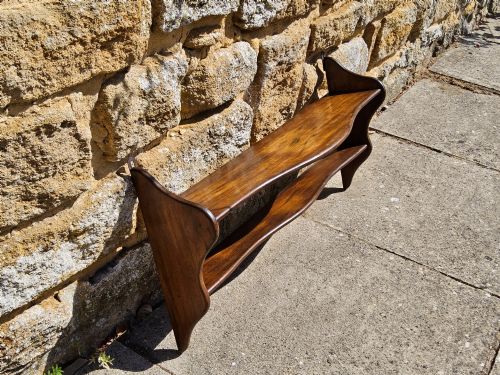
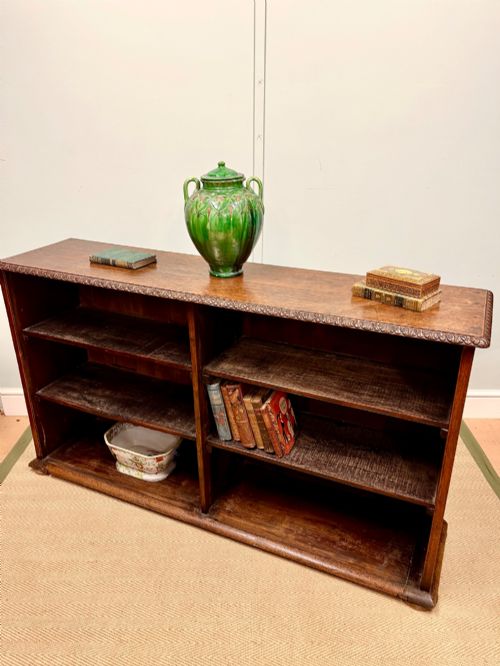
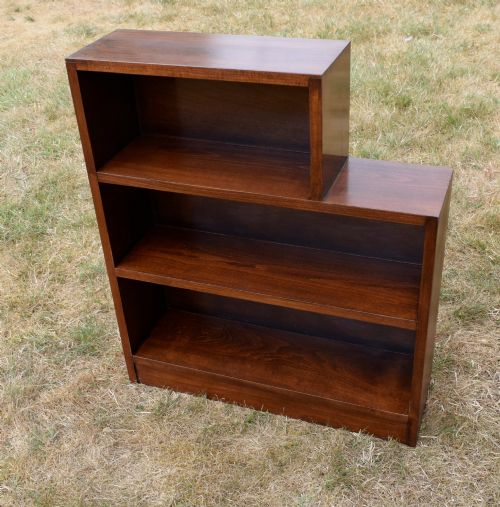
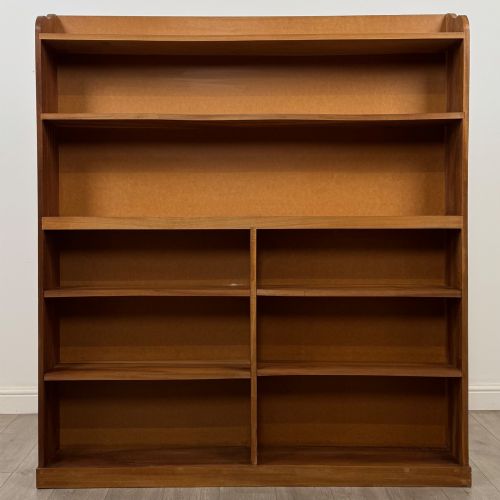
The selection includes specialised forms such as waterfall bookcases, dwarf bookcases, whatnots, and low open library units. These pieces span periods from the Georgian era through the Arts and Crafts movement and Art Deco decades, reflecting diverse regional and stylistic preferences.
Materials and Construction
Cabinetmakers utilised solid timbers and choice veneers, applying mahogany, oak, walnut, and teak for structural integrity and visual depth. Inlays of satinwood and the use of burr walnut introduced contrasting tones and striking grain patterns.
Hardware details such as brass castors appeared on specialised cabinet forms, while adjustable shelving systems allowed flexible interior arrangements. Carving and beaded edges demonstrated traditional cabinetmaking techniques across nineteenth and twentieth-century workshops.
Listings feature mahogany, oak, walnut, teak, pine, and satinwood across Victorian, Edwardian, Regency, and Art Deco styles.
Assessing Quality
The choice of primary timber and veneer selection dictates the initial visual impact, with figured grains like flame mahogany and burr walnut marking superior examples. Finely executed inlay work and crisp hand-carved details separate standard production from exceptional pieces.
Structural enhancements such as adjustable shelving mechanisms, integrated cupboards, and solid brass castors indicate higher workshop standards. The integrity of the timber joints and the preservation of the original polished surface finish complete the assessment.
The Brown Wood Bookshelves Glossary
- Waterfall bookcase
- A tiered set of open shelves diminishing in depth from bottom to top. This form appeared frequently in mahogany during the nineteenth century.
- Revolving bookcase
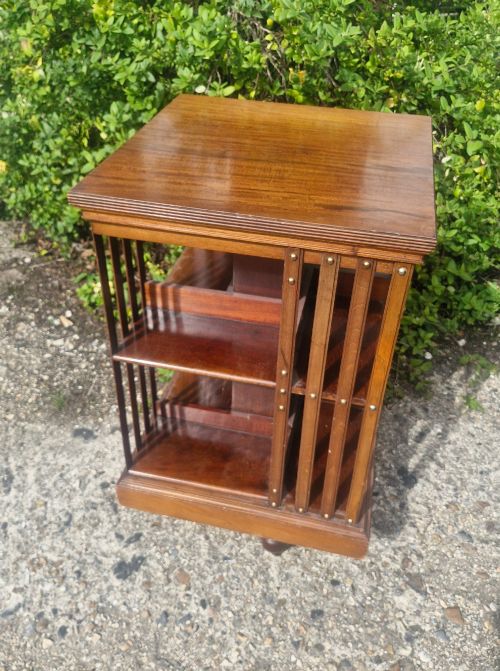
- A compact table-top or floor-standing unit designed to rotate on a central axis for easy book selection. Edwardian examples often featured inlaid mahogany.
- Whatnot
- A multi-tiered piece of furniture used for displaying books and ornaments. These items frequently incorporated open shelves supported by slender uprights.
- Dwarf bookcase
- A low open bookshelf designed to sit beneath dado height. Regency and Victorian makers produced these in mahogany and walnut.
- Open bookcase
- A shelving unit without doors, providing direct access to the interior contents. These range from small oak variants to large institutional library pieces.
Brown Wood Bookshelves: Frequently Asked Questions
What periods do these bookcases cover?
The pieces span from the eighteenth century through the Victorian and Edwardian eras into the Art Deco period of the 1930s.
Maker styles include Regency, Arts and Crafts, and traditional twentieth-century designs.
Are the shelves adjustable?
Many of the open bookcases and library units feature adjustable shelving systems to accommodate varying book heights.
Fixed shelves also appear, particularly in smaller wall-hung or specialised display formats.
What timbers were used?
Construction relies primarily on hardwoods such as mahogany, oak, walnut, and teak, supplemented by pine and ash.
Decorative elements incorporate satinwood inlay and burr walnut veneers.
How do I identify a waterfall bookcase?
A waterfall bookcase is characterised by stepped, open shelves that recede in depth from the base to the top tier.
These pieces often stand on brass castors and feature inlaid mahogany.