




Traditional Oak Library Shelves
Traditional oak library shelves offer the solid utility and honest timber that define domestic study spaces.
Traditional Oak Library Shelves
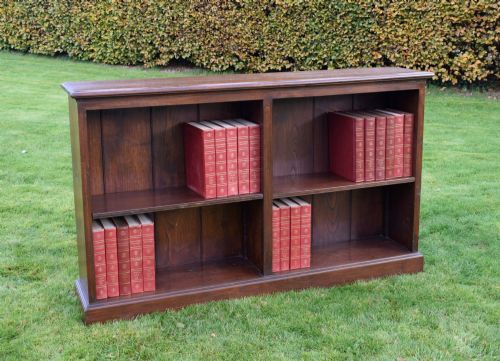
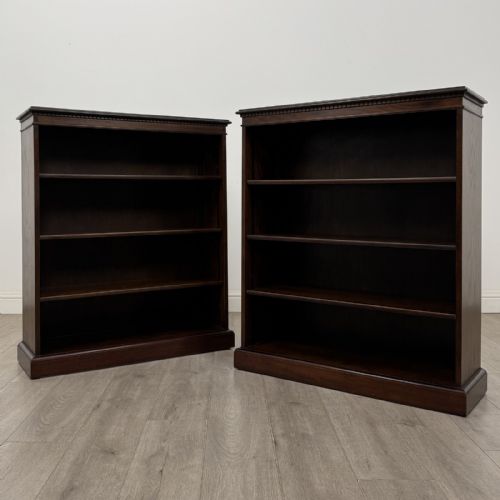
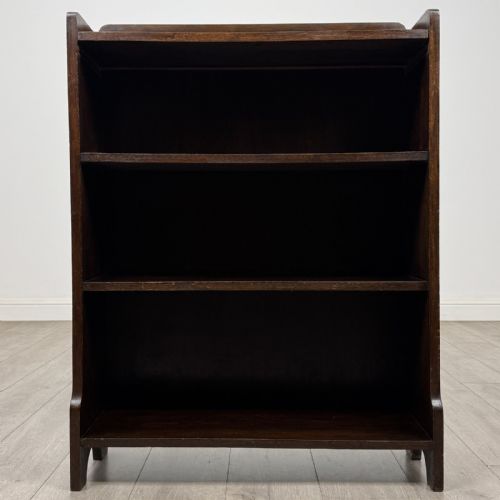
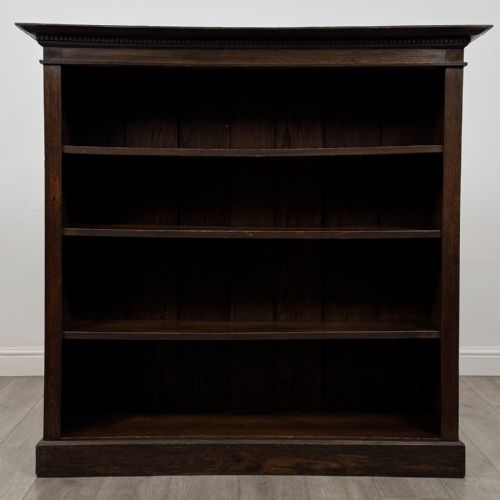
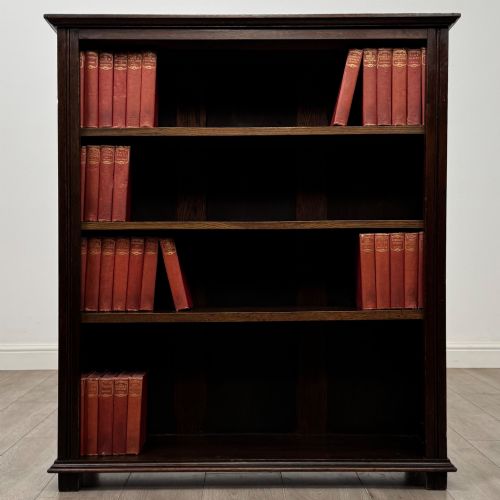
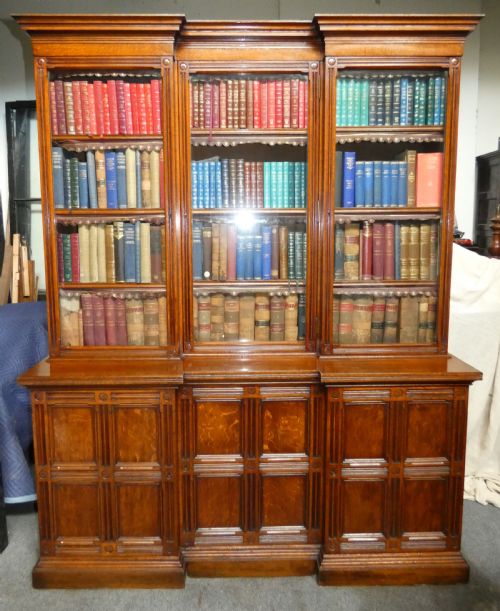
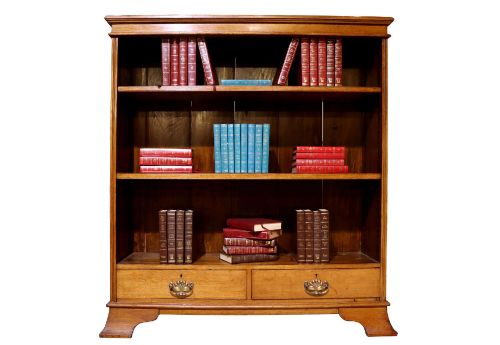
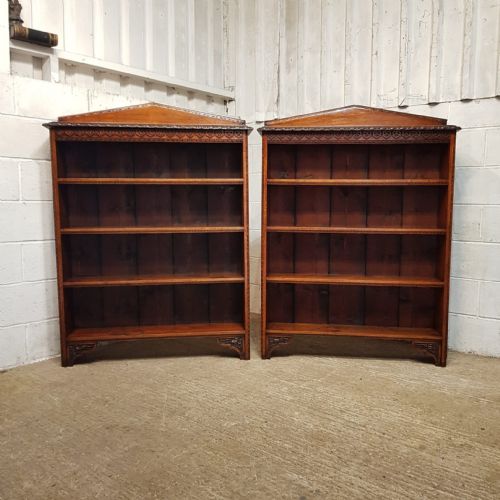
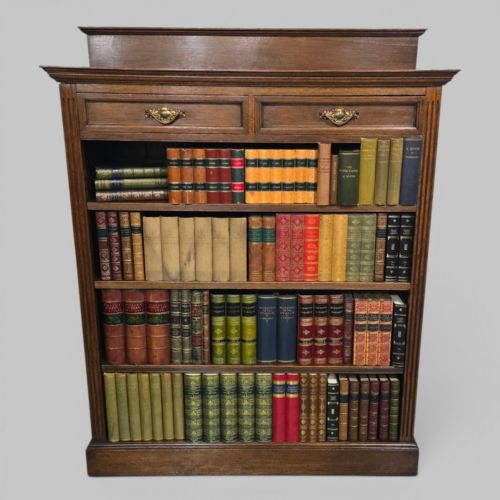
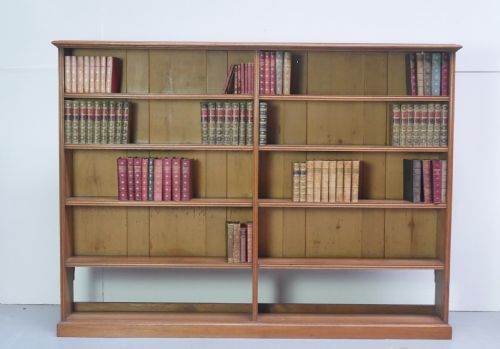
Traditional oak library shelves take the form of open bookcases designed to hold significant volumes of books. You will most frequently encounter pieces originating from the nineteenth and early twentieth centuries, spanning the Victorian and Edwardian eras.
These items range from neat, compact units suitable for smaller rooms to large, tall library bookcases built to accommodate substantial collections. The overwhelming majority utilise open fronts, allowing immediate access to the contents.
Origins stretch from British workshops to French provincial makers, presenting variations in proportion and decorative carving. The core function remains steady: providing sturdy, accessible timber shelving for a working library.
How they were made
Construction relies primarily on solid oak, selected for its dense grain and structural endurance. Brass hardware, including shelf support pins and occasionally subtle decorative mounts, appears alongside glass elements where enclosed sections exist.
Makers employed traditional joinery techniques to ensure the uprights could bear heavy loads of books without sagging. Surfaces show careful finishing, highlighting the natural figure of the oak through polishing or waxing.
Traditional Oak Library Shelves Retail Price Guide 2026
Typical asking prices for traditional oak library shelves among the pieces listed under this phrase on Sellingantiques today, from the lower quarter to the upper quarter. They describe what is for sale here now, not the wider market.
Tall library bookcases sometimes retain the ghosts of ancient paper labels tucked deep inside the shelf notches.
What varies in quality
Quality rests in the selection of the timber and the precision of the joinery rather than surface ornamentation alone. Heavier, thicker cuts of oak provide greater longevity and stability under heavy loads of books.
The presence of adjustable shelving systems marks a higher standard of manufacture, offering practical versatility for different book sizes. Finer examples display thoughtful proportions and restrained detailing, such as beaded edges or controlled carving, that complement the grain.
Waring and Gillows
The Traditional Oak Library Shelves Glossary
- Open bookcase
- A piece of furniture designed for storing books without doors enclosing the front. This format allows immediate visibility and retrieval of the volumes stored within.
- Adjustable shelves
- Internal boards that can be moved to different heights using slots, pins, or ratchets. This system accommodates books of varying vertical formats.
- Golden oak
- A warm, lighter tone of oak finish popular during the late nineteenth and early twentieth centuries. It highlights the natural flake and grain of the timber.
- Beaded edge
- A small, rounded moulding run along the corner or edge of a wooden board. It adds a subtle decorative definition to plain structural lines.
- Jacobean Revival
- A style drawing inspiration from seventeenth-century British furniture, often featuring dark finishes and robust turnings. It reappeared in later periods for formal interiors.
Traditional Oak Library Shelves: Frequently Asked Questions
How do I adjust the shelves?
Most period examples utilise wooden ratchets, brass pins, or vertical slots cut into the interior sides. You simply lift the shelf slightly to disengage it from its support and relocate it to the desired height.
Take care to support the board evenly on both sides to prevent twisting the uprights during adjustment.
Can these shelves hold heavy books?
Solid oak construction provides the natural strength required for dense rows of hardbacks and reference volumes. The thickness of the timber and the depth of the case determine the total weight capacity.
Heavier library formats benefit from shorter shelf spans to prevent any long-term bowing of the wood.
How do I care for the oak?
Maintain the finish by dusting regularly with a soft cloth and applying a quality beeswax periodically to nourish the timber. Avoid placing the bookcase near direct heat sources or strong sunlight, which can dry out and fade the wood.
Keeping a stable room temperature prevents the oak from expanding or contracting excessively.
How do I date a piece?
Examine the construction methods, the type of timber preparation, and any applied hardware for clues to the manufacturing period. Victorian and Edwardian pieces often display distinct proportions, moulding profiles, and backboard construction.
Comparing the overall style against known revival movements helps narrow down the decade of production.