


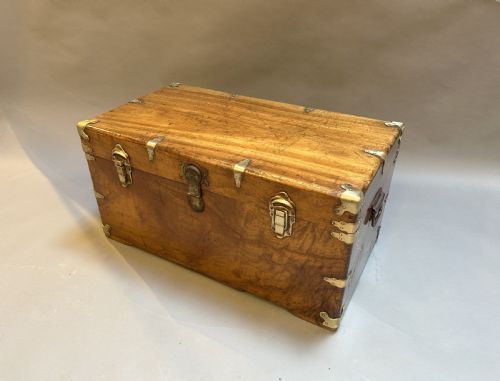
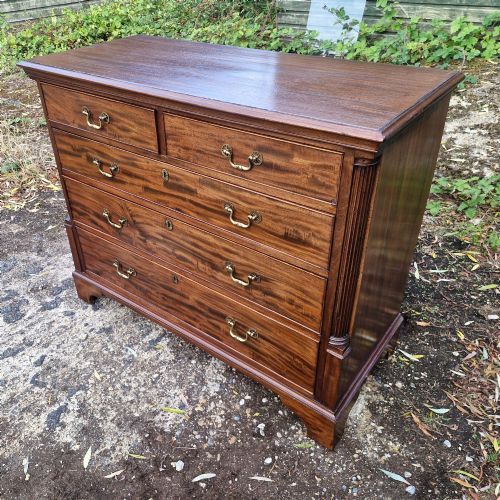
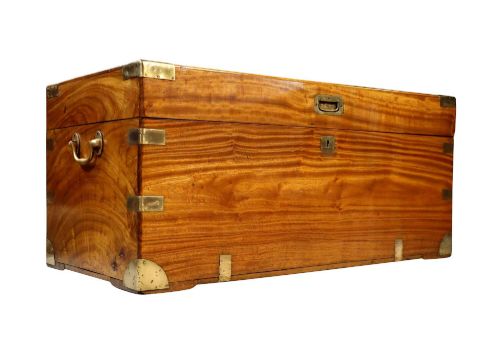
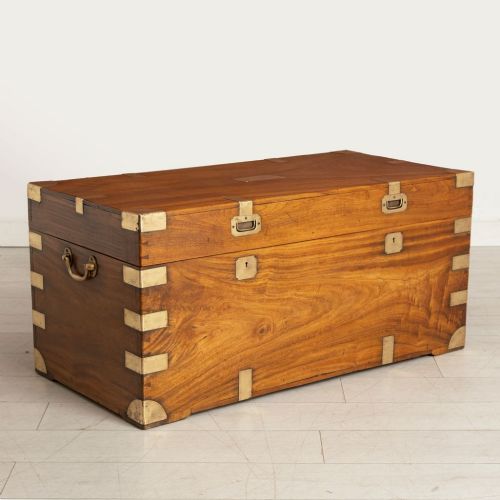
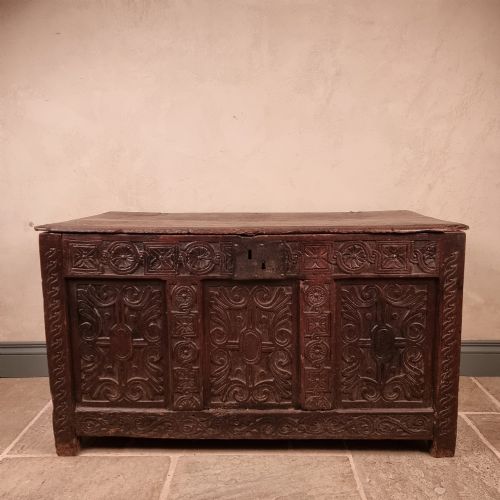
Brown Wood Blanket Chest
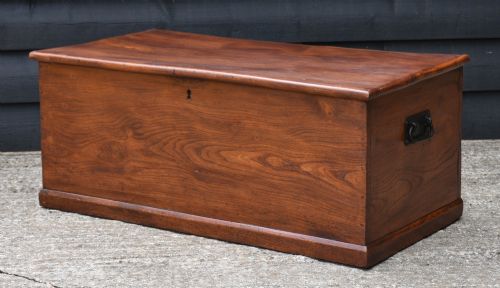
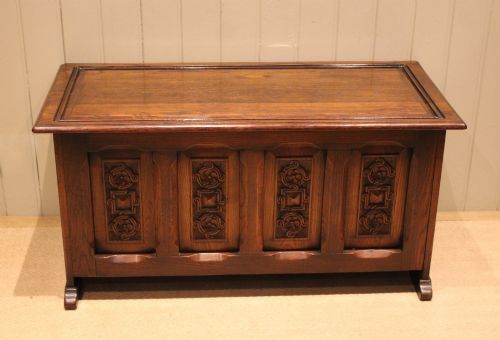
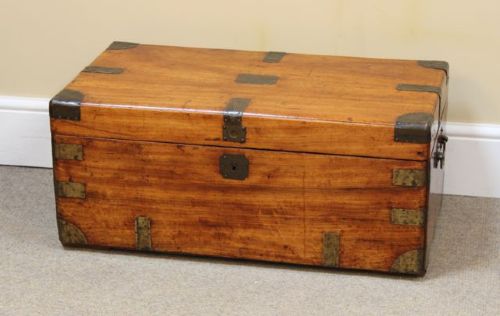
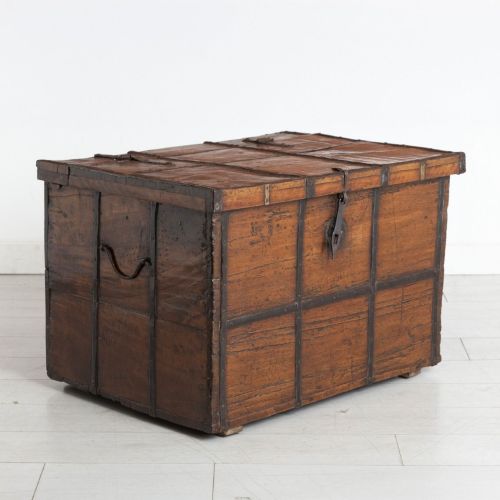
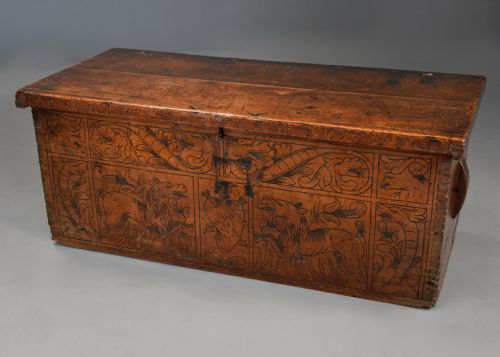
A brown wood blanket chest provides sturdy storage with historic character, constructed in robust timbers like oak, elm, and camphorwood.
Brown Wood Blanket Chest
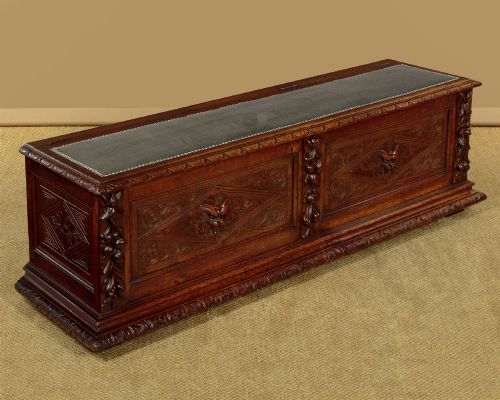
A brown wood blanket chest serves as a practical storage container, often taking the form of a coffer, trunk, or blanket box. These pieces emerge from periods ranging from the seventeenth century through to the art deco era, showing styles from simple rustic construction to military campaign design.
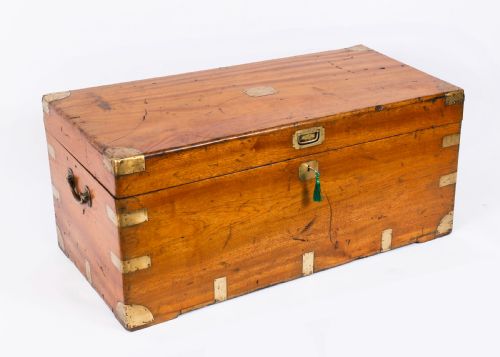
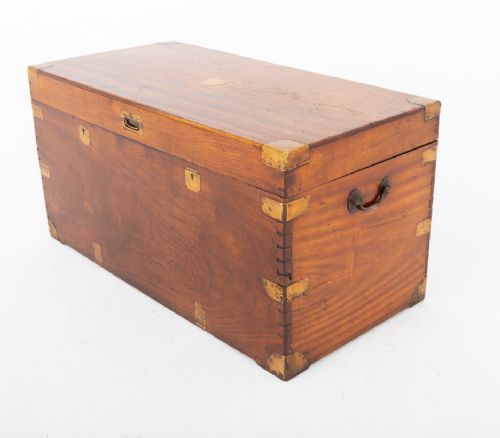
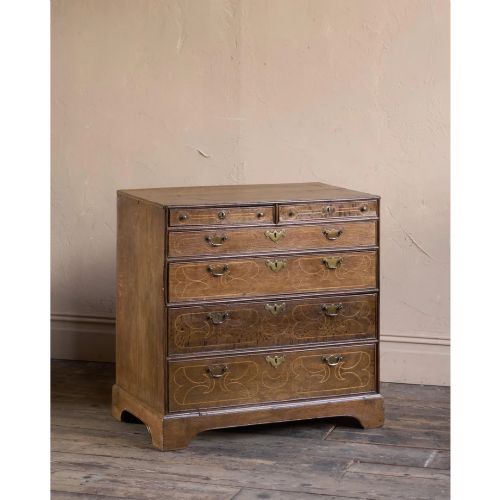
Buyers encounter numerous variations, with camphorwood campaign trunks featuring brass fittings appearing frequently alongside traditional oak and elm coffers. Storage trunks and chests of drawers also form part of the selection, reflecting diverse domestic and travel needs across different centuries.
Materials and construction methods
Carpenters utilised durable timbers including oak, elm, and mahogany to build the primary structure of these chests, sometimes employing camphorwood for its aromatic properties and resistance to insects. Regional workshops and military outfitters selected these woods for their strength and stability.
Metal components such as brass corners, straps, and iron bindings reinforce the joints and edges of campaign and travel trunks. Joinery techniques range from six-plank assembly in earlier pieces to dovetailed boxes and carved panels in later examples.
Campaign styles represent a significant portion of the available chests, paired with traditional coffers and blanket boxes.
Factors influencing quality
The choice of timber and the crispness of any carving set different standards across the range, with figured veneers and solid hardwood construction marking superior examples. Original hardware, including brass carrying handles, locks, and hinges, preserves the integrity of the piece.
Condition and originality dictate distinction, particularly when surfaces retain their original patina and hardware rather than later replacements. The precision of the joinery and the survival of internal fittings further separate standard storage boxes from finer pieces.
The Brown Wood Blanket Chest Glossary
- Campaign chest
- A portable trunk or chest made in sections with recessed brass handles, designed for military officers on the move.
- Coffer
- A heavy wooden chest traditionally used for storing valuables, linen, or documents, often constructed from solid oak or elm.
- Camphorwood
- An aromatic timber prized for its ability to repel moths and insects, frequently utilised in trunks destined for maritime travel.
- Six-plank coffer
- An early form of chest constructed from six individual boards joined simply at the corners, typically found in seventeenth-century pieces.
Brown Wood Blanket Chest: Frequently Asked Questions
What were blanket chests used for?
Blanket chests provided secure storage for household textiles, woollens, and personal belongings in homes before built-in wardrobes became common. Their heavy wooden lids protected contents from dust and damp.
Travellers and military personnel also utilised portable variants to transport clothing and equipment across long distances.
How do I date an old wooden chest?
Dating relies on examining the timber species, construction techniques, and hardware style. Earlier pieces often display hand-sawn boards and joined plank construction, whilst nineteenth-century campaign chests feature standardised brass corners and recessed pulls.
Stylistic motifs like carved panels or inlay provide further clues to the period of origin.
Are camphorwood trunks waterproof?
Camphorwood trunks resist moisture well due to the natural oils present in the timber, making them suitable for sea travel. However, they are designed primarily for storage and pest deterrence rather than complete submersion.
The dense wood and tight joinery help keep contents dry in humid conditions.
How do I care for a vintage chest?
Maintain the wood by applying suitable wax polish sparingly to nourish the surface and preserve the historic patina. Avoid placing the chest near direct heat sources or in damp areas to prevent timber splitting.
Inspect brass and iron hardware gently, cleaning metal parts only when necessary to protect the surrounding wood.