


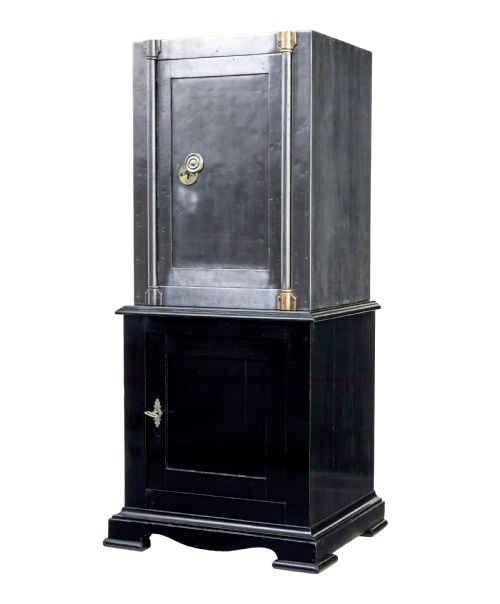


19th Century Coffer Stand
A 19th century coffer stand elevates a storage box or chest above the floor, bringing utility and varied regional style into the room.
19th Century Coffer Stand
When you search for a 19th century coffer stand, you look at elevated storage furniture that combines a box, trunk, or dough bin with a dedicated base or stand. These pieces serve to keep household goods stored securely while lifting the primary vessel to a more accessible height for daily use.
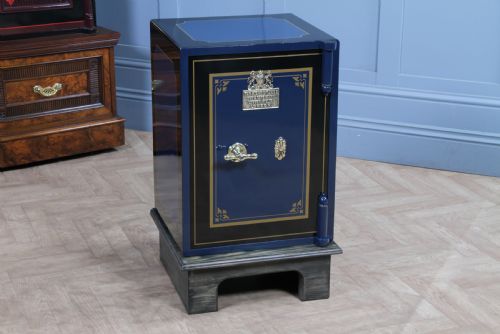
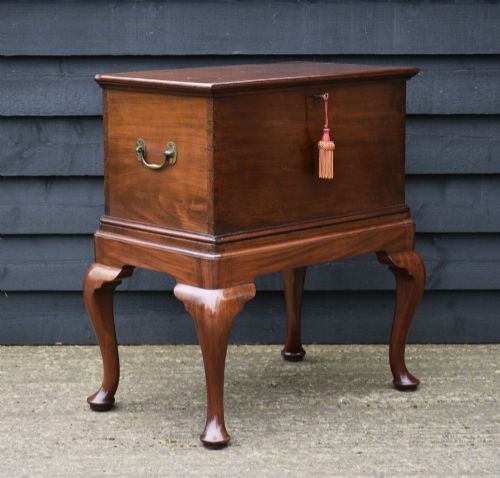
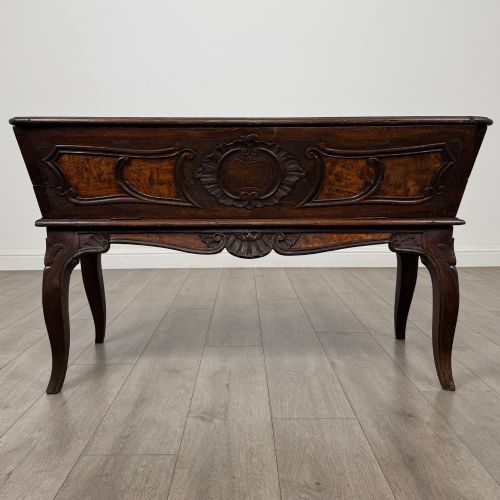
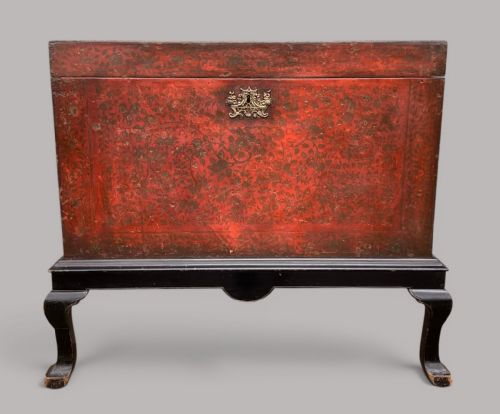
The versions you meet on this page span several distinct geographical traditions and forms, including Anglo-Indian lacquer trunks, French walnut dough bins, and British campaign chests or safes. Makers from this period utilised local timbers and regional design idioms, ranging from Scandinavian country boxes to Dutch colonial teak pieces.
The combination unites separate functional elements, often pairing a heavy box or safe made of steel, cast iron, or hardwood with a matching stand, cabinet, or frame. These constructions reflect the diverse domestic and travel needs of the 19th century, resulting in forms that function equally well as display surfaces and practical storage.
How they were made
Makers constructed these pieces using a variety of robust woods such as oak, mahogany, walnut, teak, and ebony, alongside metals including brass, steel, and cast iron. Timber panels were joined using traditional carpentry techniques suited to the weight of the box and the demands of transport or stationary home use.
Surface treatments range from clear polished finishes that highlight the natural grain of walnut and teak to vibrant red lacquer and Chinoiserie decoration on Indian trunks. Metal mounts, brass corners, and reinforced handles were added to secure edges and facilitate movement, particularly on campaign and safe variations.
The documented styles span Anglo-Indian, French Provincial, Victorian campaign, and Scandinavian country traditions.
What varies in quality
The distinction between tiers of quality rests on the integrity of the joinery between the box and its stand, as well as the original condition of the materials. Pieces that retain their matching structural elements and authentic surface treatments, whether polished steel or intricate lacquer, demonstrate higher levels of original craftsmanship.
Proportion and decorative detail also differentiate the range, with well-balanced frames and finely executed brass mounts or carved details showing superior workshop standards. The survival of functional components, such as operational safe mechanisms or well-fitted lids, marks the distinction in surviving examples.
Tanns Defiance
The 19th Century Coffer Stand Glossary
- Coffer stand
- A storage chest or box raised upon a fixed base, legs, or cabinet frame. This combination elevates the primary vessel for easier access.
- Dough bin
- A trough-shaped container historically used for bread making, often mounted on a stand or enclosed in a cupboard base. Walnut and other timbers are common for this domestic form.
- Campaign chest
- A modular chest designed for easy transport by military officers, frequently fitted in sections with brass hardware and carrying handles. Teak and mahogany were standard materials for their durability on travels.
- Chinoiserie
- European decorative style reflecting Chinese artistic motifs, often applied as lacquer work on imported or domestic trunks. This finish brings bright red and detailed painted scenes to the surface.
- Safe on stand
- A heavy iron or steel security box mounted on a matching cabinet or base for office or home use. Makers like Tanns Defiance produced robust examples in the 19th century.
19th Century Coffer Stand: Frequently Asked Questions
What is a coffer stand used for?
A coffer stand provides elevated storage for household goods, textiles, or valuables while serving as a decorative furniture piece in a room.
The raised design keeps the contents away from damp floors and places the lid at a convenient height for everyday interaction.
How do I identify a 19th century piece?
Identification relies on examining the timber species, construction methods, and hardware styles characteristic of the 1800s. Details like hand-cut joints and period-specific brass mounts point directly to this era.
Comparing the decorative vocabulary, such as Victorian industrial elements or Anglo-Indian lacquer, helps narrow down the origin and decade.
Are safes on stands original?
Many heavy security boxes from the 19th century were manufactured specifically with matching stands or cabinets to house them securely. Makers built these combinations to lift the heavy iron and steel bodies to a workable height.
Checking the integration of the metalwork and the wood frame helps confirm the relationship between the safe and its base.
How do I clean a lacquered trunk?
Lacquered surfaces require gentle dusting with a soft, dry cloth to prevent scratching the decorated finish. Avoid harsh chemical cleaners and excessive moisture, which can damage the delicate paintwork.
Maintaining a stable room environment away from direct sunlight protects the integrity of the lacquer over time.