


Brown Watercolour Drawing
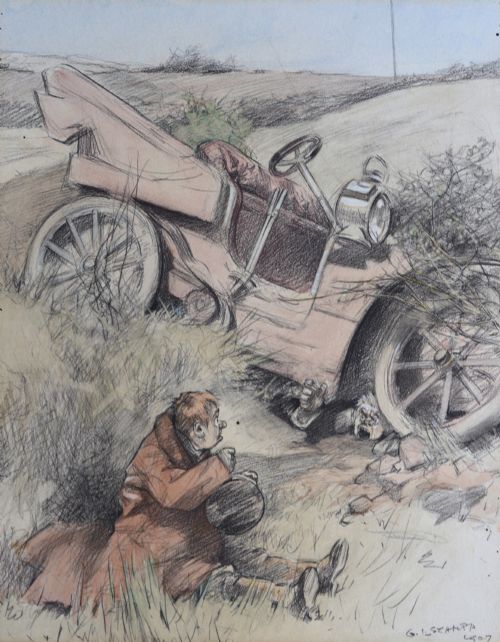
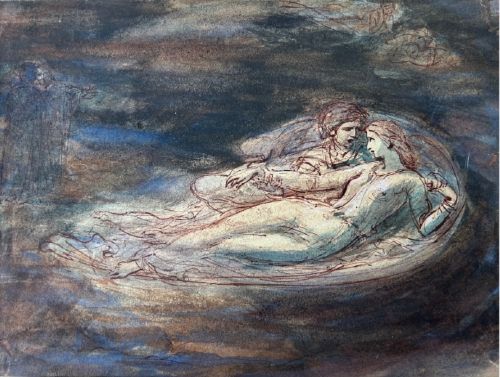
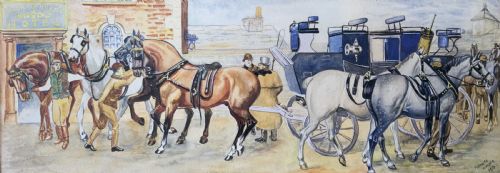
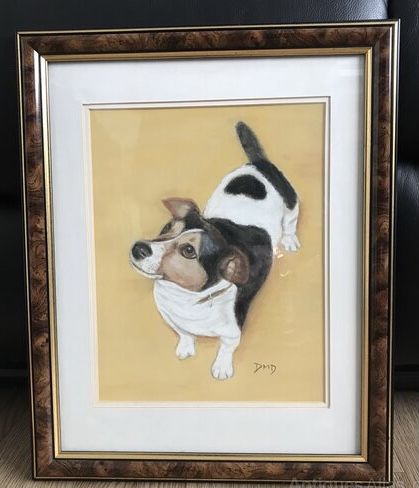
A brown watercolour drawing offers monochromatic depth and tonal subtlety, capturing subjects from country houses to battle scenes on paper.
Brown Watercolour Drawing
A brown watercolour drawing uses tonal washes and sepia inks to delineate form without relying on a full palette of pigments. When buyers search for a brown watercolour drawing, they encounter works spanning the nineteenth century through the mid-twentieth century, encompassing landscapes, architectural studies, and figure subjects.
The material surface is consistently paper, frequently paired with ink, sepia ink, pencil, or pastel. Framing often includes glass and wood, ranging from simple oak mouldings to burr frames.
Examples on this page derive from diverse stylistic contexts including the Norwich School, Pre-Raphaelite circles, Grand Tour souvenirs, and Modern British compositions.
Materials and technique
Artists executed these works on paper using water-soluble pigments, sepia ink, and pencil to build tonal contrast and fine detail. Washes of brown watercolour establish shadow and depth, while ink and pencil provide crisp structural definition to architectural elements and figures.
Framing materials such as glass, wood, and burr frames protect the delicate paper surface from atmospheric moisture and physical damage. This combination of traditional drawing media on paper remains standard across the nineteenth and twentieth-century pieces.
Listings feature works executed on paper using watercolour, ink, sepia ink, pencil, and pastel across the nineteenth and twentieth centuries.
Distinguishing quality in works on paper
Quality rests upon the sureness of the draughtsmanship and the control of tonal gradation within the monochrome palette. Superior examples demonstrate confident handling of line and wash, creating atmospheric depth through subtle manipulation of sepia or brown pigment.
The preservation of the paper support and the clarity of the underlying ink or pencil work also dictate distinction. Works that retain their original framing materials and exhibit crisp execution without excessive fading represent the upper tier of the range.
George Lorain Stampa·James Tower·Robert Richard Scanlan·Frank Saltfleet·Owen Bowen·Matthew Hale·Fred Lawson·Angus Rands·Margaret Thompson·John Thirtle·John Joseph Cotman·Thomas Lound
The Brown Watercolour Drawing Glossary
- Sepia ink
- A brown pigment derived from the cuttlefish, utilised widely for monochrome drawings and wash sketches.
- Wash
- A thin, semi-transparent layer of diluted watercolour or ink applied across paper to create tone and background shadow.
- Grand Tour
- An extensive journey through continental Europe undertaken by affluent travellers, resulting in topographical drawings and watercolours.
- Norwich School
- A regional collective of artists working in the nineteenth century, known for landscape and architectural watercolours of East Anglia.
Brown Watercolour Drawing: Frequently Asked Questions
What is a brown watercolour drawing?
A brown watercolour drawing is an artwork on paper executed primarily in monochromatic brown tones, sepia ink, or wash. These pieces rely on tonal variation rather than full colour to define subjects.
They encompass architectural studies, landscapes, and figure drawings produced from the nineteenth century into the mid-twentieth century by various British and European schools.
How should I display works on paper?
Works on paper require protection from direct sunlight to prevent the watercolour pigments and sepia ink from fading over time. Glazing with glass helps shield the delicate surface from airborne pollutants and moisture.
Maintaining stable indoor humidity levels ensures the paper support and wooden or burr frames remain in good condition without warping.
How do I identify a period piece?
Dating relies on stylistic markers, framing methods, and signatures associated with specific artistic movements such as the Norwich School or Pre-Raphaelite circle. Twentieth-century works often reflect Modern British or mid-century aesthetics.
Paper characteristics, hand-written inscriptions on the reverse, and period framing materials provide additional clues to the era of creation.
Were these drawings used as studies?
Many monochrome watercolours and ink sketches served as preliminary studies for larger oil paintings or as finished topographical records during travels. Artists utilised sepia and brown washes to capture rapid impressions of light and shade.
Over time, these functional drawings came to be appreciated and collected as independent works of art in their own right.