

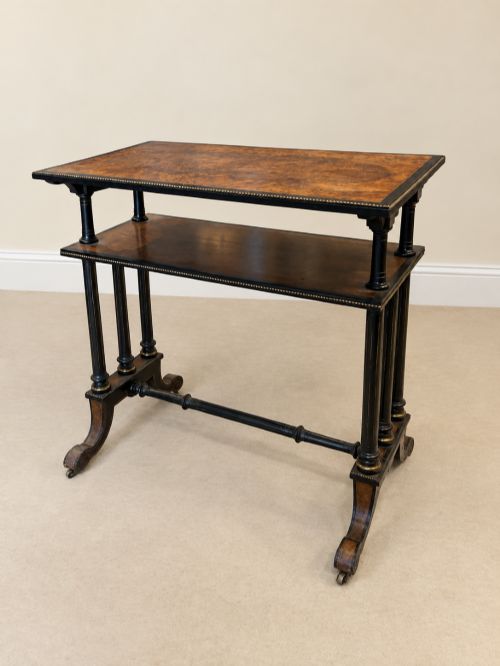
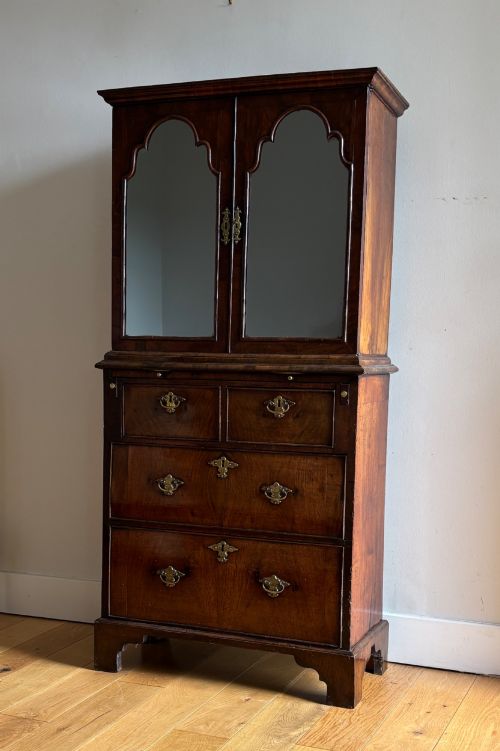
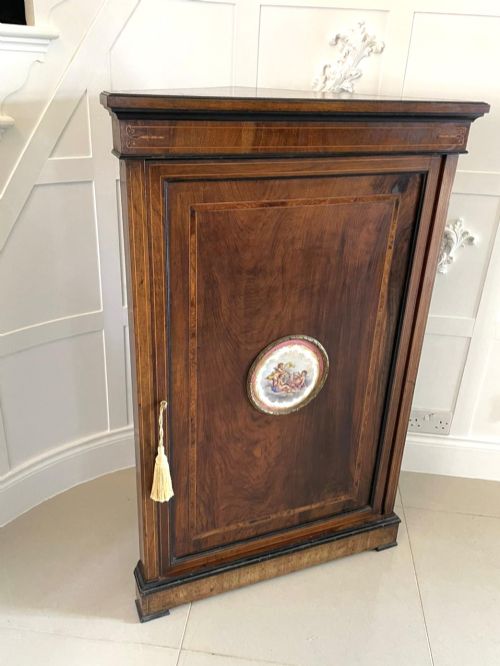
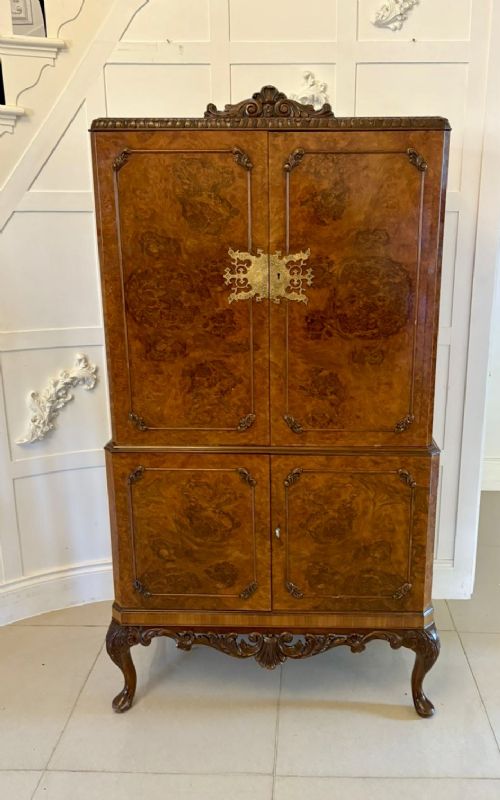



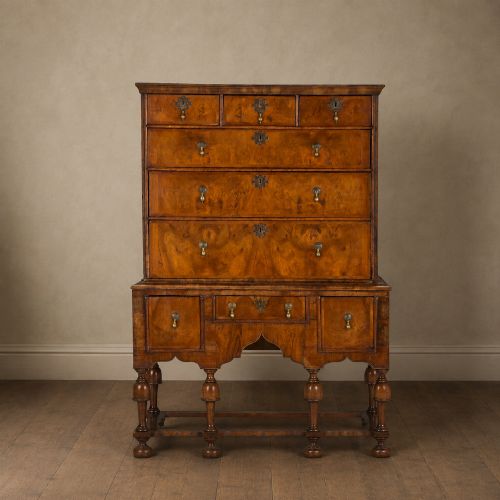
Brown Walnut Standing Cabinet
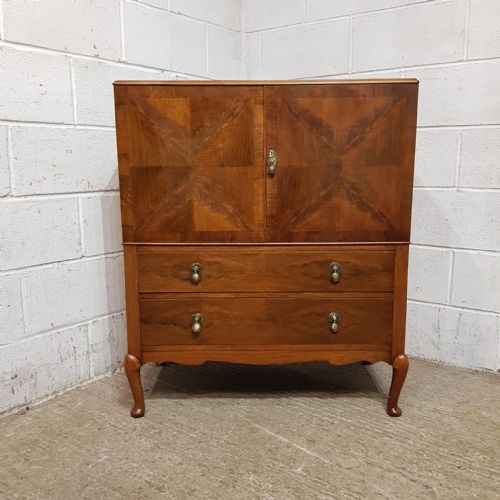
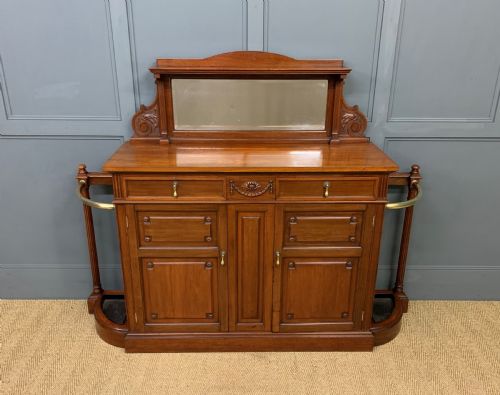
A brown walnut standing cabinet brings substantial grain and useful height to a room, offering timeless storage for books, drinks or display.
Brown Walnut Standing Cabinet
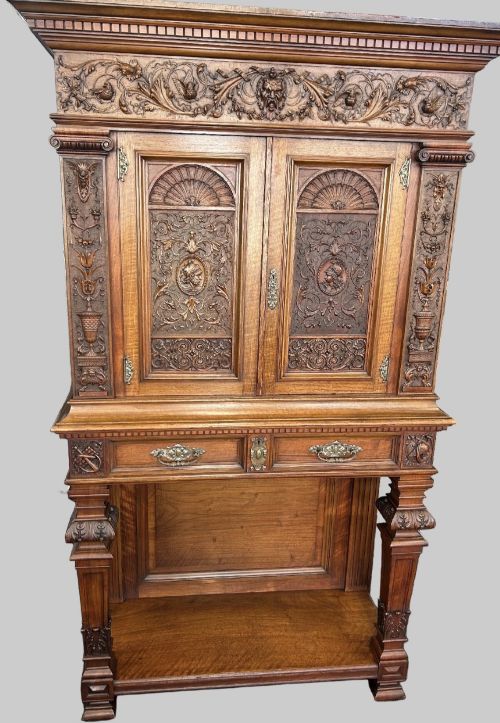
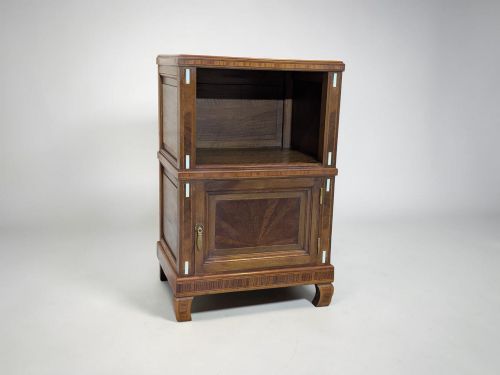
A brown walnut standing cabinet encompasses tall storage forms designed to rest directly on the floor, ranging from seventeenth-century chests on stands to twentieth-century cocktail cabinets. The selection spans several centuries, including Victorian, Edwardian, and Art Deco periods, alongside earlier eighteenth-century examples.
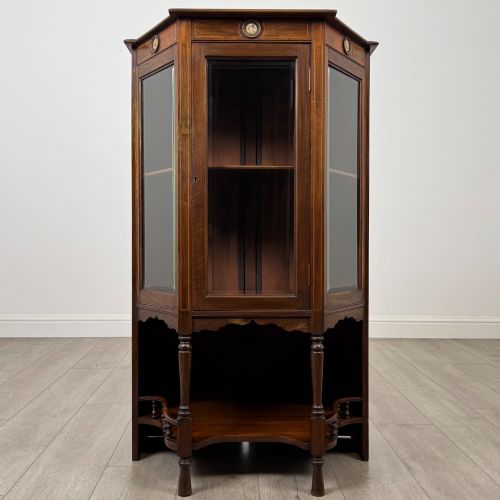
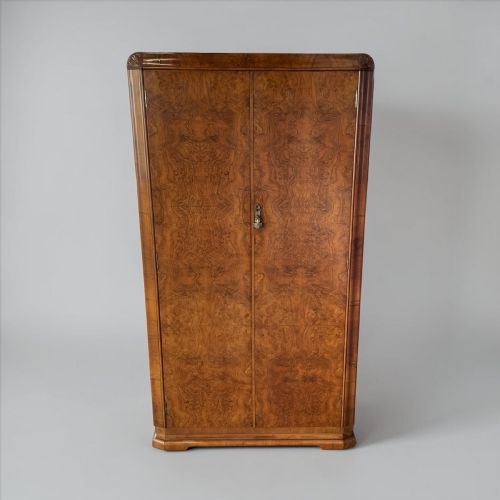
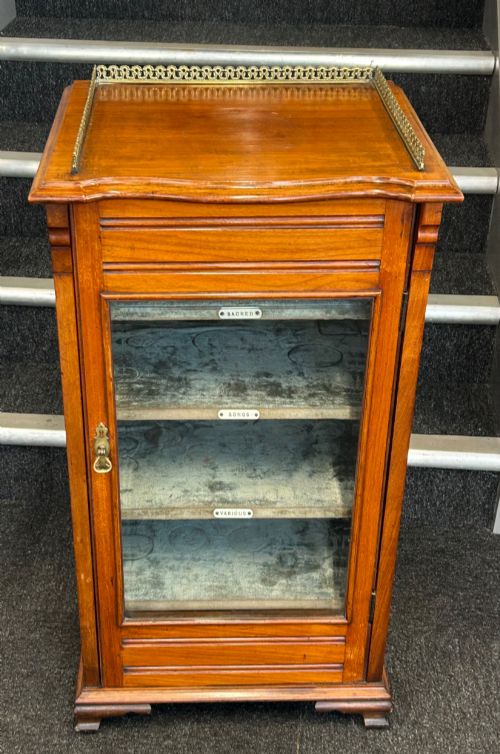
The practical formats include corner cupboards, display cabinets with glass doors, music cabinets, and tallboys. Buyers frequently encounter Edwardian and twentieth-century burr walnut cocktail or display variants on this page, alongside earlier chest-on-stand forms in figured walnut.
These upright pieces serve distinct domestic roles, from holding sheet music and library volumes to showcasing porcelain or serving spirits. Their vertical presence makes them natural focal points within traditional and revival interiors.
How they were made
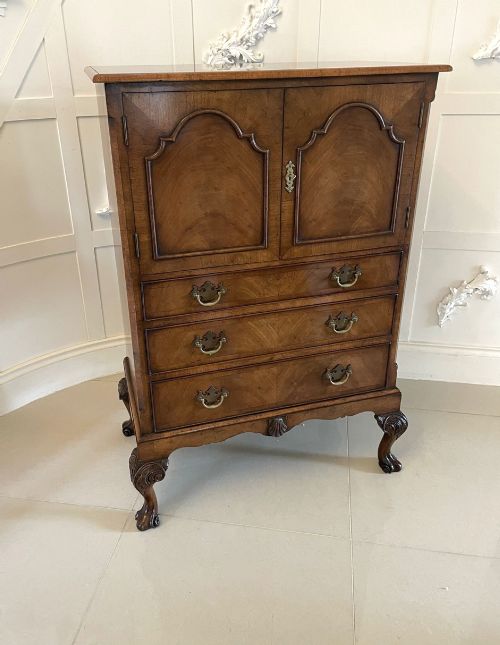
Cabinet makers utilised solid timber alongside figured veneers, particularly burr walnut and oyster veneers, applied to carcases constructed from secondary woods like oak. Crossbanding, marquetry inlay, and brass hardware completed the construction of these standing pieces.
Surface treatments relied on traditional polishing techniques that deepened the natural warmth and grain pattern of the walnut. Structural support varied from cabriole legs and turned uprights to plinth bases and integrated stands.
Brown Walnut Standing Cabinet Retail Price Guide 2026
Typical asking prices for brown walnut standing cabinet among the pieces listed under this phrase on Sellingantiques today, from the lower quarter to the upper quarter. They describe what is for sale here now, not the wider market.
Sheet music cabinets feature drop-down drawer fronts designed specifically to keep Victorian sheet music flat and tidy.
What varies in quality
The visual appeal of the timber surface dictates much of the standing cabinet's standing, with matched burr walnut figures and intricate crossbanding marking out superior examples. The crispness of carved details, such as those found on Renaissance Revival or Queen Anne style pieces, further separates workshop standards.
Structural integrity and the retention of original brass handles, locks, and internal fittings define the preservation quality of each piece. Maker attribution, through firms such as Gillows, Maple & Co., or Hille, also elevates the standing of specific examples.
Gillows·Shoolbred & Co.·Maple & Co.·Hille
The Brown Walnut Standing Cabinet Glossary
- Burr walnut
- A prized veneer sliced from walnut tree growths, producing swirling, highly decorative grain patterns. It forms the primary decorative surface on many twentieth-century cocktail and music cabinets.
- Chest on stand
- A tall storage form consisting of an upper chest of drawers mounted on a separate base with legs. This configuration appears frequently in eighteenth-century walnut examples.
- Crossbanding
- A narrow strip of veneer laid around the border of a panel with the grain running at right angles to the centre. This technique frames the primary walnut grain on quality cabinet doors and drawer fronts.
- Tallboy
- A tall chest of drawers standing one above the other, often combining a chest on chest or a chest on a stand. These upright pieces maximise vertical storage capacity.
- Escritoire
- A writing cabinet featuring a fall-front desk flap concealing pigeonholes and small drawers. William & Mary and later interpretations utilise figured walnut veneers for this form.
Brown Walnut Standing Cabinet: Frequently Asked Questions
What is a brown walnut standing cabinet used for?
These upright furniture pieces provide vertical storage and display space for domestic interiors. Depending on the specific internal layout, they accommodate books, ceramics, drinks, or paperwork.
Their elevated floor footprint makes them suitable for rooms where wall space is at a premium but vertical capacity is needed.
How do I date a walnut standing cabinet?
Dating relies on examining construction methods, timber preparation, hardware styles, and overall design motifs. Eighteenth-century pieces often feature chestnut or oak secondary woods and simpler stands, while Edwardian and Art Deco variants display machine-sawn elements and distinct veneer matching.
Associated architectural styles, such as Queen Anne revival or French Provincial, offer further clues to the period of manufacture.
Where should I place a standing cabinet?
A tall cabinet suits corners, living room focal points, or hallways where its height balances other large furnishings. Display and cocktail variants benefit from positioned lighting that highlights the figured walnut grain and glass panels.
Avoid placing antique walnut in direct sunlight or near strong heat sources to protect the delicate veneers.
How do I care for walnut veneer?
Maintain walnut surfaces by dusting with a soft, dry cloth and avoiding silicone-based polishes or harsh chemical cleaners. Consistent indoor humidity prevents the burr walnut veneer from lifting or cracking over time.
Applying a traditional wax polish occasionally helps nourish the wood and preserve its lustre.