


Brown Walnut Pedestal Table
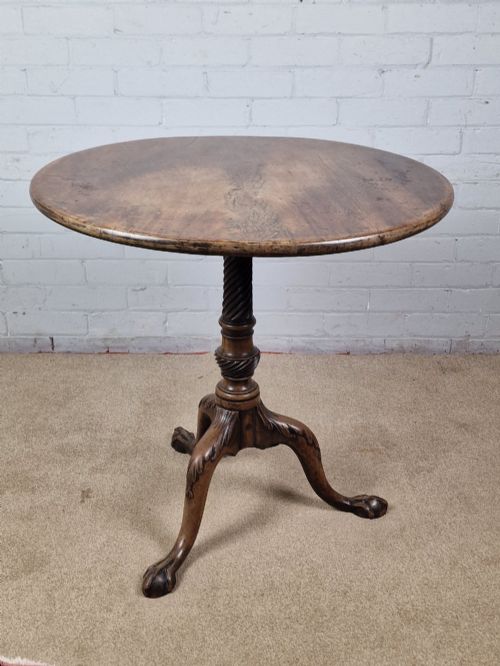
A brown walnut pedestal table brings rich timber grain and a sturdy central pillar to a room, offering both practical surface space and traditional craftsmanship.
Brown Walnut Pedestal Table
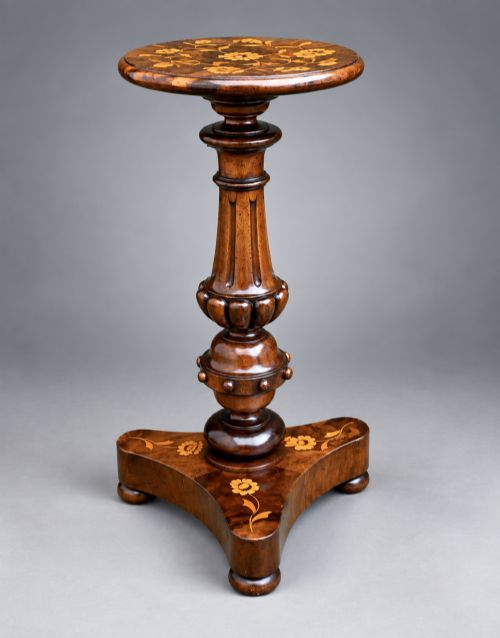
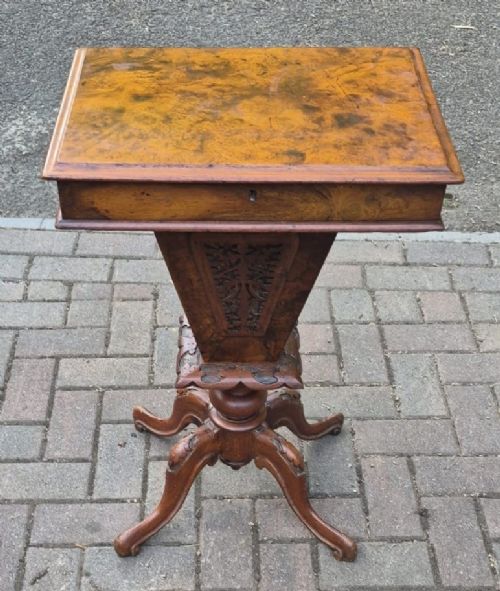
A brown walnut pedestal table stands on a single central support, a form that appears frequently across the Victorian, Edwardian, and Art Deco periods represented in these listings. These pieces function as centre tables, lamp tables, card tables, and occasional furniture, relying on timber construction rather than a standard four-leg arrangement.
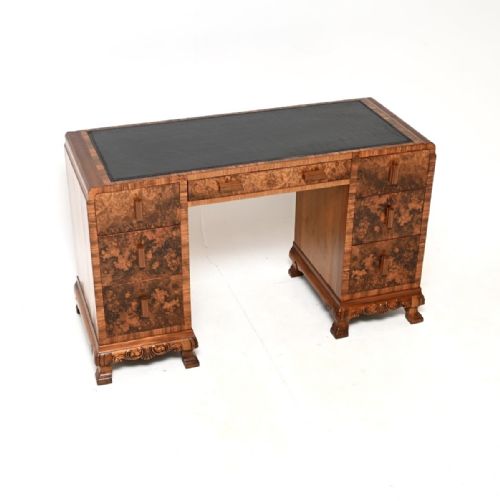
The materials span plain walnut, burr walnut, and burr walnut veneer, sometimes complemented by brass, leather, or glass inserts. Makers from the 18th century through to the 1930s utilised this dense timber to create surfaces with deep brown tones and intricate natural grain patterns.
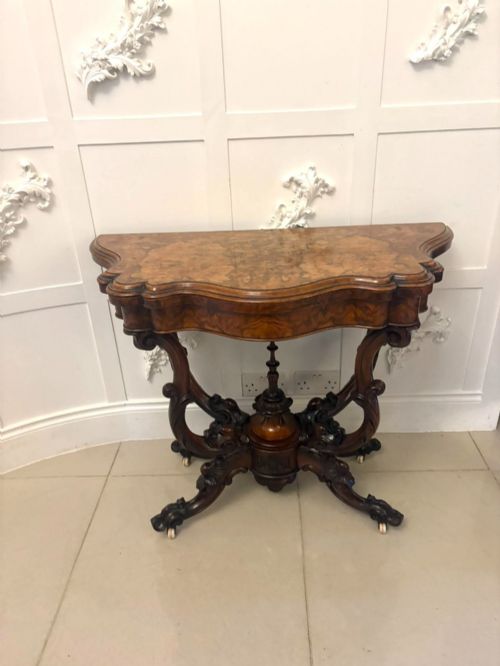
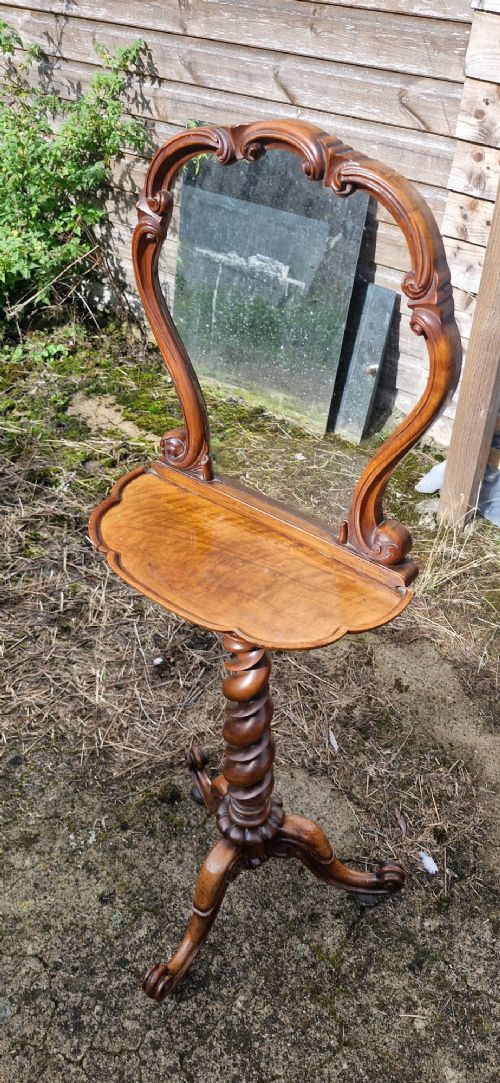
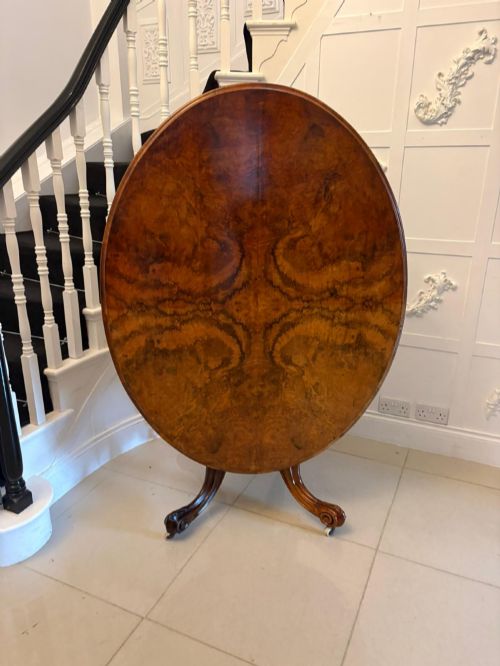
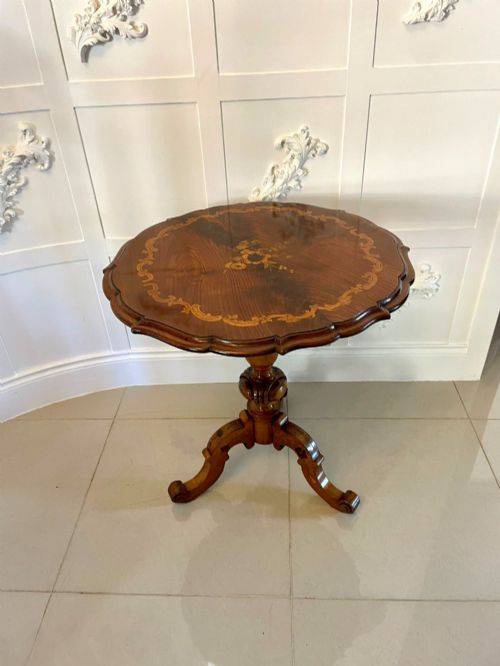
Victorian examples often feature oval or tilt tops supported by carved tripod or quadrapod bases, while later 20th-century iterations lean towards cleaner lines. The scale ranges from compact wine tables to large dining and breakfast tables built for central room placement.
Materials and construction methods
Cabinet makers relied on solid walnut and decorative burr walnut veneer applied to secondary woods to achieve rich surface patterns. Veneering allowed workshops to display the intricate swirls and knots of the grain across large oval and circular tabletops.
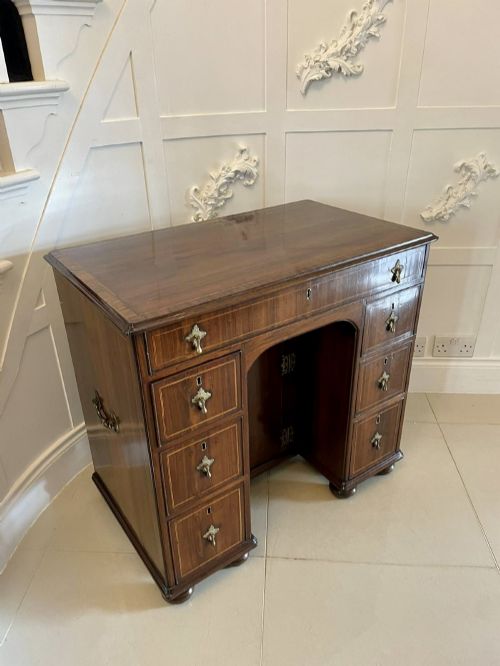
Supports were constructed using turned wooden columns, carved tripod legs, or heavy quadrapod bases, often joined to the tabletop with tilt mechanisms or fixed framing. Marquetry inlay, brass fittings, and tooled leather tops were added to elevate specific pieces like games tables and desks.
The listings span multiple eras, encompassing Georgian, Victorian, Edwardian, and Art Deco design styles.
Factors influencing quality
The choice of timber creates a distinct separation in the tier of a piece, with figured burr walnut and carefully matched veneer surfaces sitting at the higher end of the scale. Plain walnut and simpler secondary timbers appear on more utilitarian or later examples.
Carving depth and the stability of the central pedestal mechanism dictate the standard of execution. Pieces featuring crisp hand-carving on the base and tight joinery demonstrate superior workshop origin compared to simpler production furniture.
Maple & Co.
The Brown Walnut Pedestal Table Glossary
- Burr walnut
- A thin slice of wood taken from a growth or knot on a walnut tree, prized for its swirling, highly decorative grain pattern. Cabinet makers used this veneer on prominent surfaces like tabletops and desk lids.
- Tilt top
- A tabletop hinged to the central pillar so it can be flipped into a vertical position when not in use. This mechanism allowed tables to be stored flat against a wall.
- Pedestal
- A single central support or column holding up the weight of the table, often resting on three or four feet. It removes the need for corner legs, allowing more legroom for those seated around it.
- Marquetry
- The art of applying decorative pieces of veneer to a structure to form intricate pictures or geometric patterns. This technique appears across various Victorian and later tables in the collection.
Brown Walnut Pedestal Table: Frequently Asked Questions
How do I identify the period of my table?
Examine the base construction, timber choice, and decorative details such as carving or inlay. Victorian pieces frequently utilise burr walnut with elaborate tripod or quadrapod carved bases, whereas Art Deco examples from the 1930s favour streamlined surfaces and figured walnut veneers.
Secondary woods and hardware fittings also offer clues to the decade of manufacture. Consulting construction methods helps narrow down whether a piece originates from the 18th century or the Edwardian era.
Were tilt top tables meant to be stored away?
Yes, the hinged mechanism on many antique tables allowed the surface to be locked vertically. This saved floor space in smaller rooms when the furniture was not actively in use for dining or writing.
Over time, the pivot mechanism became a standard feature on occasional and breakfast tables. It remains a practical design element found on numerous Victorian examples.
What is the difference between a centre table and an occasional table?
A centre table is traditionally built to stand free in the middle of a room, finished on all sides with decorative timber or marquetry. An occasional table is typically smaller and designed to be moved around a room as needed.
Both forms utilise the pedestal structure to maximise legroom and visual lightness. The distinction often comes down to overall scale and how prominently the piece was intended to be displayed.
How should I care for a walnut veneer surface?
Keep walnut furniture away from direct sunlight and strong heat sources to prevent the wood from drying out and the veneer from lifting. Dust the surface regularly with a soft, dry cloth.
Aplying a microcrystalline wax periodically helps nourish the timber and protect the finish without building up heavy residues. Avoid using standard silicone polishes or placing wet glasses directly on the bare wood.