


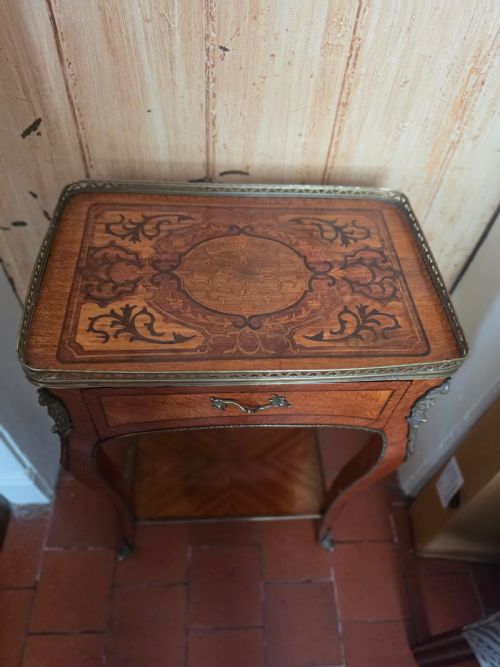
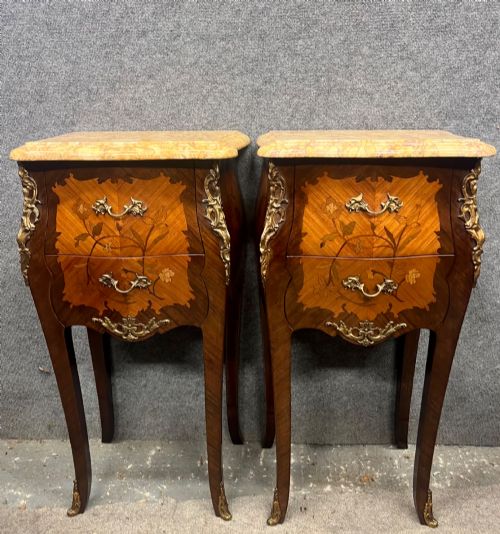
Brown Walnut Lamp Table
These brown walnut lamp tables offer sturdy surfaces and rich timber grain, serving as practical spots for illumination beside a chair or bed.
Brown Walnut Lamp Table
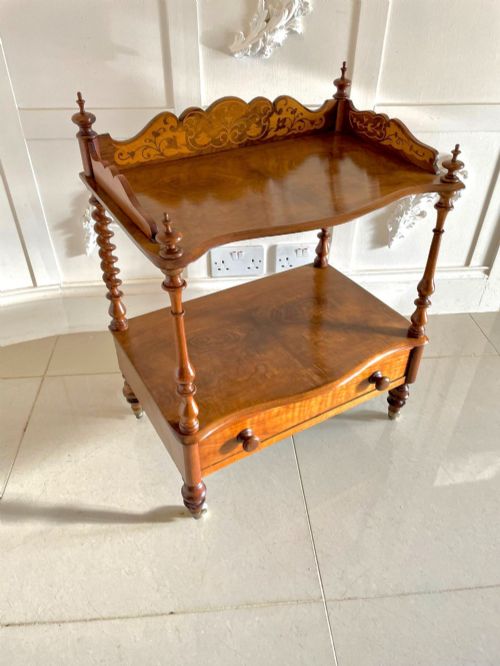
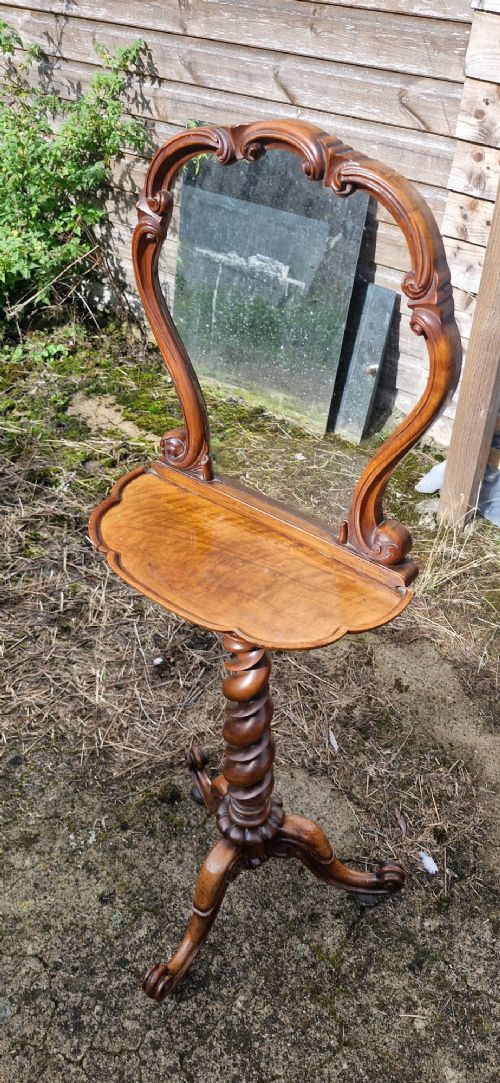
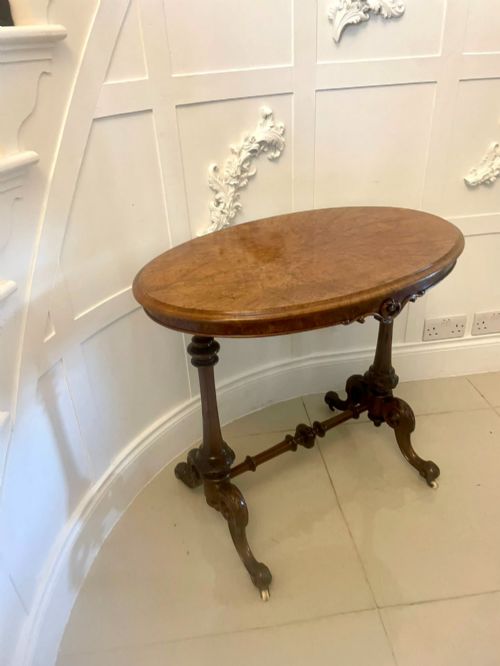
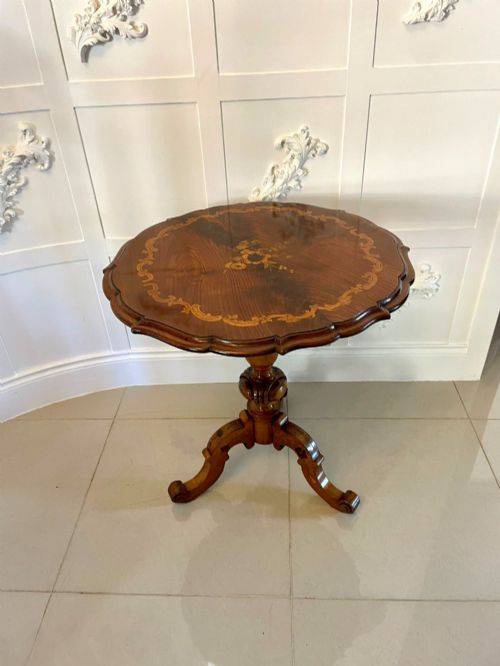
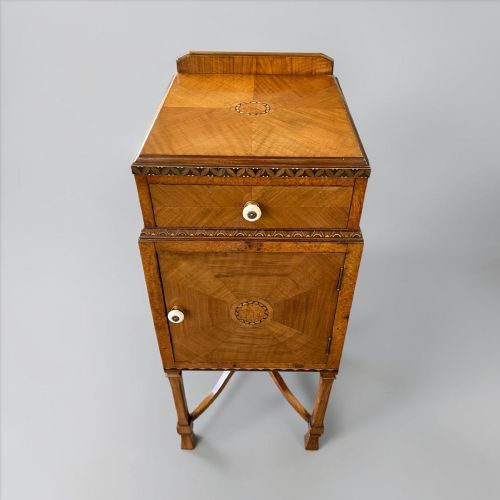
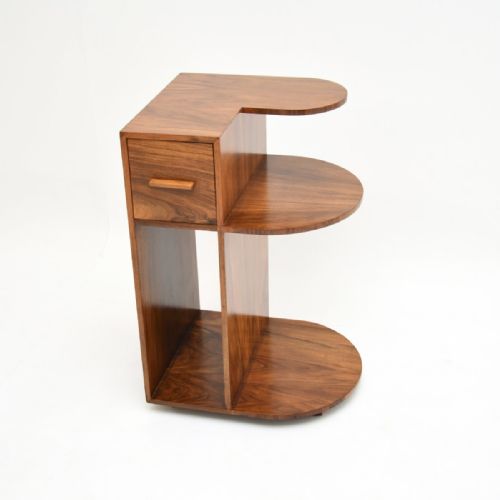
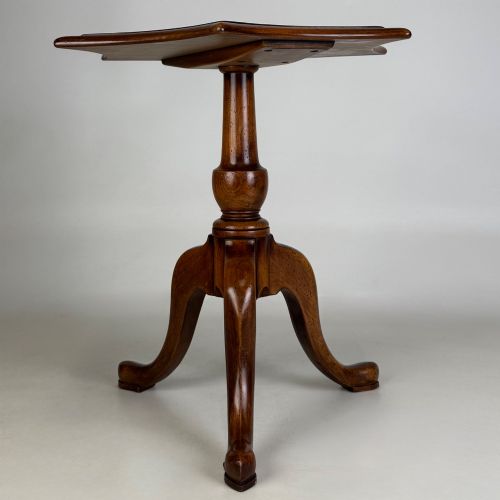
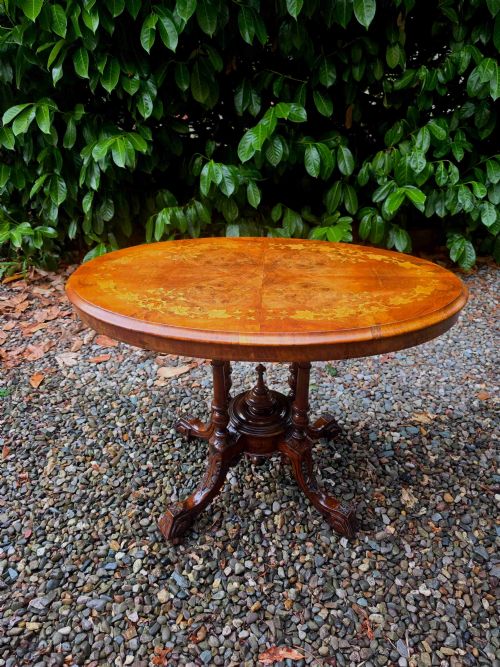
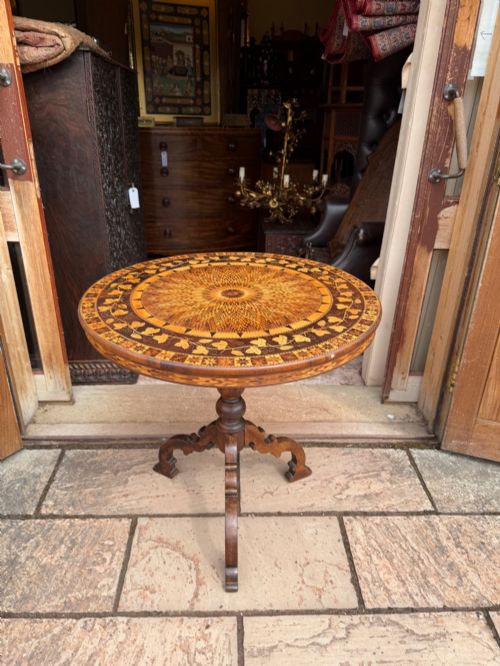
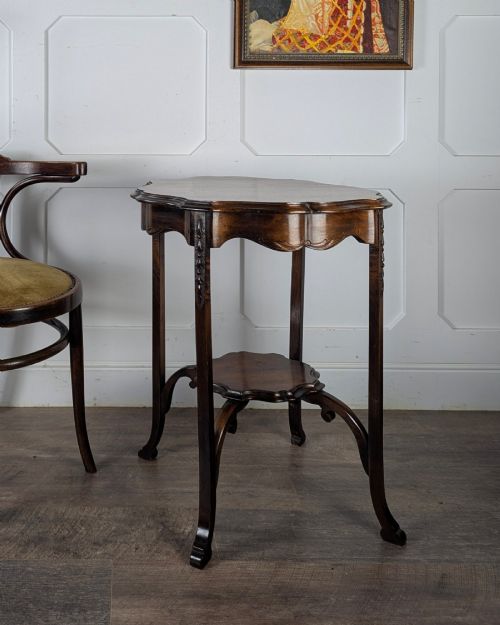
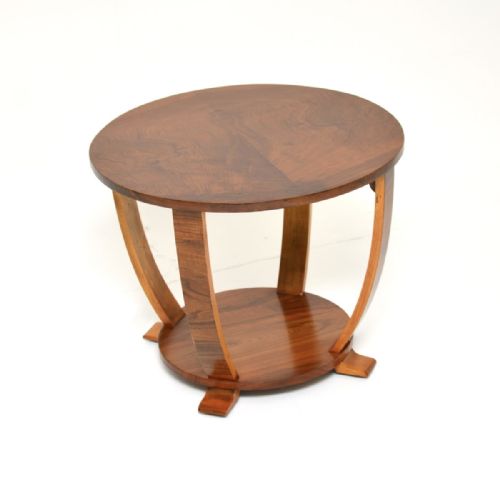
A brown walnut lamp table provides a stable surface for lighting and small objects, appearing frequently in Victorian, Edwardian and Art Deco forms. Buyers searching this phrase encounter round pedestal tables, oval occasional tables, and tiered bedside pieces designed for domestic utility.
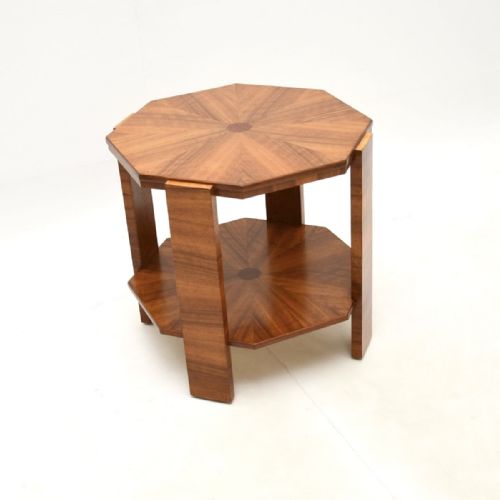
The selection spans nineteenth-century Victorian walnut tables with marquetry inlay to twentieth-century Art Deco figured walnut designs. Many examples function equally as side tables, wine tables or bedside chests depending on their height and top configuration.
Origins range from English workshops to French stylistic interpretations and Italian pedestal pieces. Makers such as Liberty of London also contribute specific Arts and Crafts and turn-of-the-century variations to the selection.
Materials and Construction
Cabinet makers utilised solid walnut alongside decorative burr walnut and figured walnut veneers to create striking surface patterns. Marquetry inlay, brass accents, marble inserts and ormolu details frequently adorn the timber frames.
Structural elements include pedestal columns, bobbin legs, and tiered supports joined with traditional cabinet-making methods. Scalloped edges, serpentine fronts and glass backs appear across various nineteenth- and twentieth-century examples.
Brown Walnut Lamp Table Retail Price Guide 2026
Typical asking prices for brown walnut lamp table among the pieces listed under this phrase on Sellingantiques today, from the lower quarter to the upper quarter. They describe what is for sale here now, not the wider market.
Listings feature walnut, burr walnut, and veneer alongside brass, marble, and ormolu across Victorian, Edwardian, and Art Deco styles.
Evaluating the Craftsmanship
Quality rests in the selection of the timber grain, where highly figured burr walnut and precise marquetry inlay separate standard production from superior pieces. The crispness of carved details and the stability of pedestal bases indicate higher standards of manufacture.
The integrity of the veneer work and the neatness of joinery determine the longevity of each table. Finer examples display careful matching of wood patterns across the top and sides, maintaining structural balance without excessive restoration.
Liberty of London·E.W Godwin
The Brown Walnut Lamp Table Glossary
- Burr walnut
- A prized veneer taken from the gnarled growths of a walnut tree, yielding complex, swirling grain patterns. It is frequently applied to the top surfaces of formal tables.
- Marquetry
- Decorative patterns formed by fitting together thin pieces of wood veneer and other materials. Craftsmen utilise this technique to create floral or geometric designs on table tops.
- Pedestal table
- A table supported by a single central pillar resting on feet. This design allows for maximum legroom around the base.
- Ormolu
- Gilt bronze mounts applied to furniture for decoration. It is commonly found on French-influenced pieces from the nineteenth century onwards.
- Bobbin leg
- A turned furniture leg shaped to resemble a string of bobbins or spools. This style appears frequently on Aesthetic Movement and Edwardian occasional tables.
Brown Walnut Lamp Table: Frequently Asked Questions
What is a brown walnut lamp table used for?
These tables provide a convenient surface next to seating or bedding for reading lights, drinks, and small decorative items. Their compact footprints allow them to fit easily into corners or tight spaces.
Historically, similar small tables also functioned as wine tables or sewing stands. Today they serve versatile roles as bedside chests and display surfaces in living rooms.
How do I date a walnut lamp table?
Dating relies on observing stylistic markers such as Victorian turned pedestals, Edwardian serpentine fronts, or geometric Art Deco silhouettes. Construction methods and timber types also provide clear clues to the decade of manufacture.
Victorian pieces often feature heavy marquetry and rich burr walnut, whereas Art Deco examples lean towards streamlined figured walnut surfaces. Comparing the leg style and edge profile helps narrow down the period.
Are these tables solid walnut or veneer?
Many tables combine solid walnut frames with decorative walnut veneers across the main top surfaces. Veneering allowed cabinet makers to display elaborate burr patterns without risking the structural stability of solid timber.
Both solid construction and veneered surfaces appear frequently across the available periods. The presence of veneer does not indicate lower quality when executed with traditional craftsmanship.
How do I care for a walnut surface?
Maintenance involves dusting regularly with a soft, dry cloth to prevent grit accumulation on the polished wood. Avoiding direct sunlight and extreme humidity protects the delicate walnut veneers from fading or cracking.
Application of appropriate furniture wax occasionally helps nourish the timber and preserve the sheen. Coasters should be used to protect the polish from moisture and heat.