
Brown Walnut Bedside Cabinets
Brown walnut bedside cabinets bring warmth and character to a bedroom, offering practical surface space alongside distinctive timber grain.
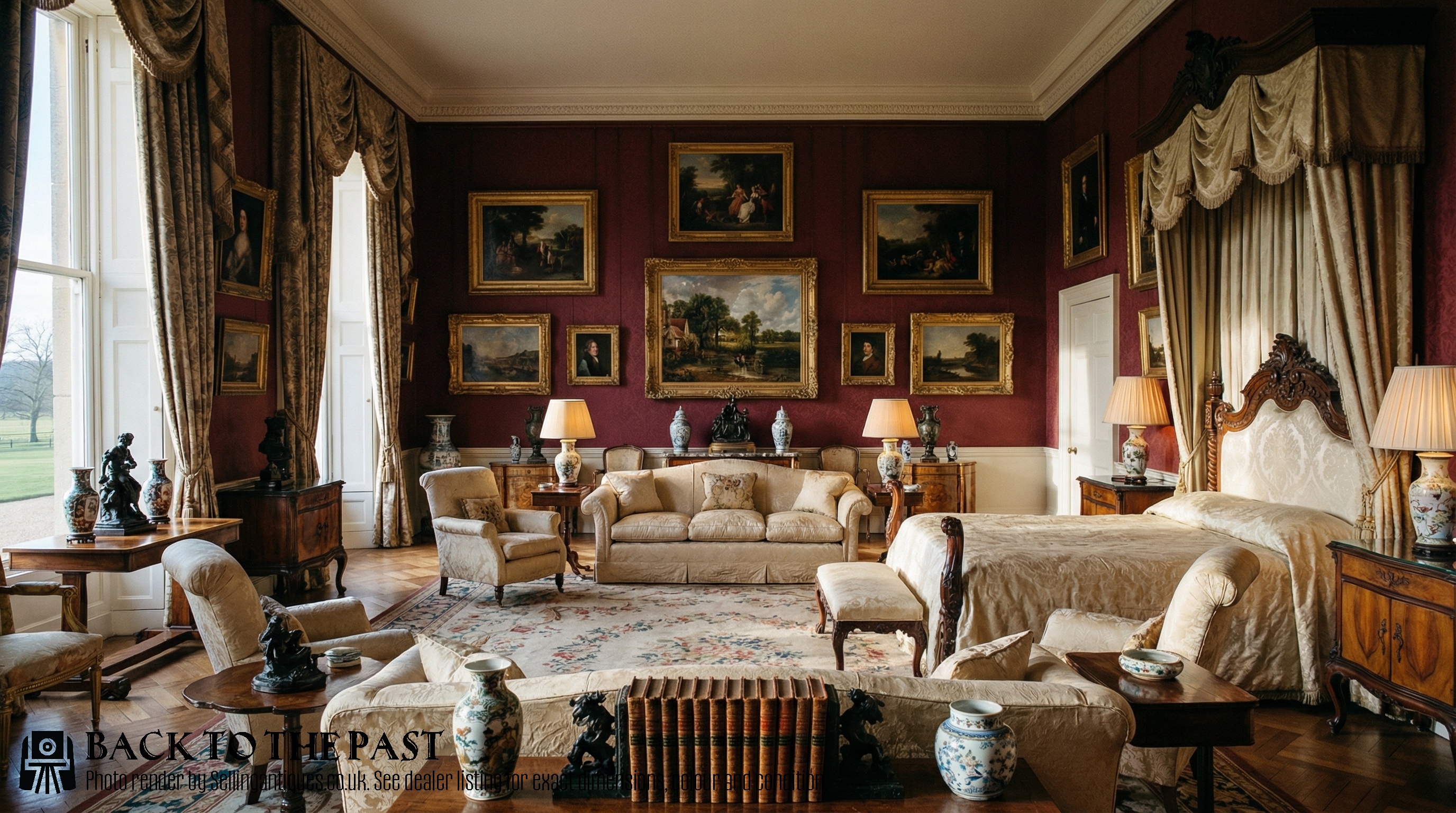
What these brown walnut bedside cabinets are
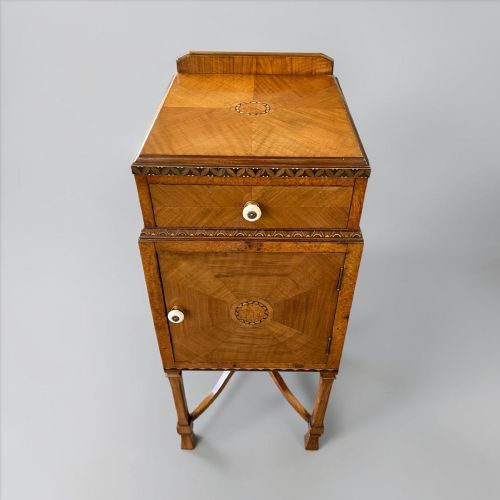
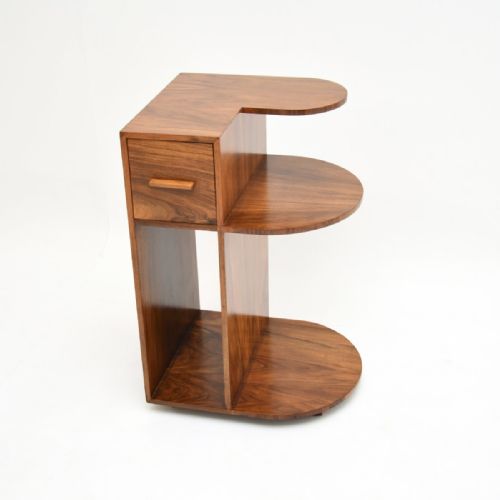
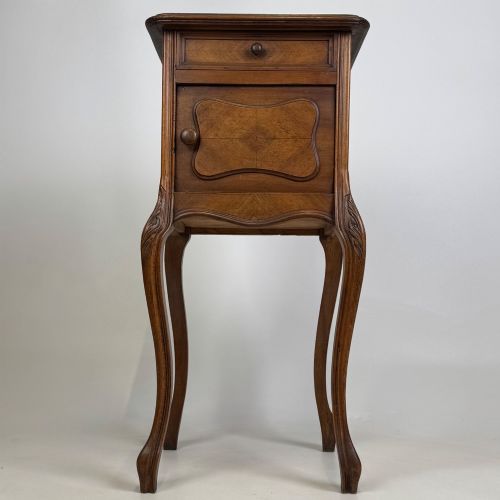
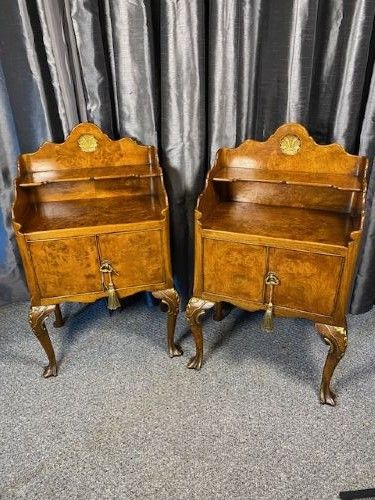
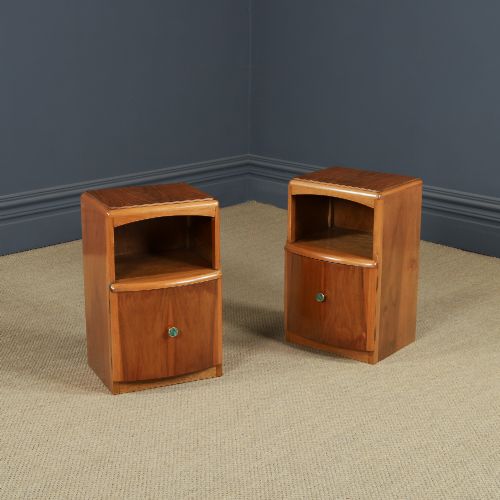
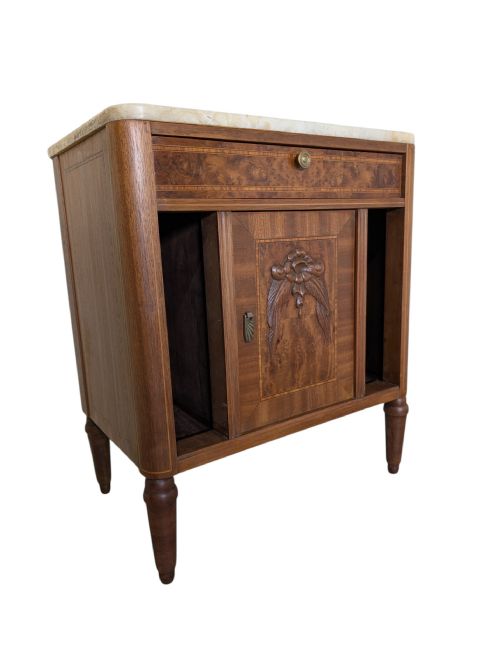
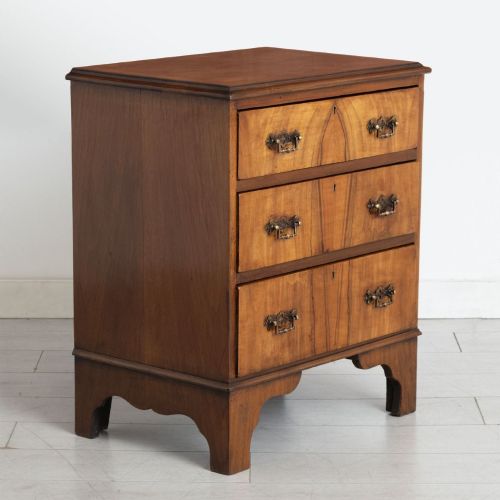
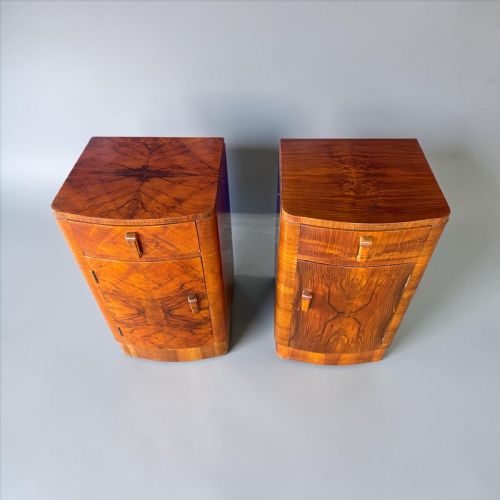
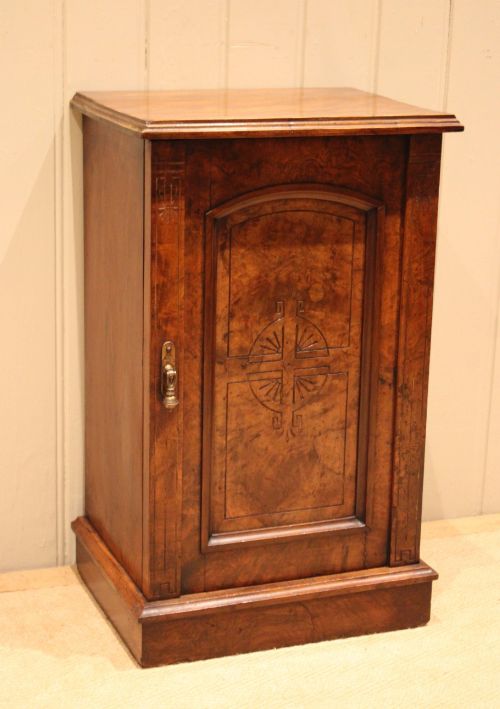
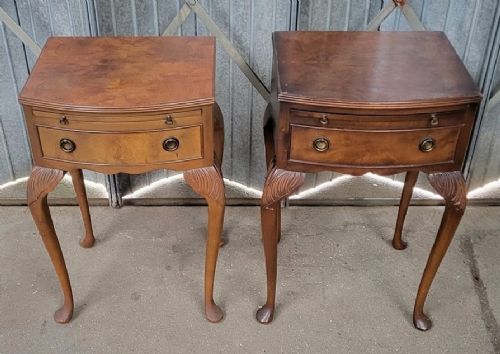
When you search for brown walnut bedside cabinets, you encounter a selection of timber tables and cupboards spanning the Victorian, Edwardian, and Art Deco eras. These pieces originate from English and continental workshops, taking the form of bedside chests, nightstands, and small cupboards.
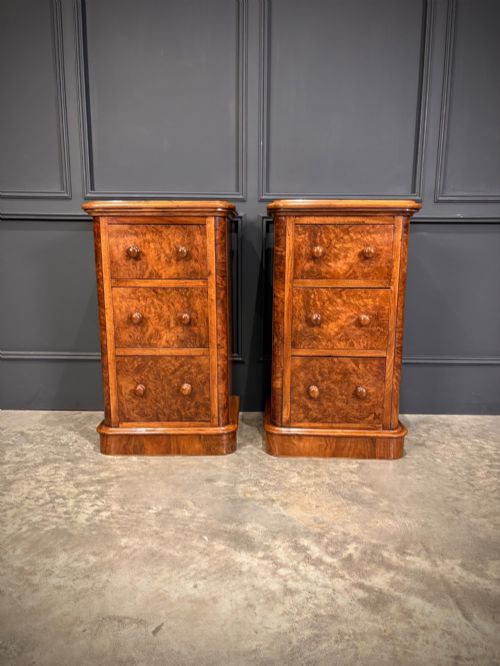
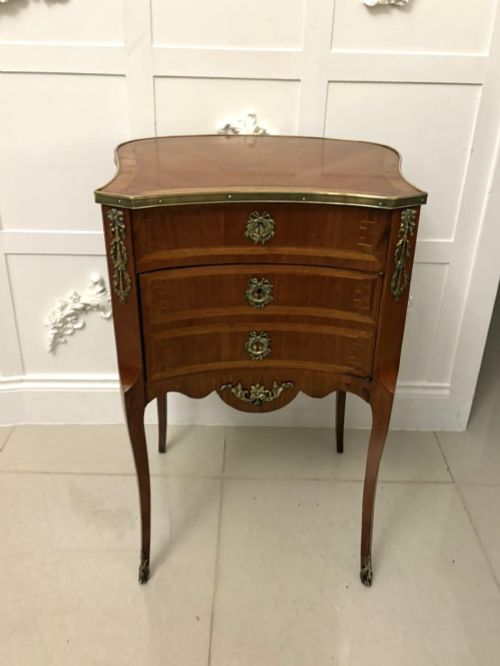
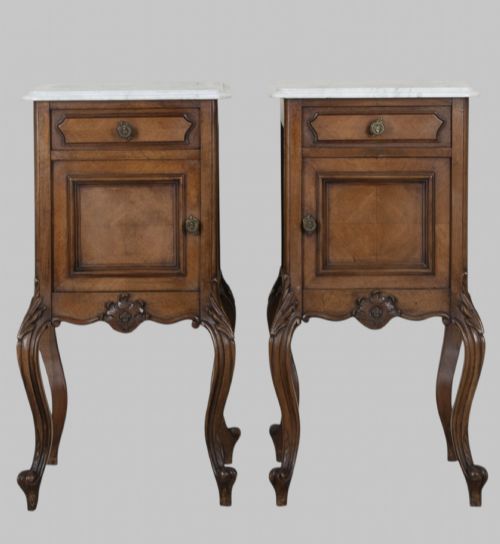
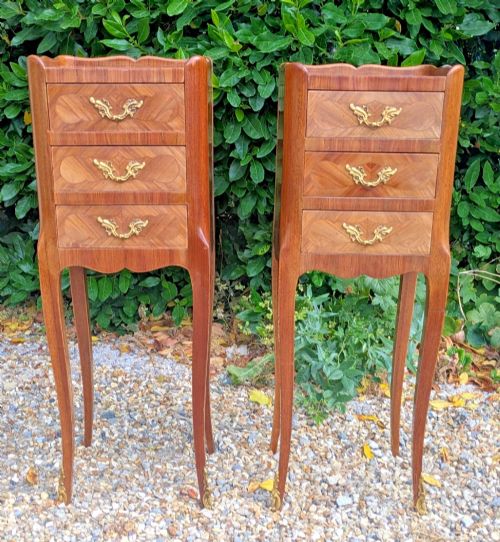
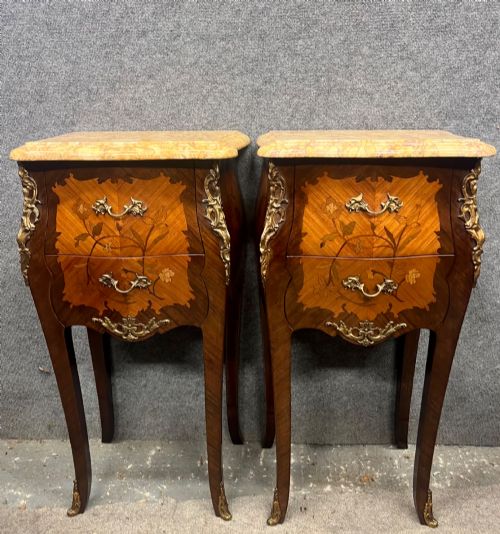
The versions you are most likely to meet on this page arrive as pairs, constructed primarily during the late nineteenth and early twentieth centuries. Styles range from restrained Victorian designs to more ornate French Rococo Revival and Louis XV pieces.
Makers utilised rich varieties of timber including burr walnut and figured walnut, occasionally pairing the wood with contrasting materials. Their primary function remains bedside storage, combining drawers or cupboards with tabletops suited to daily use.
How they were made
Cabinet makers constructed these brown walnut bedside cabinets using solid timber frameworks overlaid with decorative walnut veneers, burr walnut, or figured walnut. Joinery techniques varied by period, supporting structural longevity through panelled sides and fitted drawers.
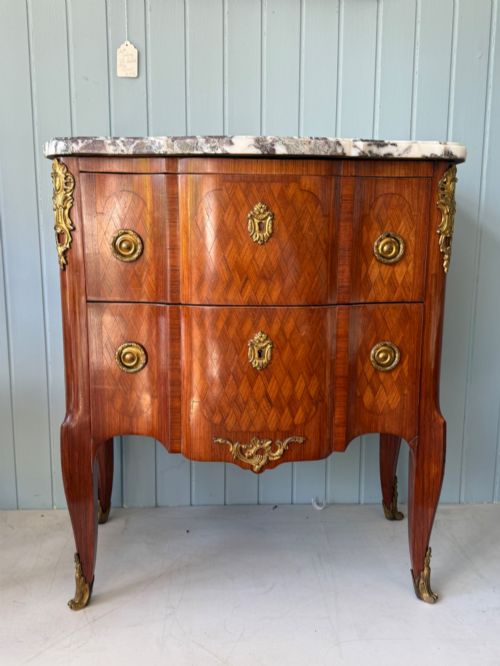
Selected continental and English examples incorporate inset marble tops into the wooden structure, providing a durable and smooth upper surface. Brass handles, mounts, and hardware complete the construction, fastened securely to drawers and cupboard doors.
Retail Price Guide 2026
Typical UK retail prices for brown walnut bedside cabinets, calculated from the Sellingantiques database of over a million retail prices indexed since 2003. This retail price guide relies exclusively on Sellingantiques data; no external sources or auction records are used, so the figures do not describe the wider market.
Some nineteenth-century French cabinet makers hid tiny secret compartments inside bedside cupboards for midnight chocolates.
What varies in quality
The visual appeal of the timber surface distinguishes standard examples from exceptional ones, particularly where highly figured walnut or burr walnut veneers display intricate grain patterns. Coherence in matched pairs also determines standing, as cabinets sharing identical timber selection and carving show greater workshop discipline.
The integration of secondary materials elevates certain pieces, such as thick slab marble tops or finely cast brass hardware rather than plain metal fittings. Structural integrity within the drawer runners and the crispness of carved details likewise separate workshop tiers.
The Brown Walnut Bedside Cabinets Glossary
- Burr walnut
- A specialised timber cut from the abnormal growth of a walnut tree, yielding swirling patterns of grain. It appears frequently on high-status Victorian and Edwardian furniture fronts.
- Figured walnut
- Timber exhibiting distinctive, highly decorative natural grain formations. Cabinet makers position these panels prominently on drawer faces and cabinet doors to catch the light.
- Nightstand
- A small low table or cabinet placed beside a bed. These items provide enclosed storage or surface space for nighttime essentials.
Frequently Asked Questions
What periods do these cabinets span?
The listings span from the Victorian era through the early twentieth century, taking in Art Deco and Edwardian examples.
Dates across the available selection stretch from the eighteen-sixties up to nineteen-thirty.
Are these cabinets usually sold together?
The majority of pieces listed appear in matched pairs, offering symmetry for placement on either side of a bed.
Single cabinets also occur, though pairs dominate the selection from this period.
What materials feature on these tables?
Walnut serves as the primary timber, appearing as solid wood, burr walnut, and figured walnut veneers across the pieces.
Several examples incorporate marble tops alongside brass handles and glass elements.
Where did these cabinets originate?
Origin points span England, France, and Italy, reflecting diverse European cabinet-making traditions of the nineteenth and twentieth centuries.
French and Italian designs often display revivalist styles like Louis XV.