
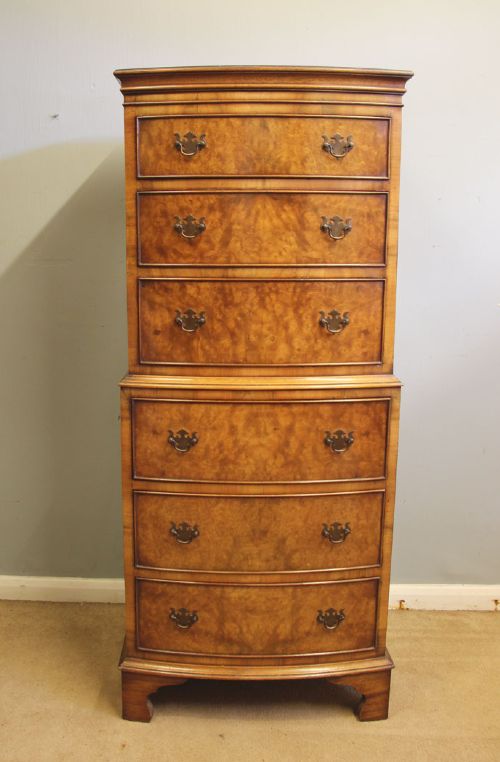
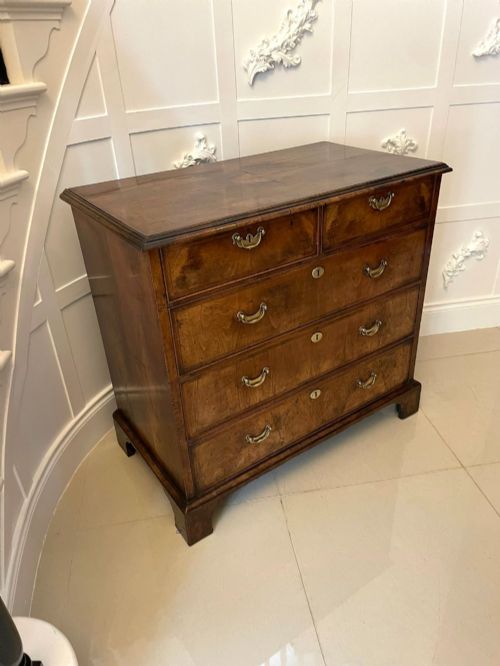
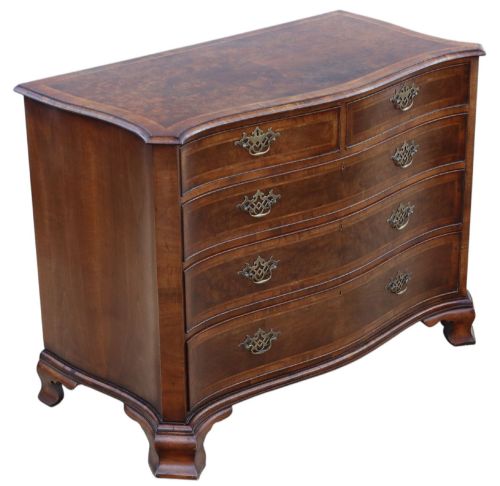
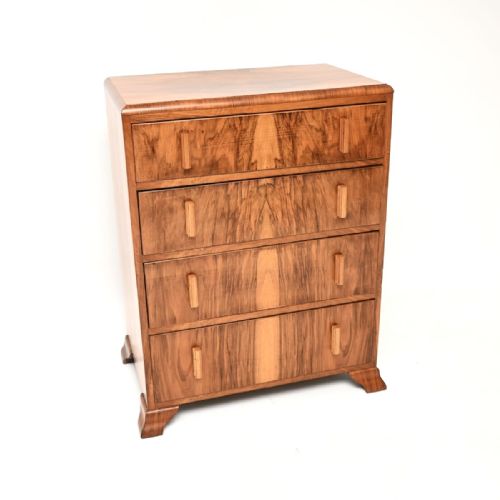
Brown Walnut Bedroom Chest
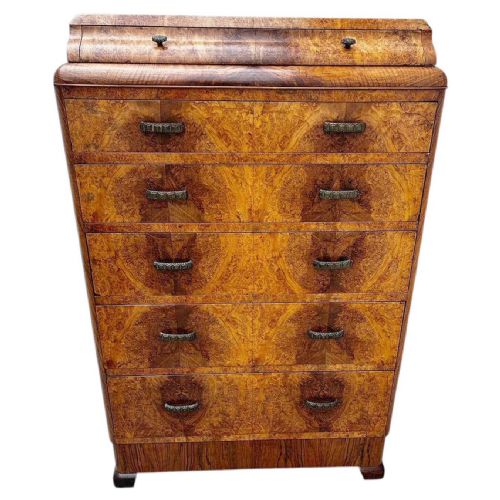
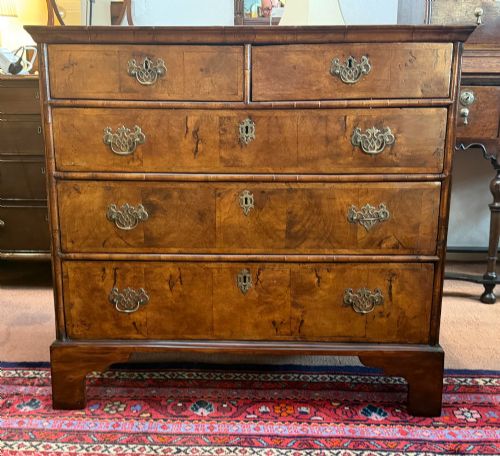
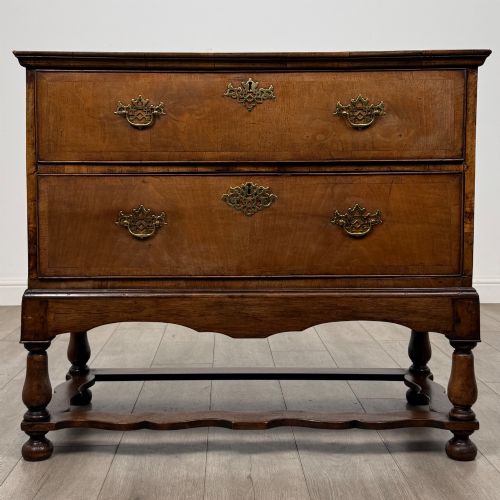
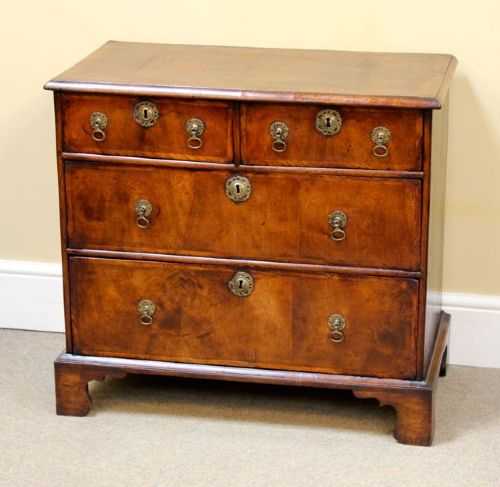
A brown walnut bedroom chest brings warm grain and generous storage to a room, spanning periods from the eighteenth century to art deco.
Brown Walnut Bedroom Chest
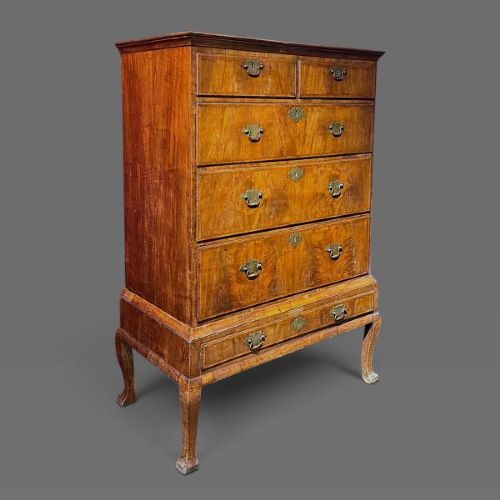
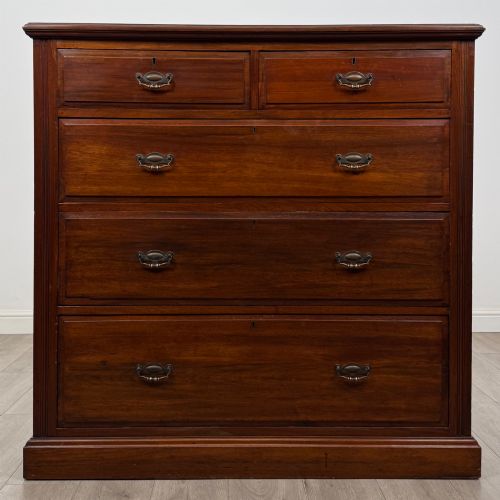
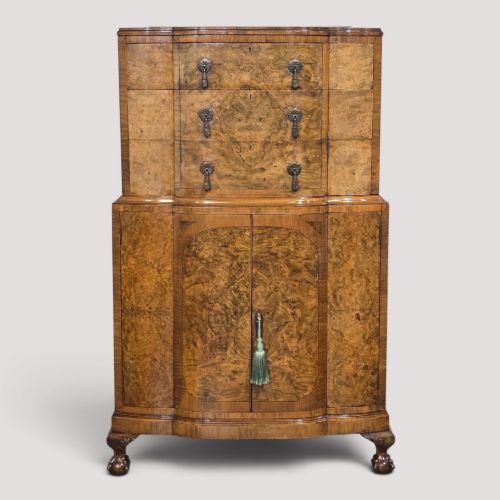
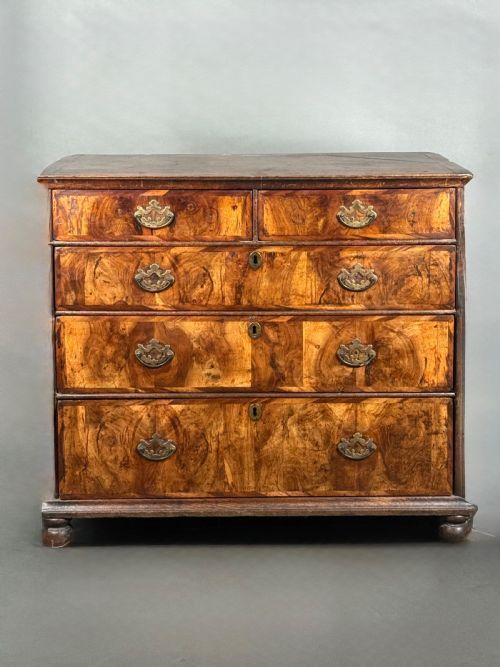
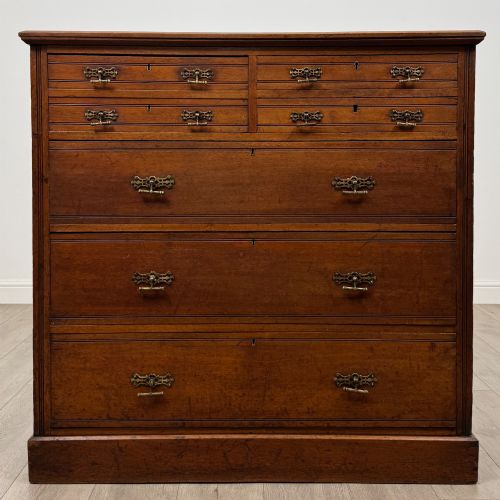
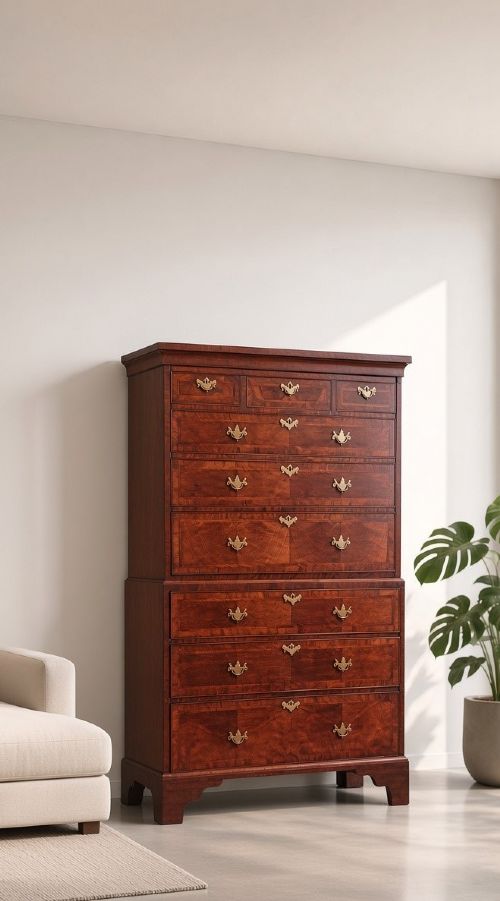
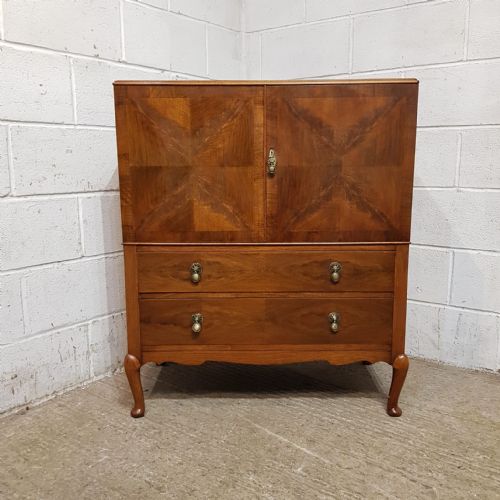
A brown walnut bedroom chest is a practical storage piece designed for domestic use, appearing in forms such as chests of drawers, tallboys, and commodes. Buyers searching this phrase encounter examples ranging from early eighteenth-century Georgian designs to 1930s art deco interpretations.
What varies in quality
Quality rests upon the selection and matching of the walnut veneer, where symmetrical figuring elevates the visual impact of the piece. The choice of secondary woods and the precision of the cabinetwork distinguish standard production from finer craftsmanship.
The integrity of the original hardware, drawer construction, and surface finish determine the standing of an individual chest. Pieces retaining their early patination and untouched timber surfaces hold distinct character.
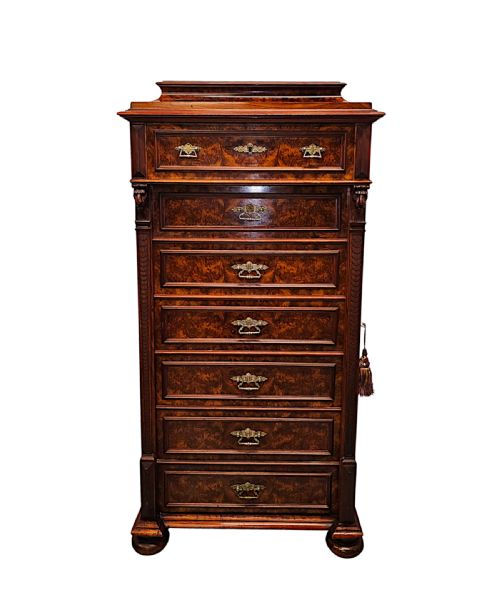
Some tall Wellington chests lock all drawers at once using a single hinged side pillar secured by a tiny brass key.
Jas Shoolbred
The Brown Walnut Bedroom Chest Glossary
- Burr walnut
- A veneer sliced from the burl or growth excrescence of a walnut tree, yielding swirling knot patterns that provide rich visual texture.
- Chest on chest
- A tall storage unit comprising one chest stacked directly on top of another, also known as a tallboy or double chest.
- Serpentine
- A front profile characterised by a convex centre flanked by concave curves, creating a gentle undulating shape.
- Crossbanding
- A narrow strip of veneer laid perpendicularly to the main grain direction, forming a decorative border around drawer fronts or tabletops.
- Wellington chest
- A tall, narrow chest of drawers secured by a locking hinged side flap that fastens over the drawer edges.
Brown Walnut Bedroom Chest: Frequently Asked Questions
How do I date a walnut chest?
Dating relies on examining construction techniques such as hand-cut dovetails, timber choices for drawer linings, and the style of the brass hardware.
Cabinet design shifts from the simple proportions of early eighteenth-century pieces to the revival styles of the Edwardian era and the geometric lines of the 1930s.
Are these chests suitable for modern bedrooms?
These chests offer deep drawer capacity for clothing and linen while introducing rich timber tones to contemporary interiors. Their compact footprints allow them to function effectively as bedside units or main dresser storage.
Different heights and widths accommodate varied room dimensions.
What is the difference between solid walnut and walnut veneer?
Solid walnut uses thick timber throughout the structural carcass and drawer construction. Walnut veneer applies thin slices of decorative wood over a stable secondary timber like pine or oak.
Veneering allowed makers to display dramatic grain figures without risking the warping associated with large solid boards.