




Period Walnut Storage Chest
A period walnut storage chest brings deep figured timber and enduring proportion into a room, serving as a practical drawer or cabinet.
Period Walnut Storage Chest
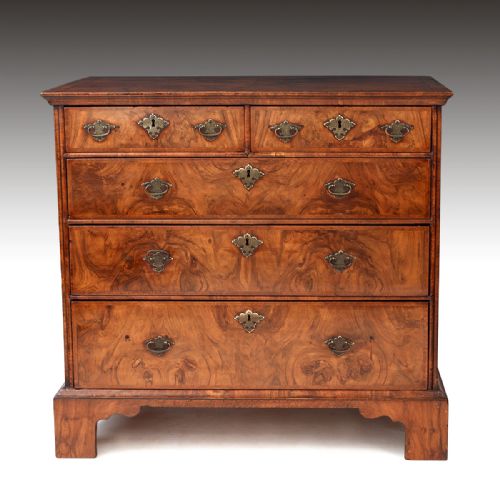
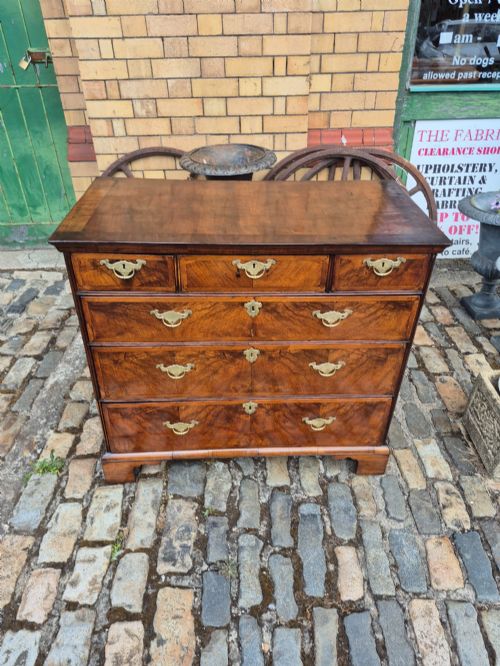
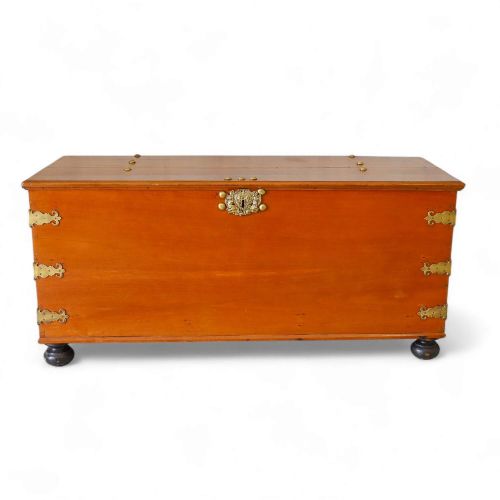
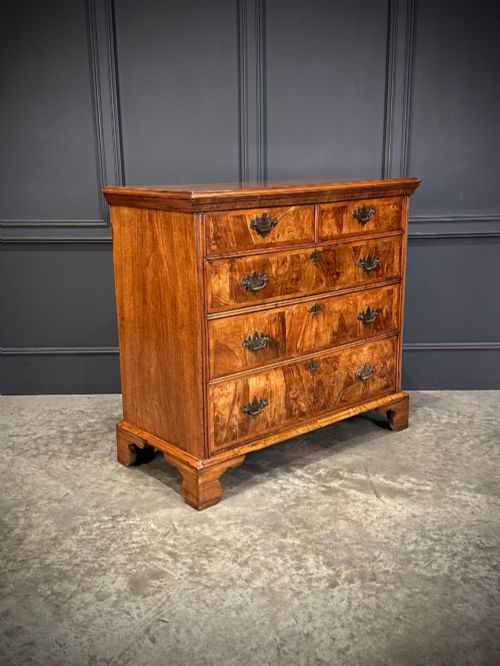
A period walnut storage chest encompasses case furniture designed to hold garments, valuables, or household goods across several centuries of British, continental, and colonial craftsmanship. Buyers searching for a period walnut storage chest will encounter sturdy chests of drawers, elegant commodes, and raised cabinets standing upon frames.
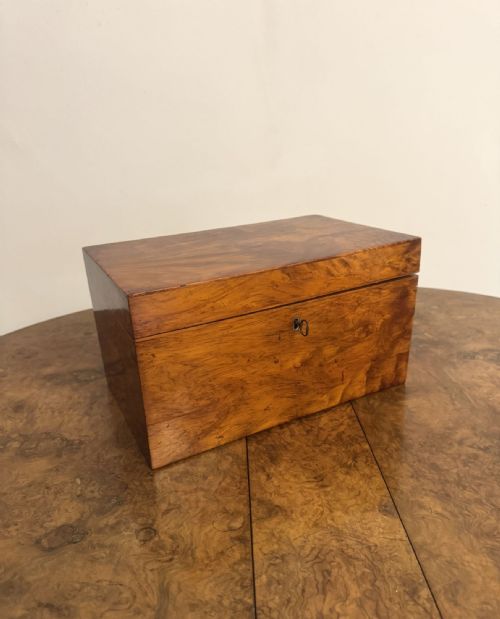
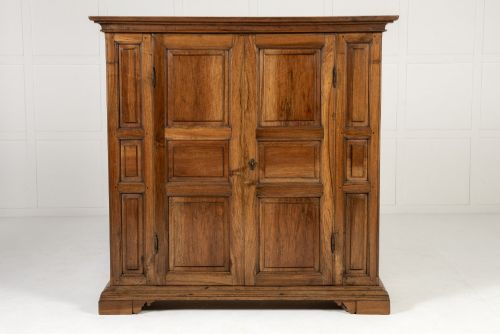
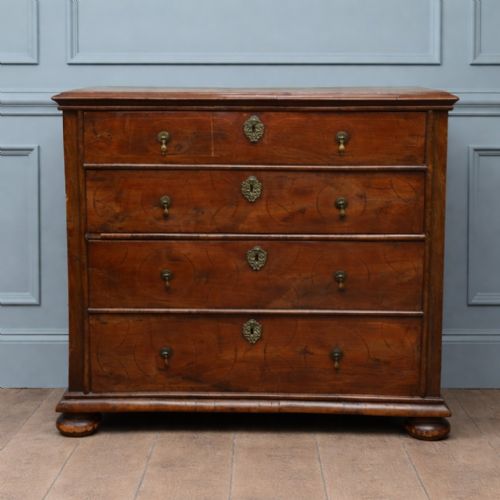
The pieces appearing on this page span the seventeenth, eighteenth, and nineteenth centuries, featuring named stylistic eras such as William and Mary, Queen Anne, and Georgian. Chests of drawers dominate the selection, alongside tea caddies, armoires, and cabinets on stands created from walnut and its variants.
Materials and Construction
Cabinetmakers constructed these carcases primarily from solid walnut, oak, and fruitwood, frequently applying highly figured burr walnut or olive veneers to the exterior surfaces. Decorative elements such as feather-banded borders, marquetry inlay, and brass handles enhance the visual depth of the timber.
Secondary structural components often incorporate oak or pine, while specialised pieces utilise marble tops or iron fittings. Master joiners employed precision cross-banding and oyster veneering to showcase the natural grain patterns of the wood.
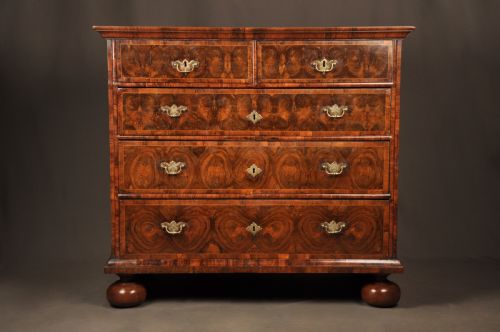
Cabinetmakers occasionally utilised olive branches to create oyster patterns that resemble clustered shellfish across the drawer fronts.
Evaluating the Pieces
The caliber of a piece rests upon the crispness of its marquetry, the uniformity of its veneer selection, and the integrity of its timber. Superior examples display carefully matched burr walnut or olive oyster patterns that wrap harmoniously across the drawer fronts and top surfaces.
Refinement in proportion, original brass hardware, and the survival of distinct period details like feather-banding elevate an item. The depth of the colour achieved through age and polish separates exceptional cabinet work from standard regional production.
The Period Walnut Storage Chest Glossary
- Burr walnut
- A specialised timber veneer harvested from the growth excrescences of walnut trees, yielding intricate, swirling grain patterns. This material was highly prized by elite cabinetmakers for principal display surfaces.
- Oyster veneer
- Circular slices cut transversely from small branches or roots, laid together to resemble oyster shells. This technique creates a distinctive repeating pattern popular in the late seventeenth century.
- Feather-banding
- A decorative inlay technique utilising small strips of wood cut diagonally and arranged in a chevron pattern around drawer edges. It frames the primary veneer panel with precise geometric contrast.
- Marquetry
- The art of applying finely cut veneers of various coloured woods and materials to form pictorial or geometric designs on a carcase. It requires immense skill to achieve seamless joints.
Period Walnut Storage Chest: Frequently Asked Questions
How do I date a walnut chest?
Examine the construction methods of the drawer linings, the thickness of the timber planks, and the style of the brass handles. Secondary woods like oak often indicate earlier seventeenth and eighteenth-century origins.
Compare the exterior decorative techniques, such as marquetry or oyster veneering, against known historical periods like William and Mary or the Georgian era. Subtle shifts in foot design and moulding profiles also help pinpoint the decade of manufacture.
Where should I place a chest?
Position your storage chest in a bedroom, hallway, or principal living space away from direct sunlight and heat sources. Walnut timber is sensitive to extreme environmental fluctuations and dry air.
Ensure the room maintains stable humidity to protect the delicate veneers and historical polishes from cracking or lifting. Allow sufficient clearance around drawers and doors to prevent operational stress.
How do I care for walnut furniture?
Dust the surfaces regularly with a soft, dry, lint-free cloth to prevent particulate accumulation on the antique polish. Avoid silicone-based commercial polishes that can degrade historical finishes over time.
Apply a quality microcrystalline wax sparingly when the timber appears dry, buffing gently to maintain the natural sheen. Professional conservation is recommended for any structural repairs or veneer stabilization.
What is a chest on stand?
A chest on stand consists of a primary drawer section elevated on a separate supporting frame with legs. This form lifts the storage compartment higher off the floor for easier access.
Originating prominently during the late seventeenth century, these pieces often feature shaped aprons and stretcher bases. They provide substantial capacity while maintaining a lighter visual footprint in a room.