


Brown Upholstered Ottoman
Brown upholstered ottoman pieces bring tactile warmth to a room, offering practical seating and hidden storage grounded in centuries of traditional craftsmanship.
Brown Upholstered Ottoman
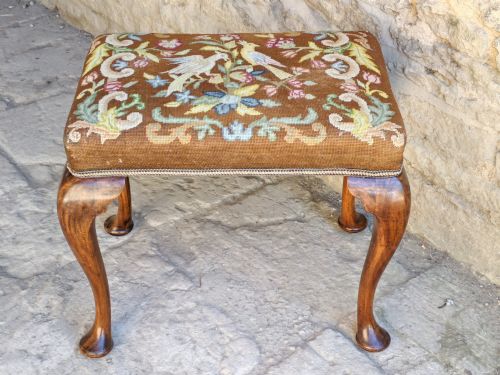
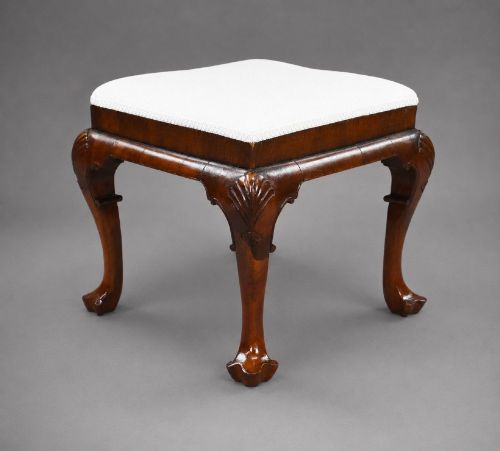
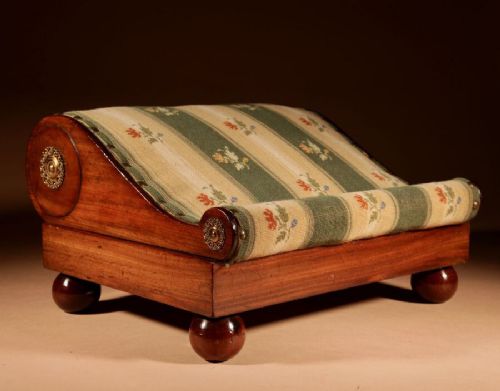
A brown upholstered ottoman spans footstools, piano stools, and storage boxes designed for nineteenth and early twentieth-century interiors. These pieces appear in periods ranging from early Victorian and Regency through to Art Deco, executed in styles such as Queen Anne, Chippendale Revival, and Louis XV.
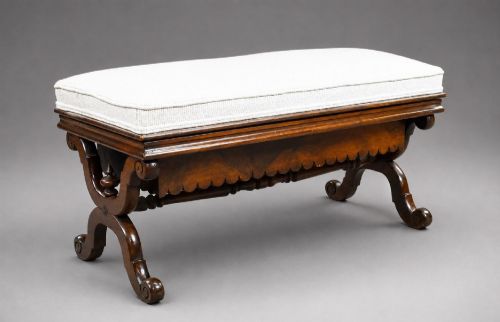
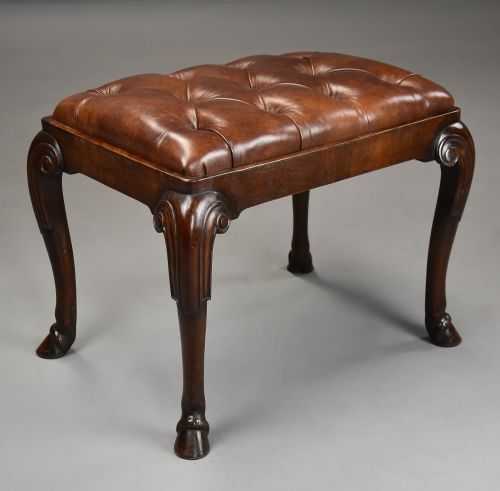
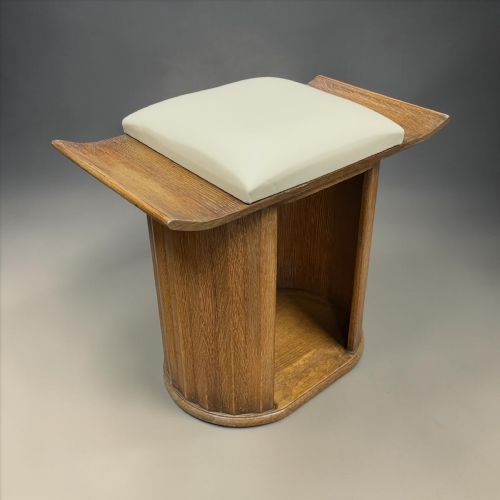
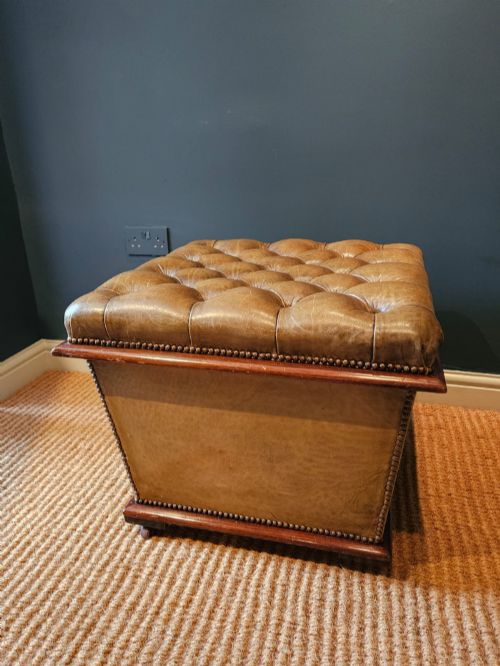
The versions most commonly met on this page are walnut and mahogany salon stools, leather storage ottomans from the Victorian era, and occasional dressing stools. They bridge the gap between ornamental seating and functional domestic furniture.
How they were made
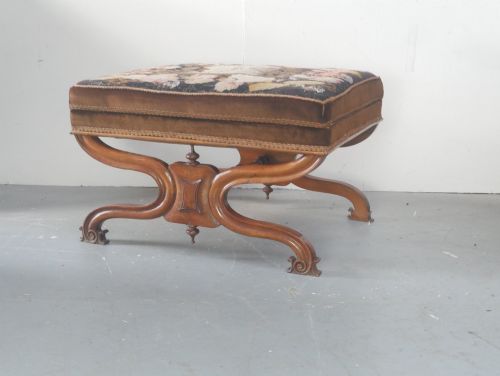
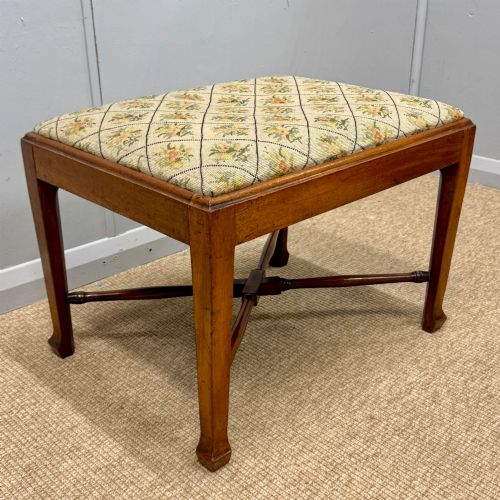
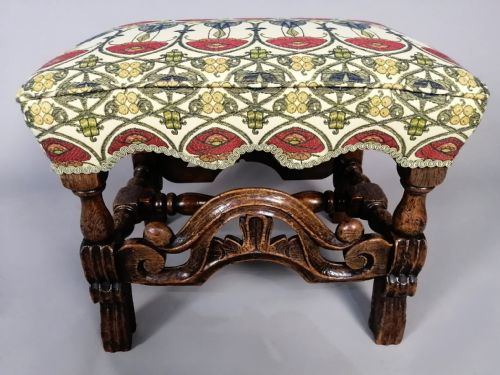
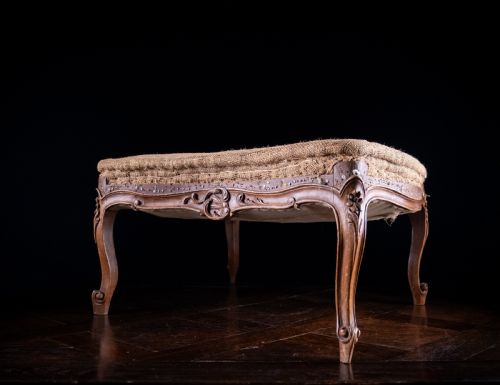
Frames rely on dense hardwoods like walnut, mahogany, rosewood, oak, and beech, frequently shaped with cabriole legs, cross stretchers, or architectural x-frames. Joinery traditions prioritize structural rigidity to support heavy upholstery and daily sitting.
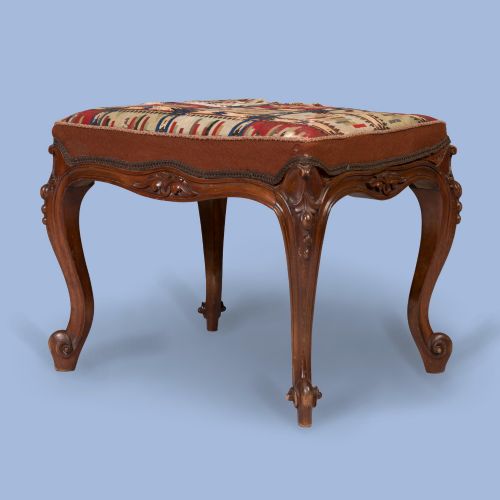
Surfaces are upholstered in leather, velvet, tapestry, needlepoint, zebra hide, and woven textile, often secured with buttoning, brass tacks, or carved wooden trim.
The listings combine walnut, mahogany, oak, and rosewood timbers with leather, velvet, tapestry, and needlepoint upholstery across Victorian and Edwardian forms.
What varies in quality
The distinction between ordinary and superior examples lies in the depth of timber carving, the integrity of the frame construction, and the selection of materials. Finely carved cabriole legs, crisp floral motifs, and substantial mahogany or walnut timbers elevate a piece far above standard utilitarian workshop output.
Upholstery finish also dictates standing, where hand-stitched needlepoint, genuine leather with period buttoning, and robust internal storage compartments demonstrate superior original commissioning.
James Shoolbred
The Brown Upholstered Ottoman Glossary
- Cabriole leg
- A furniture leg that curves outward at the knee and tapers inward toward the foot, often ending in a pad or scroll. This shape draws inspiration from animal limbs and dominates eighteenth and nineteenth-century revival seating.
- X-frame
- A structural base formed by two intersecting diagonal members that create an X shape when viewed from the side. This classical support system appears on Regency and Victorian stool designs.
- Needlepoint
- A type of canvas work embroidery executed with yarn using a tent stitch. It frequently covers the top of Victorian and Edwardian footstools with intricate floral or geometric patterns.
- Ottoman
- A low, upholstered seat or footstool typically lacking arms and a back. In nineteenth-century variants, the top often lifts to reveal a storage compartment.
- Cross stretcher
- Wooden rails connecting the legs horizontally beneath a stool to provide structural stability. They often feature a central finial or ornate intersection.
Brown Upholstered Ottoman: Frequently Asked Questions
What is a brown upholstered ottoman used for?
These pieces serve primarily as footstools, extra seating in salons or dressing rooms, or low tables. Many Victorian variants also incorporate internal storage boxes for blankets or textiles.
Their sturdy timber frames and comfortable upholstered tops make them versatile additions to both traditional and contemporary living spaces.
How do I date a Victorian ottoman?
Dating relies on timber choice, hardware, and stylistic revival cues. Mahogany and rosewood dominate mid-century examples, while walnut rises in popularity toward the later Victorian decades.
Examine the construction methods underneath, the type of upholstery tacks used, and whether the frame displays Gothic, Rococo, or Queen Anne revival characteristics.
Are these pieces comfortable for daily use?
Most antique stools and ottomans provide firm support due to period padding techniques and dense stuffing materials. Leather and buttoned upholstery options offer resilient surfaces suited to everyday resting.
While some smaller dressing stools are built lightly for occasional use, larger salon and library pieces possess robust frames designed for heavy seating.
How do I care for leather upholstery?
Leather surfaces require regular dusting with a soft, dry cloth and occasional treatment with appropriate leather conditioners to prevent drying. Avoid placing antique pieces in direct sunlight or near heat sources.
Preserving the patina involves gentle cleaning rather than harsh chemical restoration, maintaining the natural character of the nineteenth-century hide.