



Brown Tones Landscape Artwork
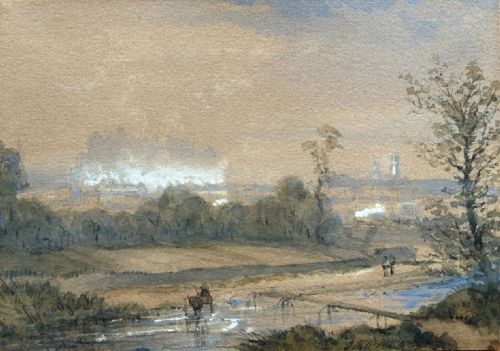
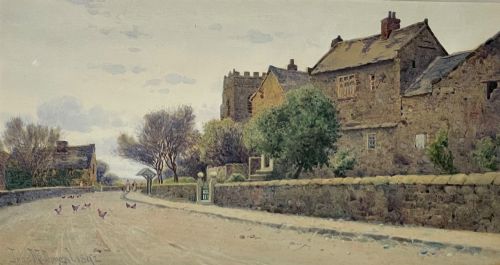
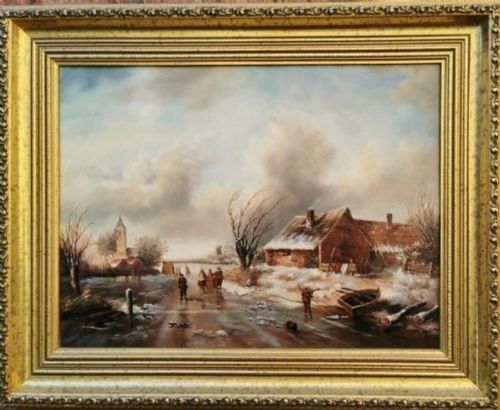
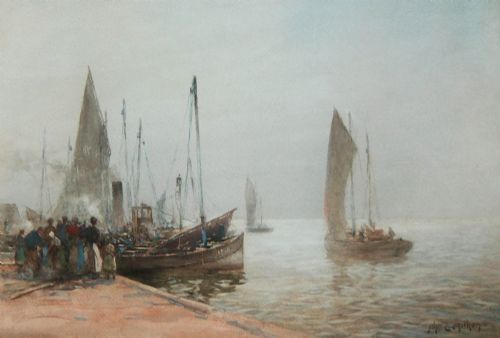
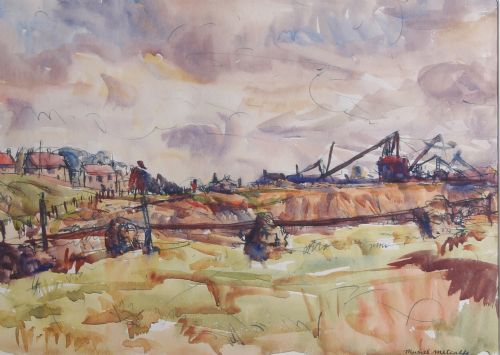
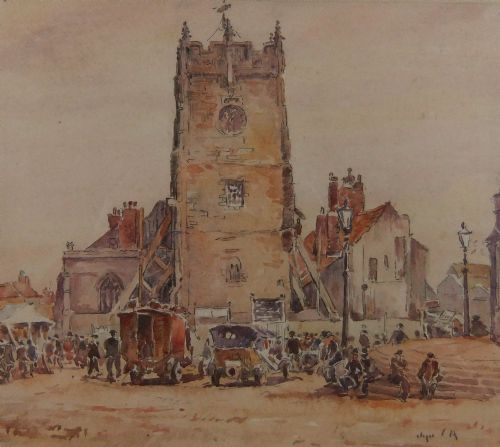
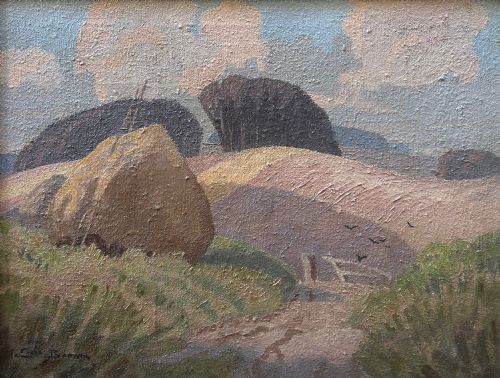
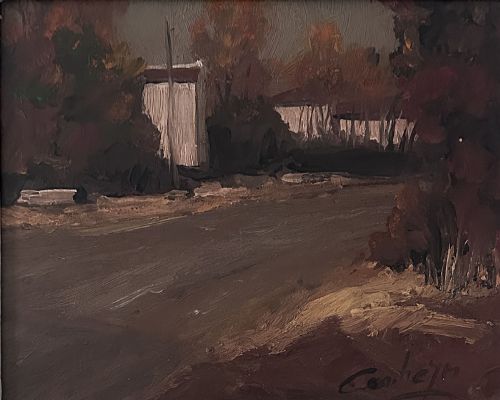
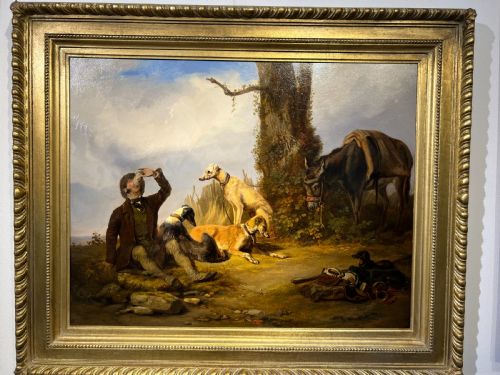
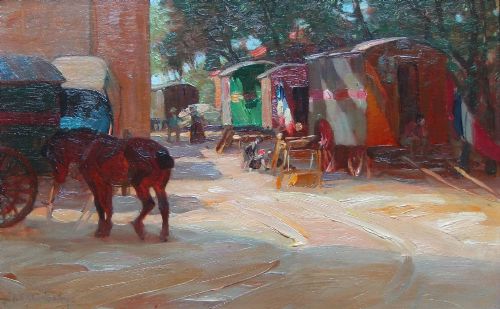
Brown tones landscape artwork brings together rural vistas, harbours and pastoral scenes painted in restrained earth pigments.
Brown Tones Landscape Artwork
When you search for brown tones landscape artwork, you encounter historical views executed primarily during the nineteenth and early twentieth centuries. These pieces record British and European countryside, coastal harbours and pastoral farmyards through naturalistic observation. Most examples meeting this description span the Victorian era up to the mid-century period.
Materials and methods
Artists relied upon oil paint and watercolour applied to prepared canvas, heavy paper or wood panels. Oil mediums permitted rich layering and deep umber shadows, while watercolours offered transparent washes on paper surfaces. Wood panels provided a firm support for detailed regional brushwork.
Pigments leaned heavily towards natural earth colours, ochres and siennas to capture moorland terrain, winter fields and timber structures. Framing typically involved moulded wood, occasionally gilded, which secured the canvas or paper substrate.
Ducks, sheep, pigs and working horses frequently wander into the background of these earnest historical landscapes.
Distinctions in execution
Quality rests upon the artist's handling of light and pigment depth within a restrained palette. Superior works create convincing atmospheric distance and texture through confident brushwork rather than flat washes.
Condition of the canvas, paper or wood panel influences the integrity of the piece. Well-preserved works retain their original surface tension, pigment saturation and contemporary framing without excessive restoration.
Tom Campbell·John McDougal·George Armfield·John Frederick Herring·Owen Bowen
The Brown Tones Landscape Artwork Glossary
- Oil paint
- A slow-drying medium consisting of pigments suspended in a drying oil, usually linseed. This formulation allows the artist to blend tones smoothly and build rich impasto layers.
- Watercolour
- A painting method in which the paints are made of pigments suspended in a water-soluble vehicle. It produces luminous, transparent washes on paper supports.
- Wood panel
- A rigid flat wooden support used by artists in place of canvas. It offers a stable surface for detailed brushwork.
- Impasto
- Paint applied thickly to a surface, standing out in relief from the plane. This technique adds tactile texture and catches ambient light.
Brown Tones Landscape Artwork: Frequently Asked Questions
What periods do these landscapes represent?
The available artworks predominantly date from the nineteenth century through the Victorian period and into the early decades of the twentieth century. Specific dates range across the eighteen-fifties up to the mid-twentieth century.
Victorian and Edwardian aesthetics heavily influence the earlier half of the selection, while later pieces show modernist shifts towards abstract or impressionist cityscapes.
Where were these landscape scenes painted?
Artists recorded locations across Britain, including Scottish highlands, Yorkshire coasts, Welsh canals and rural English villages in Yorkshire and Suffolk. Continental European settings also appear, notably Dutch winter scenes and French provincial farmyards.
Many works document specific local landmarks, harbours and rural trades such as fishing, farming and working horses.
How do I frame antique watercolours safely?
Watercolours require acid-free mount board to prevent the paper from yellowing or degrading over time. A window mount keeps the paper surface from touching the protective glass directly.
Exposing watercolours to direct sunlight causes the pigments to fade permanently. Hang these pieces on interior walls away from direct windows and moisture.