

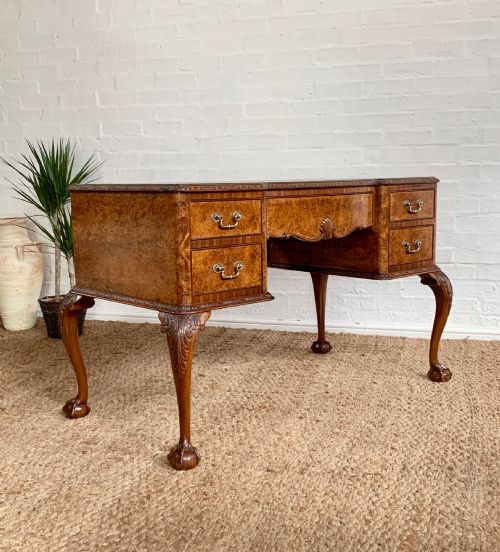
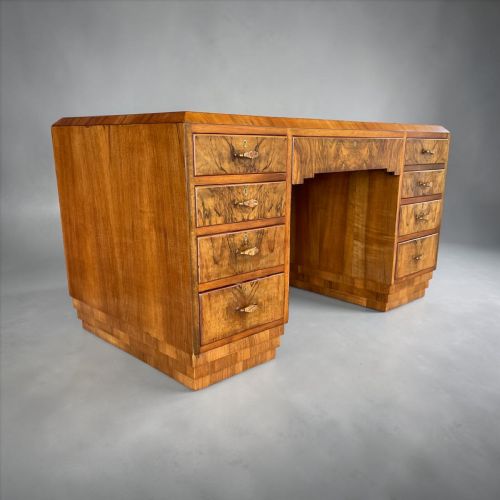

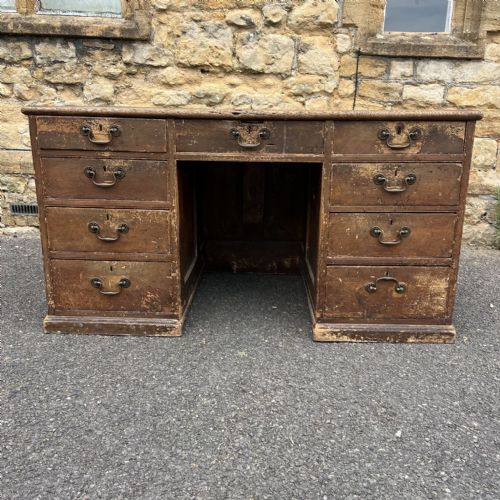
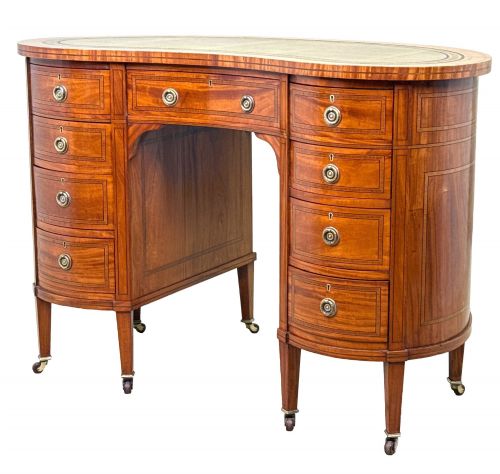
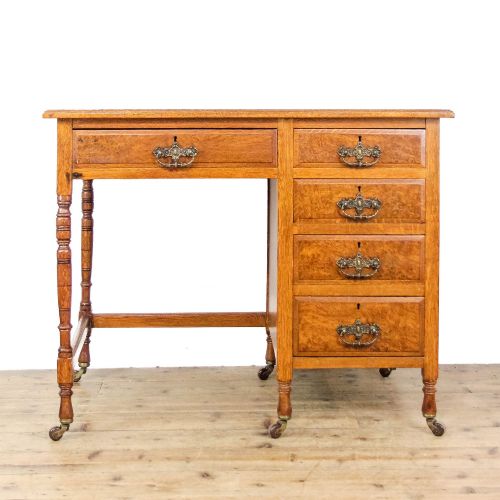
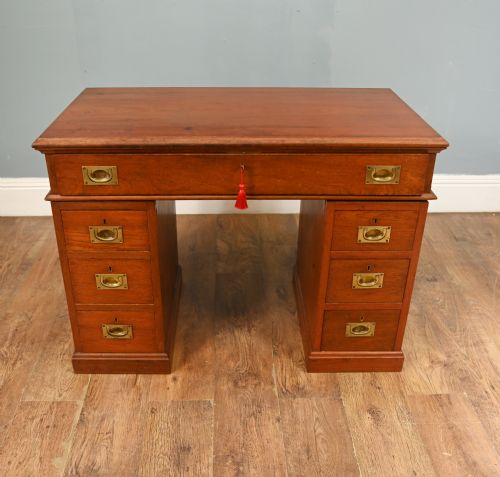

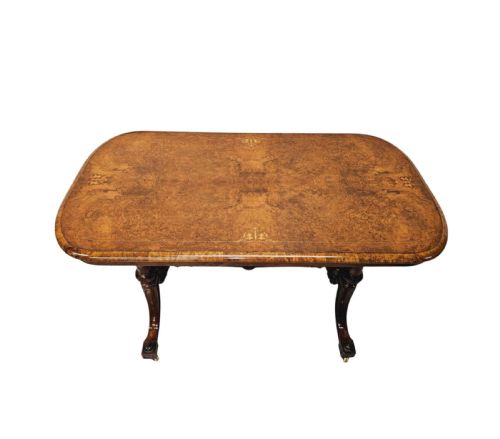


Brown Timber Writing Table
A brown timber writing table is a practical antique workspace built from classic woods like mahogany and walnut to anchor a study or library.
Brown Timber Writing Table
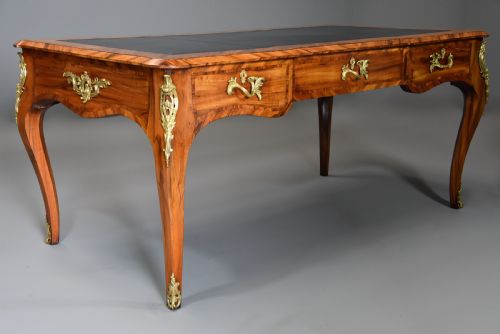
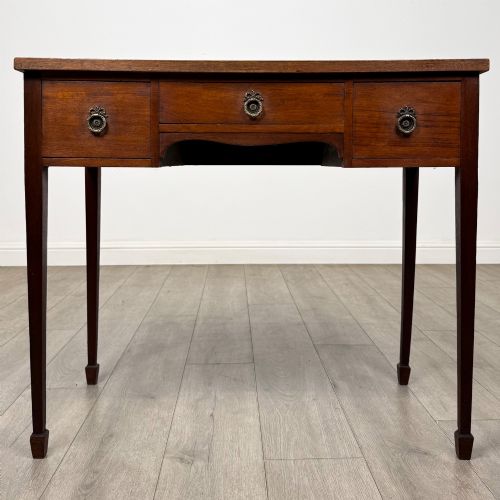
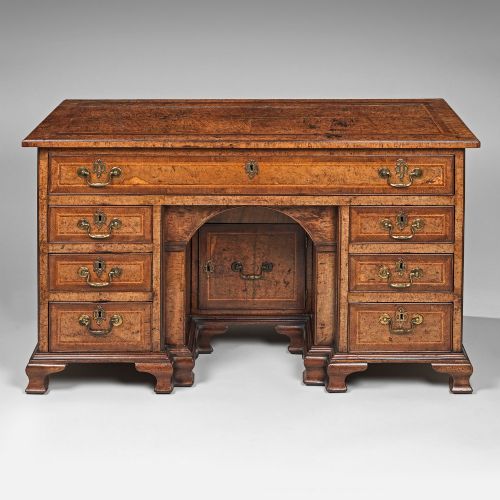
A brown timber writing table encompasses desks, library tables, and side tables produced across the eighteenth, nineteenth, and early twentieth centuries. These pieces range from compact Georgian kneeholes and lowboys to grand Victorian pedestal desks and French style bureau plats.
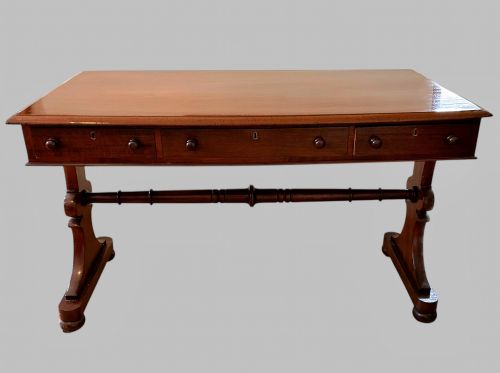
The materials and forms vary widely, reflecting both provincial utility and formal reception rooms. Buyers frequently encounter nineteenth century mahogany library tables alongside oak, walnut, and pine examples from the Georgian and Edwardian eras.
Materials and construction
Cabinetmakers constructed these writing tables primarily from solid timber and veneers, frequently employing mahogany, walnut, oak, and pine. Hardwoods provided structural integrity and polished surfaces, while secondary softwoods often formed internal drawer linings and carcass backs.
Surfaces were frequently finished with inset tooled leather writing panels, while hardware relied upon cast brass handles and drawer pulls. Joinery techniques included dovetailing for drawers and mortise and tenon frames to support daily use.
Several desks manage to look authoritative enough to govern an empire while remaining compact enough for a cosy Victorian corner.
Assessing quality
Quality rests upon the selection of timber figures, such as burr walnut or figured mahogany, and the crispness of cabinet joinery. Superior examples maintain original hardware, finely tooled leather inserts, and uncompromised structural proportions.
Secondary elements like drawer construction and timber matching on serpentine or bowfront profiles separate utilitarian workshop output from accomplished cabinetwork. The integrity of the finish and timber ageing further distinguish finer regional and period pieces.
Trollope & Sons
The Brown Timber Writing Table Glossary
- Kneehole desk
- A compact writing table featuring a central recess flanked by pedestals of small drawers. This form became popular during the eighteenth century for domestic studies.
- Lowboy
- A small table with one or more rows of drawers, commonly supported on slender legs. These tables served as writing surfaces or dressing tables in eighteenth-century homes.
- Pedestal desk
- A heavy freestanding desk comprising two independent drawer pedestals supporting a wide top. They often incorporate numerous drawers and leather writing surfaces.
- Bureau plat
- A flat-topped writing table, typically associated with French eighteenth-century designs. They frequently display restrained mounts and shaped legs.
- Pembroke table
- A drop-leaf table with hinged flaps on opposing sides. These versatile tables were easily moved and adapted for occasional writing tasks.
Brown Timber Writing Table: Frequently Asked Questions
What is a brown timber writing table?
A brown timber writing table is a traditional desk or freestanding table constructed from woods such as mahogany, walnut, and oak. These pieces were designed for correspondence and administrative work in period homes.
They appear in various forms, including pedestal desks, side tables, and kneeholes, spanning multiple centuries from the Georgian era through the Edwardian period.
How do I distinguish a Georgian desk from a Victorian one?
Georgian desks typically exhibit restrained classical proportions, elegant bracket feet, and solid timber construction with understated brass hardware. They prioritise refined joinery and classical lines.
Victorian pieces often display heavier proportions, richer burr veneers, and more elaborate pedestal configurations or inset leather writing surfaces reflecting industrial-era manufacturing capabilities.
Were these tables used in offices or homes?
These writing tables served primarily in domestic settings such as libraries, studies, and drawing rooms. Wealthy households utilised them for private correspondence and estate management.
Provincial and estate examples also saw service in utilitarian workspaces, while grander library tables occupied the centre of formal rooms.
How do I care for an antique writing table surface?
Preserving the timber and leather surfaces requires gentle cleaning with a soft, dry cloth and avoiding modern chemical polishes. Natural wax helps maintain the lustre of mahogany and walnut without harming the finish.
Keeping the table away from direct sunlight and extreme temperature fluctuations prevents timber splitting and protects original tooled leather inserts.