




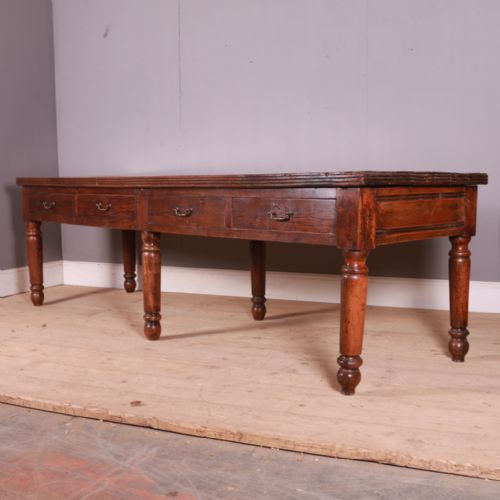
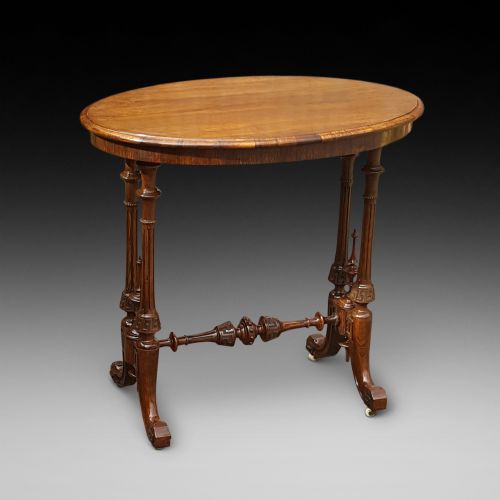
Brown Timber Work Table
A brown timber work table brings functional utility and honest craftsmanship into a modern interior.
Brown Timber Work Table
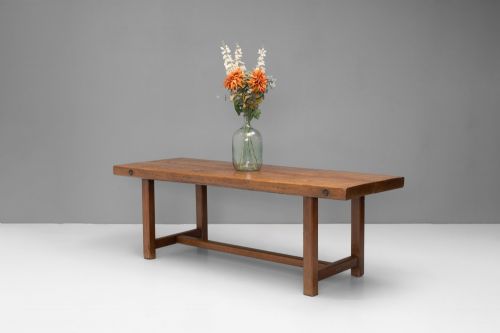
A brown timber work table encompasses practical surfaces originating from utility and domestic life, spanning dining tables, side tables, and functional workbenches. These pieces reflect the functional demands of past workshops and kitchens, adapting easily to contemporary living spaces as versatile preparation or occasional surfaces.
Buyers most frequently encounter robust utilitarian forms rooted in rustic farmhouse, rustic country, and French provincial styles. English and continental origins shape these designs, utilising sturdy timbers to create enduring surfaces built for daily use.
Materials and construction methods
Construction relies upon durable hardwoods and softwoods such as oak, pine, elm, beech, and rosewood, selected for their structural strength and distinct grain patterns. Cabinetmakers and artisans joined these substantial timbers using traditional joinery methods suited to heavy daily wear in workshops and domestic kitchens.
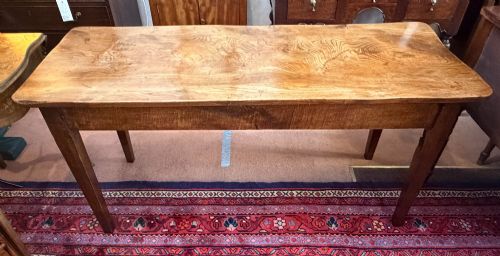
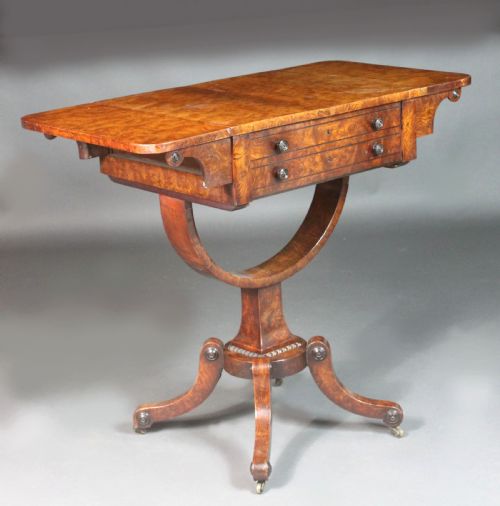
Metal elements including brass and iron appear in supporting structures, hardware, and vices, adding mechanical utility to benches and trestle bases. Selected pieces feature inlaid specimen wood tops and burr ash veneers that demonstrate finer decorative woodworking alongside utilitarian framing.
Listings feature timbers including oak, pine, elm, rosewood, and beech, alongside iron and brass hardware.
Judging quality and character
Quality in a brown timber work table rests upon the integrity of the timber selection and the honesty of the construction. Superior examples display thoughtful joinery and substantial stock thickness that withstands heavy physical tasks without compromising structural stability.
Surface patination and evidence of authentic working life distinguish finer examples from plain later reproductions. The harmony between original metal hardware, such as working vices or brass fittings, and the primary wooden structure determines the overall integrity of the piece.
The Brown Timber Work Table Glossary
- Worktable
- A utilitarian surface designed primarily for craft, sewing, or kitchen preparation rather than formal dining. These tables often incorporate drawers, lower shelves, or integrated vices.
- Trestle
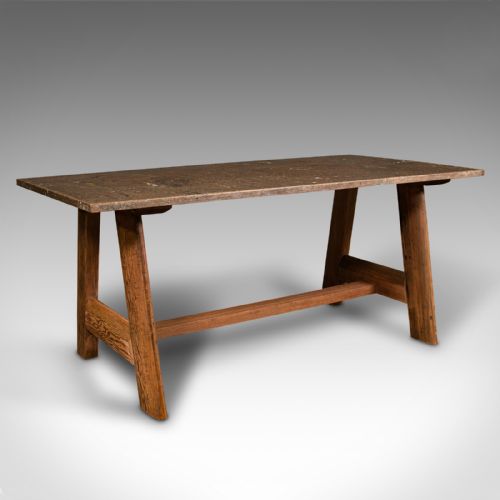
- A structural support consisting of a horizontal beam balanced on two pairs of splayed legs. This design provides sturdy legroom beneath long kitchen and work tables.
- Specimen wood
- Small pieces of various decorative timbers arranged in geometric or pictorial patterns on a tabletop. Makers utilised this technique to showcase their skill and the variety of available woods.
- Burr ash
- Timber taken from a tree growth where the grain has grown in a deformed, swirling pattern. This produces a highly decorative figure prized for fine table surfaces.
- Patina
- The surface sheen and colour acquired by wood and metal through age, handling, and continuous use. It serves as a visual record of the history of the object.
Brown Timber Work Table: Frequently Asked Questions
What defines a brown timber work table?
These pieces are functional surfaces originally built for workshops, kitchens, or domestic utility tasks rather than formal drawing rooms. They draw upon materials like oak, pine, and rosewood to provide robust daily functionality.
Buyers select them for their sturdy construction, honest materials, and practical forms that integrate easily into contemporary kitchens and living spaces as preparation or display surfaces.
How do I date a work table?
Dating relies on observing construction techniques, timber choices, and overall design characteristics aligned with periods such as the Regency, Victorian, or Edwardian eras. Hand-cut joints and native hardwoods often indicate nineteenth-century origins.
Hardware elements like iron braces, brass fittings, and integrated wooden vices also offer clues regarding the specific decade and intended workshop or domestic function of the piece.
Where were these tables used originally?
Original locations included French artisans' workshops, English country kitchens, artist studios, and sewing rooms where heavy manual tasks took place. Their robust design accommodated vices, tools, and food preparation.
Today, these utilitarian origins translate into versatile kitchen preparation islands, hallway side tables, or dining surfaces with distinct historical character.
How should I care for an antique work table?
Preserving the surface requires regular dusting with a dry cloth and avoiding excessive moisture on exposed timber and iron components. Natural waxes help maintain the condition of older hardwoods without altering the surface patination.
Placement away from direct heat sources and strong sunlight prevents the timber from drying out or splitting over time.