


Rustic French Work Table
These rustic french work table examples are honest utility pieces built for practical tasks, offering enduring character and sturdy timber construction for modern homes.
Rustic French Work Table
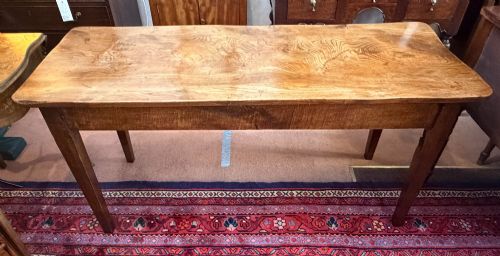
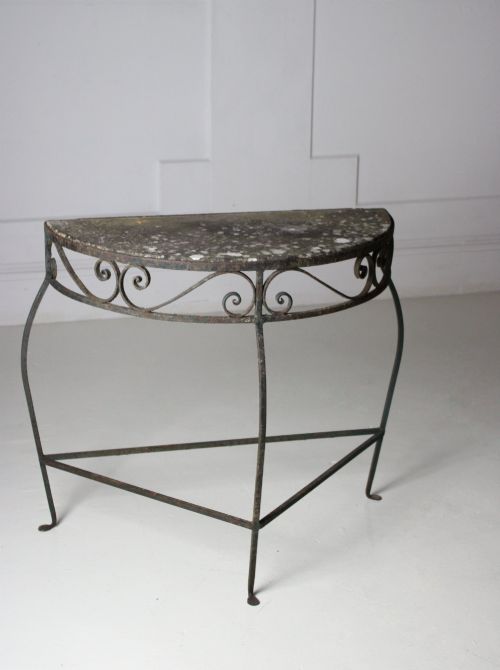
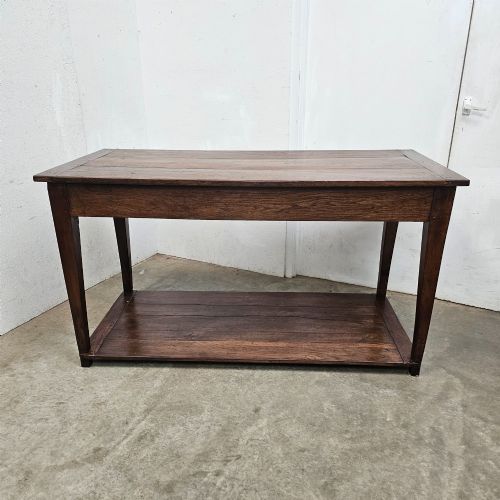
The selection ranges widely across nineteenth century origins and early twentieth century examples, including painted side tables and two tier florists benches. Functional utility defines the category, with forms extending from kitchen dining refectory pieces to potting shed and orangery tables.
Pine, oak, elm, and fruitwood form the primary body materials, frequently paired with wrought iron bracing, marble tops, or verdigris copper. These surfaces carry the genuine marks of heavy manual labour rather than decorative artifice.
Materials and construction
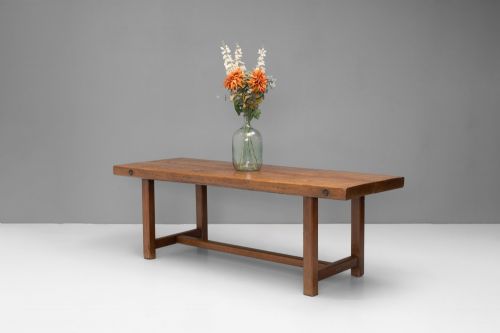
Makers utilised heavy local timbers such as oak, pine, beech, and elm to build rigid frames capable of withstanding constant pounding, planing, and cutting. Joinery prioritised absolute strength, employing thick timber tops secured to robust legs through traditional framing methods.
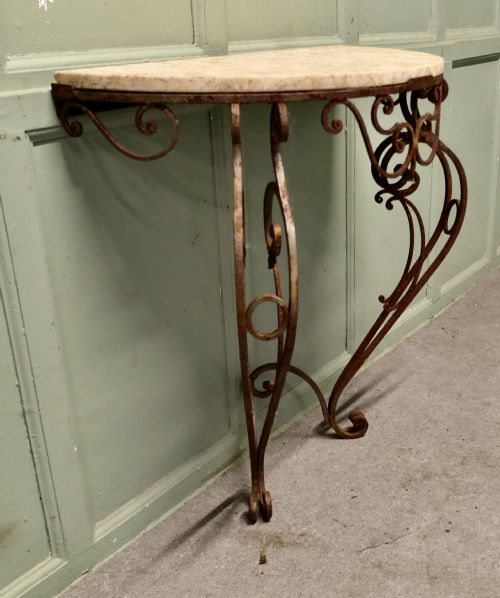
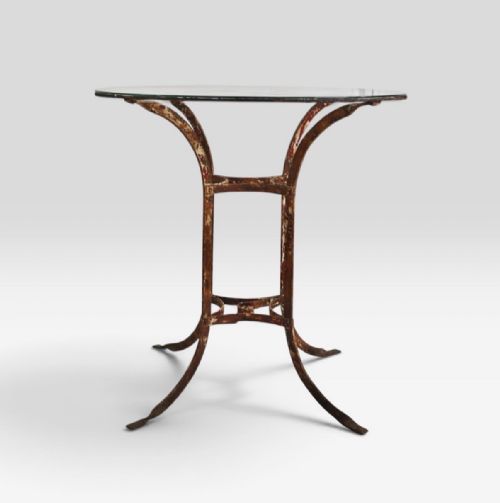
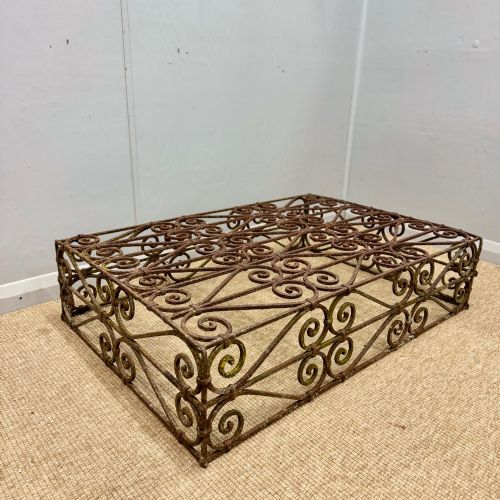
Iron components appear frequently, from structural wrought iron stretchers and corner braces to functional vices fitted to artisans workbenches. Painted finishes, verdigris copper, and marble inserts provide additional working surfaces designed to resist moisture and wear.
Listings feature nineteenth century pine drapers tables alongside early twentieth century painted folding garden furniture.
Assessing quality and character
Quality rests upon the integrity of the original construction and the honesty of the timber surfaces, where deep patination earned through decades of trade use elevates a piece. Tables retaining working mechanisms like wooden vices, original drawers, or structural iron braces demonstrate superior historical authenticity.
The balance between robust proportion and refined utility separates ordinary utility boards from exceptional architectural examples, such as monumental drapers tables or scrubbed sycamore trestles. Excessive restoration diminishes the tactile history embedded in the grain and scrubbed finishes.
Trussant And Cie
The Rustic French Work Table Glossary
- Drapers table
- A long, narrow table traditionally used for measuring and cutting textiles, characterised by high working heights and deep board construction.
- WorkBench
- A heavy utilitarian table fitted with vices and tool recesses, designed specifically for woodworking, metalwork, or artisan crafts.
- Trestle table
- A table structure where the top rests upon folding or rigid upright supports connected by a central horizontal beam.
- Refectory table
- A large dining table built with sturdy timber legs and longitudinal stretchers to ensure absolute stability during communal meals.
- Verdigris
- A green patina formed naturally on copper, brass, or bronze surfaces through long exposure to weather and moisture.
Rustic French Work Table: Frequently Asked Questions
How were workbenches used originally?
Artisans utilised workbenches for heavy manual trades, securing materials with integrated wooden vices while planing or shaping.
The scarred surfaces and embedded tool marks reflect decades of intensive workshop use.
Are these tables suitable for dining?
Many sturdy pine and oak examples provide ample surface area and comfortable clearance for daily kitchen dining.
Scrubbed timber tops and refectory forms adapt naturally to contemporary living spaces.
How should I maintain scrubbed timber?
Scrubbed timber surfaces benefit from gentle cleaning with mild soap and water to preserve the dry, patinated finish.
Avoiding harsh chemical sealants allows the natural grain and historical wear to remain fully breathable.