





Brown Timber Framed Art
Brown timber framed art brings together substantial wooden surrounds and period paintings, prints, or panels.
Brown Timber Framed Art
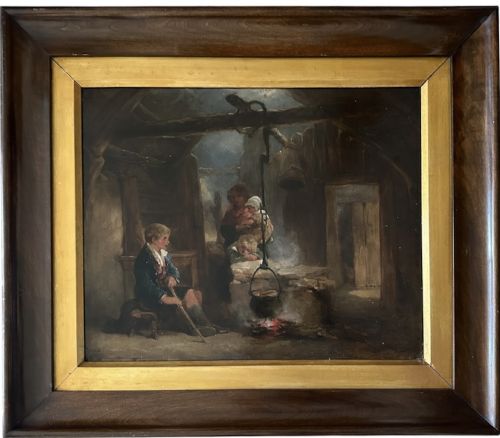
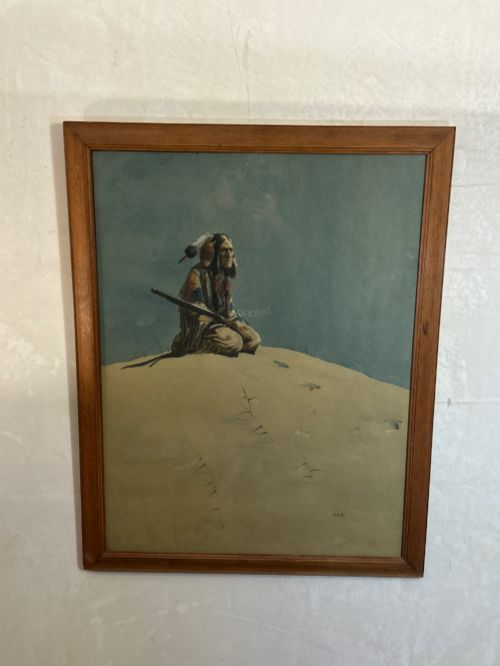
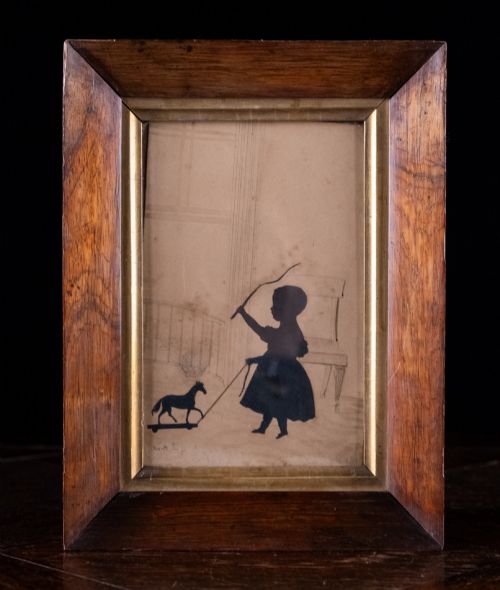
When you search for brown timber framed art, you encounter a diverse collection of framed paintings, watercolours, mirrors, and carved wooden panels. The selection spans the nineteenth century through the mid-twentieth century, capturing shifts in domestic decoration and artistic tastes.
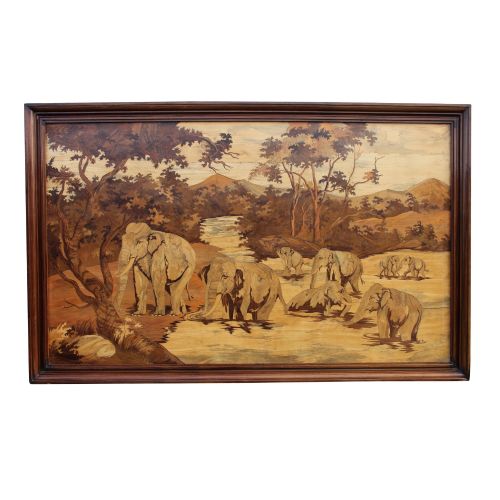
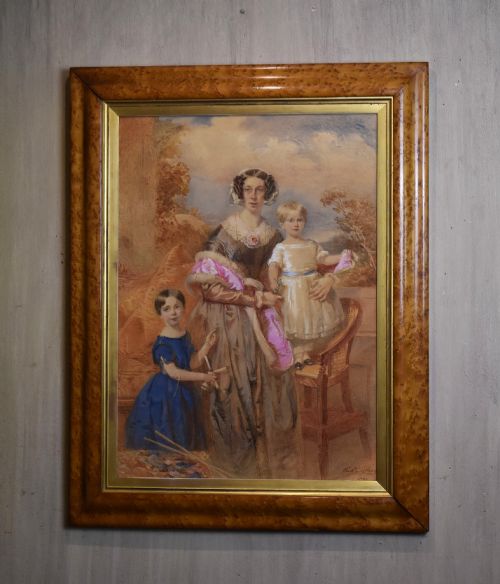
You are most likely to meet oil paintings on canvas and paper watercolours secured within oak, walnut, fruitwood, or mahogany surrounds. These works range from intimate portraiture and landscape scenes to architectural plans and intricate marquetry panels.
The objects originate from varied British, European, and Anglo-Indian traditions, reflecting the materials and crafting methods favoured by makers of each era. Each piece relies on the warmth of timber mouldings to define and protect the visual work within.
Materials and technique
The construction of brown timber framed art relies on traditional woodworking techniques applied to solid woods such as oak, walnut, and chestnut. Frames are typically joined at the corners with mitres or halving joints, often finished with hand-carved details or applied veneers.
Artworks within these frames utilise oil paint on canvas or board, watercolour on paper, and occasionally needlework or lithography. The mounting process incorporates protective wooden backings and paper linings characteristic of period framing practices.
Several pieces capture horses at work or rest, proving that earlier generations loved a good four-legged neighbour just as much as we do.
Gradations of quality
Quality in these items is determined by the crispness of the timber carving and the integrity of the joinery within the frame. Superior examples display carefully selected grain patterns and hand-finished mouldings that complement the artwork rather than simply enclosing it.
The execution of the framed work itself establishes the overall importance of the piece, whether through skilled brushwork in an oil painting or meticulous detail in an inlaid wood panel. Original matching of frame to artwork distinguishes exceptional survivals from later pairings.
Stanley Webb Davies·Oliver Morel·John Hassall·Augustin Edouart·Frederick Tatham
The Brown Timber Framed Art Glossary
- Marquetry
- A technique where pieces of veneer are fitted together to form decorative patterns on a wooden surface. This method appears on decorative panels and picture surrounds.
- Watercolour
- A painting method where fine pigment is suspended in a water-based solution, typically applied to paper. It is frequently found behind glass within narrow wooden frames.
- Gothic Revival
- An architectural and decorative style drawing inspiration from medieval forms. Pieces from this movement often feature pointed arches and trefoil ornamentation.
- Tunbridge Ware
- A type of decorative woodwork characterised by tiny mosaic pictures made from naturally coloured woods. These detailed designs form intricate geometric picture frames.
- Lithograph
- A printmaking technique based on the chemical repulsion of oil and water. It allows multiple reproductions of architectural plans and artistic prints.
Brown Timber Framed Art: Frequently Asked Questions
How do I care for antique timber frames?
Keep wooden frames away from direct heat sources and strong sunlight to prevent the timber from drying out or splitting. Dust the mouldings gently with a soft, dry cloth rather than using liquid polishes.
Ensure the hanging wire and wall fixings remain secure, as period frames carry considerable weight. Maintain a stable indoor humidity to protect both the wooden surround and the artwork inside.
Are these frames original to the art?
Many pieces retain their original frames, which were selected by the artist or contemporary framer to complement the work. You can often judge originality by the consistency of age-related wear between the frame and the artwork.
Subsequent reframing was common practice in the twentieth century when tastes changed. Examine the rabbet and backboards for signs of earlier fastenings if you wish to verify the history of the pairing.
What woods were commonly used?
Oak is frequently encountered, particularly in pieces associated with the Arts and Crafts movement and Gothic Revival styles. Walnut, mahogany, and fruitwoods also appear across Victorian and later decorative pieces.
Softer woods like beech were occasionally utilised and stained to imitate darker timbers. Each wood type brings distinct grain patterns and colour variations to the overall presentation.
How can I date a wooden frame?
Dating relies on construction methods, fastener types, and stylistic indicators such as carving motifs. Hand-cut joinery and early screw types point towards nineteenth-century production.
Stylistic cues, including Arts and Crafts simplicity or Victorian heaviness, provide a reliable guide to the decade of manufacture. Comparing the backing materials and paper linings offers further clues to the age.