




Brown Timber Dressing Table
These brown timber dressing table pieces range from 18th-century lowboys to Edwardian writing desks, offering traditional storage and writing surfaces for period interiors.
Brown Timber Dressing Table
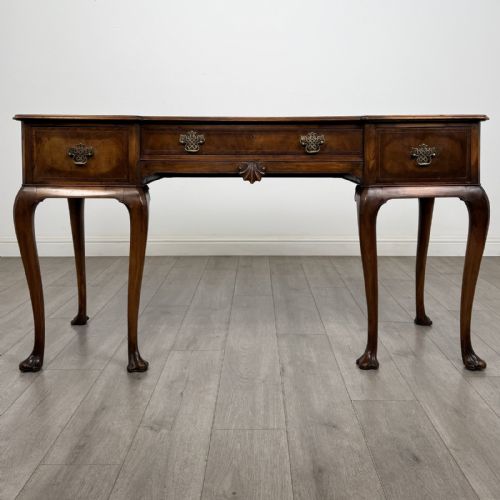
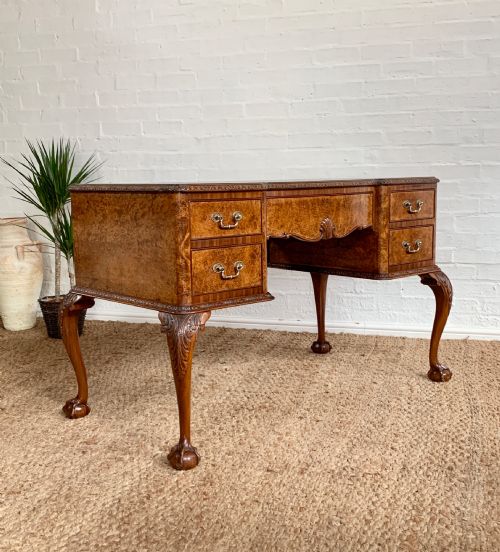
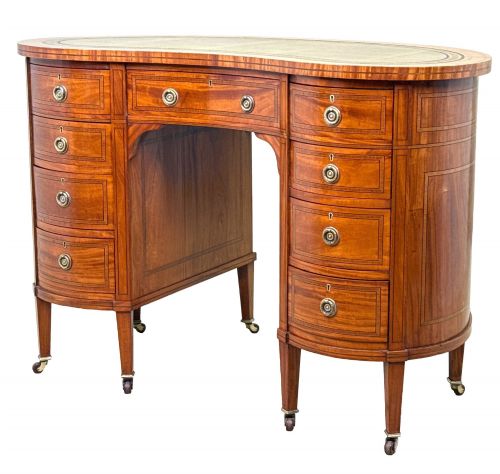
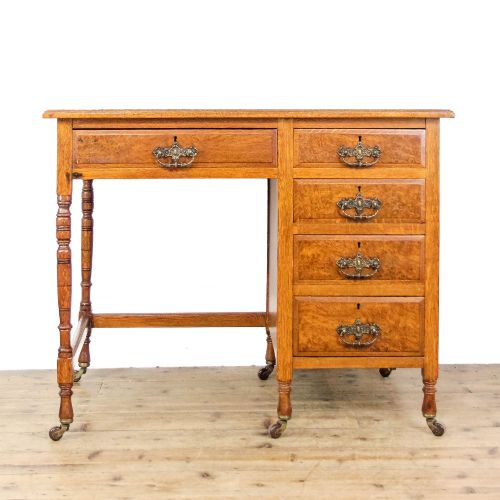
A brown timber dressing table search brings together lowboys, kneehole desks, and side tables constructed from rich woods across several centuries. Buyers frequently encounter George II lowboys, Georgian mahogany side tables, and Edwardian writing desks within this selection.
The objects serve multiple domestic functions, operating as writing surfaces, dressing spaces, and small console tables in traditional rooms. Examples span from walnut and burr elm 18th-century pieces to oak and mahogany items from the Edwardian era and the 1930s.
Materials and construction
Cabinetmakers utilised durable hardwoods including mahogany, oak, walnut, burr elm, fruitwood, and kingwood for these surfaces, often pairing timber with brass handles and glass mirror plates. Leather inserts appear on writing surfaces, providing a functional working area framed by polished wood.
Joinery methods reflect the periods of production, utilising solid timber construction for structural stability and decorative veneers like burr elm or kingwood on primary display surfaces.
Brown Timber Dressing Table Retail Price Guide 2026
Typical asking prices for brown timber dressing table among the pieces listed under this phrase on Sellingantiques today, from the lower quarter to the upper quarter. They describe what is for sale here now, not the wider market.
Several lowboys were originally built as dressing stands before finding new life as compact hallway writing desks.
Assessing the pieces
Quality shows in the choice of timber figure, such as burr elm or kingwood veneers, and the crispness of proportion in forms like kneehole desks and lowboys. Finer items display careful selection of grain matching and precise handling of secondary woods.
Construction details distinguish regional and period examples, separating straightforward country pieces from refined urban workshop productions through the execution of drawers and structural joints.
The Brown Timber Dressing Table Glossary
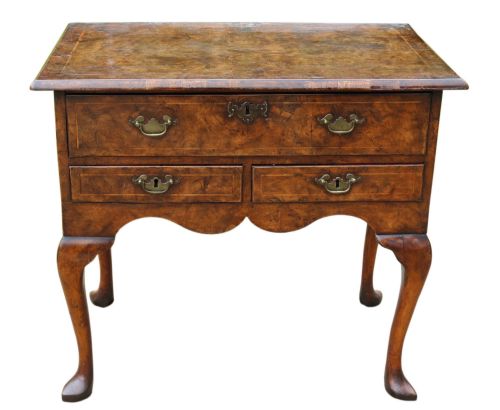
- Lowboy
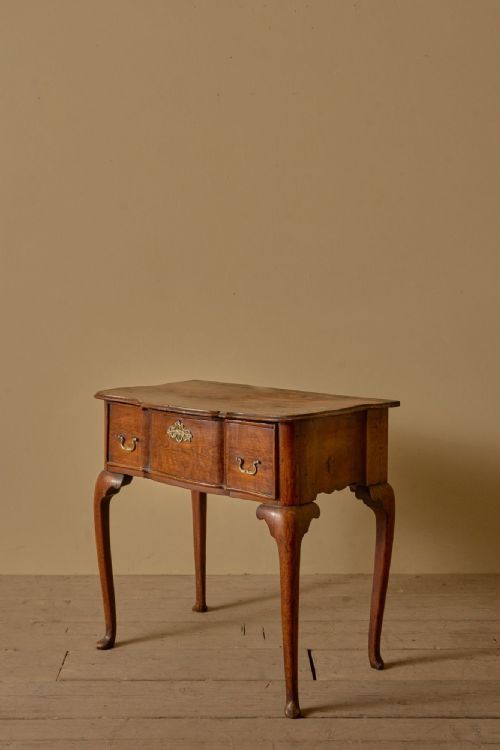
- A small oak, fruitwood, or walnut table with drawers, typically originating from the 18th century and used for various domestic tasks.
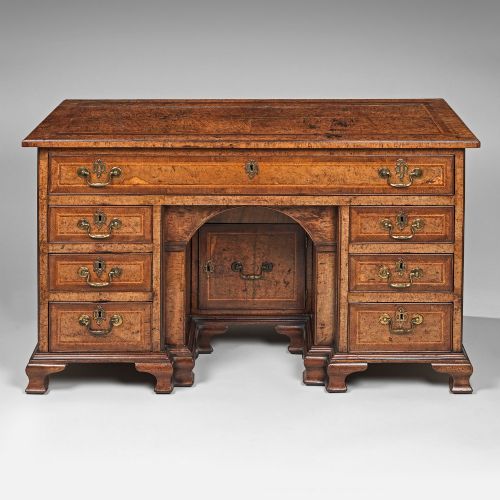
- Kneehole desk
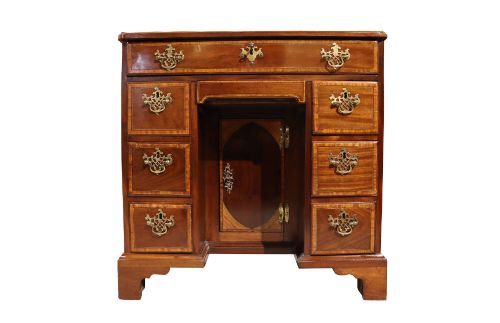
- A compact writing desk featuring a central recessed space for the legs, flanked by pedestals of small drawers.
- Side table
- A functional rectangular table designed to stand against a wall, frequently constructed in mahogany or oak during the Georgian period.
- Kingwood
- A dense, richly figured exotic timber utilised for decorative veneers on fine cabinet furniture.
Brown Timber Dressing Table: Frequently Asked Questions
What is a lowboy used for?
A lowboy functions as a small side table or dressing table, equipped with drawers for personal storage. These compact pieces fit easily into reception rooms and bedrooms.
Historically, they served multiple domestic purposes from writing to grooming, depending on their exact height and internal drawer layout.
How do I identify a George II piece?
George II items typically date around the mid-18th century, showcasing timbers like burr elm, cherry wood, and mahogany. They demonstrate substantial joinery and restrained period proportions.
Looking at the construction of the drawer linings and the choice of native and exotic woods helps confirm the era of production.
Where should I place a kneehole desk?
A kneehole desk suits study spaces, living rooms, or bedrooms as a compact writing surface. Its finished back and sides often allow it to sit away from the wall.
The modest footprint of these desks makes them practical for smaller rooms requiring traditional furniture.
What distinguishes Edwardian writing tables?
Edwardian writing tables reflect early 20th-century revivals of earlier styles, utilising oak, walnut, and mahogany. They combine traditional forms with functional modern requirements.
These pieces often display lighter proportions compared to their heavy Victorian predecessors while maintaining classical design details.