



Brown Timber Desk Chair
A brown timber desk chair is a practical antique seat built from solid hardwoods for working at a table.
Brown Timber Desk Chair
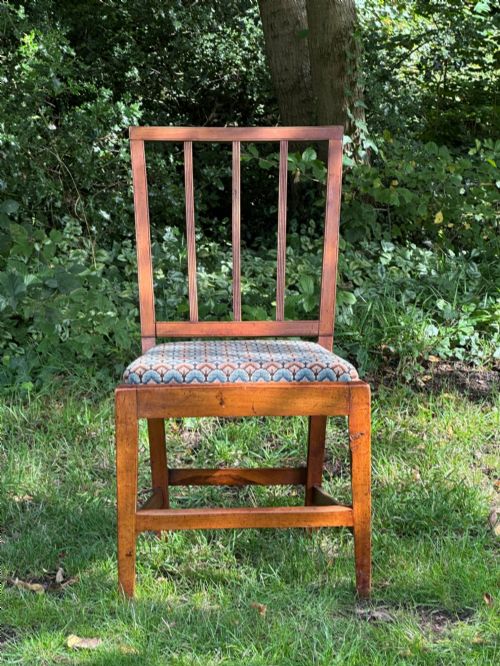
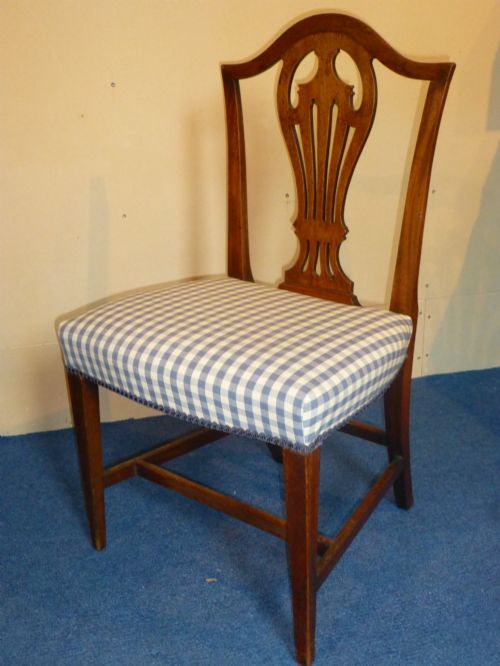
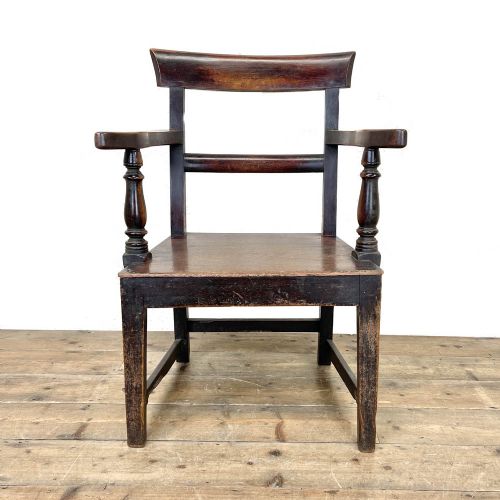
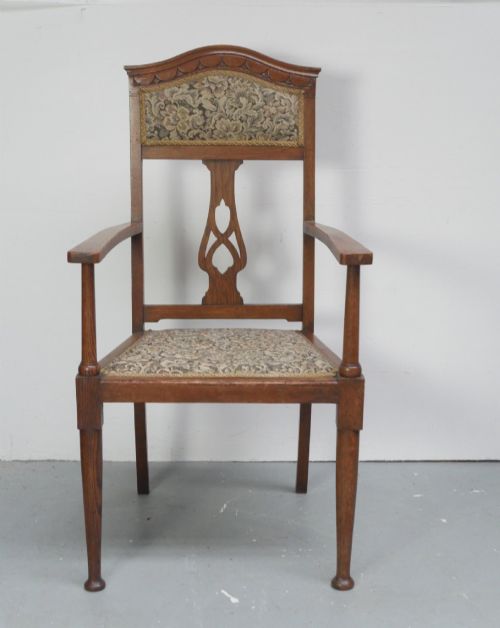
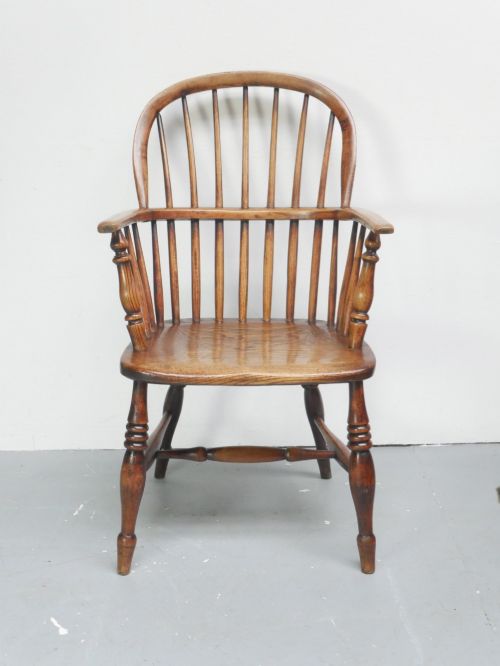
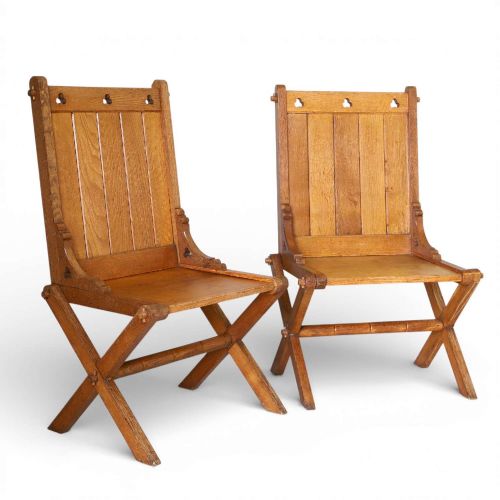
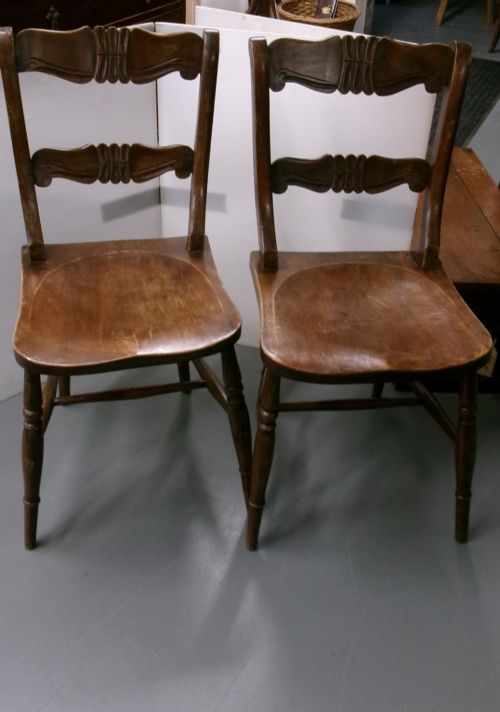
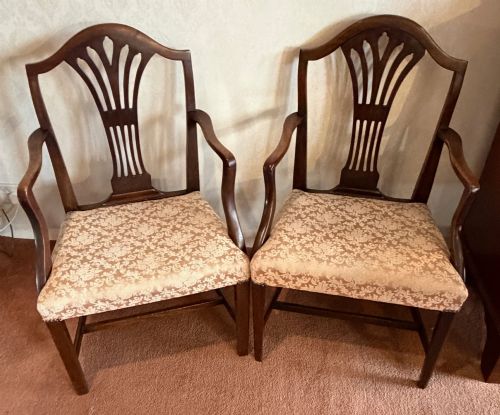
When searching for a brown timber desk chair, buyers encounter a diverse selection of wooden seating spanning several centuries and styles. The offerings range from sturdy provincial Windsor armchairs to formal Georgian side chairs and Victorian library seating.
Most examples found on this page originate from the Georgian, Victorian, and Edwardian eras, reflecting traditional craftsmanship. These functional seats include open armchairs, solid wood side chairs, and occasional carvers designed for writing and study.
How they were made
Cabinetmakers and country joiners utilised traditional timbers such as mahogany, oak, elm, birch, and fruitwood to construct these durable seats. Component parts were frequently shaped using lathe turning, steam bending, and precise mortise and tenon joinery.
Surface finishes relied on natural wax, polish, or oil applied directly to the timber to highlight the grain. Structural integrity was often maintained through pegged joints, splats, and turned spindles rather than metal fasteners.
Brown Timber Desk Chair Retail Price Guide 2026
Typical asking prices for brown timber desk chair among the pieces listed under this phrase on Sellingantiques today, from the lower quarter to the upper quarter. They describe what is for sale here now, not the wider market.
One curious offering includes a designated gossip chair designed for elevated corner seating during lively Victorian chatter.
What varies in quality
The distinction between ordinary and superior pieces rests on the choice of timber and the sophistication of the joinery. Denser hardwoods, thoughtful grain selection, and crisper carved details elevate a chair well above standard utilitarian production.
Proportion and comfort also dictate standing, as finer examples balance structural strength with refined ergonomics. Original surface patination and minimal timber replacement preserve the historical integrity valued by discerning collectors.
The Brown Timber Desk Chair Glossary
- Windsor chair
- A wooden chair featuring a heavy solid timber seat into which the legs and back spindles are directly socketed. This traditional form often incorporates a bentwood bow or comb back.
- Splats
- The vertical wooden strip down the centre of a chair back, frequently shaped or pierced for decoration. Georgian examples display considerable variation in this central element.
- Padouk
- A dense tropical timber valued for its rich reddish-brown colour and durability. It appears in carved colonial and regional seating forms.
- Carver chair
- An open armchair, typically sharing a design with a set of smaller side chairs. These were historically placed at the head of a table or utilised at a desk.
Brown Timber Desk Chair: Frequently Asked Questions
How do I date a wooden chair?
Dating relies on examining the timber species, tool marks left by manufacture, and structural construction methods. Georgian and Victorian pieces exhibit distinct joinery techniques and stylistic traits that anchor them in time.
Secondary woods and wear patterns on the seat and feet also offer reliable clues to age. Comparing the turning style against known period examples helps narrow down the decade of production.
Are these chairs comfortable for daily use?
Many traditional wooden forms provide upright support suitable for desk work, though they lack modern ergonomic padding. Solid elm and mahogany seats are shaped for posture rather than lounging.
Adding a removable period-appropriate squab cushion can improve comfort without altering the antique timber frame. Regular use requires checking leg joints and spindles for stability.
What is a Windsor chair?
A Windsor chair is constructed with a thick wooden saddle seat that holds the legs below and the back spindles above. This clever construction creates a strong and lightweight seating option.
Originating in rural workshops, these chairs evolved into sophisticated regional variants across Britain and beyond. Their enduring appeal lies in their sculptural form and robust construction.
How should I care for antique timber?
Protect wooden chairs from direct sunlight and rapid humidity changes to prevent the timber from splitting or warping. Applying a microcrystalline wax occasionally helps nourish the surface polish.
Avoid placing antique seating near active heat sources like radiators or fireplaces. Gentle dusting with a dry cloth keeps the patina intact without stripping historical finishes.