



Vernacular Ash Furniture
Vernacular ash furniture brings together sturdy country pieces crafted from local timber for everyday domestic use.
Vernacular Ash Furniture
Vernacular ash furniture comprises functional domestic items made outside major urban centres by local joiners and regional makers. When searching for vernacular ash furniture, buyers encounter robust seating and tables designed for practical households.
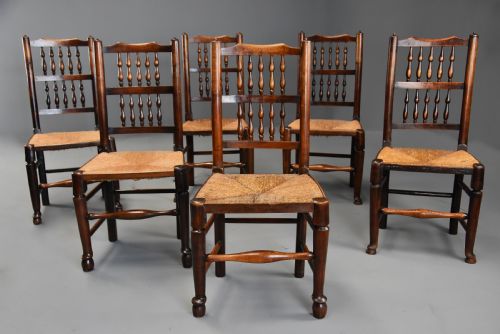
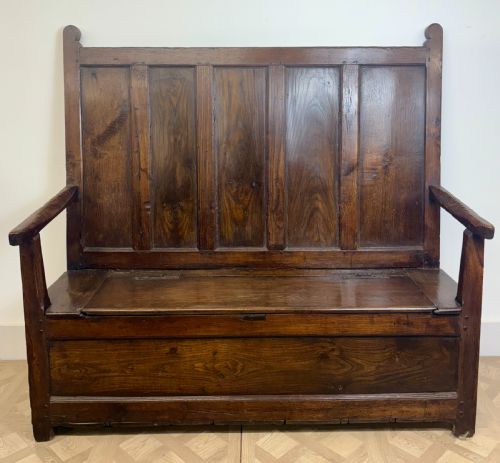
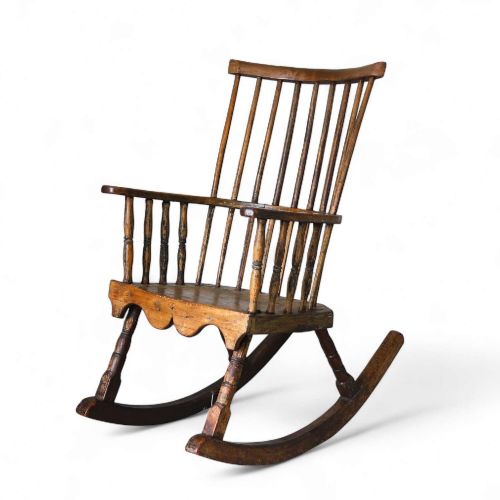
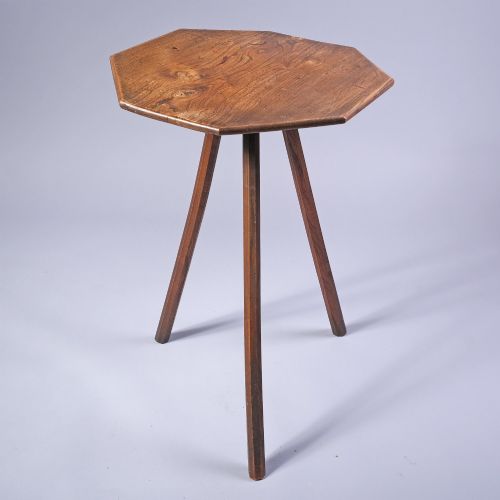
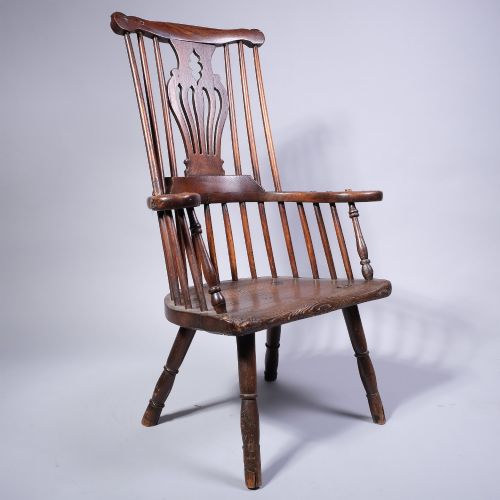
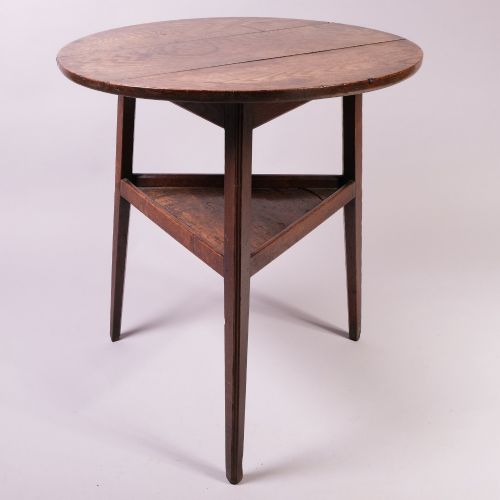
The selections span the eighteenth and nineteenth centuries, including Georgian and Victorian examples. Common forms include Windsor chairs, spindle back chairs, settles, benches, and small tables such as cricket tables.
Regional variations appear across England, Wales, Scotland, and Ireland. Pieces often incorporate mixed native timbers alongside ash, reflecting the available materials in local workshops.
How they were made
Construction relies on combining native hardwoods selected for specific structural properties. Ash provides strength for legs and spindles, while elm or sycamore serves for solid shaped seats.
Makers utilised green woodworking techniques and traditional joinery such as tenons and wedges. Surfaces frequently show the tool marks of drawknives and pole lathes used to shape the components.
Vernacular Ash Furniture Retail Price Guide 2026
Typical asking prices for vernacular ash furniture among the pieces listed under this phrase on Sellingantiques today, from the lower quarter to the upper quarter. They describe what is for sale here now, not the wider market.
Several miniature chairs survive, made by country makers for children or perhaps as apprentice demonstration pieces.
What varies in quality
Quality rests in the balance of proportions and the integrity of the original construction. Better examples display harmonious lines and thoughtful selection of grain patterns in the timber.
The condition of the surface finish and the retention of original components determine desirability. Alterations or replaced elements change the character of these functional objects.
The Vernacular Ash Furniture Glossary
- Comb-back
- A Windsor chair design where the vertical spindles extend through a crest rail, resembling the teeth of a comb.
- Cricket table
- A small, lightweight three-legged table traditionally used on uneven flagstone floors.
- Súgán chair
- A traditional Irish seating form featuring a woven seat made from straw or twisted hay.
- Box settle
- A high-backed wooden bench with a compartment beneath the seat for storage.
- Spindle back
- A chair construction method utilising numerous thin turned wooden rods to form the backrest.
Vernacular Ash Furniture: Frequently Asked Questions
What is vernacular ash furniture?
Vernacular ash furniture consists of unpretentious domestic pieces made by regional craftsmen using local timber. These items prioritised utility over high-style ornamentation.
Such pieces include Windsor chairs, low tables, and settles produced during the eighteenth and nineteenth centuries.
How do I date an ash Windsor chair?
Dating relies on observing construction details, tool marks, and overall design evolution. Earlier eighteenth-century examples often display simpler, heavier turnings and different seat shaping compared to later Victorian versions.
Timber shrinkage and wear patterns also offer clues to age, though regional makers often retained traditional methods long after urban fashions changed.
Where were these pieces made?
Makers operated in rural areas across England, Wales, Scotland, and Ireland. Regional traditions developed distinct styles, such as Welsh comb-backs or Irish súgán chairs.
Workshops utilised whatever timber grew locally, leading to regional combinations of ash, elm, oak, and sycamore.
How should I care for ash furniture?
Keep wooden furniture away from direct heat sources and dramatic humidity fluctuations to prevent timber splitting. Regular gentle dusting preserves the dry surface finish.
Avoid modern synthetic polishes that build up sticky residues on historic timber surfaces.