
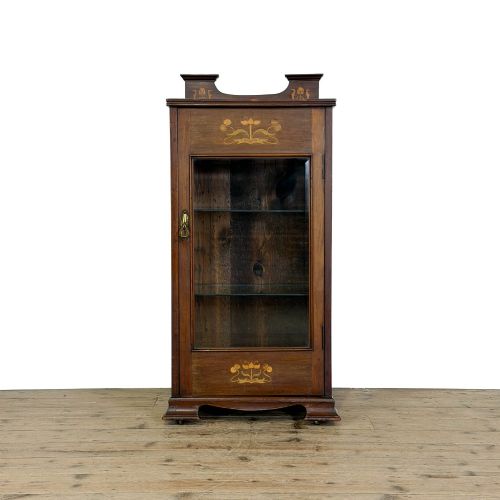
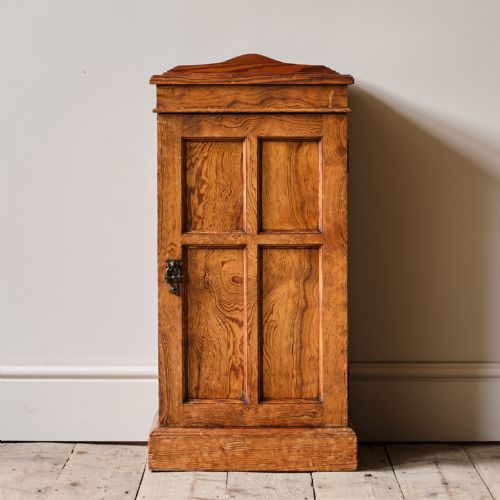
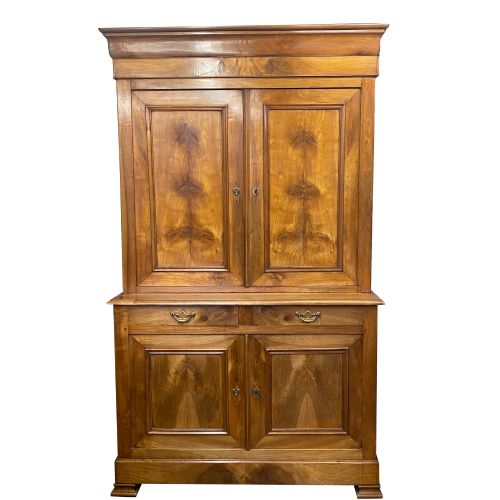
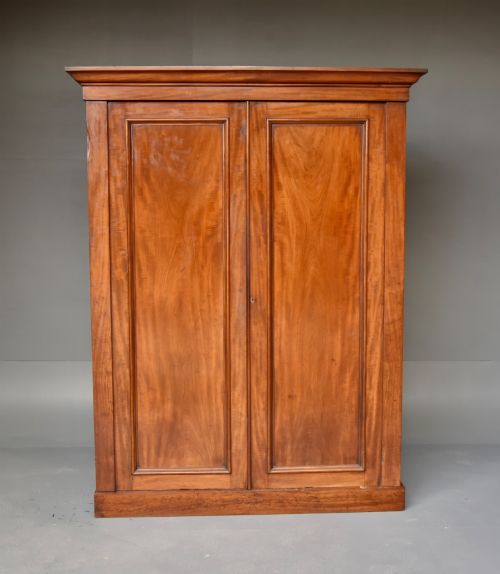
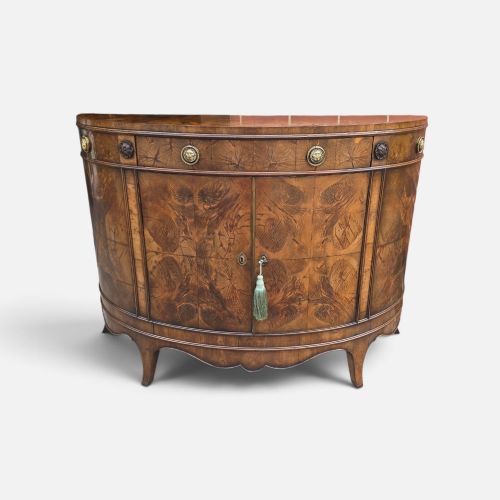
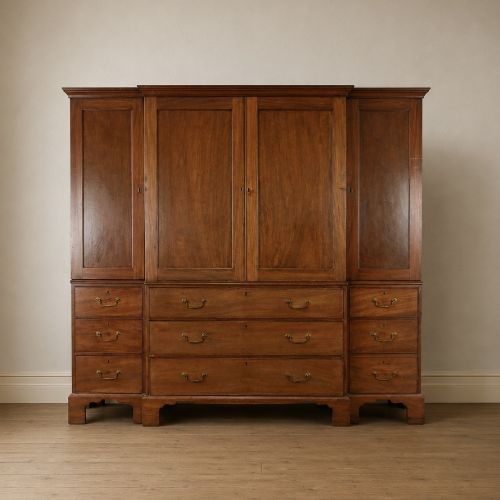
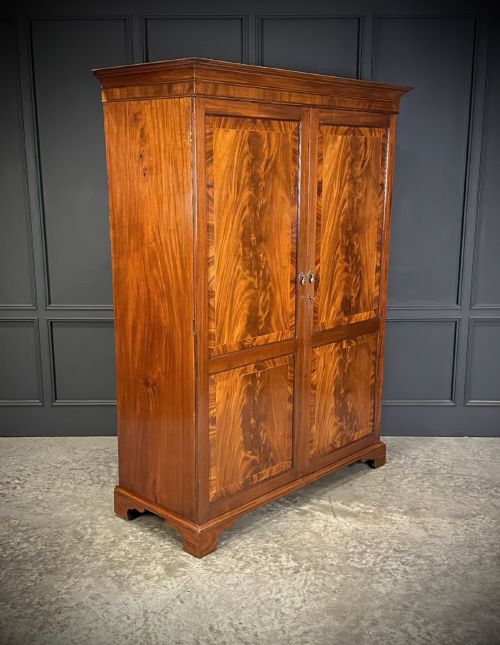
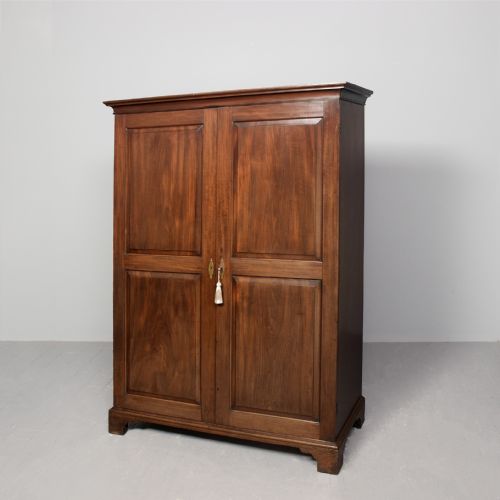
Brown Timber Cupboard
A brown timber cupboard brings warmth and practical storage to a room, spanning periods from the eighteenth century to the twentieth.
Brown Timber Cupboard
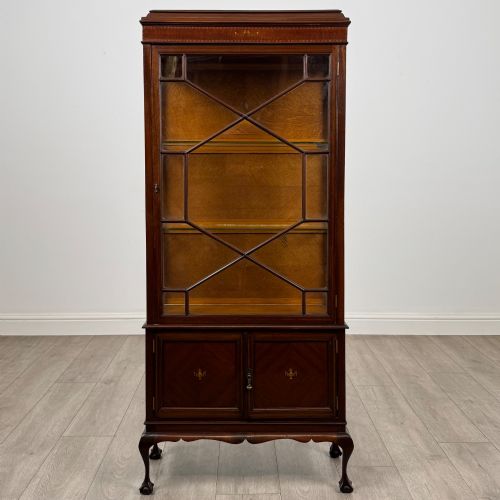
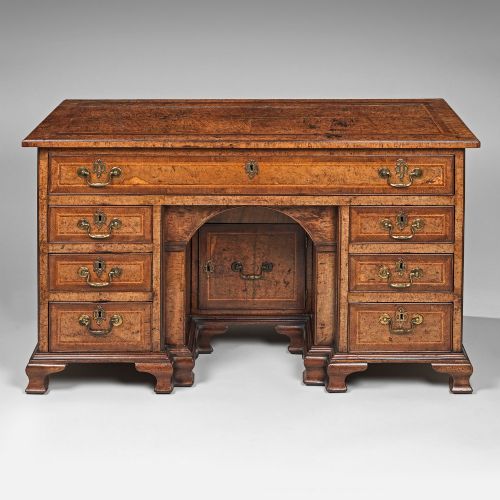
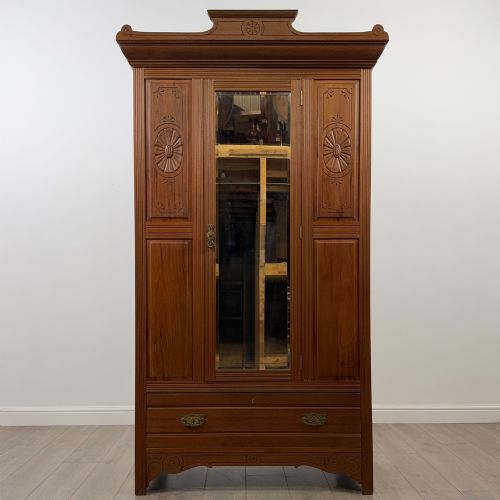
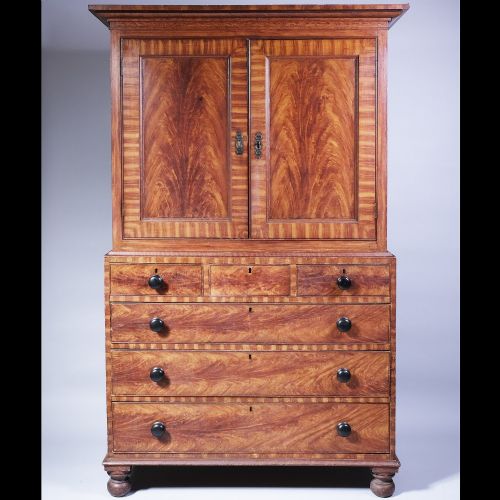
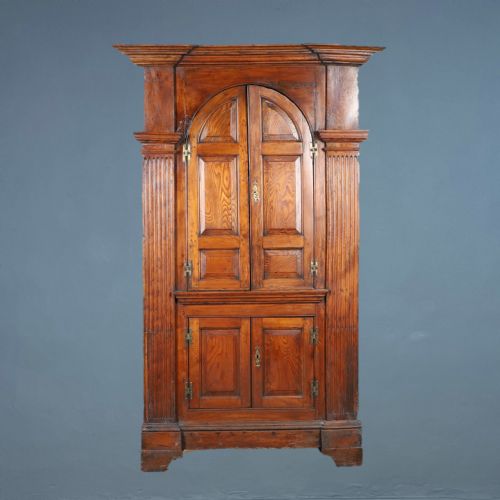
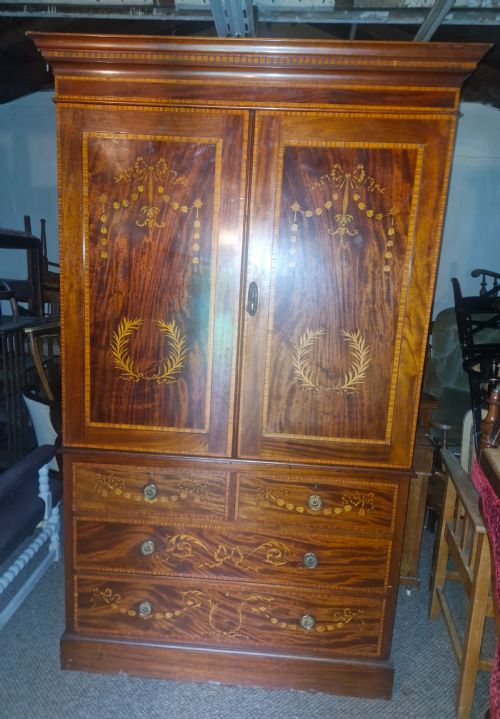
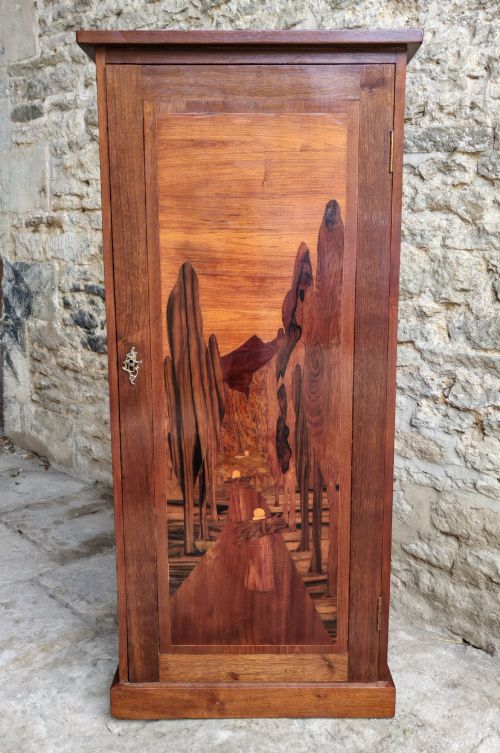
A brown timber cupboard encompasses a wide range of storage forms, from corner cupboards and housekeeper's cupboards to bedside cabinets and wardrobes. These pieces serve functional domestic roles while displaying the rich grain and colour of traditional woods.
The pieces on this page appear across multiple eras, including Georgian, Victorian, Edwardian, and the 1930s. Buyers frequently encounter mahogany and walnut constructions alongside regional timbers like pine, cherry, elm, and oak.
Origins span British workshops, French provincial makers, and pieces influenced by international styles such as Anglo-Indian, Chinese, and Japanese designs. Forms vary from standing architectural corners to large breakfront linen presses and small bedside units.
Materials and construction
Cabinet makers utilised solid and veneered timbers, selecting mahogany, walnut, burr elm, and oak for their structural stability and figured grain. Secondary woods like pine provide internal framing and drawer linings.
Construction techniques combine traditional joinery with applied decorative elements, including brass hardware, glass panels, and scumble or polychrome paint finishes. Inlaid satinwood and contrasting veneers often accent primary surfaces.
An apothecary bank of drawers provides dozens of tiny compartments once meant for dried herbs, roots, and mysterious powders.
Assessing quality
Quality rests in the selection of timber figures, such as flame mahogany or burr elm, and the precision of the joinery. Superior examples maintain original hardware, glass, and surface patination without aggressive restoration.
Proportion and architectural detail differentiate standard utility pieces from fine cabinetwork. Well-executed mouldings, panel construction, and integrated interior fittings elevate the standing of a cupboard.
Druce & Co.·Galle
The Brown Timber Cupboard Glossary
- Housekeeper's cupboard
- A large storage piece, often built in two parts, designed for linen and domestic provisions. These frequently feature upper cupboards above a base of drawers or smaller doors.
- Corner cupboard
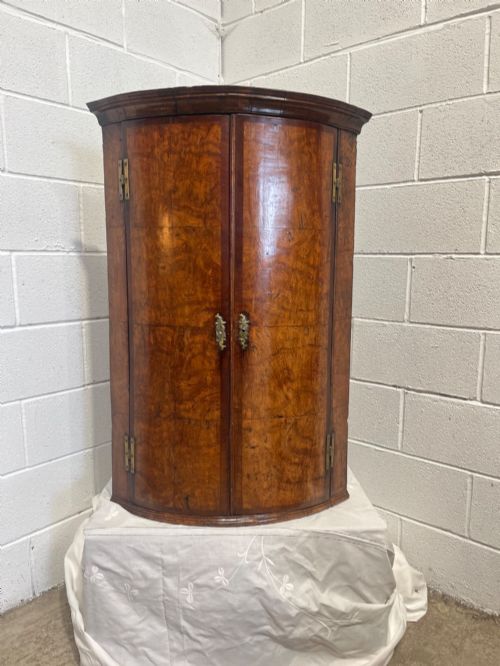
- A storage unit shaped to fit the right angle of a room. Versions range from tall standing architectural examples to glazed hanging cabinets.
- Linen press
- A tall cupboard featuring sliding trays or shelves enclosed by doors, traditionally used for storing folded textiles. Many examples date from the Georgian and Victorian periods.
- Pot cupboard
- A small bedside cabinet designed originally to house a chamber pot. These compact pieces typically feature a single door and a small enclosed surface compartment.
Brown Timber Cupboard: Frequently Asked Questions
What is a brown timber cupboard?
A brown timber cupboard is a wooden storage piece encompassing wardrobes, corner units, press cupboards, and bedside cabinets made from materials such as mahogany, walnut, oak, and pine.
These items range from eighteenth-century Georgian designs to Edwardian and 1930s examples, reflecting diverse regional origins and decorative styles.
How were corner cupboards used?
Corner cupboards were designed to utilise awkward wall junctions in dining rooms and parlours, providing enclosed storage for tableware and display items.
Hanging versions were secured to walls, while standing architectural models rested directly on the floor.
Where do painted cupboards originate?
Painted cupboards appear in various regional traditions, including French provincial workshops, Scandinavian households, and British domestic interiors.
Finishes range from scumble painting and polychrome decoration to Pre-Raphaelite inspired artistic surfaces.