

Antique Italian Cupboard
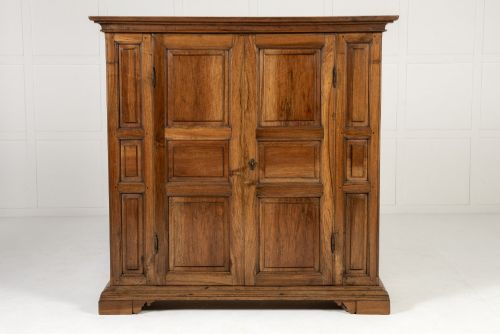
An antique italian cupboard brings centuries of continental craftsmanship into a room, offering practical storage disguised in rich walnut and painted finishes.
Antique Italian Cupboard
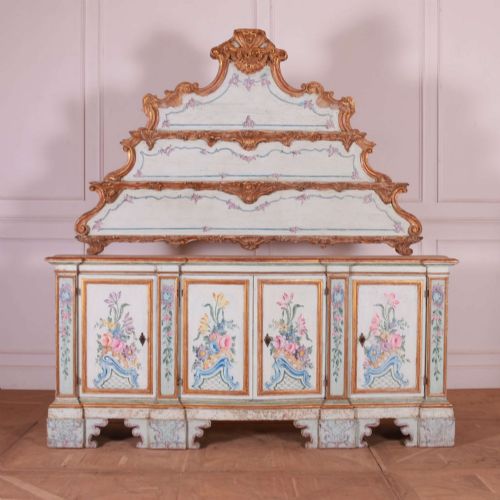
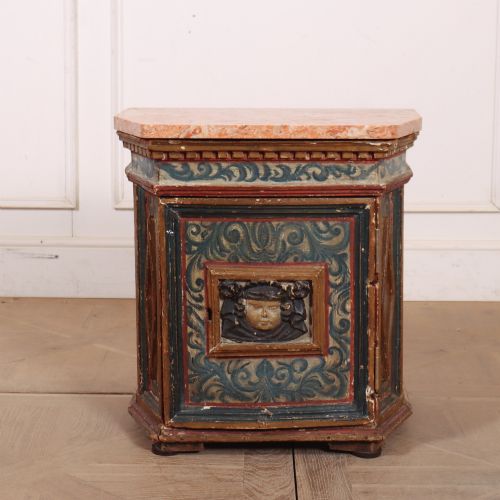
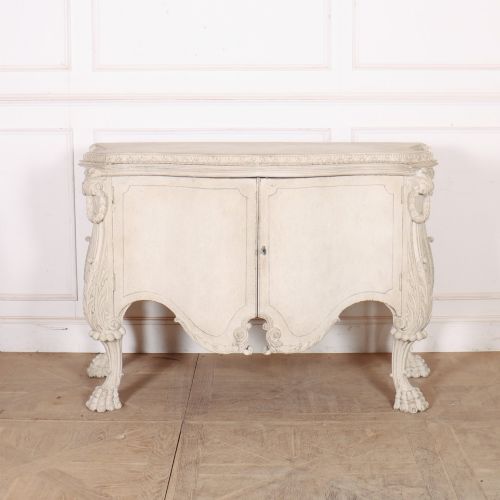
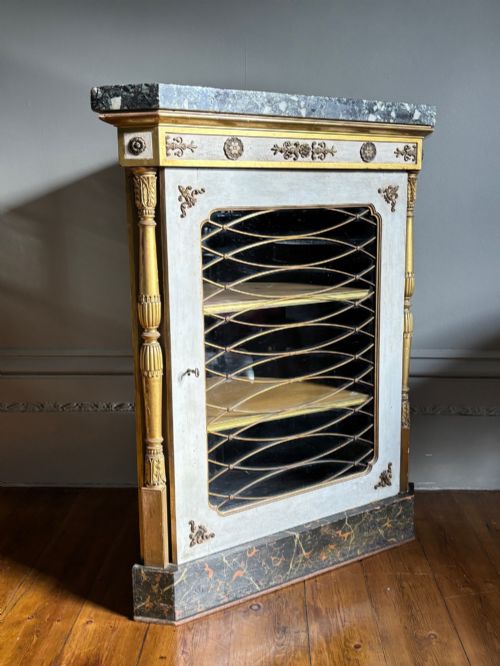
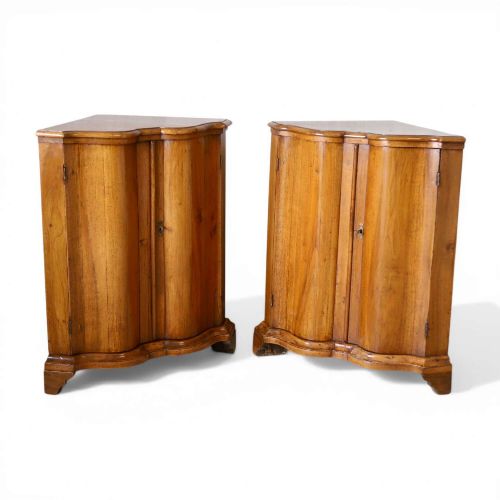
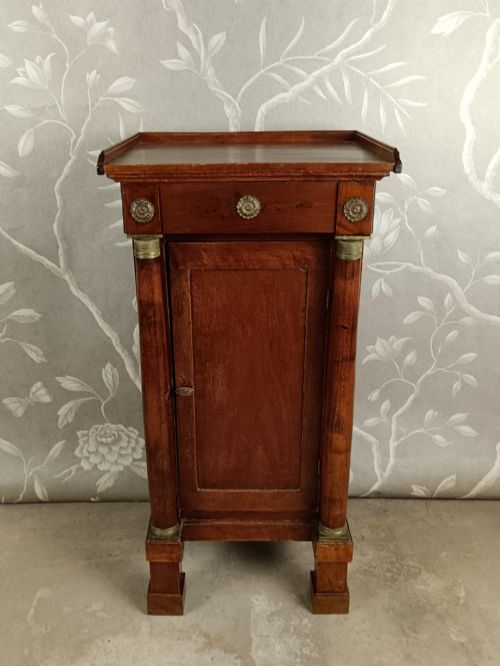
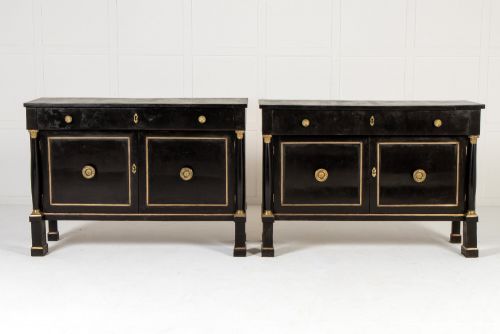
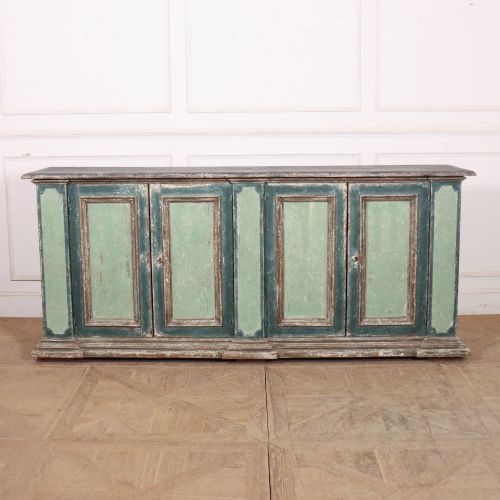
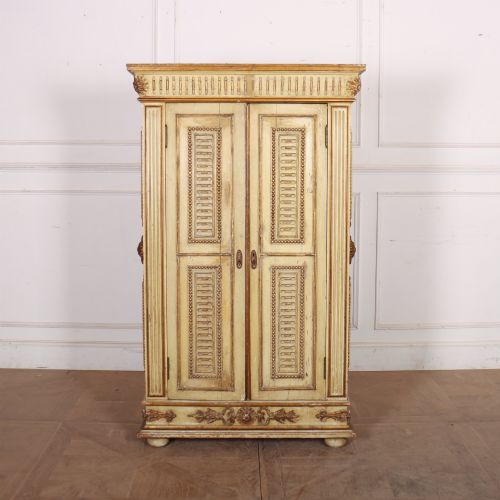
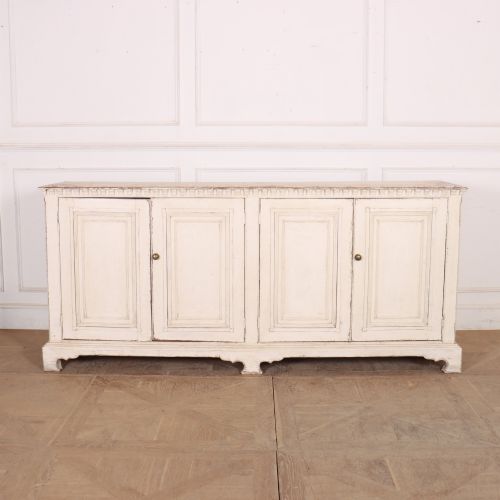
When searching for an antique italian cupboard, buyers encounter a diverse range of forms spanning from compact bedside commodinos to monumental credenzas and enfilades. Walnut and painted wood dominate these pieces, shaped by regional workshops during the eighteenth and nineteenth centuries.
Provincial workshops and Venetian centres produced distinct variations, ranging from simple marriage cupboards to exhibition quality neoclassical side cabinets. Buyers will find both individual storage pieces and matched pairs suitable for domestic placement.
Materials and Technique
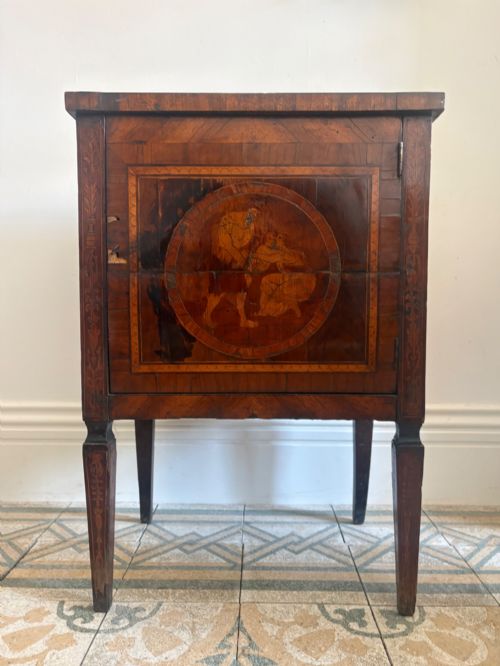
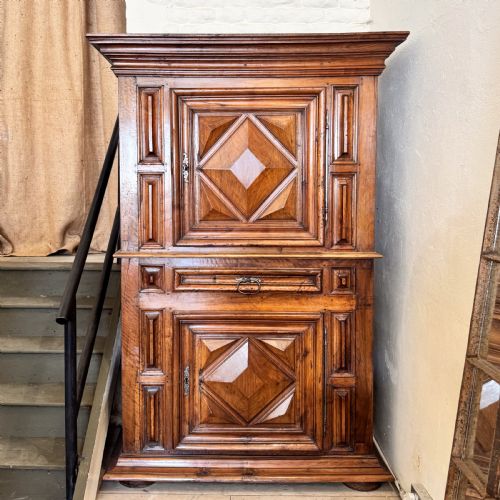
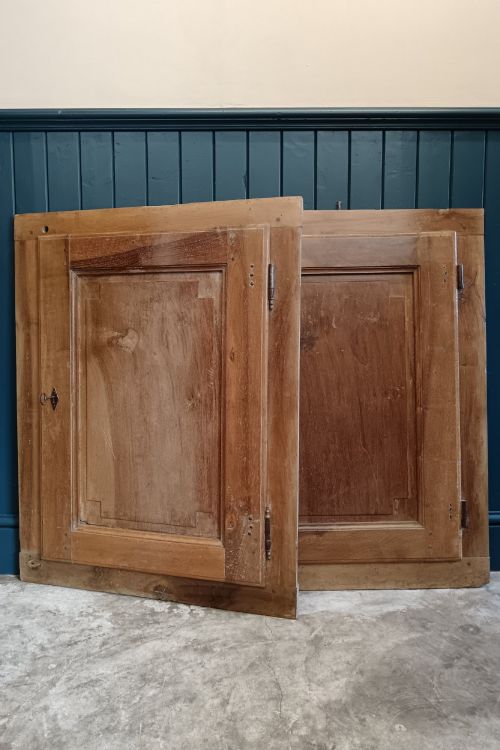
Cabinetmakers relied heavily on solid walnut and burr walnut, utilising their natural grain patterns to create visual depth on doors and drawer fronts. Iron hardware, brass fittings, and occasional marble tops complete the primary construction of these storage pieces.
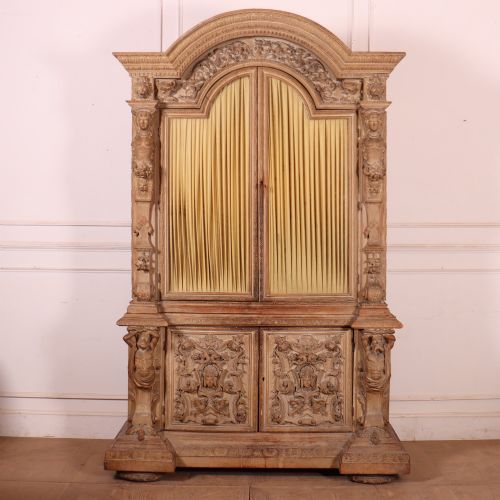
Painted finishes play a significant role, particularly on Venetian and marriage pieces where polychrome decoration, parcel gilding, and ebonised details transform plain timber. Carved wood elements and inlaid marquetry demonstrate the detailed handwork characteristic of Italian regional cabinetmaking.
Listings feature walnut, painted wood, and marble across periods spanning the eighteenth century to the mid twentieth century.
Judging the Workmanship
The distinction between standard domestic furniture and exhibition quality pieces lies in the precision of the carving, the complexity of the walnut veneers, and the preservation of original painted surfaces. Master craftsmen invested greater time in symmetrical marquetry layouts and deeply undercut woodwork.
Hardware integrity and the retention of period components influence the overall standard of a piece. Original glass panels, intact marble inserts, and untouched period finishes elevate certain cabinets above standard utility items.
Pietro Ferrario
The Antique Italian Cupboard Glossary
- Marquetry
- Decorative patterns formed by fitting together thin veneers of wood and other materials onto a structural surface. This technique allows for elaborate geometric or pictorial designs on cabinet doors.
- Commodino
- A small bedside table or cabinet typical of Italian domestic interiors. These low units frequently incorporate single drawers and enclosed lower storage.
- Enfilade
- A suite of rooms or a long cabinet design featuring a continuous line of matching storage sections. These large pieces provide substantial surface and interior capacity.
- Vitrine
- A glass-fronted cabinet designed for the display of porcelain and decorative objects. The glazed doors protect contents whilst allowing maximum visibility.
- Serpentine
- A curved furniture front characterised by a convex central section flanked by concave curves. This shape requires advanced woodworking skill to execute properly in solid walnut.
Antique Italian Cupboard: Frequently Asked Questions
What is an antique italian cupboard?
An antique italian cupboard is a piece of wooden storage furniture originating from Italy, dating generally from the eighteenth or nineteenth century. These items include bedside chests, corner units, and large sideboards constructed from walnut or painted timber.
Craftsmen across different Italian regions utilised local woods and distinct decorative styles, ranging from baroque carving to neoclassical marquetry. They served both utilitarian storage functions and decorative roles in grand homes.
How do I date an antique italian cupboard?
Dating relies on observing construction methods, timber choice, and stylistic markers corresponding to periods like the eighteenth century or Victorian era. Walnut was favoured heavily in earlier pieces, whilst painted finishes and specific revival styles often point to later nineteenth-century production.
Hardware types, joinery techniques, and secondary woods inside the cabinet also help narrow down the decade of manufacture. Comparing the decorative motifs against documented regional Italian styles clarifies the timeline.
Where should I place a cupboard?
These cupboards adapt well to various rooms depending on their scale, with smaller bedside cabinets fitting sleeping quarters and larger sideboards suiting dining spaces. Corner cupboards utilise unused angles effectively in hallways or reception rooms.
Placement should avoid direct sunlight and extreme temperature fluctuations to protect historical walnut timbers and painted surfaces. Ensuring adequate clearance allows doors and drawers to operate without obstruction.
How do I care for antique walnut?
Maintaining antique walnut involves dusting gently with a dry, soft cloth and avoiding modern silicone-based polishes that can degrade the finish. Maintaining stable indoor humidity prevents the timber from splitting or warping over time.
Occasional application of appropriate wax feeds the wood and preserves its natural lustre without harming the patina. Professional conservation advice is recommended for any structural repairs or deep restoration.