
Brown Timber Chairs
Brown timber chairs cover centuries of domestic seating from sturdy kitchen windsors to formal mahogany hall seats.
Brown Timber Chairs
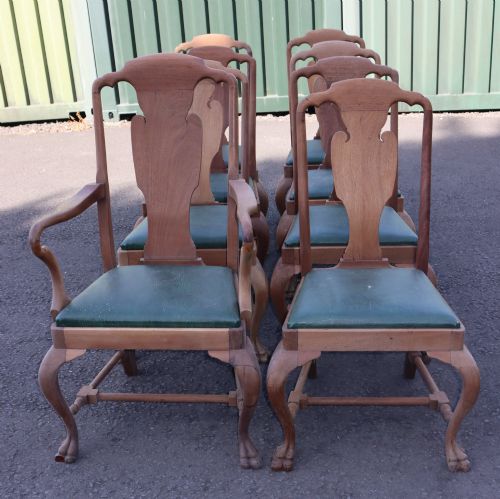
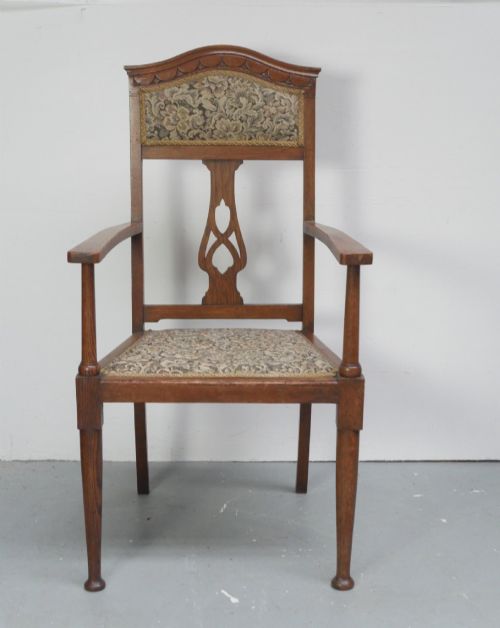
When buyers search for brown timber chairs, they encounter a diverse selection of wooden seating spanning the eighteenth, nineteenth, and early twentieth centuries. These pieces encompass everything from formal dining chairs and armchairs to utilitarian kitchen seating, settles, and benches.
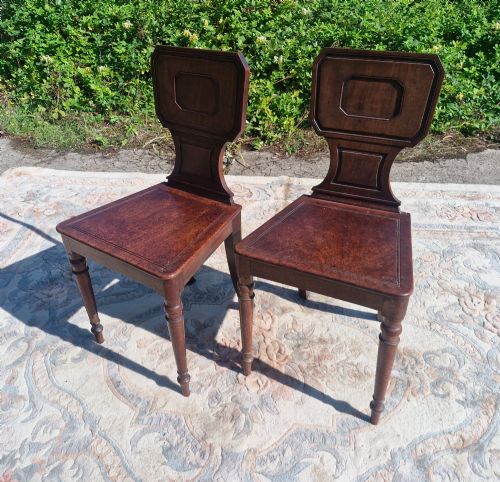
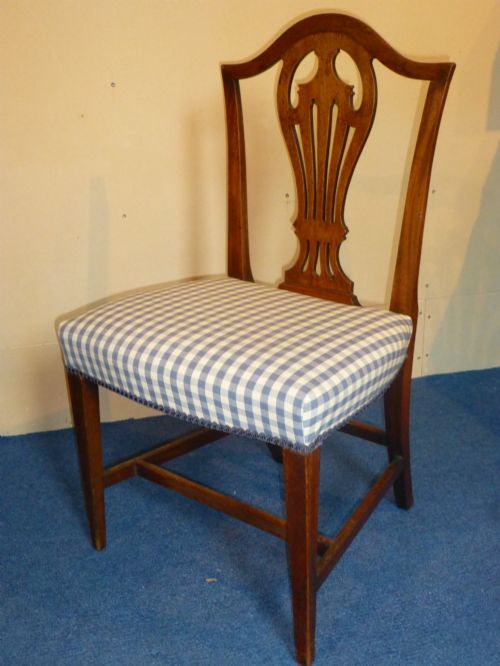
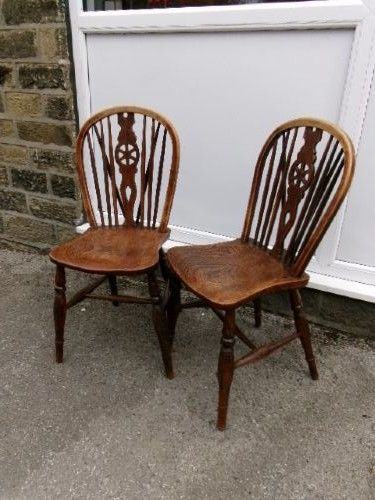
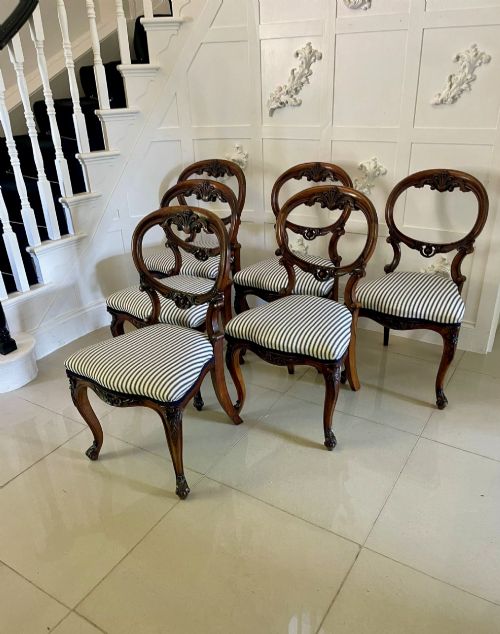
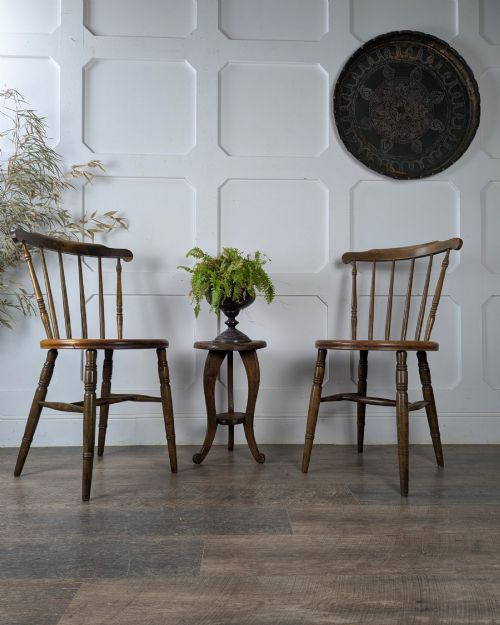
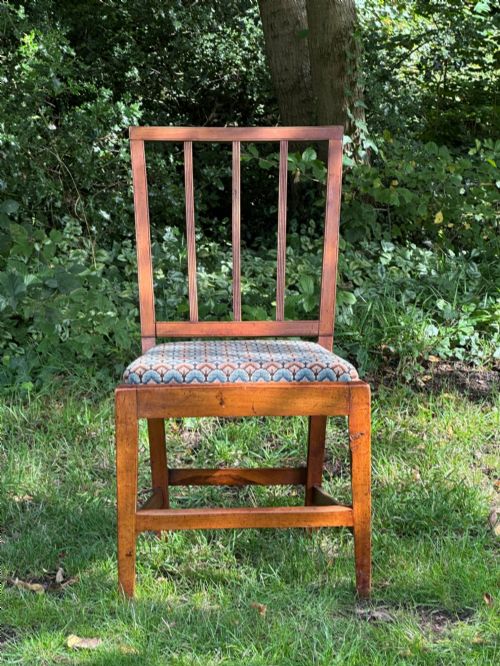
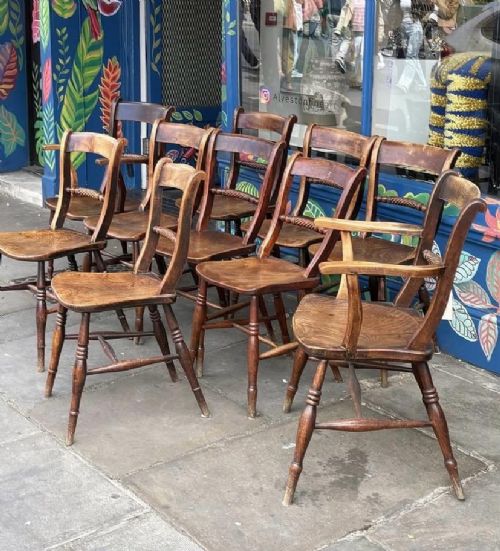
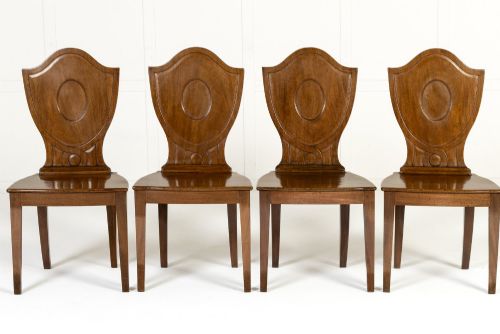
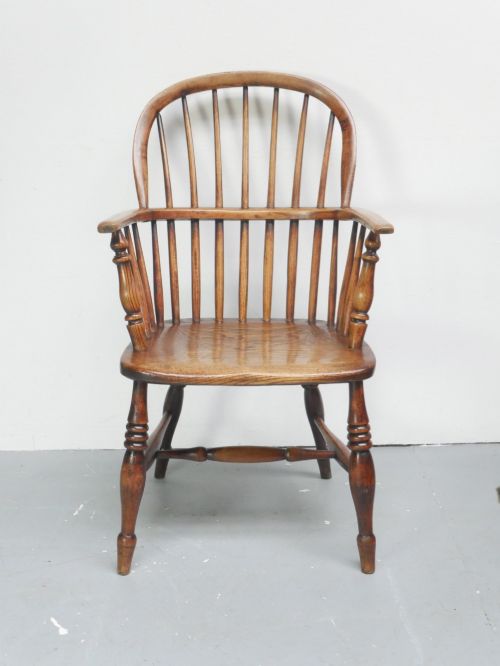
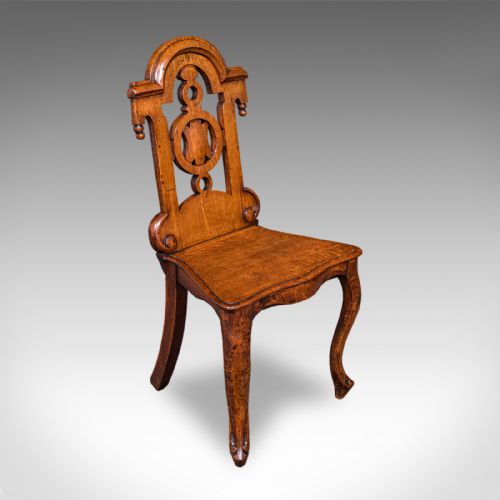
The options on this page range from elegant Regency and Georgian mahogany hall chairs to robust elm and ash Windsor chairs originating from country workshops. Victorian walnut and oak reception seats also appear frequently alongside rustic pine farmhouse dining sets.
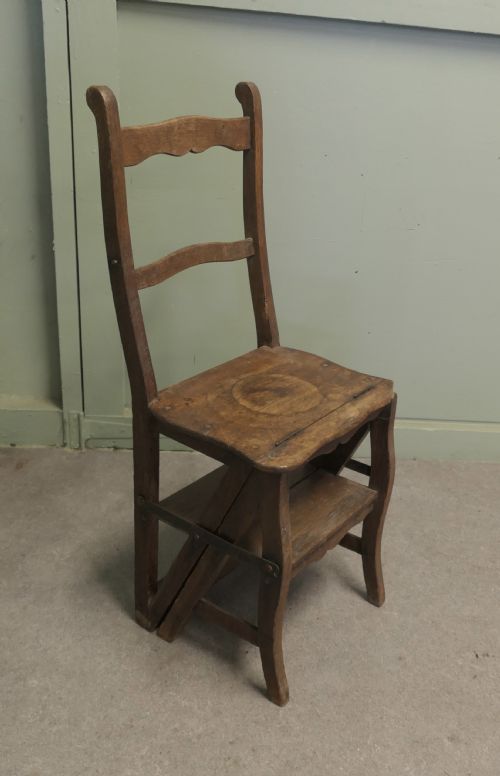
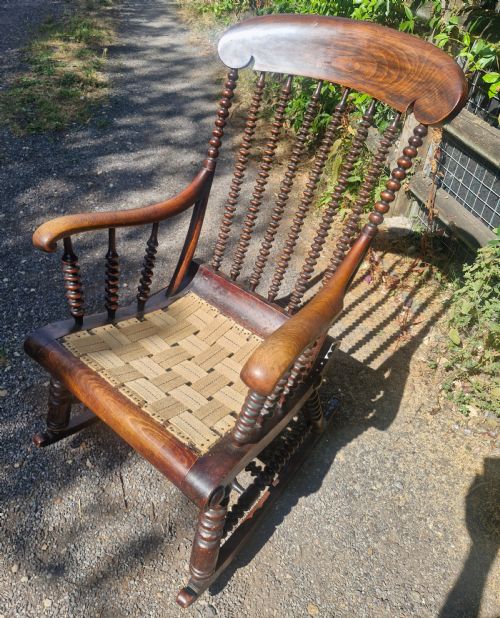
Forms vary significantly according to their original domestic function, including high chairs, library steps that double as seating, and rocking chairs. Buyers find both single statement pieces and matched sets suitable for daily use or interior display.
Materials and construction methods
Cabinetmakers and country joiners utilised a variety of native and imported hardwoods, relying heavily on mahogany, oak, elm, ash, and walnut for strength and visual grain. Dense timbers provided the stability needed for heavily carved details, turned spindles, and solid seats.
Traditional construction involved mortise and tenon joints, dovetailing, and steam bending for curved components like hoop backs and bentwood frames. Finish was applied through polishing, waxing, or oiling to protect the timber while highlighting natural colour variations.
Early twentieth-century grotto style carver chairs bring a wonderfully eccentric, shell-sculpted woodland atmosphere straight into the modern hallway.
Assessing quality in antique seating
Quality rests upon the integrity of the timber selection and the precision of the joinery rather than surface appearance alone. Pieces constructed from dense, well-figured mahogany or closely grained oak exhibit superior structural endurance compared to simpler utility items.
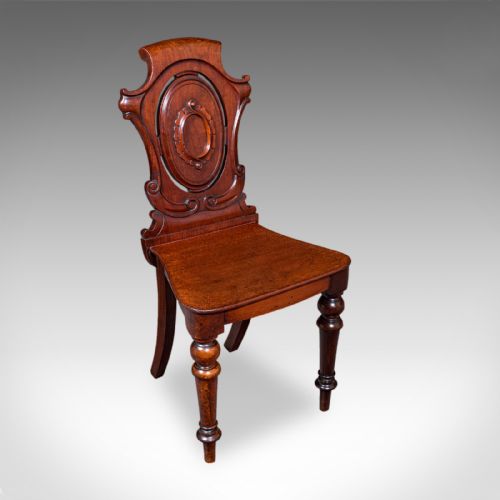
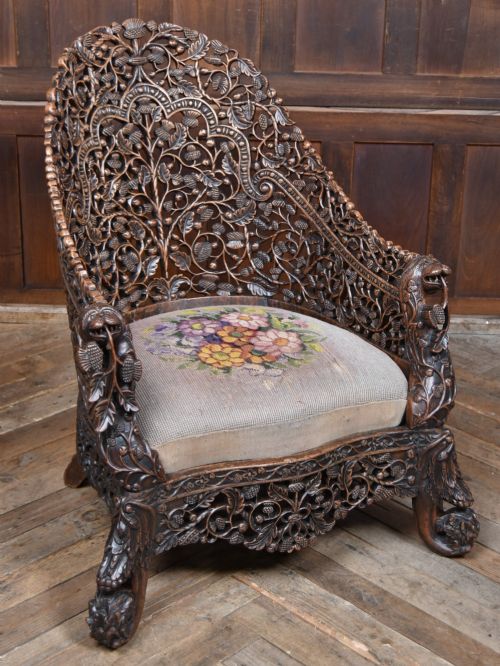
Carved ornament depth and clarity distinguish higher workshop output from mass-produced factory work. Hand-carved shields, crisp foliage details, and balanced proportions separate formal saloon or hall seating from basic domestic forms.
The Brown Timber Chairs Glossary
- Hall chair
- A rigid wooden seat placed in an entrance hall, typically featuring a solid carved back and timber seat without upholstery. These items often display painted or carved family crests.
- Windsor chair
- A wooden seating form constructed with a solid shaped seat into which the legs and back spindles are directly wedged. Regional variations include hoop back and wheelback designs.
- Settle
- A wooden bench featuring high backs and solid sides designed to block cold drafts in domestic rooms. Many examples incorporate enclosed box storage beneath the seat base.
- Shield back
- A chair back design shaped in the contour of a medieval shield, popularised during the Georgian period. This silhouette allows for intricate pierced splats.
- Comb back
- A Windsor chair variation where the vertical spindles extend upward to support a horizontal top rail resembling a hair comb. This construction offers robust upper back support.
Brown Timber Chairs: Frequently Asked Questions
How do I date a wooden chair?
Dating relies upon examining the tool marks, timber species, and construction techniques visible beneath the seat or within the joints. Stylistic cues such as leg turning and back splat shapes further narrow down the era.
Cabinetry methods evolved from hand-sawn components in the eighteenth century to machine assistance by the Victorian age. Comparing these physical traits against documented period examples provides reliable chronological placement.
Are these chairs suitable for daily dining?
Many solid timber chairs remain robust enough for regular use around a dining table. Sturdy hardwoods like oak, mahogany, and ash provide the necessary structural strength for everyday sitting.
Lighter or more decorative antique examples, such as delicate Victorian reception seats, benefit from more cautious usage. Checking joint stability ensures safe long-term habitation in a modern home.
How do I maintain antique timber?
Maintenance involves applying quality beeswax periodically to nourish the dry wood and preserve the protective patina. Avoiding direct sunlight and sudden temperature changes prevents the timber from splitting.
Gentle dusting with a soft cloth keeps abrasive particles from scratching the polished surface. Moisture should be wiped away immediately to safeguard ancient glue and joints.