
Brown Side Cabinet
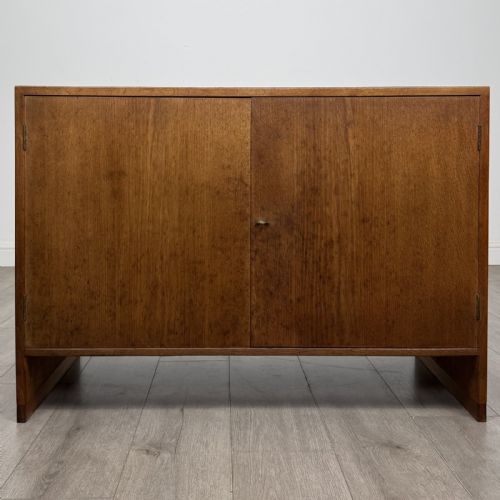
A brown side cabinet brings dependable timber storage and display surface into a room, drawn largely from Victorian and Edwardian workshops.
Brown Side Cabinet
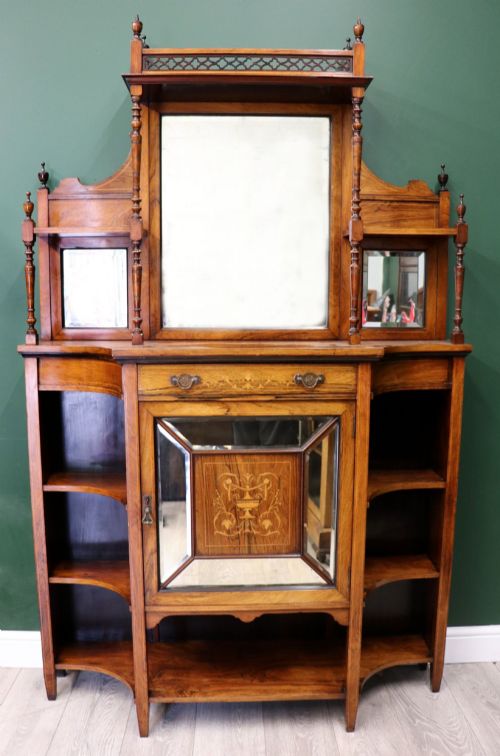
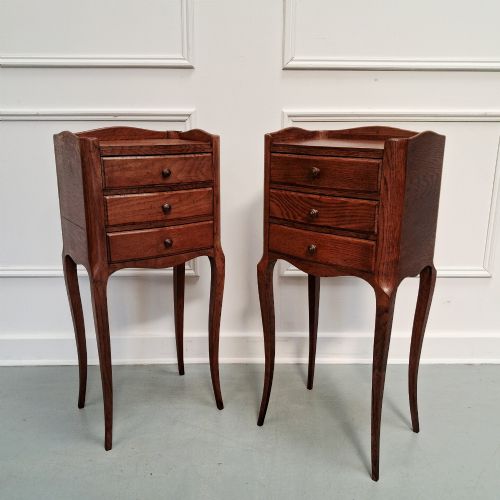
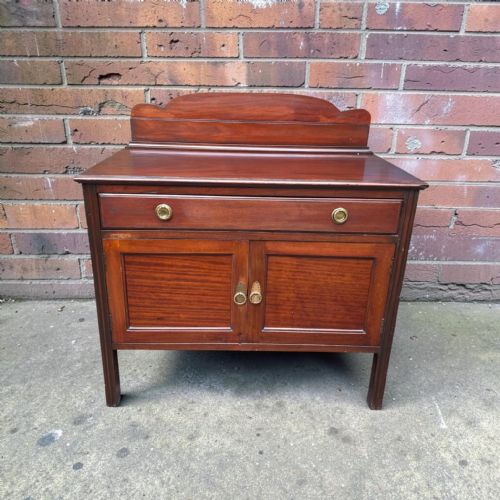
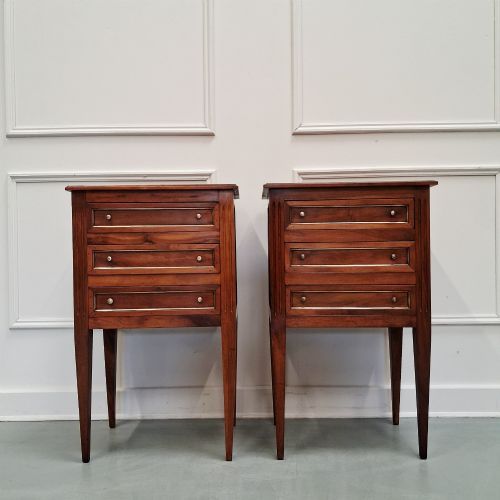
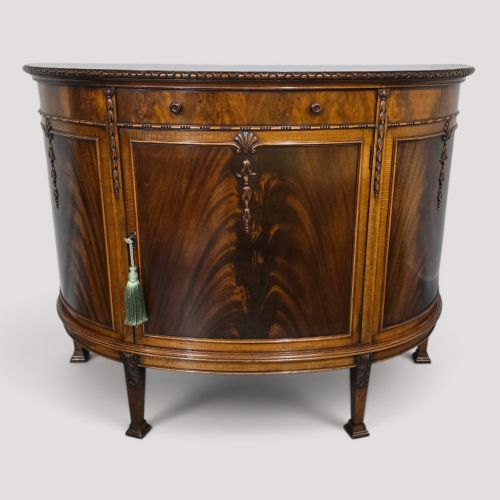
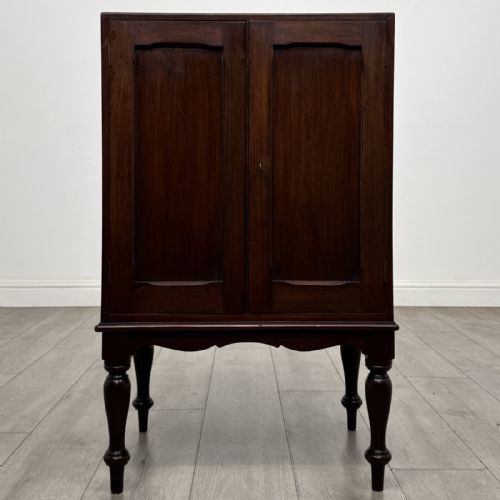
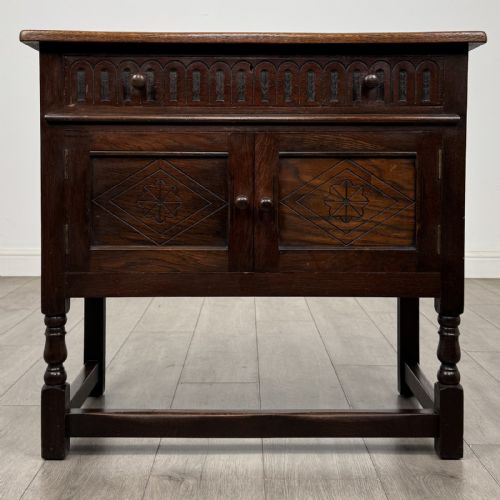
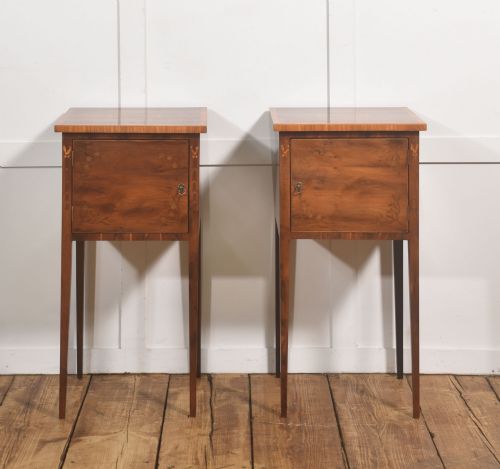
When you search for a brown side cabinet, you encounter a varied group of storage pieces that span several centuries and styles. These range from Victorian mahogany cupboards and Edwardian bedside tables to 1930s burr walnut display cabinets and Jacobean revival oak drop-leaf units.
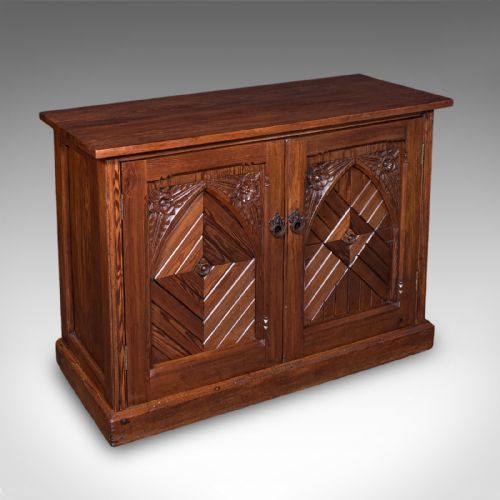
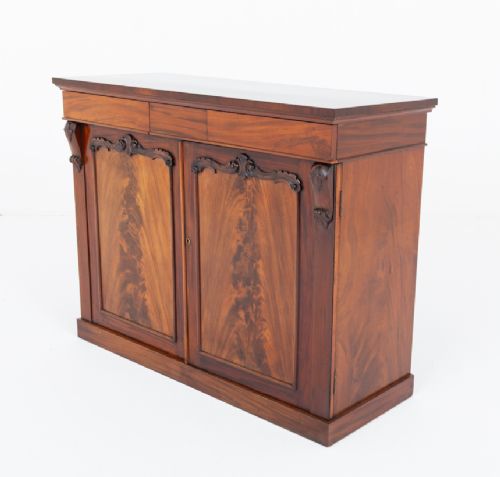
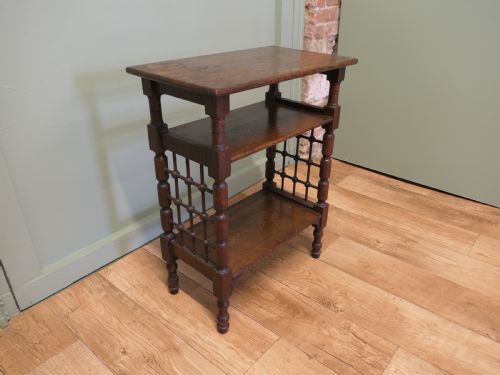
The versions you meet most frequently on this page utilise timbers such as mahogany, walnut and oak. Their forms shift between bedside cabinets, display units, pot cupboards and larger sideboards designed for practical utility.
Originating across British, French and Danish workshops, these items reflect both formal period designs and simpler provincial utility. Buyers select them to anchor a room while providing enclosed storage for books, tableware or daily items.
Materials and construction
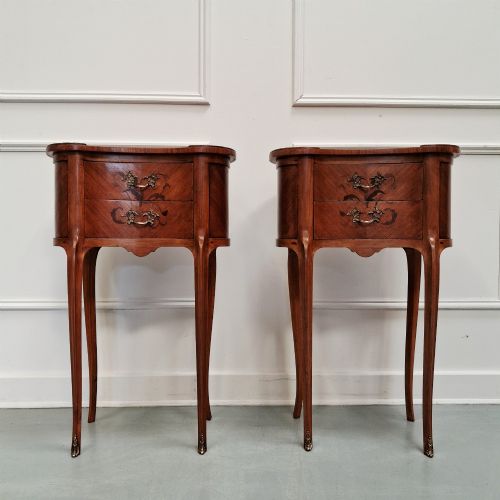
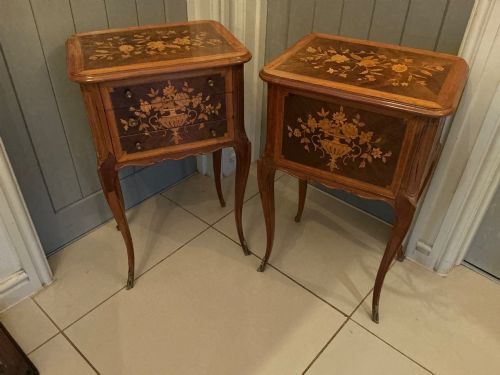
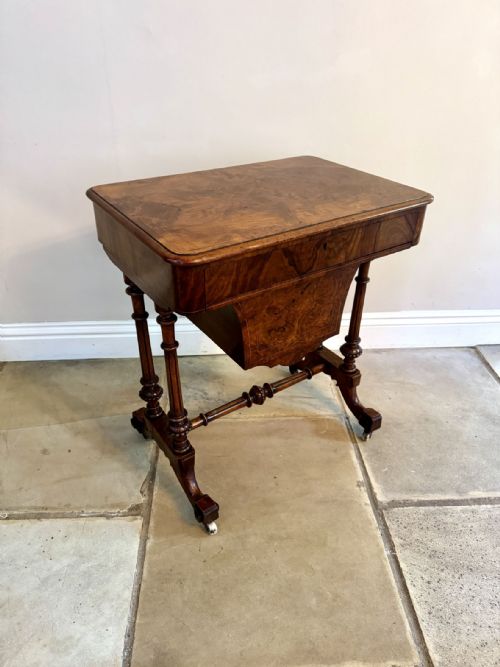
Cabinet makers built these pieces using solid timbers and decorative veneers, selecting mahogany, walnut and oak as structural foundations. Burr walnut and satinwood provided striking grain patterns on drawer fronts and door panels, while marquetry added intricate floral or geometric inlay.
Secondary detailing involved brass hardware, glazed doors, mirrored tops and occasionally marble surfaces set into French commodes. Joinery methods relied on traditional fitted drawers, shelved interiors and turned legs, ensuring sturdy daily use across decades.
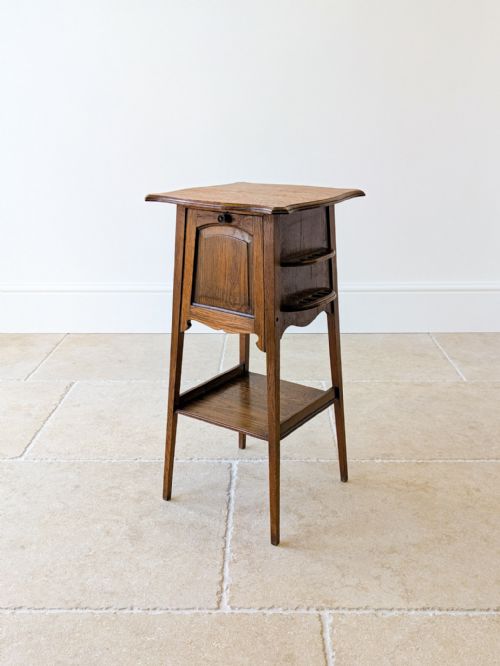
Several items include dedicated pot cupboards and cake stands, proving that past generations took tea and tidiness equally seriously.
Markers of quality
Quality rests in the choice of timber figure, such as highly grained burr walnut or rich mahogany, and the precision of marquetry inlay. Superior examples display careful timber matching across door panels and balanced proportions in turned or tapered legs.
The distinction between standard utility items and finer pieces lies in internal fittings, such as lined drawers and original brass mounts, alongside the crispness of carved details in oak and walnut.
Leonard Wyburd
The Brown Side Cabinet Glossary
- Chiffonier
- A low sideboard or cabinet featuring enclosed shelving below, originating in the nineteenth century for dining room use.
- Marquetry
- The art of applying pieces of veneer to a structure to form decorative patterns and pictorial designs.
- Credenza
- A grand display cabinet or sideboard, often mounted with porcelain or ornate woodwork.
- Demi Lune
- A half-moon shape typical of console tables and cabinets designed to sit flush against a wall.
- Pier Cabinet
- A slender display unit designed specifically to fit the wall space between windows.
Brown Side Cabinet: Frequently Asked Questions
What is a brown side cabinet used for?
These cabinets serve primarily for storage and display, holding items like books, tableware or bedroom essentials behind closed doors.
They also provide a flat top surface for lamps, decorative objects or serving drinks in living and dining spaces.
How do I identify a Victorian side cabinet?
Victorian pieces often feature dense timbers like mahogany or burr walnut, accompanied by deep carving, glazed doors or turned legs.
Examining the internal drawer construction and hardware helps confirm the nineteenth-century origins of the piece.
Are Edwardian cabinets different from Victorian ones?
Edwardian examples generally show lighter proportions, utilising satinwood inlay and mahogany to achieve a more delicate aesthetic.
They reflect a shift away from heavier Victorian revival styles toward cleaner lines and inlaid decoration.
Where should I place a side cabinet at home?
A side cabinet fits well in a hallway, dining room or living area where wall space accommodates its depth.
Bedside versions work functionally beside a bed, while larger display units suit prominent positions in a reception room.