



Brown Salt Glazed Stoneware
Brown salt glazed stoneware pieces are durable vessels and planters defined by their textured, pebbled surfaces, appealing to collectors seeking historic utilitarian craft.
Brown Salt Glazed Stoneware
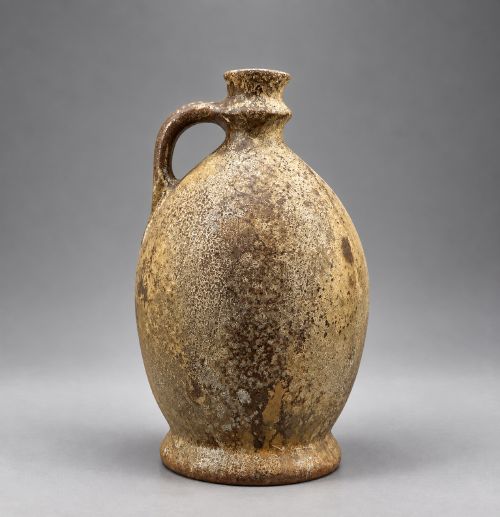
When you search for brown salt glazed stoneware, you encounter utilitarian and decorative vessels originating from the eighteenth, nineteenth, and early twentieth centuries. The selection encompasses practical household items alongside ornamental studio pieces.
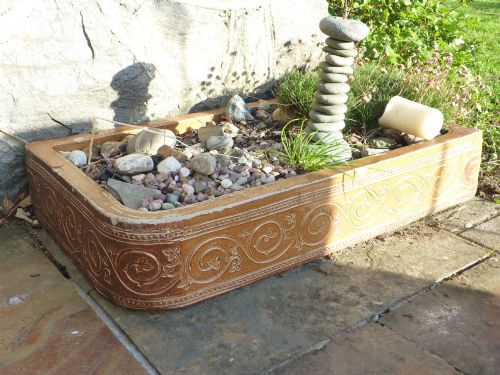
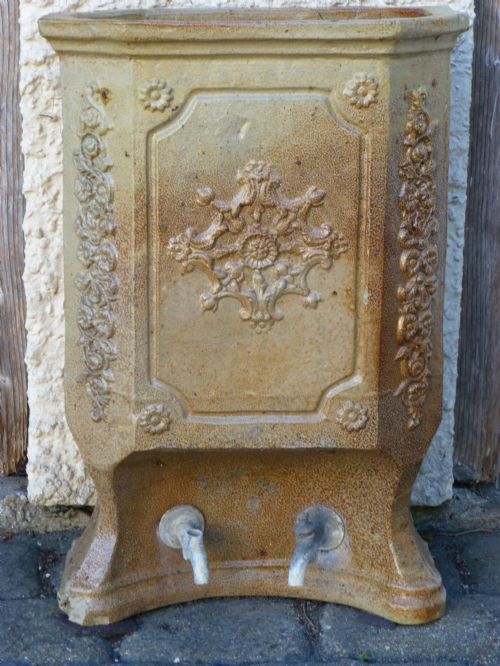
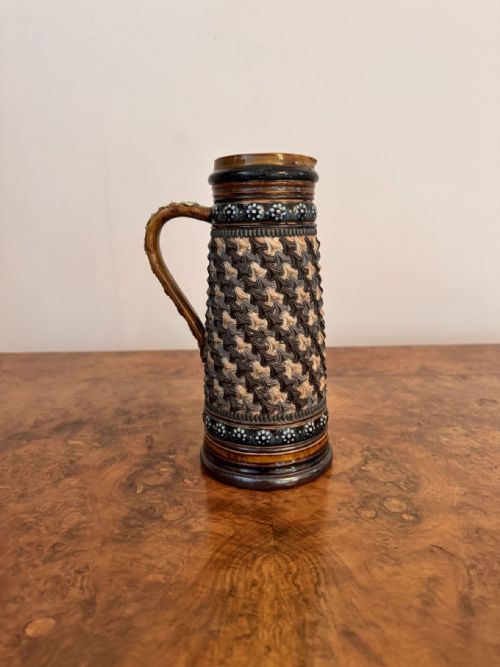
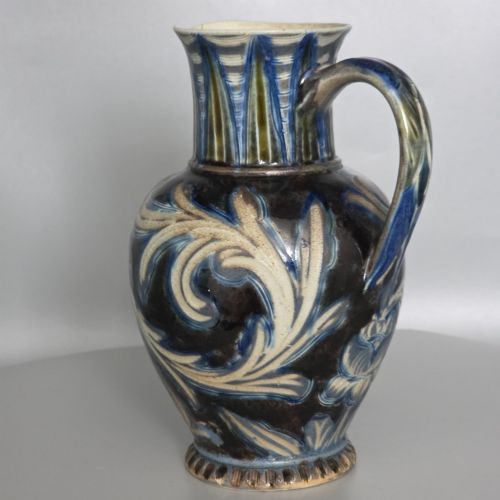
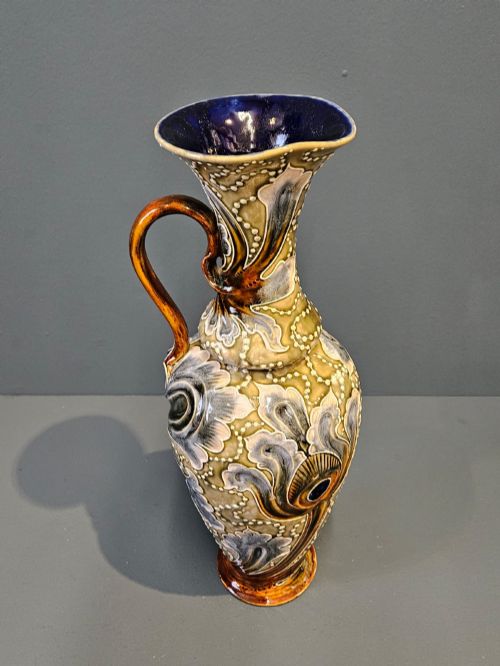
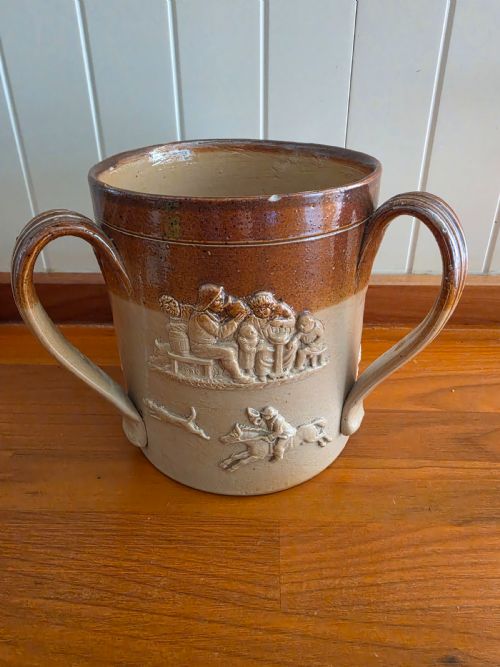
Jugs, pitchers, and harvest cups dominate the available forms, often featuring traditional shapes designed for everyday liquid storage. Alongside these drinking vessels, collectors frequently find water filtration fountains, garden planters, troughs, vases, and ewers.
Origin points span English potteries such as Doulton Lambeth, alongside continental European workshops in France and Germany. Pieces range from plain tavern vessels to elaborately decorated art pottery bearing specific studio stamps.
How they were made
Potters shaped dense clay bodies into vessels before throwing salt into the kiln during high-temperature firing. The vaporised salt reacted with the silica in the clay to produce a characteristic orange-peel texture.
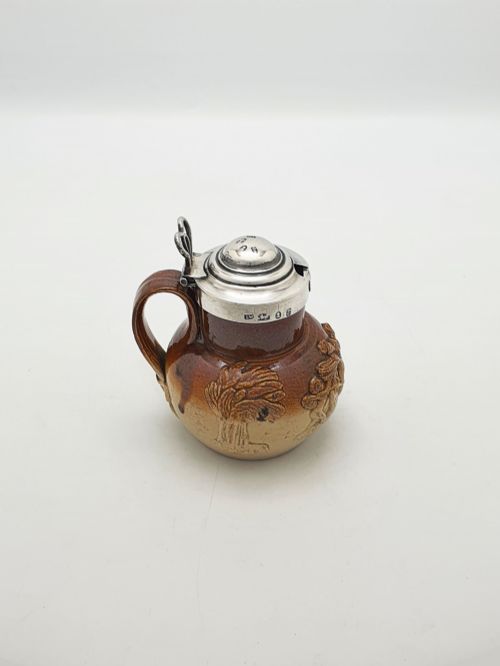
Makers occasionally added contrasting glazes or applied incised ornament to the surface before firing. Many nineteenth-century jugs and beakers received functional additions such as sterling silver rims, collars, and hinged lids.
The listings include nineteenth-century Doulton Lambeth pieces alongside eighteenth-century German and French utility vessels.
What varies in quality
The standard of execution separates standard utilitarian crocks from high-art studio ceramics produced by named artists. Finely incised floral patterns and balanced proportions indicate superior craftsmanship.
The presence of precious metal mounts, such as hallmarked silver rims or fitted lids, elevates the status of a vessel. Pieces bearing legible factory stamps or specific commemorative association markings carry greater archival interest.
Doulton Lambeth·Emma Shute·Emily Stormer·Florence Barlow·Dee Filter Company·Guichard Carriès·C And A Painter
The Brown Salt Glazed Stoneware Glossary
- Salt Glaze
- A glossy, slightly textured finish achieved by throwing common salt into the kiln during the high-temperature firing process. This technique creates a durable surface resembling the skin of an orange.
- Tyg
- A large drinking vessel featuring three or more handles designed for communal passing around a table. These pieces frequently appear in seventeenth and eighteenth-century forms.
- Jardiniere
- A large ornamental ceramic pot or stand designed to hold a growing plant or flower arrangement. They often display detailed incised or moulded decoration suited to domestic interiors.
- Faux Bois
- A decorative technique mimicking the appearance of natural wood grain or bark moulded directly onto the clay surface. It frequently appears on nineteenth-century garden planters and troughs.
- Puzzle Jug
- A drinking vessel with a perforated neck that prevents normal drinking, requiring the user to sip through a hidden spout or tube. Solving the puzzle relies on covering secret air holes with the fingers.
Brown Salt Glazed Stoneware: Frequently Asked Questions
What is brown salt glazed stoneware?
Brown salt glazed stoneware is a hard, vitrified ceramic fired with salt to create a pebbled texture. The material resists moisture and acids, making it ideal for storage.
Potters utilised this durable fabric for centuries to produce containers that could safely hold liquids, oils, and foodstuffs without spoiling.
How do I date these pieces?
Dating relies on maker marks, stylistic shifts from utilitarian forms to art pottery, and accompanying metal mounts. Nineteenth-century pieces often bear factory stamps.
Earlier items from the seventeenth and eighteenth centuries typically display hand-thrown irregularities and simpler incised numbering or rudimentary handles.
Were these vessels used outdoors?
Many larger vessels, including garden planters, troughs, and water filtration urns, were constructed specifically for exterior use or heavy domestic service. The dense salt-glazed body withstands frost and weathering.
Smaller jugs, beakers, and puzzle jugs remained strictly inside the home for dining, tavern use, or decorative display on sideboards.
Why do some jugs have silver mounts?
Silver rims, collars, and hinged lids were added to upgrade standard stoneware vessels into presentation pieces or gifts. Wealthy households valued the combination of sturdy ceramic and precious metal.
Silversmiths measured and fitted these mounts precisely to the ceramic lip, often incorporating hallmarked dates that help verify the age of the piece.