



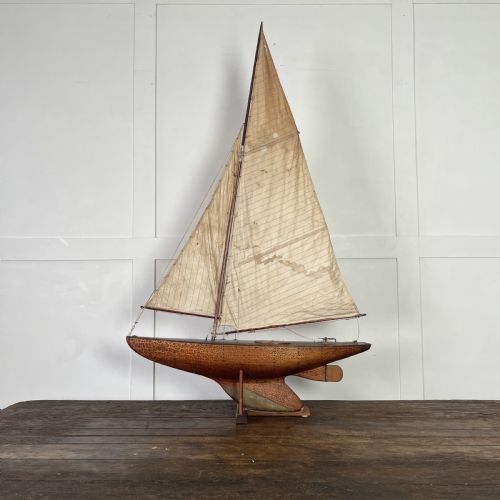


Brown Sail Boat
These brown sail boat pieces encompass marine paintings, watercolours, and model ships spanning the Victorian era through to the mid-twentieth century.
Brown Sail Boat
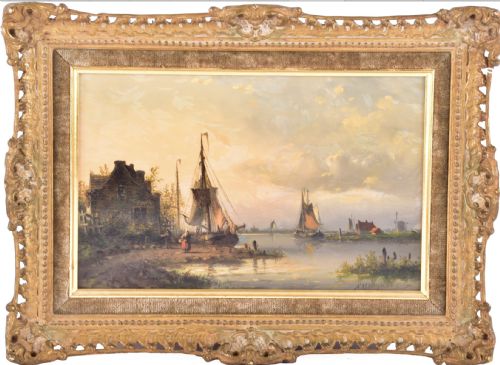
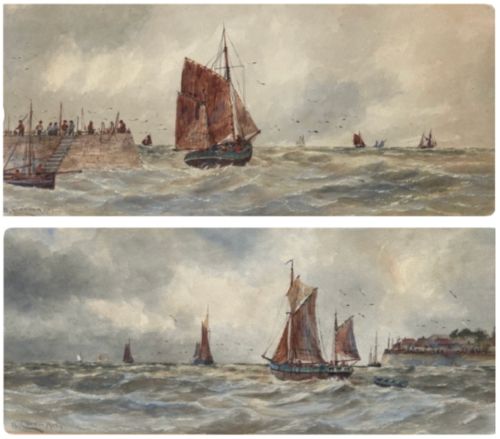
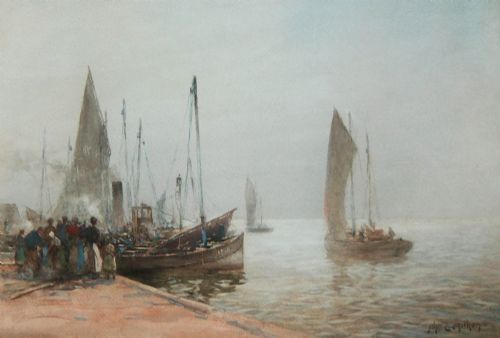
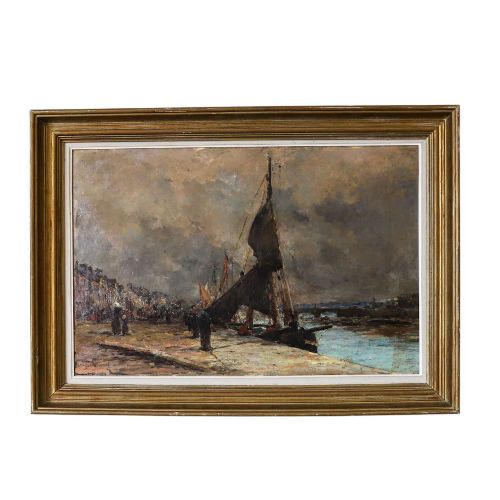
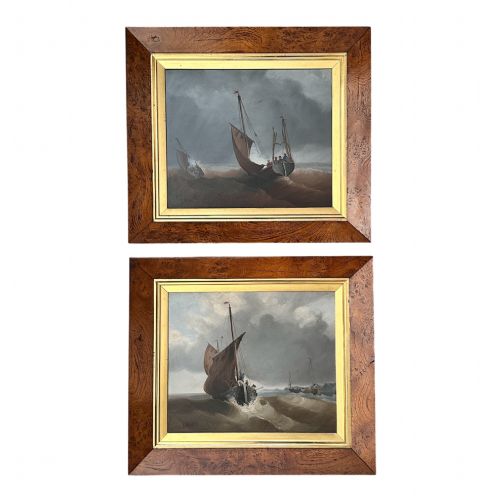
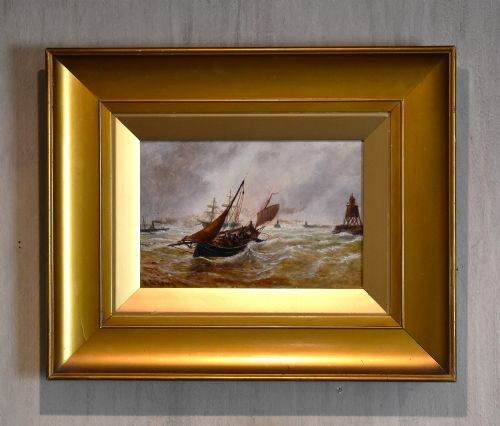
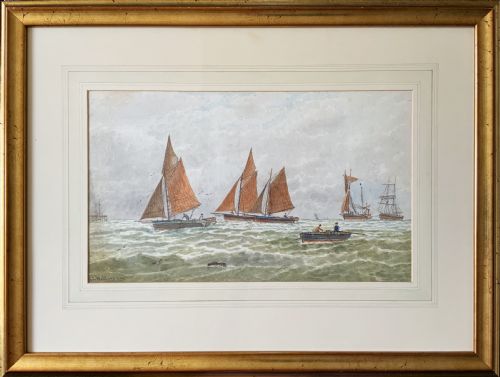
When you search for a brown sail boat, you encounter maritime art and model craft depicting shipping vessels, coastal harbours, and open sea scenes. The selection brings together oil paintings, watercolours on paper, framed canvas works, and three-dimensional model boats.
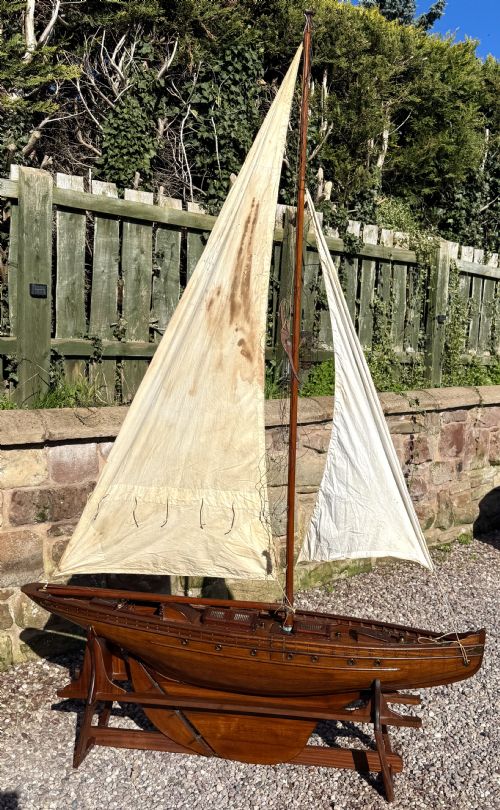
The objects stem from the nineteenth and twentieth centuries, capturing periods including the Victorian and Edwardian eras. You find harbour views, fishing vessels, and fully rigged pond yachts intended for display or maritime study.
Materials and construction methods
Painters utilised oil on canvas or watercolour pigment on paper, often framing the finished works in gilt surrounds. Model makers constructed wooden hulls and fitted miniature rigging, sometimes enclosing ships within glass bottles or display cases.
Makers applied carved wood, brass details, and glass components to build large pond yachts and decorative dioramas. Pigments and canvas remain the primary mediums for the two-dimensional marine scenes recorded across the periods.
One exceptional model ship is safely trapped inside a glass bottle, forever sailing on a stationary wooden plinth.
Factors determining quality
Quality rests upon the precision of the maritime rigging, the crispness of the brushwork in marine paintings, and the overall preservation of the materials. Works by named artists or skilled model makers exhibit finer anatomical accuracy in the depiction of hulls and sails.
Condition plays a direct role, as watercolours require clean paper surfaces free from foxing, while model boats need intact wooden elements and secure fittings. The depth of detail in harbour architecture and vessel construction elevates certain examples above standard decorative pieces.
William Cannon·James E Aitken·John Moore of Ipswich·Bernard Benedict Hemy·George Stanfield Walters·Thomas Bush Hardy·Edward Henry Eugene Fletcher·George Henry Knight·John Callow·Fred Mayor·Walter Sweet·Owen Bowen·Frank Wasley·Micheal Matthews·Bertram Priestman·Charles Edward Wilson·Maurice Sijs·Edward Wesson
The Brown Sail Boat Glossary
- Diorama
- A three-dimensional scene, often depicting a ship at sea or within a harbour, constructed inside a bottle or case. These display complex miniature craftmanship.
- Watercolour
- A painting method utilising water-soluble pigments on paper supports. It frequently captures coastal light and sea spray in nineteenth-century maritime art.
- Pond Yacht
- A large toy or sailing model designed to navigate open water ponds. These wooden craft feature functional rigging and hulls.
- Oil on Canvas
- Pigment bound in drying oil applied to a stretched cloth surface. This medium allows for deep tonal gradations in marine skies and dark waters.
- Seascape
- A work of art depicting the sea, shipping vessels, or coastal views. It forms the primary subject matter across the collected paintings.
Brown Sail Boat: Frequently Asked Questions
What periods do these pieces date from?
The inventory spans the eighteenth, nineteenth, and twentieth centuries, with a strong concentration of Victorian and Edwardian works. You will find items stretching from around 1800 through to the 1950s.
Each era brings distinct artistic styles, moving from traditional marine oils towards post-impressionist interpretations of coastal ports and harbours.
How were model pond yachts used originally?
Large pond yachts served as functional sailing toys for open water use, requiring substantial wooden hulls and adjustable canvas sails to catch the wind.
Today, these substantial models function primarily as decorative interior objects, displayed on wooden stands or pedestals.
How do I distinguish watercolours from oil paintings?
Watercolours utilise thin pigments on paper under glass, capturing a translucent quality suited to coastal skies and lighter maritime atmospheres. Oil paintings feature heavier, textured pigments applied to canvas or board, offering deeper tones.
Examining the surface through a magnifier reveals the weave of the canvas or the absorbent texture of the paper beneath the pigment.
Where did the maritime scenes originate?
The depictions capture British harbours, Dutch ports such as Scheveningen, and French Riviera fishing villages. Artists recorded active commercial shipping lanes, local fishing fleets, and quiet coastal inlets.
These locations reflect the busy maritime trade and coastal life of the nineteenth and early twentieth centuries.