



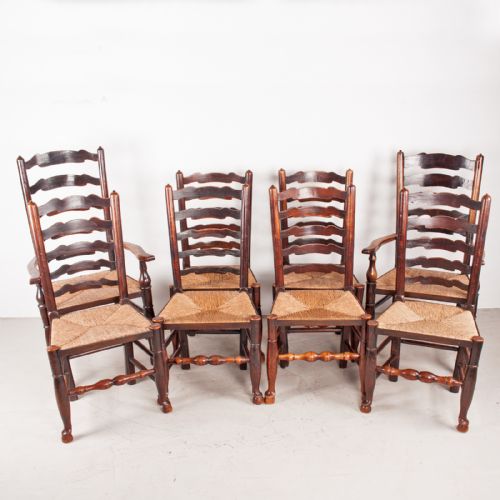

Brown Rush Seat Carver
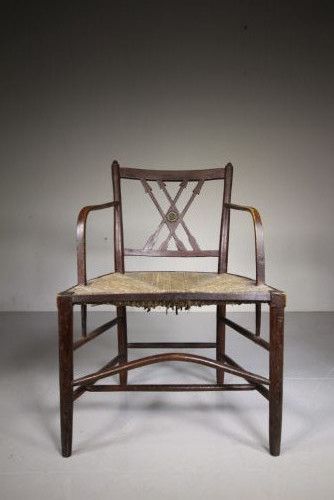
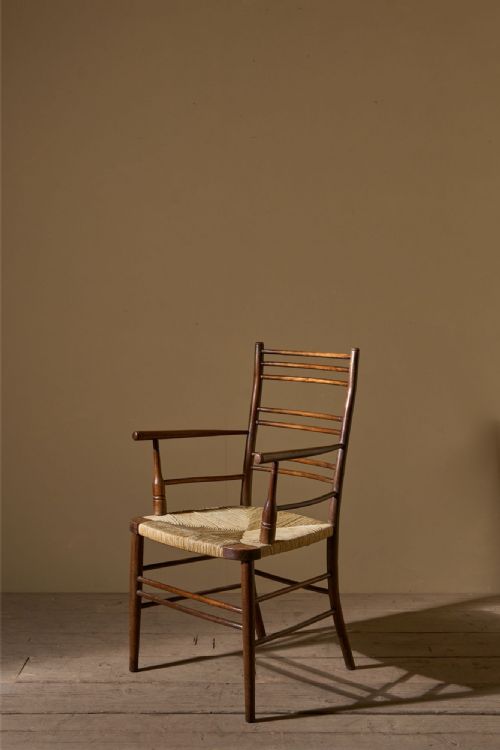
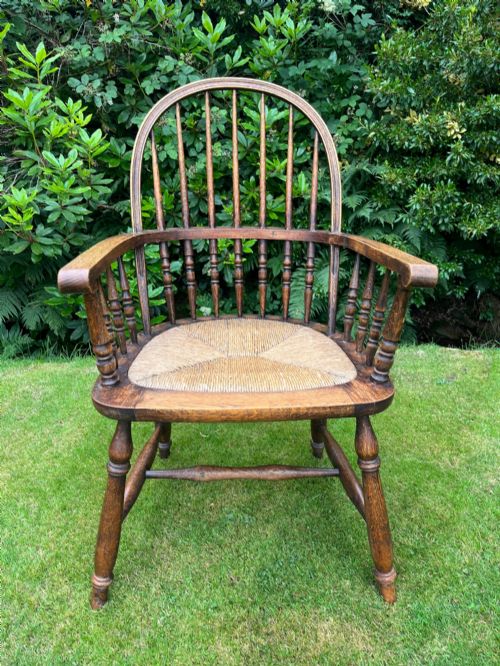
A brown rush seat carver brings tactile warmth to a room through woven natural cord and robust local timber.
Brown Rush Seat Carver
A brown rush seat carver represents a functional form of seating, combining sturdy wooden armframes with woven plant fibre bases designed for daily use. When searching for a brown rush seat carver, collectors encounter regional English, French, and Scottish vernacular traditions spanning several centuries.
The material palette of a brown rush seat carver relies heavily on native hardwoods like oak, elm, ash, beech, and fruitwood, paired with twisted marsh rush. These pieces appear in styles ranging from Georgian country and Arts and Crafts to Victorian farmhouse and rustic vernacular.
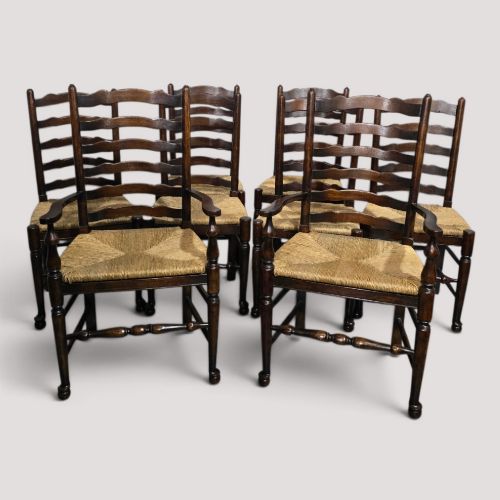
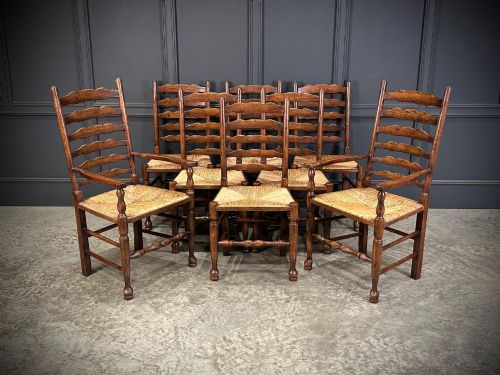
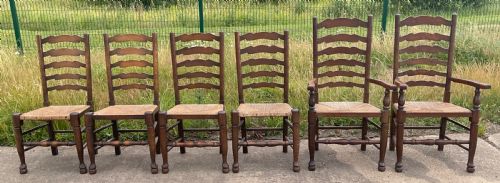
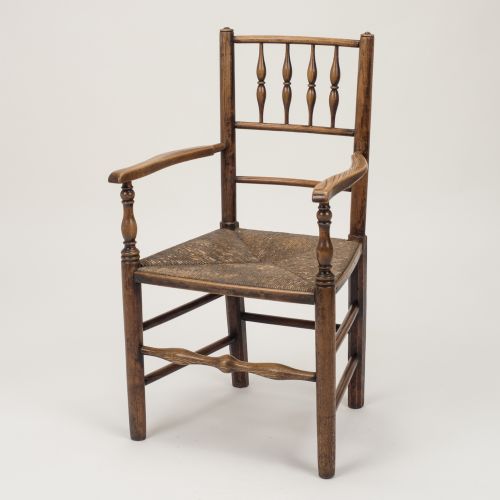
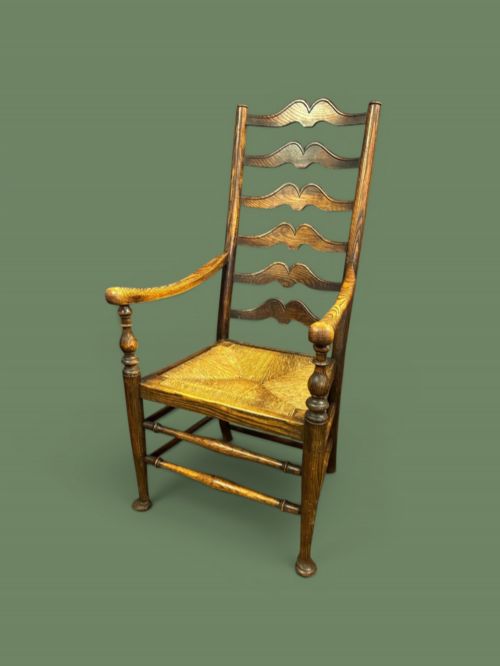
Armchairs and carvers dominate the selection, often featuring ladder backs, spindle backs, or low profiles. Regional variations include Lancashire, Cheshire, and Yealmpton types, reflecting local turnery and joinery methods.
Materials and construction methods
Makers constructed the frames of a brown rush seat carver using turned or cleft timbers, frequently combining woods such as elm seats with ash or beech spindles and legs. This multi-wood construction utilised the specific mechanical properties of each tree, placing flexible timbers in tension and dense woods in load-bearing legs.
The seating surface of a brown rush seat carver relies on marsh rush, twisted into continuous cords and hand-woven tightly around wooden rails in a traditional pattern. This technique distributes weight evenly across the open frame while providing a resilient texture.
Joinery techniques depended on pegged mortise and tenon joints, green woodworking, and lathe-turning for rungs and spindles, producing rigid structures without modern adhesives.
Listings feature oak, elm, ash, beech, and fruitwood frameworks alongside woven rush seating across nineteenth and early twentieth-century periods.
Factors of quality and distinction
Quality in a brown rush seat carver emerges from the harmony of proportions, the rhythm of turned spindles or ladder rungs, and the tightness of the rush weaving. Finer examples display slender, well-balanced arms and crisp joinery that maintain stability without excessive bulk.
The character of the timber frame significantly separates tiers of craftsmanship, with figured fruitwood or substantial quarter-sawn oak commanding attention over plain utility woods. Original painted surfaces or patinated bare wood showing years of handling elevate the stature of an individual chair.
Morris & Co·E W Godwin·Dicon Nance St.Ives Studio
The Brown Rush Seat Carver Glossary
- Carver
- An armchair, typically designed for the head of a dining table or as a companion to smaller side chairs. These pieces feature supportive armrests integrated into the upper frame.
- Rush
- Dried marsh grass or sedge twisted into cord and used for weaving seat foundations. It provides a durable, slightly yielding surface.
- Ladderback
- A chair back constructed with horizontal arched slats resembling the rungs of a ladder. This style is frequently found in vernacular and country seating.
- Spindleback
- A chair back composed of multiple vertical turned wooden rods. These slender members distribute weight and reduce overall frame weight.
- Vernacular
- Objects designed by local craftsmen to fulfil practical needs using regional materials rather than following strict academic design rules. These pieces display strong local character.
Brown Rush Seat Carver: Frequently Asked Questions
What is a carver chair?
A carver chair is an armchair traditionally placed at the head of a dining table or used as a fireside seat. It provides lower armrests to accommodate the dining position.
These chairs combine the height of a standard dining seat with the comfort of enclosed arms.
How do you care for rush seats?
Rush seats require dry conditions and occasional gentle cleaning with a soft brush to remove dust from the woven twists. Direct sunlight and excessive moisture should be avoided to prevent the natural fibres from becoming brittle.
Applying moisture guards is unnecessary; keeping the environment stable preserves the organic material.
How do I date a ladderback chair?
Dating relies on examining the turning style of the legs, the wear patterns on the footings, and the method of joining the rungs to the upright posts. Earlier examples often show hand-cleft timber and irregular turnings compared to later standardised production.
Material choices, such as fruitwood and elm combinations, also point towards eighteenth and early nineteenth-century vernacular manufacturing.
Where were these chairs made?
These chairs originated in rural workshops across English counties such as Cheshire and Lancashire, as well as Scottish and French regional centres. Local village turners and cabinetmakers utilised nearby timber supplies.
Production spanned provincial farmhouses and specialised urban workshops following Arts and Crafts ideals.