
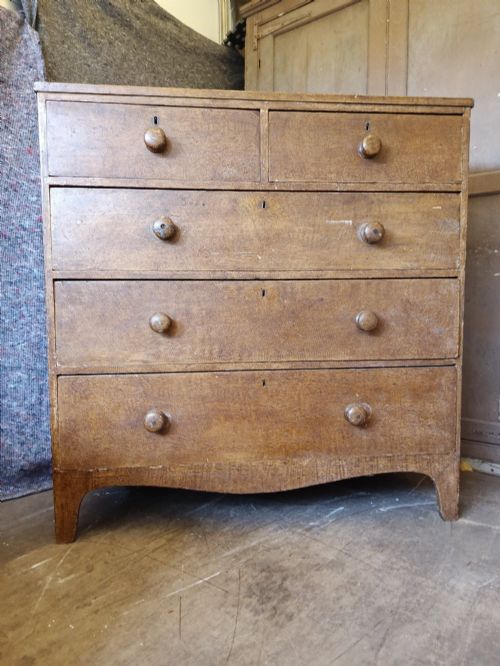
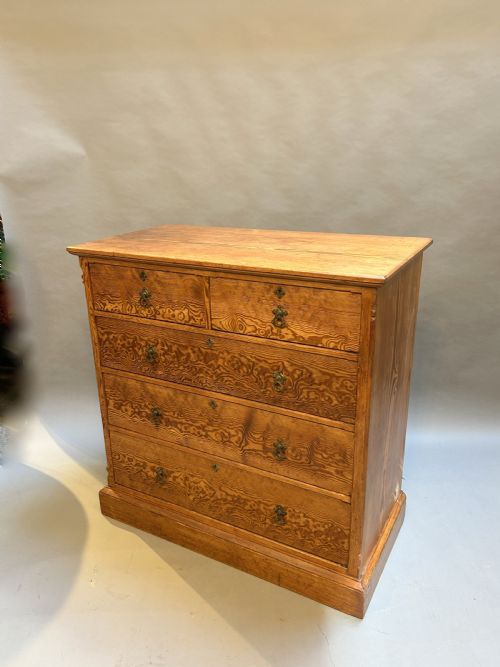
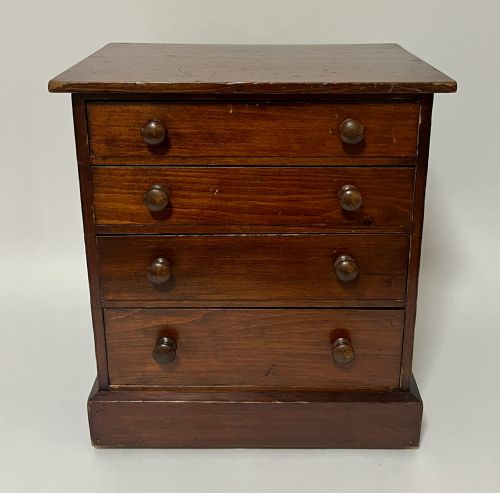

Brown Pine Chest
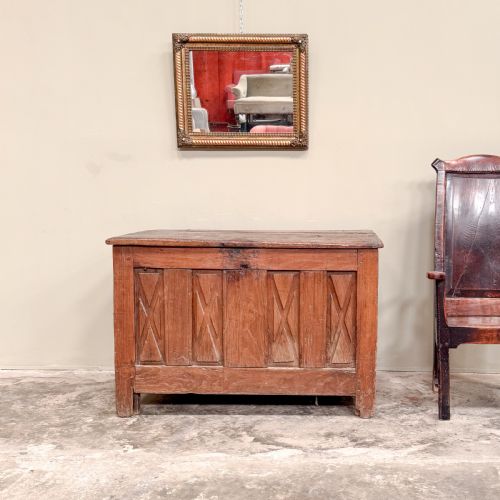
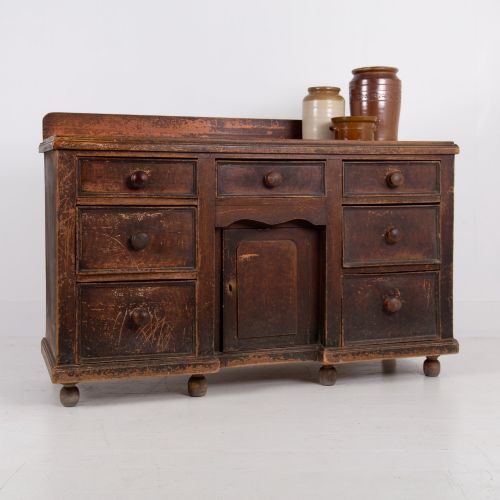
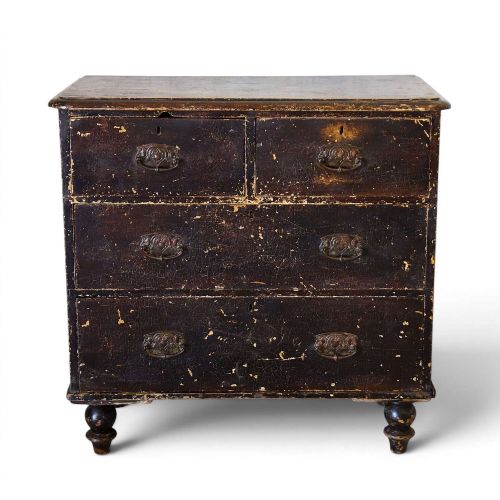
A brown pine chest offers utilitarian storage wrapped in the honest warmth of country and Victorian craftsmanship.
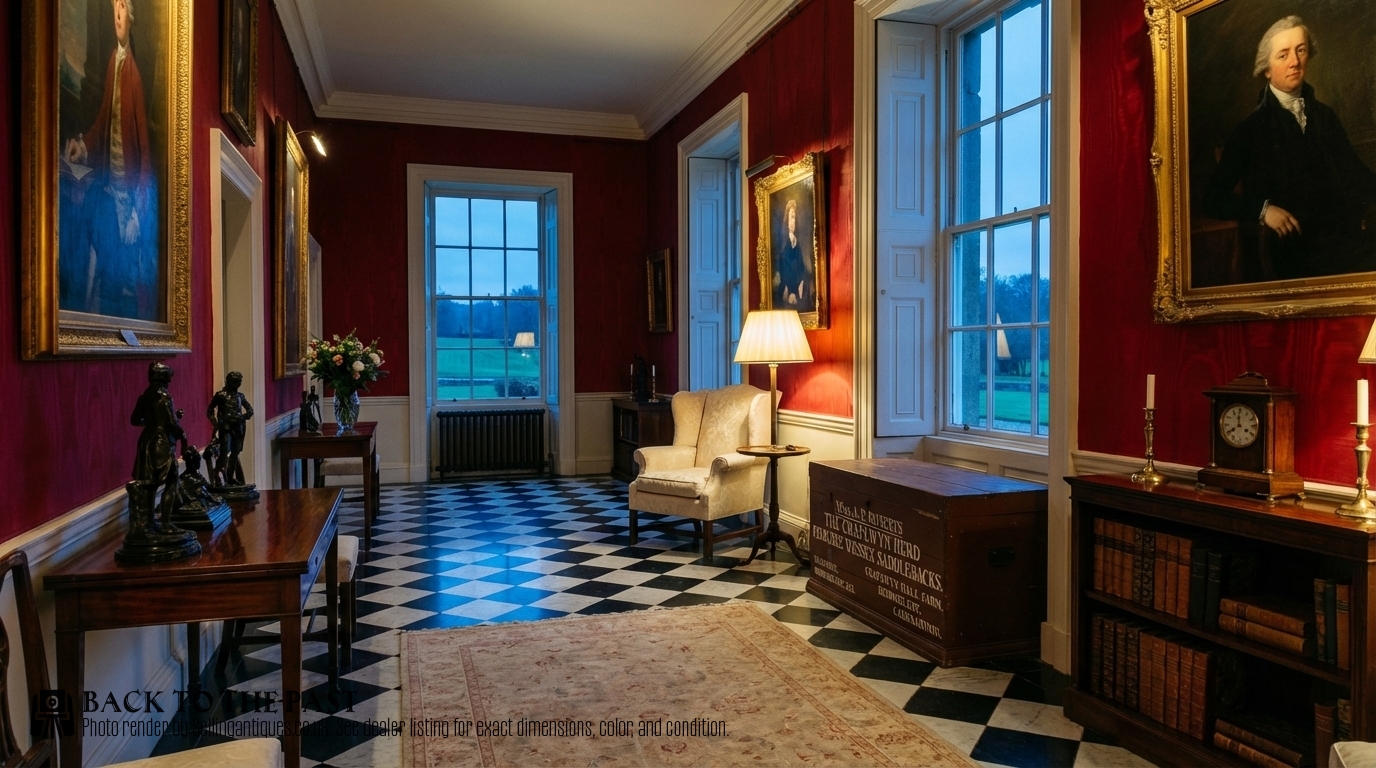
Brown Pine Chest
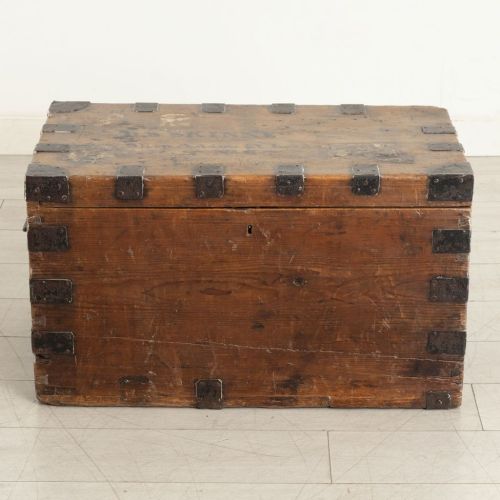
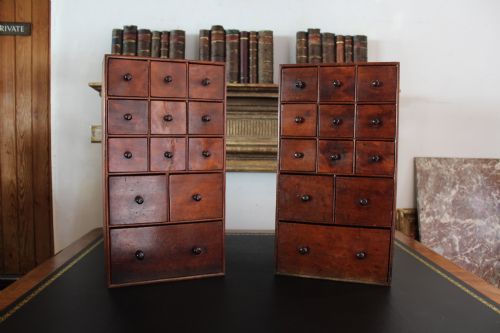
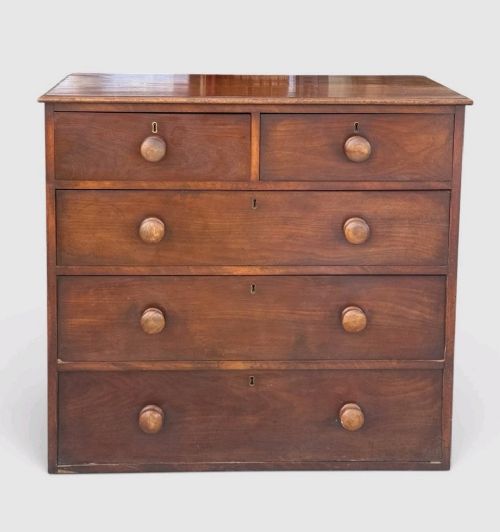
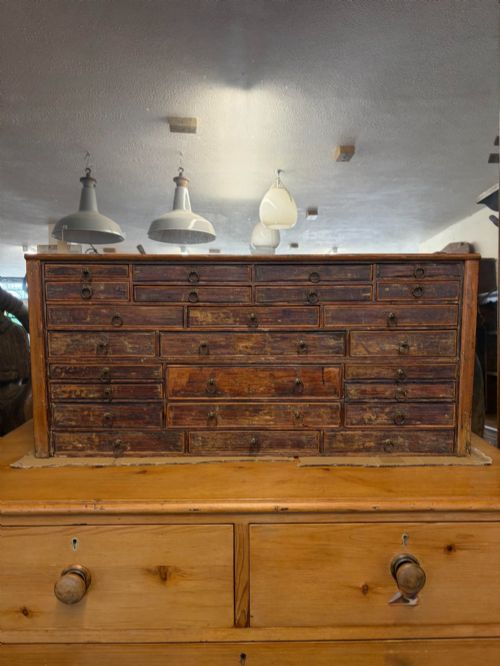
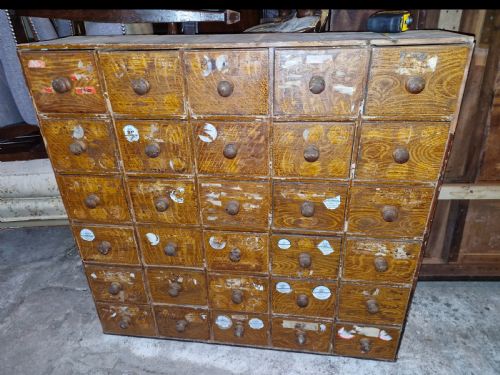
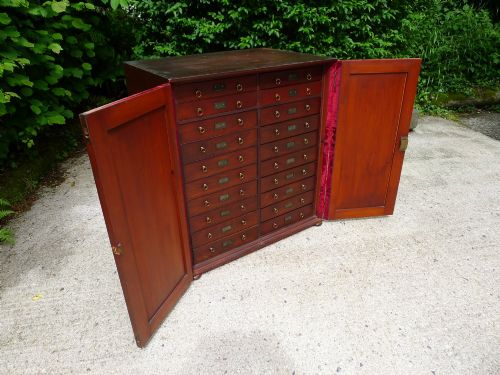
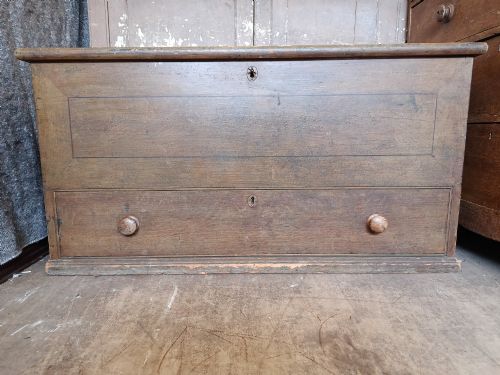
A brown pine chest encompasses a wide variety of storage furniture, including blanket boxes, travel trunks, and banks of drawers from the eighteenth, nineteenth, and early twentieth centuries. Buyers seeking a brown pine chest encounter pieces shaped by rustic country traditions, Victorian utility, and provincial workshops across Britain, France, Sweden, and Hungary.
Materials and Construction
Construction relies primarily on native and imported pine, alongside pitch pine, deal, and elm, joined for durability in domestic and workshop settings. Iron and wrought iron provide robust hinges, straps, and brackets, while brass serves for period handles and drawer pulls.
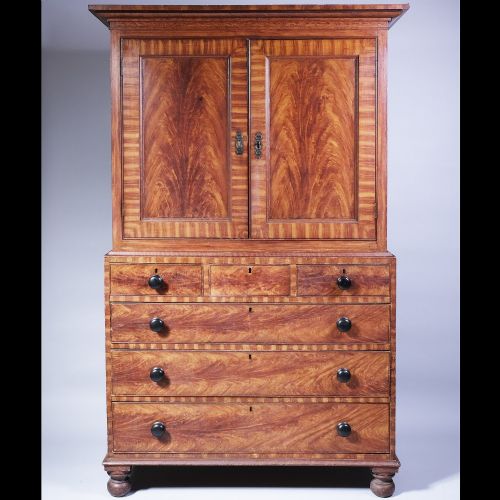
Surface finishes range from natural polished or stained wood to decorative scumble paint, simulated wood graining, and folk art applications. Carpenters and joiners utilised traditional dovetailing and pegged joints to build robust carcasses intended to withstand heavy daily use.
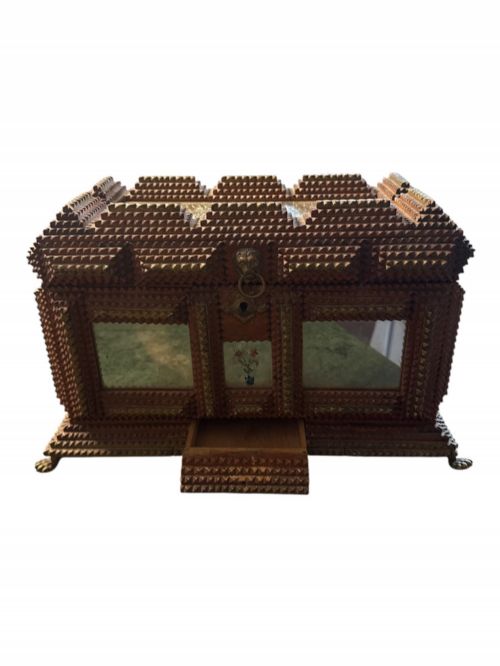
Engine factory tool boxes and homeopathic chests sit alongside folk art tramp boxes, proving that nineteenth-century workers stored their gear with immense pride.
Determinants of Quality
Quality rests upon the integrity of the original construction and the survival of untouched surface finishes, such as original scumble paint or grained decoration. Pieces retaining their period brass hardware, functional locks, and uncompromised timber frames demonstrate superior preservation.
Distinction also arises from regional craftsmanship and unusual form, separating standard utilitarian containers from specialised collectors cabinets, miniature chests, and pieces with documented provenance.
Luxmore's of Ilfracombe·Gnome Et Le Rhone Engine Company·D Napier And Sons
The Brown Pine Chest Glossary
- Scumble paint
- A decorative glaze technique applied over a lighter base coat and manipulated with combs or rags to simulate the rich grain of more expensive hardwoods. This finish was widely used on nineteenth-century pine furniture.
- Mule chest
- A traditional storage chest featuring one or two drawers fitted beneath the main hinged compartment. It bridges the gap between a simple blanket box and a full chest of drawers.
- Pitch pine
- A durable, resinous variety of pine prized for its strong grain pattern and resistance to wear. It frequently appears in maritime and heavy-duty nineteenth-century furniture.
- Deal
- A historical term for softwood timber, specifically fir or pine, commonly utilised in British cabinet making. It forms the primary material for many period collectors cabinets and cupboards.
- Tramp art
- A style of folk art created by itinerant workers using salvaged wood, often from cigar boxes or packing crates, shaped with pocket knives into chip-carved geometric layers.
Brown Pine Chest: Frequently Asked Questions
How do I date a pine chest?
Dating relies on examining construction methods, such as hand-cut dovetails, iron hardware, and timber types like pitch pine or deal. Secondary clues include the presence of original scumble paint, period locks, and regional stylistic traits.
Comparative analysis with documented nineteenth and early twentieth-century examples helps narrow down the decade of manufacture. Hardware changes and wear patterns also offer reliable chronological indicators.
What is scumble paint?
Scumble paint is a translucent decorative glaze applied over a prepared base coat to imitate the appearance of aged hardwood. Artisans used combs, feathers, or rags to create faux grain patterns on plain pine.
This technique allowed modest furniture to emulate fashionable walnut or oak finishes during the nineteenth century. Surviving original scumble surfaces are highly valued by collectors today.
How were these chests used originally?
These pieces served practical storage roles in homes, workshops, and ships, holding everything from blankets and clothing to tools and apothecary specimens. Larger trunks accommodated travel, while banks of drawers organised documents and small artefacts.
Institutional examples furnished offices, ships like the SS Orontes, and country houses. Their robust construction ensured they could withstand rigorous daily demands across generations.
Can I use a pine chest in a modern room?
A pine chest integrates easily into contemporary interiors by providing functional storage while adding warmth and historical texture. Smaller blanket boxes function as coffee tables or end-of-bed storage.
Larger chests of drawers and cabinets anchor bedrooms and living spaces with practical utility. The neutral tones of aged pine and brown scumble finishes complement minimalist and traditional schemes alike.