


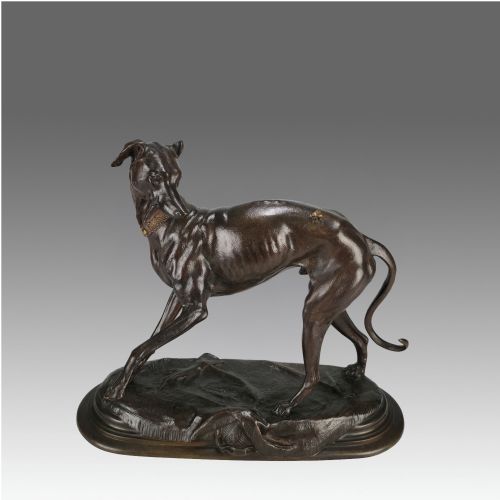
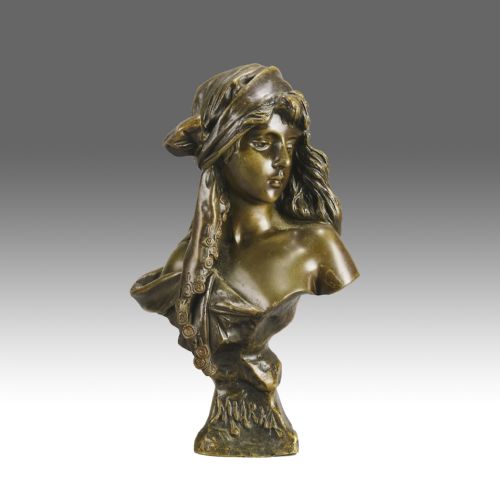
Brown Patinated Bronze Statue
A brown patinated bronze statue brings nineteenth-century foundry work into a modern room through figures, animals, and classical subjects cast in metal.
Brown Patinated Bronze Statue
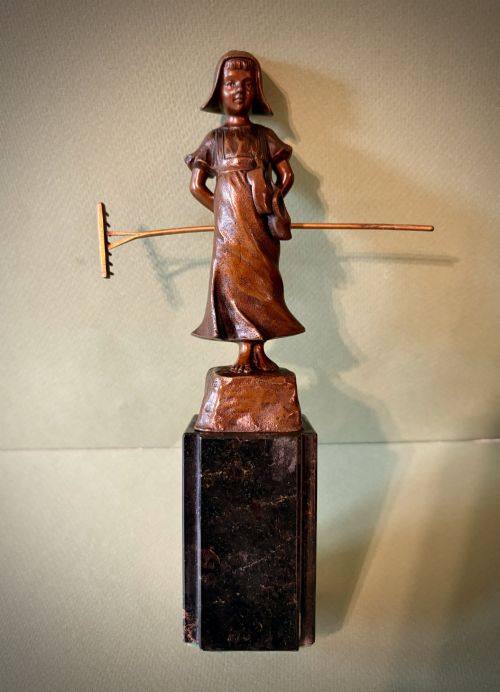
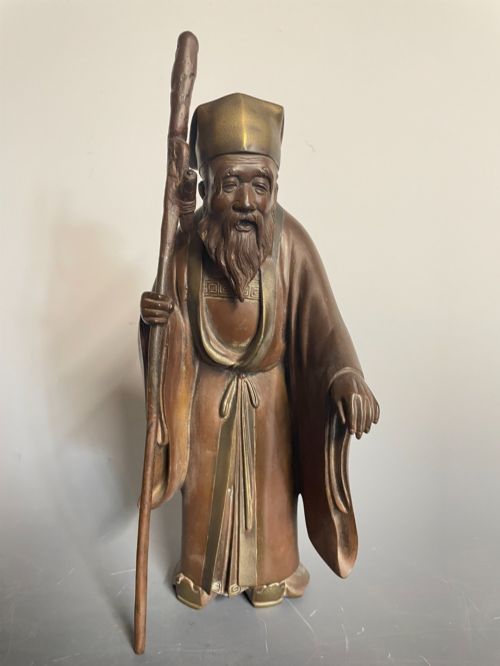
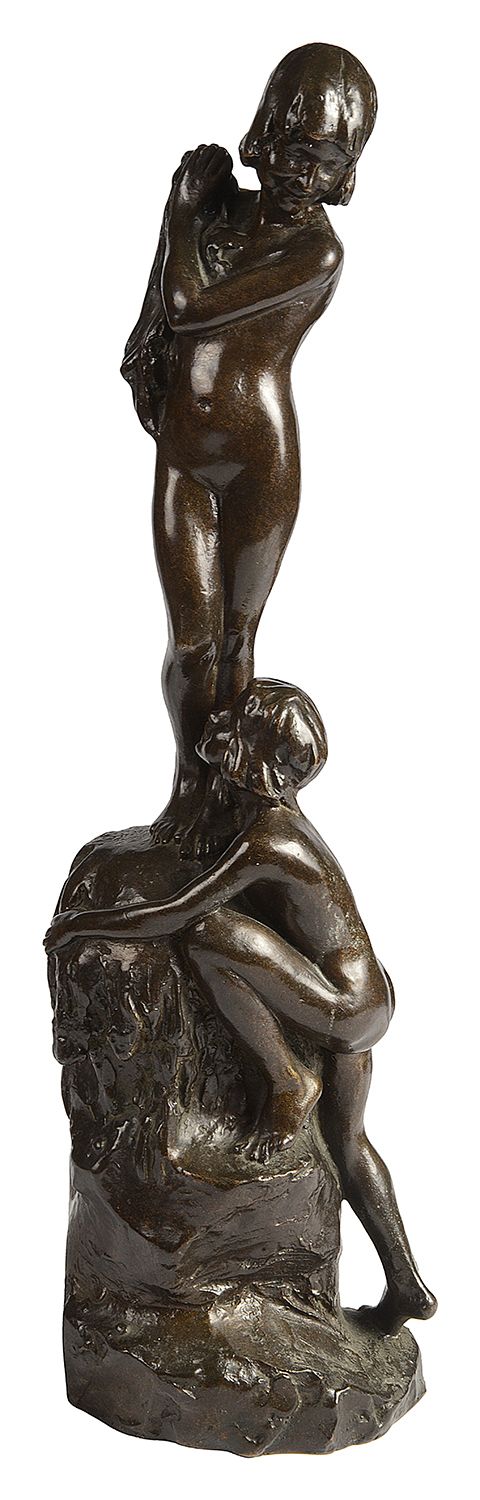
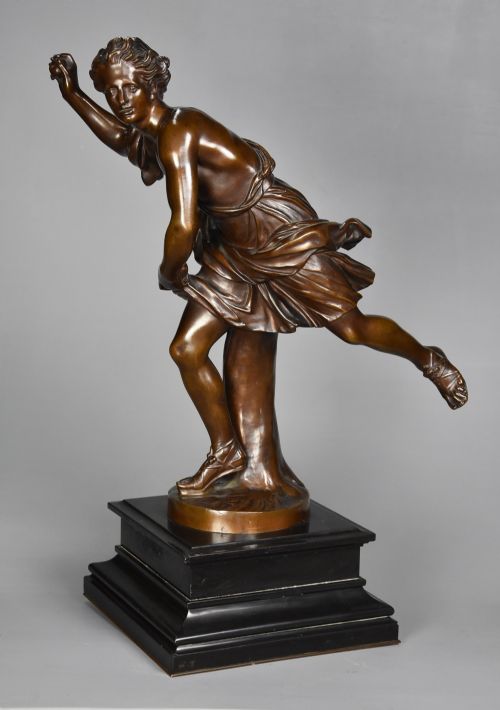
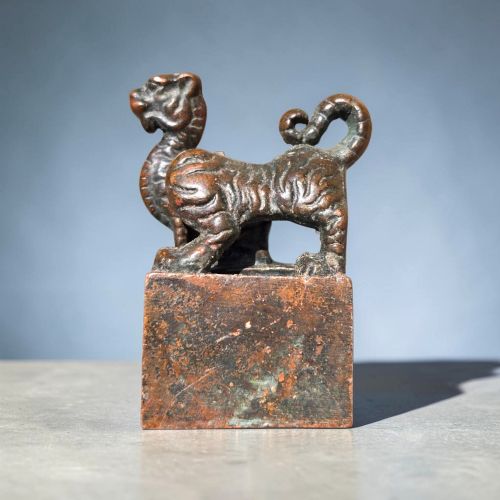
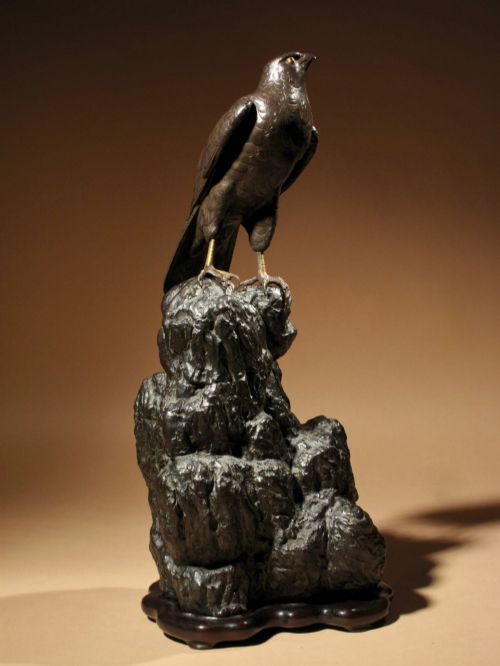
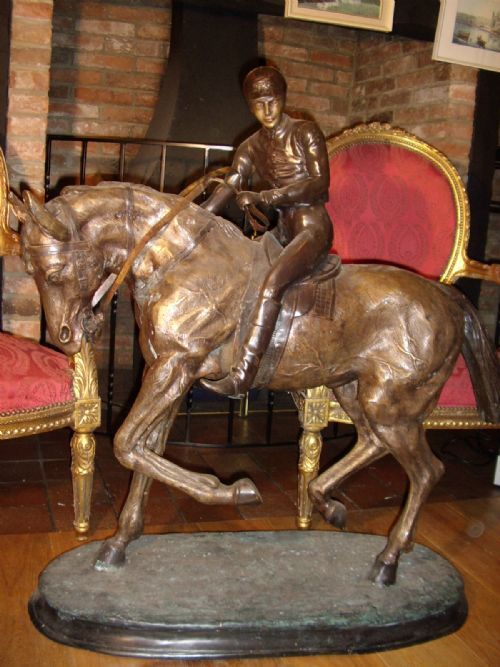
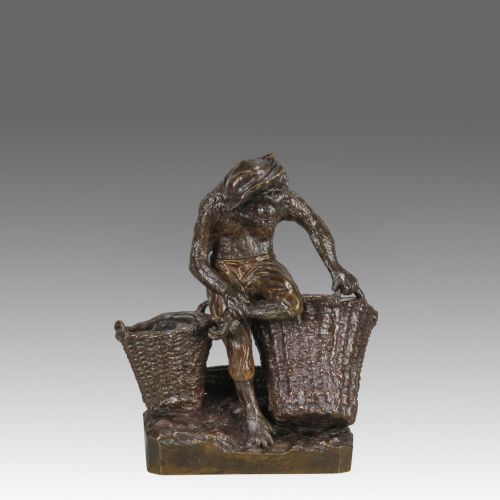
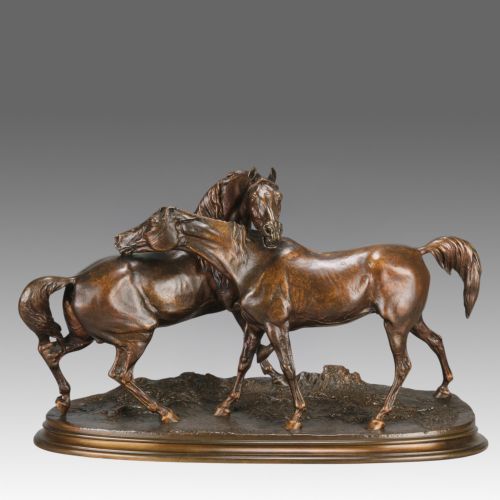
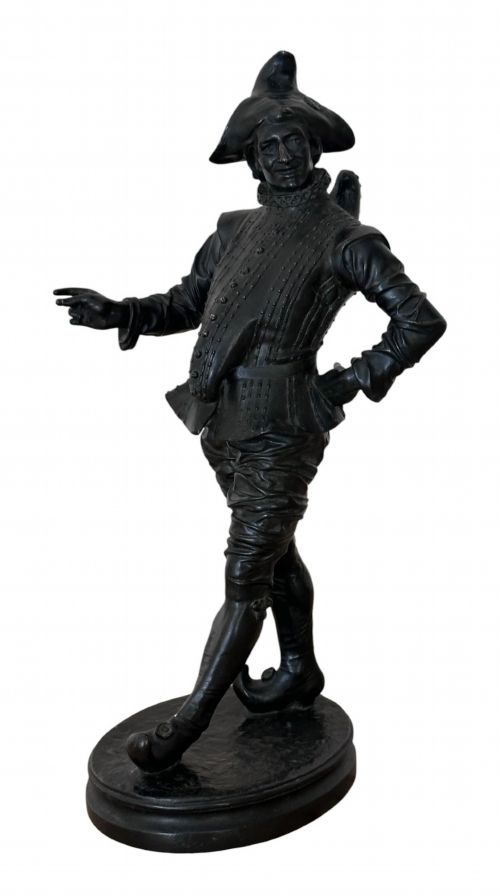
When you search for a brown patinated bronze statue, you encounter sculptural works spanning the nineteenth and early twentieth centuries. These range from French Animalier studies of dogs and horses to classical figures, mythological subjects, and Japanese Meiji period bronzes.
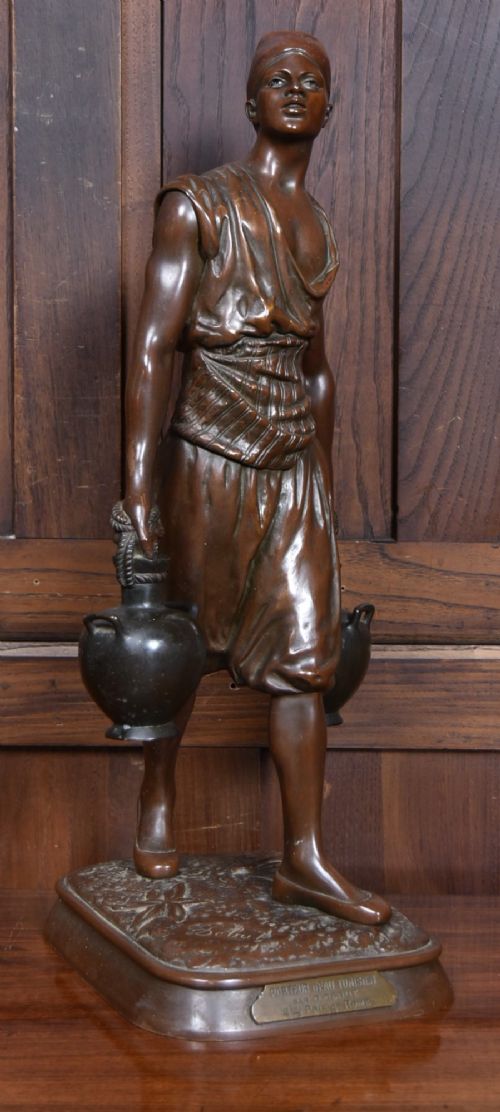
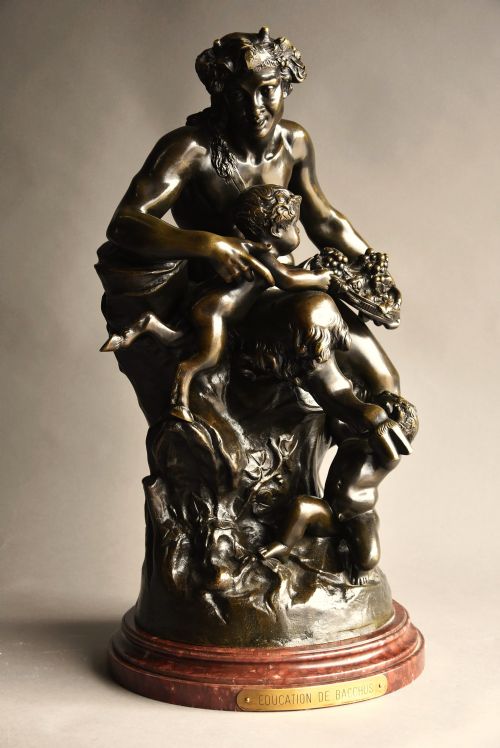
The most common examples on this page are French nineteenth-century bronze casts depicting human figures, literary characters, and animals. You also find Grand Tour souvenirs from Italy, Art Nouveau busts, and early twentieth-century studies.
These sculptures often stand on bases of marble, ebonised wood, or brass, serving as table ornaments, cabinet pieces, or large floor-standing works. They capture the technical ambition of European and Asian foundries working in traditional casting methods.
Materials and casting methods
The primary material is bronze, an alloy of copper and tin, which takes a chemical patination ranging from deep chocolate brown to lighter golden tones. Foundries applied acid solutions to the heated metal surface to create this durable skin, often rubbing highlights to reveal the bronze underneath.
Many sculptures incorporate secondary materials such as marble plinths, brass mounts, and ebonised wood bases to support and elevate the metalwork. Some works combine patinated bronze with painted details or sit alongside plaster and chalk figures from the same eras.
Sculptors frequently cast domestic animals, including seated French bulldogs, racing greyhounds, and hounds guarding firesides.
Distinguishing quality in casts
The precision of the chasing work separates standard foundry output from superior examples. After casting, skilled artisans used chisels and files to sharpen fine details in hair, drapery, and musculature that the mould lost.
The depth and nuance of the brown patination indicate the care taken during finishing. A rich, layered surface with subtle tonal variations points to superior chemical application compared to a flat, uniform lacquer.
Rudolf Küchler·Barbedienne·Pierre Jules Mène·Alfred Barye·Emmanuel Villanis·Jules Dalou·Emile Louis Picault·Maurice Guiraud Riviere
The Brown Patinated Bronze Statue Glossary
- Patina
- A chemical surface alteration applied to bronze, creating a brown or dark skin that protects the metal and adds visual depth. This finish develops through the application of acids and heat.
- Animalier
- A nineteenth-century French artistic movement focusing on the realistic depiction of animals, particularly dogs, horses, and wild beasts. Sculptors in this genre studied anatomy closely at menageries.
- Grand Tour
- An eighteenth and nineteenth-century custom where travellers collected small bronze copies of classical antiquities in Italy. These souvenirs replicated famous statues seen in Roman and Florentine collections.
- Chasing
- The manual post-casting process of refining a bronze surface with chisels and punches. This technique restores crispness to details lost during the molten pour.
Brown Patinated Bronze Statue: Frequently Asked Questions
What is a patinated bronze?
A patinated bronze is a metal sculpture treated with chemical solutions to produce a specific surface colour, most commonly shades of brown, green, or black. This process seals the alloy and gives the sculpture an aged or finished appearance.
Foundries used different recipes of acids and heat to achieve these tones, often highlighting musculature or drapery by rubbing back the high points of the bronze.
How do I care for bronze statues?
Bronze statues require minimal maintenance beyond occasional dusting with a soft, dry cloth to prevent particulate buildup. Avoid using commercial metal polishes, abrasive cloths, or liquid cleaners, which can strip away the original patination.
Keeping the sculpture away from direct sunlight and high humidity helps preserve the stability of the metal and any attached marble or wooden bases.
What is an Animalier sculpture?
An Animalier sculpture is a nineteenth-century work dedicated to the naturalistic portrayal of animals in action or repose. These pieces often depict horses, hounds, big cats, and birds modelled with careful attention to anatomical movement.
Artists working in this tradition frequently cast their own works or partnered with specific foundries to produce multiple editions for collectors.
Are these sculptures solid bronze?
Most nineteenth and twentieth-century bronze sculptures are hollow casts produced using the lost-wax method or sand-casting techniques. Hollow casting saved expensive metal and reduced the overall weight of large figures while maintaining structural strength.
Thick walls were still necessary to allow for detailed chasing and to ensure the sculpture could support its own weight on its base.