


Rococo Bronze Table Figure
These rococo bronze table figures bring undeniable French flair to a room, combining cast metalwork with functional design.
Rococo Bronze Table Figure
When you search for a rococo bronze table figure, you encounter decorative objects designed for the surface of a mantelpiece, table, or sideboard. The selection spans the nineteenth century, drawing heavily on French Rococo Revival and Napoleon III styles.
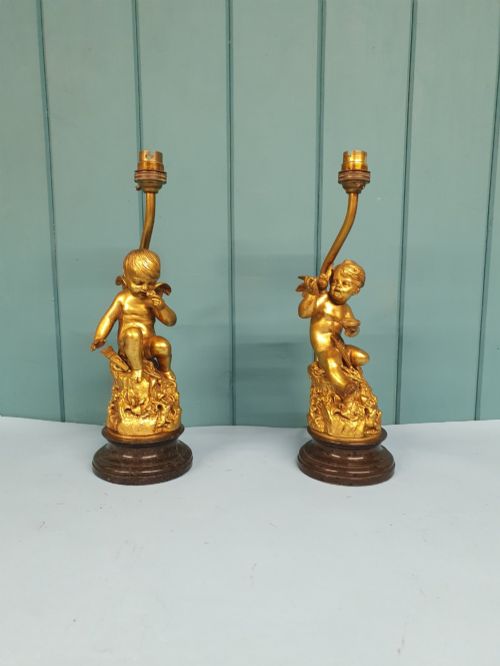
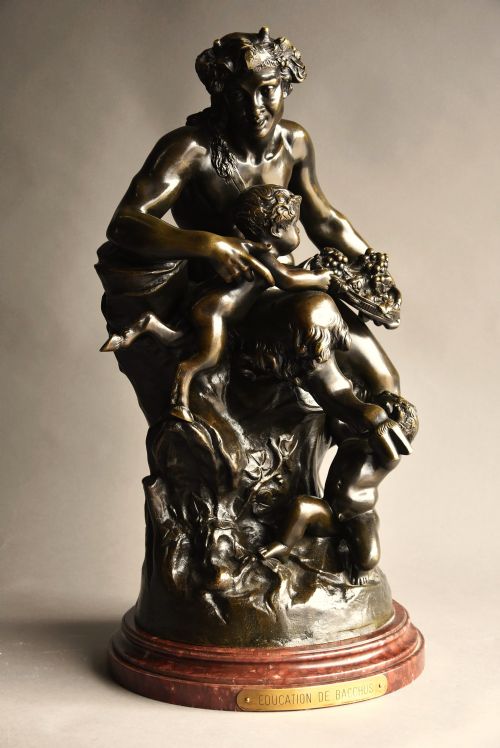
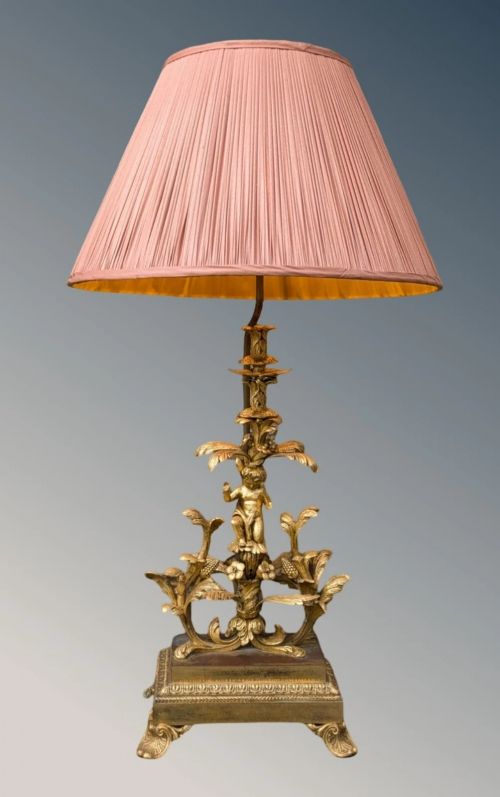
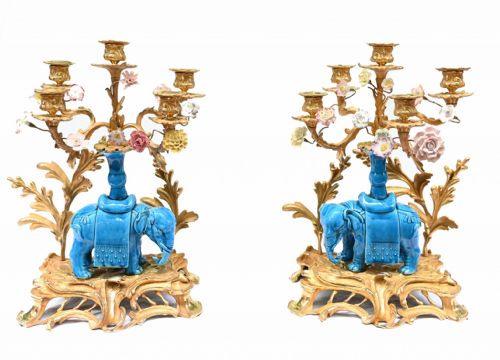
The objects take several distinct forms, most commonly appearing as mantel clocks, table lamps, candlesticks, and sculptural groups of putti or satyrs. Many examples incorporate bases of marble or combine patinated bronze with gilt highlights.
Makers and designers of the period often revisited classical or mythological themes, producing figures of cherubs, fauns, and putti. These domestic ornaments reflect the elaborate tastes of nineteenth-century European interiors.
What varies in quality
The refinement of the chasing and finishing work dictates the standard of the metalwork. Superior examples display sharply rendered facial expressions and drapery on the figures, whereas simpler pieces show softer contours from the mould.
Material combination also distinguishes the range. The integration of fine marble bases, intact ormolu gilding, and original porcelain elements separates standard decorative items from more ambitious works.
Listings feature items from the nineteenth century, including pieces dated to the 1850s, 1860s, 1870s, 1880s, 1890s, and 1900.
Claude Michel Clodion
The Rococo Bronze Table Figure Glossary
- Ormolu
- Gilded bronze, where a layer of gold is applied to a bronze base using mercury or electroplating. This technique gives the metal a bright, durable finish.
- Patinated Bronze
- Bronze treated with chemicals to alter its surface colour, usually resulting in dark brown or greenish tones. It highlights the modelled contours of a figure.
- Putto
- A plump, naked male child figure often depicted in Renaissance and Revival art. They appear frequently as cherubs in these sculptural groups.
- Napoleon III Style
- A heavily eclectic French design movement spanning the mid-nineteenth century. It borrows freely from earlier royal periods including the Rococo.
Rococo Bronze Table Figure: Frequently Asked Questions
Are these clocks still working?
Many nineteenth-century mantel clocks retain their mechanical movements, though working conditions vary between pieces. Some examples function reliably, while others require professional servicing or adjustment by a horologist.
Checking the listing details will indicate if a key or pendulum is present. Prospective owners should expect that older movements may need occasional maintenance to keep accurate time.
Can I convert a candlestick to a lamp?
Conversion depends on the construction of the specific piece and whether it has been altered previously. Several examples in nineteenth-century metalwork were adapted for electricity at a later date.
Collectors often weigh the desire for modern lighting against the preservation of original components. Reversible wiring methods are generally preferred to protect the historic metalwork.
What is the difference between bronze and ormolu?
Bronze is an alloy of copper and tin used to cast sculptural figures and decorative mounts. It often receives a dark chemical patination to accentuate the modelled details.
Ormolu is specifically bronze that has been gilded with gold. This provides a bright, reflective golden surface that was popular in French interiors.