





Dark Bronze Satyr Figurine
A dark bronze satyr figurine brings classical mythology into the interior, capturing the dynamic movement of ancient sculpture through enduring metalwork.
Dark Bronze Satyr Figurine
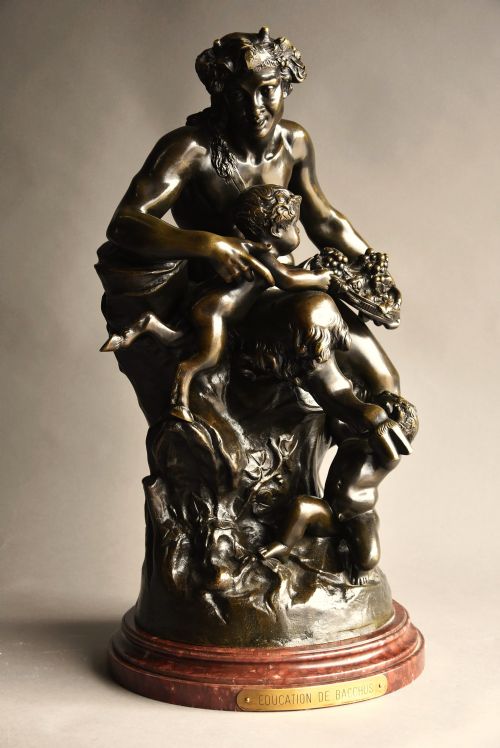
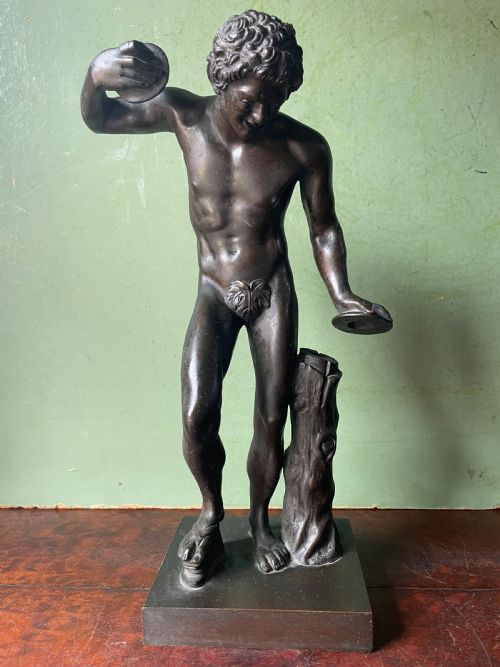
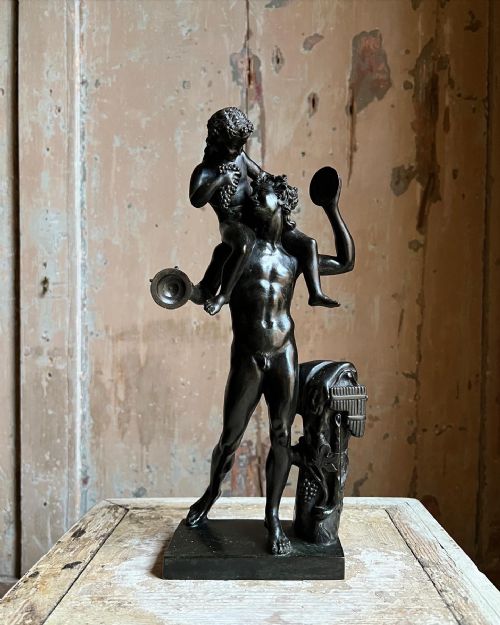
A dark bronze satyr figurine represents mythological figures such as fauns, Pan, and Bacchus, often depicted dancing or playing instruments. These sculptures draw inspiration from classical antiquities discovered at archaeological sites like Pompeii.
The selections available here span the nineteenth century, including pieces created as Grand Tour souvenirs for travellers collecting classical art. Forms range from single dancing figures with cymbals or flutes to larger groups involving multiple figures.
Originating predominantly from French and classical revival traditions, these bronze sculptures utilise traditional subject matter originally associated with Roman antiquity. Buyers encounter both smaller cabinet pieces and larger sculptural groups reflecting neoclassical tastes.
How they were made
The primary material used is bronze, often featuring a dark patination that highlights the musculature and facial expressions of the satyrs. Many of these figures are mounted upon marble bases, which provide stability and contrast to the dark metal.
Sculptures are cast using traditional foundry methods, frequently executed as reductions after antique models or inspired by classical sculptors like Clodion. Artisans finish the metal surfaces manually to accentuate the intricate details of hair, drapery, and musical instruments.
The decorative vocabulary spans Grand Tour, Neoclassical, and Rococo Revival styles derived from classical sculpture.
What varies in quality
The quality of the mount and the choice of marble base contribute significantly to the overall presence of the object. Heavier, finely veined marble pedestals indicate a higher grade of nineteenth-century production.
Claude Michel Clodian
The Dark Bronze Satyr Figurine Glossary
- Patinated bronze
- Bronze treated with chemical solutions to produce a specific surface colour, most commonly dark brown or black. This finish protects the metal and defines sculptural contours.
- Grand Tour
- A traditional trip through Europe undertaken by upper-class Europeans in the eighteenth and nineteenth centuries to study classical art. Souvenirs purchased on these journeys included small bronze reductions of famous antiquities.
- Neoclassical
- A style originating in the mid-eighteenth century inspired by the art and culture of classical Greece and Rome. It prioritises balance, proportion, and mythological subjects.
- Reduction
- A smaller copy of a larger sculpture, achieved through mechanical pantographic methods or skilled modelling during the nineteenth century. This technique allowed famous museum antiquities to be replicated as cabinet pieces.
- Cire perdue
- Lost-wax casting, a method where a wax model is melted from a mould and replaced with molten bronze. This technique permits intricate undercuts and fine surface details.
Dark Bronze Satyr Figurine: Frequently Asked Questions
What is a satyr figurine?
A satyr figurine depicts a mythological woodland spirit associated with Dionysus, typically shown with pointed ears and goat legs or horns. These figures are celebrated for their energetic poses and connection to ancient theatre and wine.
In nineteenth-century bronze production, these characters were revived to decorate libraries, studies, and drawing rooms as sophisticated decorative objects.
What is a Grand Tour bronze?
Grand Tour bronzes were portable works of art acquired by travellers visiting cultural centres in Italy during the nineteenth century. They served as tangible reminders of classical sculpture housed in European museums.
These reductions allowed collectors to display iconic antiquities like the Dancing Faun of Pompeii within domestic interiors.
How do I care for bronze?
Bronze requires minimal maintenance, needing only an occasional dusting with a dry, soft cloth to prevent particulate accumulation. Avoid using chemical polishes, which can strip the historical dark patina.
Keeping the figurine away from excessive moisture and direct sunlight preserves the stability of both the metal and any accompanying marble base.
How are periods identified?
Dating relies on the casting technique, the depth and tone of the patination, and the character of the marble mounts. Nineteenth-century pieces often display specific foundry marks or stylistic indicators related to French neoclassical revivalism.
Comparing the sculptural proportions to known museum casts helps verify whether a piece originated during the height of the Grand Tour period.