


Brown Paper Watercolour Painting
A brown paper watercolour painting captures fleeting light and domestic texture with a directness that sets it apart from heavier canvases.
Brown Paper Watercolour Painting
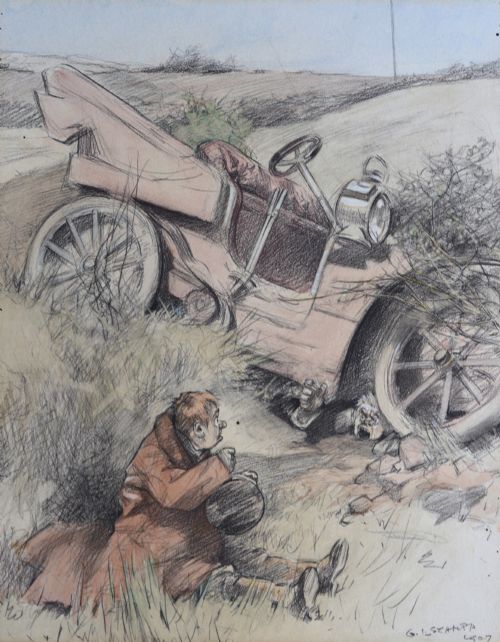
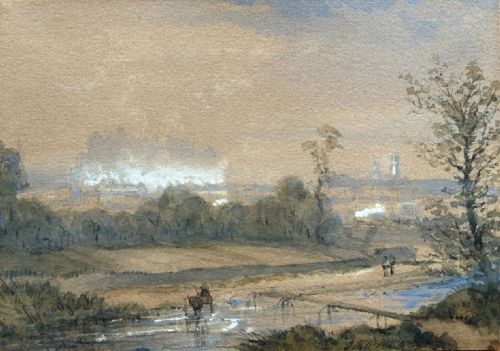
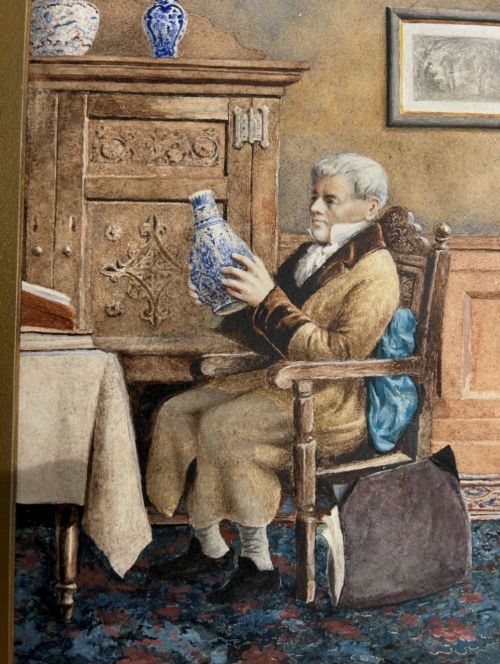
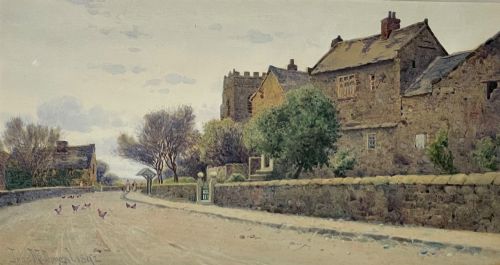
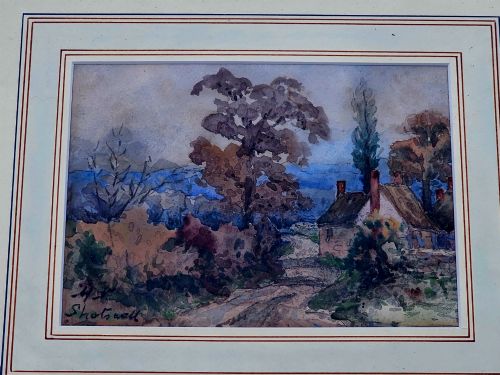
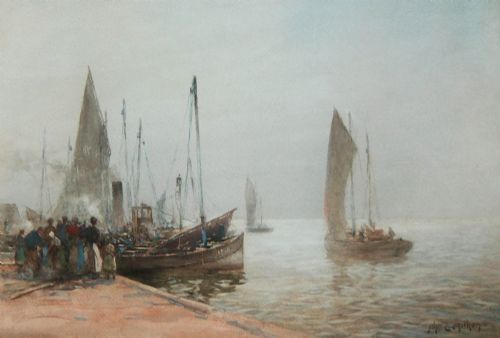
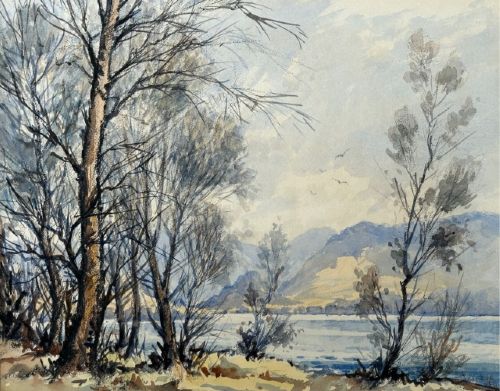
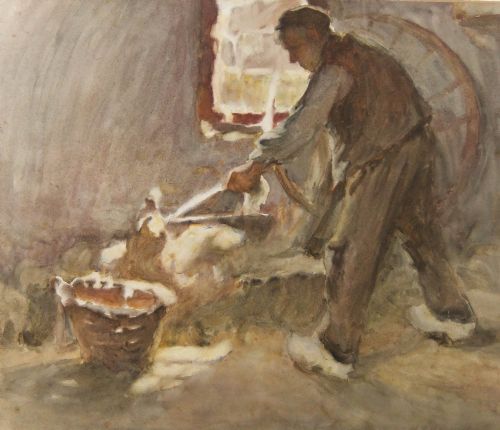
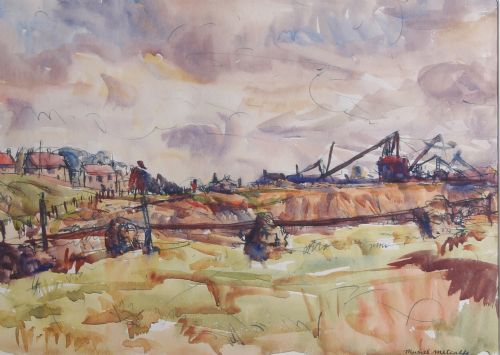
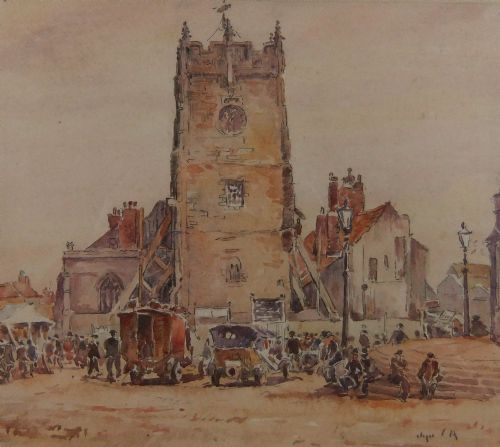
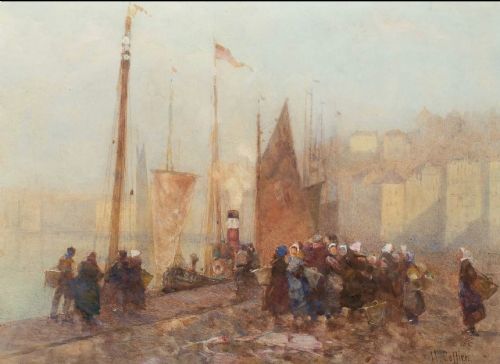
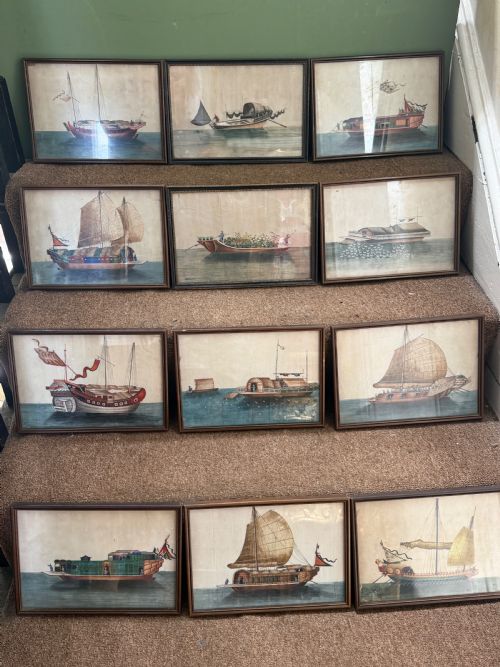
A brown paper watercolour painting brings together the fluid transparency of water-based pigments and the warm, middle-tone ground of tinted paper. This page focuses primarily on original works spanning the nineteenth century through the mid twentieth century, featuring British landscapes, maritime scenes, and character studies.
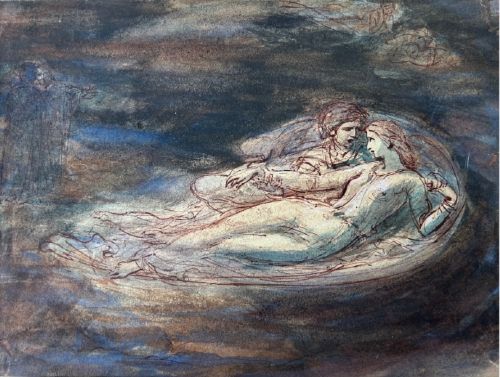
Makers recorded here range from provincial British watercolourists to Victorian realists, working in styles that transition from Pre-Raphaelite detail to Edwardian impressionism. The support itself alters how the pigment sits, allowing artists to deploy bodycolour or white gouache highlights against the dark fibre.
Buyers encountering these pieces find works framed under glass, preserved in various formats from intimate sketches to large exhibition watercolours. The palette often leans toward earthy tones where the exposed paper acts as a compositional element.
Materials and Technique
Artists combined watercolour pigment and ink on tinted paper supports, frequently utilising opaque white gouache to lift highlights out of the darker background. Glass protection preserved these fragile works from atmospheric moisture and surface abrasion over decades.
Wood frames house the majority of these pieces, often secured alongside card mounts that separate the fragile paint layer from the glazing. The interaction between water-soluble paint and fibrous paper required swift, confident brushwork to avoid over-working the absorbent surface.
Listings span periods from Victorian and Edwardian eras through to the 1960s, executed on paper and glass using watercolour and ink.
Assessing the Work
Quality rests on the confidence of the brushwork and the preservation of the pigment against fading or acid burn from early mount boards. Works by accomplished hands display a deft economy of line, particularly where the brown paper is allowed to show through as shadow or mid-tone.
The integration of the paper ground into the composition separates standard decorative sketches from finished cabinet pieces. Stronger examples maintain vibrancy in the watercolour pigment and structural integrity in the original framing components.
George Lorain Stampa·James Orrock·John R Prentice·Henry Stacy Marks·John McDougal·James E Aitken·Robert Leslie Howey·Henry Silkstone Hopwood·Muriel Metcalfe·John Smith Atherton·Hector Caffieri·Carl Haag·Ralston Gudgeon·James Hayllar·Alfred George Morgan·James Tower·Henry Charles Fox·Fred Lawson·Thomas Bush Hardy·Sir Thomas Newenham Dean·James William Booth·Tom Clough·John Atkinson·John Augustus Atkinson·Lester Sutcliffe
The Brown Paper Watercolour Painting Glossary
- Watercolour
- A paint consisting of a pigment suspended in a water-soluble vehicle. It produces translucent washes that rely on the reflective quality of the paper beneath.
- Gouache
- An opaque method of colouring where white pigment is added to watercolour to create solid, flat areas of tone. This technique allows artists to paint light details over darker brown paper.
- Impressionism
- A nineteenth-century art movement characterised by relatively small, thin yet visible brush strokes and an emphasis on accurate depiction of light. British variants adapted these principles to local landscapes and coastal scenes.
- Pre-Raphaelite
- A group of English painters and poets devoted to a detailed, intense observation of nature. Works in this style prioritize high colour fidelity and intricate narrative elements.
- Bodycolour
- Watercolour paint mixed with a dense white pigment to make it opaque. It was frequently used on tinted papers to build up highlights and solid forms.
Brown Paper Watercolour Painting: Frequently Asked Questions
How should I display my painting?
Keep these works away from direct sunlight to prevent the watercolour pigments from fading against the paper. Maintaining a stable indoor environment protects both the paper support and the antique frame.
Ensure the painting is glazed with glass to shield the delicate paint surface from dust and airborne pollutants.
Are these works originals?
The listings comprise original painted works executed by hand rather than mass-produced prints. Each piece records the unique touch and brush application of the individual artist.
Signatures, dates, and contemporary framing often provide additional context regarding their creation period.
How do I identify the period?
Stylistic markers, framing materials, and artist signatures help narrow down the date of execution. Victorian and Edwardian works often carry specific aesthetic traits distinct from later mid-century pieces.
Examine the backboards and paper characteristics for further clues regarding the date of production.
What subjects are most common?
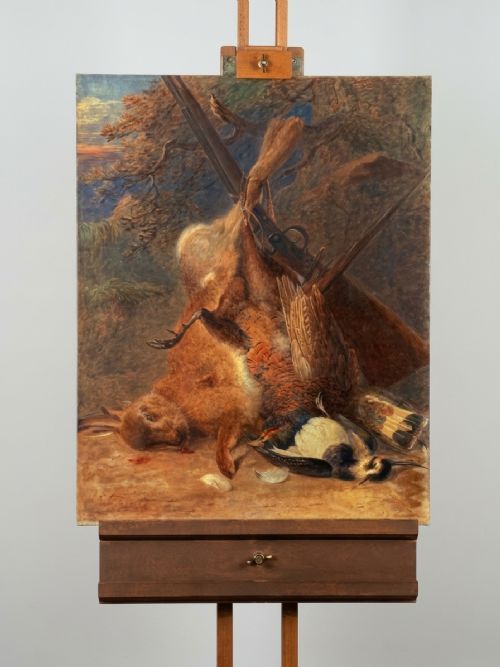
British landscapes, coastal views, and pastoral farmyard scenes dominate the available selection. Portraiture and still life arrangements also appear across the nineteenth and twentieth-century entries.
Artists frequently recorded local topography and everyday rural life during their travels.